Published: March 5, 2026
The English Chronicle Desk
The English Chronicle Online
Global financial markets remain unstable as investors grapple with the economic fallout of the expanding conflict involving the United States, Israel and Iran. Stock markets in Europe, Asia and North America have seen volatile swings, while oil prices have climbed sharply amid worries that the war — and its knock‑on effects on energy supplies — could persist for weeks or even months.

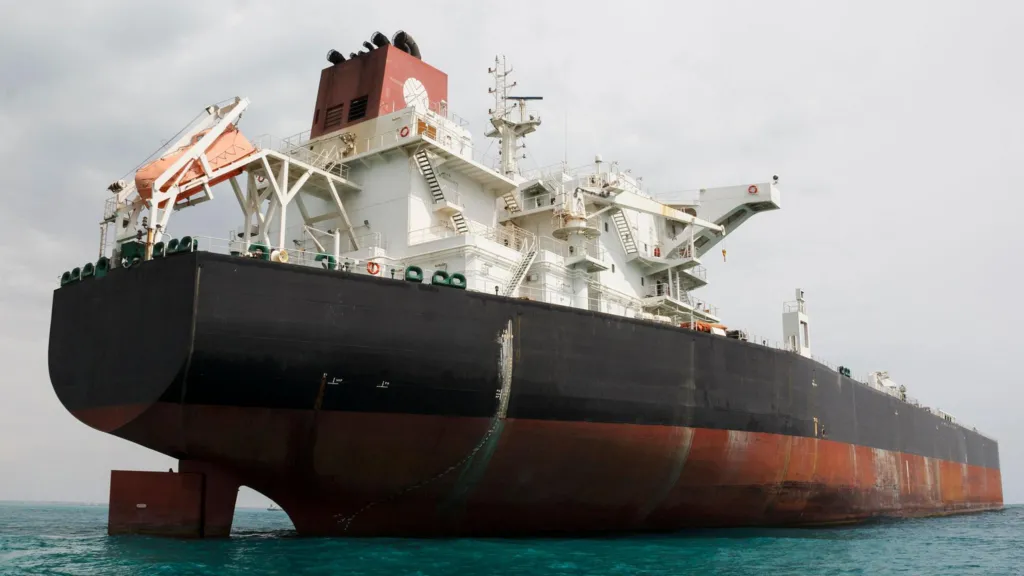
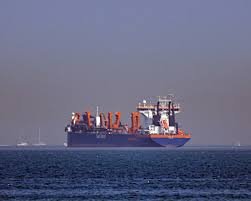
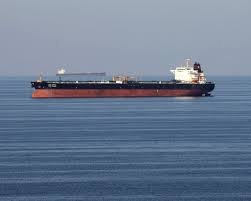
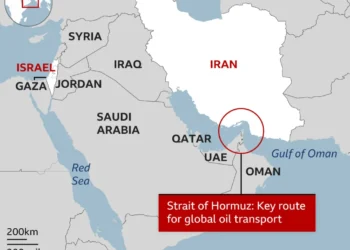
Energy commodities, particularly crude oil, have been among the most visibly affected assets. Brent crude prices have surged above $80 per barrel, marking levels not seen in months as traders price in the risk of supply disruptions from the Middle East, where about one‑fifth of global oil shipments transit through the strategic Strait of Hormuz. The potential for infrastructure damage, tanker attacks and broader export bottlenecks has added a substantial geopolitical risk premium to oil benchmarks, pushing energy costs higher and contributing to inflationary pressure in many economies.
The stock market response has been mixed and uneven, reflecting both risk‑off sentiment and sector rotation. In earlier sessions, major US indices such as the Dow Jones Industrial Average, S&P 500 and Nasdaq experienced declines as investors moved away from growth and technology stocks into safer or defensive areas of the market. However, some markets have subsequently shown resilience, with European equities rebounding amid reports of indirect diplomatic outreach that sparked brief optimism about a de‑escalation.
Volatility is being driven in part by uncertainty about how long the conflict will last and how deeply it might disrupt energy and trade flows. Analysts note that prolonged instability in the Gulf region, especially if tanker traffic remains constrained or if additional producers cut output, could force oil prices higher still, with some projections suggesting crude could approach or exceed $100 per barrel if key routes like the Strait of Hormuz remain affected.
This dynamic creates a feedback loop in markets: higher oil prices — typically seen as a proxy for global risk — can dampen investor confidence and weigh on corporate profits, particularly in sectors sensitive to fuel costs and inflation. At the same time, sectors linked to energy production and defence spending have seen relative gains as money flows into assets perceived as hedges against conflict‑induced uncertainty.
Some analysts also highlight that short‑term shocks from geopolitical events often compress traditional market drivers such as earnings and growth expectations, leading to idiosyncratic trading behaviour as participants seek to balance risk with potential reward amid rapidly changing headlines.

Central banks and policymakers are watching developments closely, aware that sustained oil price inflation could complicate monetary policy decisions and undermine recovery efforts in economies still dealing with post‑pandemic pressures and uneven growth. Investors and traders alike are essentially pricing in a wide range of possible outcomes — from a de‑escalation that eases supply fears, to a prolonged conflict that keeps energy markets tight and global equities on edge.
Related News:
 US Trade Deficit Hits Fresh High Despite Trump’s Tariffs
 Trump Announces Global Tariffs to Rise to 15%
 Ukraine war briefing: Russia exporting more oil now than before war despite sanctions – report
 Trump’s tariff strategy collapse sows global chaos and confusion
 China Sets Lowest Economic Growth Target Since 1991
 Modi’s London Visit Seals Historic UK-India Trade Pact Amid Global Tensions
 Historic Trade Milestone: India and UK Sign Landmark Free Trade Agreement to Deepen Economic Ties
 Rubio Calls Russian Oil Imports a Strain on India-US Relations
 China’s crackdown on civil servant perks sparks economic concerns
 Shein UK Faces Allegations of Shifting Majority of Profits to Singapore to Reduce UK Tax
 British AI Startup Outshines Human Forecasters in Global Prediction Contest
 Indian Court Deals Legal Setback to Elon Musk’s X in Free Speech Battle
 China warns UK over delayed London mega embassy decision
 Rachel Reeves to lead UK trade push in Saudi Arabia amid rights debate
 UPS Cargo Plane Crash in Kentucky Kills Seven
 US private equity set to acquire UK online retailer Very Group
 Switzerland Rolls Out Charm Offensive to Cut Trump’s 39% Tariffs
 China Gained Military-Tech Access Through UK Investments
 Canada Passes Carney’s First Budget in Tight Parliamentary Vote
 India’s Labour Law Overhaul Sparks Fierce Debate
 Carney’s Alberta Pipeline Deal Sparks Immediate Pushback
 Austrian Airlines Halts Tehran Flights Amid Political Unrest
 Trump Administration Probe of Fed’s Powell Draws Pushback
 Trading Day: Trump Crosses Fed Rubicon, Market Shrugs
 Mark Carney Walks Diplomatic Tightrope on China Visit
 Wall Street shaken by Trump tariff shock as markets tumble
 ‘Black Tax’: Burden, Pride and Survival for African Workers
 ‘Repatriate the Gold’: Germany Debates Bringing Reserves Home
 UK New Car Discounts Near £6,000 as Prices Are Slashed
 Cuban Cigar Festival Cancelled Amid US-Linked Energy Crisis
 Coles Discounts Under Fire in Federal Court
 Tourism Is Booming in 2026 — Just Not Where You Think
 Historic trade deals put India on global stage – but challenges remain
 Netflix and Paramount Are Battling for Warner Bros. — Who Is Likely to Win?
 Live Markets Bet on Spring Rate Cut as Inflation Falls
 City Bets on Rate Cuts as Unemployment Soars
 Japan Braces as Takaichi Begins New Term with Huge Mandate for Low‑Tax, Ultra‑Conservative Agenda
 The Chinese AI App Sending Hollywood Into a Panic
 US and Indonesia Finalise Deal to Cut Tariffs to 19%
 The Two Farms in Senegal That Supply Many of the UK’s Vegetables
 Live Nation Sees Strong Ticket Sales as Monopoly Lawsuit Looms
 ‘We’re Still on Edge’: Toy Firms Look to US Supreme Court as Tariffs Hit Profits
 Etsy Sells Second‑Hand Fashion App Depop to eBay for $1.2bn
 Asos Co-Founder Dies After Thailand Balcony Fall
 Gold Fever Hits South Africa After Lucky Find in Cattle Pen
 How Budget Fast Fashion Is Taking Small‑Town India by Storm
 Uncertainties Loom for Businesses and Consumers After Trump’s Tariff Changes
 ‘Hard to Keep Lights On’: Business Owners Cautiously Welcome Tariff Ruling
 Canada Eyes Trade Talks After US Supreme Court Tosses Trump Tariffs
 UK Job Vacancies Fall to Lowest Level Since Pandemic
 US Will Not Back Out of Tariff Deals with UK and Others, Says Trump Trade Representative
 Trump Tower Gold Coast to Redefine Skyline
 Rory Amon Trial: Alleged Victim Speaks in Court
 What Now for Asia After Trump’s Tariffs Were Struck Down?
 German Chancellor Lands in Beijing for Inaugural China Trip
 Shein’s Elusive Boss Hails Chinese Roots in Rare Public Appearance
 What Tariffs Has Trump Introduced and Why?
 Bill Gates ‘Took Responsibility’ Over Epstein Ties in Staff Meeting, Foundation Says
 Canada Says U.S. Unlikely to Lift Tariffs Amid Ongoing Trade Tensions
 Netflix Drops Warner Bros Bid, Clearing Way for Paramount Takeover
 Canada’s Finance Minister Says US Unlikely to Lift Tariffs
 Why Asian Firms Are Not Cheering Trump Tariff Ruling
 Why Asian Firms Are Not Cheering Trump Tariff Ruling
 Oil Prices Rise After Ships Attacked Near Strait of Hormuz
 Flights Cancelled and New Travel Warnings Issued After Iran Strikes
 India and Canada Seal Series of Deals as Carney and Modi Reset Ties
 Oil Prices Surge as Iran War Jolts Markets
 Why Middle Managers Can’t Get a Job Anymore
 Why Meloni Quietly Flooded Italy With Migrants
 Tehran Makes New Threat to Gulf Shipping as US Says ‘Hardest Hits’ on Iran ‘Yet to Come’
 Limited Flights Leave UAE But Disruption Continues Amid Iran Strikes
 Gulf shipping crisis as war risk cover pulled
 The Little Town Making Nearly All of China’s Lanterns
 Strait of Hormuz: What Happens if Iran Shuts Global Oil Corridor?
 Bars Close and Hundreds Lose Jobs as US Firm Buys BrewDog in £33m Deal
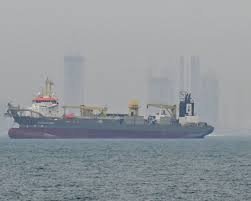 Global markets face turmoil as Hormuz crisis deepens
 Millions of Cubans Plunged Into Darkness Amid Fuel Crisis
 US Trade Court Orders Tariff Refunds in Setback for Trump Administration
 How Do You Modernise Mango Farming? India’s Growers Urged to Innovate as Climate Change Hits
 AI Coding Firm’s ‘Pride’ at Business Award Win