Published: 05 March 2026. The English Chronicle Desk. The English Chronicle Online.
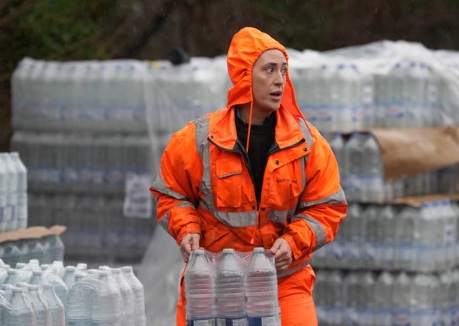
South East Water has been fined £22.5m by Ofwat for repeated supply failures affecting Kent and Sussex residents. The penalty follows a series of outages between 2020 and 2023 that disrupted water service for more than 280,000 people, leaving many households without reliable access for extended periods. While extreme weather contributed to the shortages, Ofwat found the failures were partly due to the company’s insufficient planning and inadequate network maintenance, compounding the impact on local communities.
The regulator’s enforcement order states that 286,645 customers experienced water supply issues during the three-year period, with some households affected multiple times. Ofwat’s findings highlighted that South East Water had not implemented necessary improvements to ensure resilience, despite learning opportunities from previous incidents. These failures included not adequately preparing for extreme conditions or upgrading infrastructure to prevent widespread disruption.
In January, Ofwat launched a separate investigation into water outages in the lead-up to Christmas, during which tens of thousands of residents in Kent and Sussex were left without running water for up to a week. The most affected areas included Tunbridge Wells, prompting the environment secretary, Emma Reynolds, to call for a thorough review of the company’s operating licence. The situation intensified public concern over the reliability of water provision in the South East region.
Chris Walters, Ofwat’s interim chief executive, explained on BBC Radio 4’s Today programme that South East Water had failed to learn from past events, including the severe winter freeze in 2018, often referred to as the “beast from the east.” Walters emphasised that the company had neglected proactive network maintenance, such as preparing storage tanks, tankering arrangements, and reservoirs, which would have helped prevent extensive supply interruptions. He added that the investigation confirmed the company had not adequately planned to ensure supply resilience.

Walters reassured customers that the fine would be covered by the company and would not appear on household bills. He stressed the importance of the investigation, noting that supply interruptions are “a totemic issue” for communities and must be addressed with precision. Walters also urged South East Water to accept greater responsibility for its failings and take immediate action to prevent future incidents.
A spokesperson for South East Water confirmed the company had recently filed for a judicial review of Ofwat’s draft decision and sought an interim injunction. Following a court hearing, the injunction was not granted, and the company said it respected the court’s ruling. The spokesperson added that South East Water would carefully review Ofwat’s draft decision and respond through the appropriate channels ahead of the regulator’s final ruling.
The three-year investigation period reflects the complexity of the cases and the need to ensure thorough scrutiny before issuing penalties. Walters noted that Ofwat takes considerable time to investigate supply interruptions, as such issues carry significant public importance and require careful evaluation of technical, operational, and regulatory factors.
The fine against South East Water follows a pattern of regulatory action against UK water companies facing operational and environmental challenges. Just a day prior, South West Water admitted that it supplied water unfit for human consumption following a parasite outbreak in Devon, which affected nearly 150 people. Similarly, last May, Thames Water received a record £104m fine from Ofwat over repeated environmental breaches, including untreated sewage spills resulting from mismanagement of its wastewater networks and treatment facilities. These incidents collectively underscore the ongoing scrutiny faced by the UK’s water industry and the growing expectations for resilience and accountability.
Public reaction to South East Water’s penalty has been mixed, with some residents welcoming decisive regulatory action while others questioned why systemic failures had persisted for several years. Local campaigns have long called for infrastructure investment and improved contingency planning to avoid recurring water shortages, emphasising the critical role water plays in public health and daily life. The repeated outages, particularly during extreme weather events, have highlighted vulnerabilities in aging networks and the urgent need for operational reforms across water companies in England.
Industry experts suggest that the fines represent both a warning and an incentive for water suppliers to modernise infrastructure and enhance emergency preparedness. According to analysts, investment in storage capacity, pipeline reinforcement, and proactive maintenance could prevent similar crises in the future. There is also a growing emphasis on transparent communication with customers during disruptions, ensuring that households are informed promptly about interruptions and mitigation efforts.

The enforcement order issued by Ofwat calls for South East Water to provide a detailed plan for addressing deficiencies in its network, including improvements to storage, pumping, and distribution systems. Regulatory officials stress that monitoring and compliance will continue, with further penalties possible if standards are not met. By requiring rigorous operational reforms, Ofwat aims to strengthen service reliability, protect consumers, and restore public confidence in water provision across the South East.
As climate change continues to exacerbate extreme weather events, the resilience of water supply networks has become increasingly critical. South East Water’s failures serve as a cautionary tale for all suppliers, highlighting the importance of long-term planning, investment, and learning from historical incidents. Experts argue that proactive measures today can mitigate the risk of future disruptions, ensuring communities maintain access to essential services even under challenging conditions.
The financial penalty, although significant, is intended to drive operational improvements rather than to punish customers indirectly. By holding companies accountable, regulators aim to balance commercial interests with public welfare, ensuring that water supply remains safe, reliable, and sustainable. Public confidence in water services relies on companies adhering to robust standards, investing in infrastructure, and preparing for both foreseeable and unprecedented challenges.
Overall, the South East Water case demonstrates the intersection of environmental factors, infrastructure management, and regulatory oversight. The lessons learned highlight the need for continuous monitoring, effective risk management, and transparent reporting to prevent repeated supply failures. Communities affected by outages deserve timely solutions and assurances that lessons from past disruptions are applied to future planning. Regulators and water companies alike face mounting pressure to safeguard essential services while maintaining accountability for operational performance.
Related News:
 Norfolk Coastal Graves at Risk as Erosion Deepens Family Anguish
 Winter plant bloom signals climate breakdown in UK
 Dog Food Emissions: 1% of UK Greenhouse Gas Revealed
 Storm Goretti leaves Cornwall homes without power
 Kent Residents Continue Facing Water Supply Disruptions
 Water firms may avoid fines under UK water reform plan
 No Gas Boiler Ban as UK Warm Homes Plan Backs Heat Pumps
 Judi Dench Champions Fight to Save London’s Green Spaces
 UK joins North Sea wind grid pact with nine European nations
 Devon hosts first high-density hydro power system
 Storm Chandra floods Somerset, triggers major incident declaration
 Storm Chandra flooding leaves England on high alert
 UK Pfas Action Plan Faces Criticism From Environmentalists
 Wigan Dump Crisis Sparks Health and Safety Alarm
 Fish disco plan could save 90% of fish at Hinkley C
 Flood risk homes surge across England builds
 Deer Shooting England: New Plan to Protect Woods
 Illegal Waste Dumping: New Drone Unit Launched
 Group Expands Legal Claim Over South West Water Pollution
 Scotland’s Climate Plans Face Scrutiny Over ‘Science Fiction’ Targets
 Wood burner legal threats spark council row
 Reeves Faces Setback as Labour May Miss Homes Target
 Kate Winslet to Narrate Film Highlighting King’s Environmental Mission
 Trump’s UK Ambassador Urges North Sea Drilling to Strengthen US Ties
 UK Bans Fake Numbers: Scammers Lose Their Trick
M&S Profits More Than Halve After Cyber-Attack
UK Bans Fake Numbers: Scammers Lose Their Trick
M&S Profits More Than Halve After Cyber-Attack
 Patients to Test Health at Home to Ease NHS Winter Pressure
 Millionaires group urge Reeves to introduce wealth tax to ‘lift kids out of poverty’
 Reeves rejects £1bn plea for NHS redundancy payouts
 Northern Lights may illuminate UK skies this week
 PM Condemns Leaks, Vows Loyalty to Ministers and Stability
 Major Rent Reform Ends No-Fault Evictions in England
 Stroke Patient Mistaken for Drunk, Care Delayed
 Inside the Helpline Protecting Missing Children in the UK
 Boots Showstopper Beauty Bundle Outshines Many Advent Calendars This Holiday Season
 PlayStation PS5 Deals Hit Lowest Prices Ahead of Black Friday
 Five-Year-Old Dies After Rare Tonsil Surgery Complication
 Starmer Says Labour’s Economic Plan Needs Years to Deliver
 ‘Extinct’ Antelope Returns to Sahara, Bringing Hope
 UK unemployment rises to four-year high of 5.1% before budget
 Wiltshire Police Use Lasso to Catch Rampaging Village Goat
 Children to Receive Home Vaccines as England Acts
 Local Fish Could Boost UK Health and Economy Significantly
 Cambridge College Faces Backlash Over Private School Recruitment
 NHS Violence Crisis: Staff Face Daily Assaults
 Celebrity Campaign Highlights SMA Screening Failures
 Bereaved Fathers Gain New Paternity Leave Rights in UK
 New Documentary Examines Teen’s Zombie Knife Murder
 Woman Jailed for Life After Killing E-Bike Rider in Tragic Mistaken Identity Case
 UK Ministers Drop Foreign Student Targets for Global Education Push
 Shinzo Abe’s killer receives life sentence in Japan
 Police response times face strict new national limits
 Labour policing overhaul sparks fears over growing central control
 Pornhub blocks new UK users over age checks dispute
 Starmer warns of toxic division politics in Reform challenge
 UK New Car Discounts Near £6,000 as Prices Are Slashed
 Pneumonia Surge Pushes England Emergency Cases Higher
 What is Groundwater Flooding and Why Dorset is Seeing ‘Historical Highs’
 Palantir contracts face UK halt calls over transparency
 Send spending gap leaves deprived areas behind
 Hidden Crisis: Domestic Abuse Suicide Toll in UK
 Farage to Name Jenrick as Reform Chancellor Pick
 UK MPs Demand Ban on Brazilian Butt Lifts
 Civil Service Pay: Union Urges Ministers to End ‘Barking Mad’ Limits
 Antonia Romeo appointment sparks criticism
 Fly-Tippers to Be Hunted by ‘Drone Squad’ in Crackdown from the Sky
 Farage Chagos Islands Row Sparks Fury
 UK Job Vacancies Hit Five-Year Pandemic Low
Storm Hernando: Edinburgh Airport Flights Cancelled in US Travel Chaos
UK Job Vacancies Hit Five-Year Pandemic Low
Storm Hernando: Edinburgh Airport Flights Cancelled in US Travel Chaos
 UK Youth Unemployment Surges Amid Tax Changes
 Reform UK targets workers’ rights repeal
 Half of Britons Avoid GP When Ill, Survey Reveals Growing Concern
 Strong Rebound for UK Housing Market Sees 6% More Homes
 Russian Trade Routed Through British Islands Exposed
 Mandelson Arrest: Met Apologises to Hoyle
 Germany Faces Backlash Over Scrapped Renewable Heating Mandate
 Rolling Hills and Heritage: A Car-Free Break in Leicestershire
 Switching Energy Deal Can Save £200 as Price Cap Falls
 Mother Says ‘I Hugged My Daughter’s Killer’ as They Cried Together in Prison
 Gen Z Binge Drinking Surges in Early 20s