Published: 9 March 2026
The English Chronicle Desk
The English Chronicle Online — Business & Economy
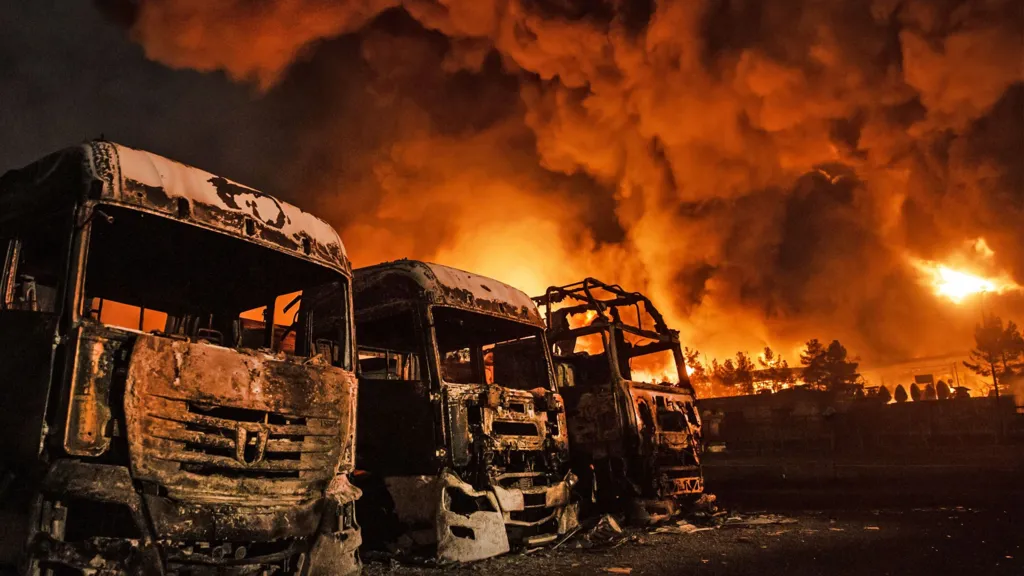
Global financial markets were thrown into turmoil on Monday as oil prices surged to their highest levels in years, prompting the Group of Seven (G7) nations to call an emergency meeting to address the rapidly escalating energy crisis. The meeting, set to take place later today, comes amid deepening instability in the Middle East following the US‑Israeli war with Iran, a conflict that has already disrupted vital energy infrastructure and halted shipping through one of the world’s most important oil routes.
The urgency of the situation was underscored by dramatic movements in global markets. Brent crude briefly soared above $119 a barrel in early Asian trading before settling around $107, while US West Texas Intermediate hovered at approximately $104. Gas prices also spiked sharply, with UK month‑ahead delivery contracts jumping nearly 25% at the start of trading. European and Asian stock markets responded with steep declines, reflecting investor anxiety over the potential for prolonged supply disruptions and rising inflation.

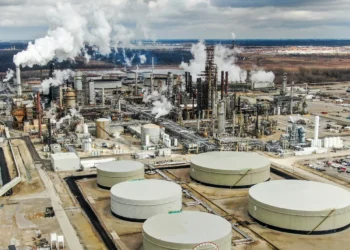
The G7 meeting will bring together finance ministers from the world’s leading industrialised economies, including UK Chancellor Rachel Reeves, to discuss coordinated measures aimed at stabilising energy markets. According to reports, one of the key proposals on the table is a joint release of petroleum reserves through the International Energy Agency (IEA). If approved, it would mark the first such coordinated release since 2022, when the West responded to Russia’s full‑scale invasion of Ukraine with emergency energy measures.
The current crisis has been triggered by a series of airstrikes across Iran, including attacks on major oil facilities in Tehran. The strikes, carried out by the United States and Israel, have severely disrupted Iran’s ability to export crude and have heightened fears of a broader regional conflict. Iran has retaliated by targeting energy infrastructure in neighbouring Gulf states, further destabilising the region’s already fragile supply chain. Saudi Arabia confirmed on Sunday that it had intercepted two waves of drones aimed at a major oilfield, underscoring the growing threat to regional production.
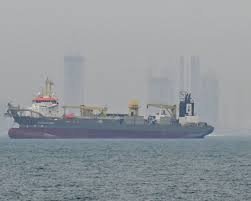
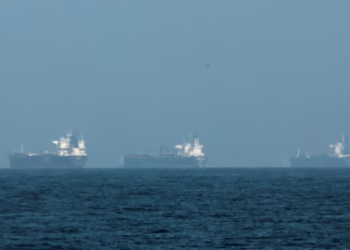
The Strait of Hormuz, a narrow waterway through which roughly one‑fifth of the world’s oil supply normally passes, has seen traffic grind to a near halt since the conflict began more than a week ago. The disruption has sent shockwaves through global markets, raising fears of a prolonged energy shortage that could push up prices for consumers and businesses worldwide. Analysts warn that rising inflation could force central banks to delay or reduce planned interest‑rate cuts, complicating economic recovery efforts in multiple countries.
The crisis has also coincided with a major political shift inside Iran. On Sunday, the country named Mojtaba Khamenei as its new supreme leader following the death of his father, Ayatollah Ali Khamenei, in a US‑Israeli strike. The appointment of Mojtaba, a hardline figure with close ties to Iran’s security establishment, has raised concerns that the conflict may intensify rather than de‑escalate in the coming days.
Stock markets across Asia and Europe reacted swiftly to the unfolding crisis. Japan’s Nikkei 225 plunged 5.2%, while South Korea’s Kospi fell 6%, triggering a temporary trading halt under the country’s circuit‑breaker mechanism. In Europe, Germany’s DAX and France’s CAC 40 both dropped around 2.5% in early trading. London’s FTSE 100 also saw widespread losses, with nearly all major stocks falling except for oil giants BP and Shell, which benefited from the surge in crude prices.
Economists say the market reaction reflects growing recognition that the conflict may not be resolved quickly. Adnan Mazarei of the Peterson Institute for International Economics noted that oil production has already been halted in several Gulf countries, and the signs of a prolonged confrontation are becoming increasingly clear. “People are realising that this won’t end quickly,” he said, adding that the assurances offered by the United States about the conflict’s objectives are “becoming more unrealistic.”
US President Donald Trump, however, has downplayed concerns about rising oil prices. In a post on his Truth Social platform, he argued that short‑term price spikes were a “very small price to pay” for eliminating what he described as the “Iran nuclear threat.” He insisted that prices would fall rapidly once the conflict’s objectives were achieved. Meanwhile, US Energy Secretary Chris Wright told broadcasters that Israel, not the United States, was responsible for targeting Iran’s energy infrastructure, amid growing domestic concern over rising fuel costs. According to data from AAA, the average price of regular gasoline in the US rose 11% last week to $3.32 per gallon.
The G7’s emergency meeting is expected to focus on several key issues: stabilising global oil supplies, coordinating reserve releases, and assessing the broader economic fallout from the conflict. Analysts say the group may also discuss potential diplomatic measures aimed at reducing tensions in the Middle East, though expectations for immediate breakthroughs remain low.

The stakes are high. A prolonged disruption in oil supplies could have far‑reaching consequences for global inflation, energy security, and economic growth. For countries heavily dependent on imported energy — including many in Europe and Asia — the crisis threatens to undermine fragile post‑pandemic recoveries. Businesses already grappling with rising costs may face further pressure, while households could see higher fuel and heating bills in the weeks ahead.
As the G7 prepares to meet, markets remain volatile and uncertainty continues to dominate investor sentiment. The outcome of today’s discussions will be closely watched by governments, businesses, and consumers around the world, all of whom are bracing for the possibility of further turbulence in the global economy.
Related News:
 Trump’s tariff strategy collapse sows global chaos and confusion
 Stock Markets and Oil Prices Still Volatile Over Fears Iran War May Drag On
 Modi’s London Visit Seals Historic UK-India Trade Pact Amid Global Tensions
 Historic Trade Milestone: India and UK Sign Landmark Free Trade Agreement to Deepen Economic Ties
 Rubio Calls Russian Oil Imports a Strain on India-US Relations
 China’s crackdown on civil servant perks sparks economic concerns
 Shein UK Faces Allegations of Shifting Majority of Profits to Singapore to Reduce UK Tax
 British AI Startup Outshines Human Forecasters in Global Prediction Contest
 Indian Court Deals Legal Setback to Elon Musk’s X in Free Speech Battle
 China warns UK over delayed London mega embassy decision
 Rachel Reeves to lead UK trade push in Saudi Arabia amid rights debate
 UPS Cargo Plane Crash in Kentucky Kills Seven
 US private equity set to acquire UK online retailer Very Group
 Switzerland Rolls Out Charm Offensive to Cut Trump’s 39% Tariffs
 China Gained Military-Tech Access Through UK Investments
 Canada Passes Carney’s First Budget in Tight Parliamentary Vote
 India’s Labour Law Overhaul Sparks Fierce Debate
 Carney’s Alberta Pipeline Deal Sparks Immediate Pushback
 Austrian Airlines Halts Tehran Flights Amid Political Unrest
 Trump Administration Probe of Fed’s Powell Draws Pushback
 Trading Day: Trump Crosses Fed Rubicon, Market Shrugs
 Mark Carney Walks Diplomatic Tightrope on China Visit
 Wall Street shaken by Trump tariff shock as markets tumble
 ‘Black Tax’: Burden, Pride and Survival for African Workers
 ‘Repatriate the Gold’: Germany Debates Bringing Reserves Home
 UK New Car Discounts Near £6,000 as Prices Are Slashed
 Cuban Cigar Festival Cancelled Amid US-Linked Energy Crisis
 Coles Discounts Under Fire in Federal Court
 Tourism Is Booming in 2026 — Just Not Where You Think
 Historic trade deals put India on global stage – but challenges remain
 Netflix and Paramount Are Battling for Warner Bros. — Who Is Likely to Win?
 Live Markets Bet on Spring Rate Cut as Inflation Falls
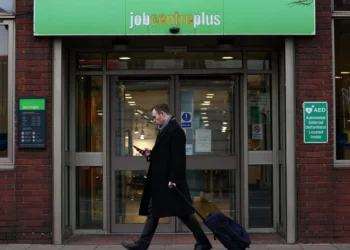 City Bets on Rate Cuts as Unemployment Soars
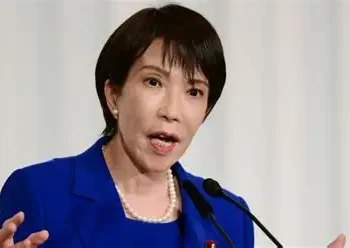 Japan Braces as Takaichi Begins New Term with Huge Mandate for Low‑Tax, Ultra‑Conservative Agenda
 The Chinese AI App Sending Hollywood Into a Panic
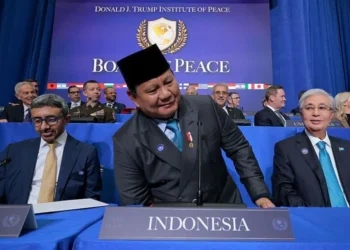 US and Indonesia Finalise Deal to Cut Tariffs to 19%
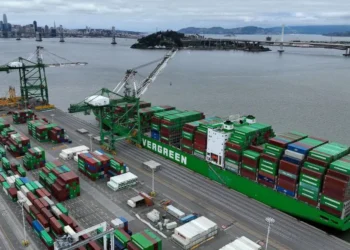 US Trade Deficit Hits Fresh High Despite Trump’s Tariffs
 The Two Farms in Senegal That Supply Many of the UK’s Vegetables
 Live Nation Sees Strong Ticket Sales as Monopoly Lawsuit Looms
 ‘We’re Still on Edge’: Toy Firms Look to US Supreme Court as Tariffs Hit Profits
 Etsy Sells Second‑Hand Fashion App Depop to eBay for $1.2bn
 Asos Co-Founder Dies After Thailand Balcony Fall
 Gold Fever Hits South Africa After Lucky Find in Cattle Pen
 How Budget Fast Fashion Is Taking Small‑Town India by Storm
 Uncertainties Loom for Businesses and Consumers After Trump’s Tariff Changes
 Trump Announces Global Tariffs to Rise to 15%
 ‘Hard to Keep Lights On’: Business Owners Cautiously Welcome Tariff Ruling
 Canada Eyes Trade Talks After US Supreme Court Tosses Trump Tariffs
 US Will Not Back Out of Tariff Deals with UK and Others, Says Trump Trade Representative
 Trump Tower Gold Coast to Redefine Skyline
 Rory Amon Trial: Alleged Victim Speaks in Court
 What Now for Asia After Trump’s Tariffs Were Struck Down?
 Ukraine war briefing: Russia exporting more oil now than before war despite sanctions – report
 Shein’s Elusive Boss Hails Chinese Roots in Rare Public Appearance
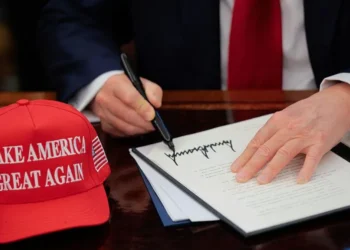 What Tariffs Has Trump Introduced and Why?
 Bill Gates ‘Took Responsibility’ Over Epstein Ties in Staff Meeting, Foundation Says
 Netflix Drops Warner Bros Bid, Clearing Way for Paramount Takeover
 Why Asian Firms Are Not Cheering Trump Tariff Ruling
 Why Asian Firms Are Not Cheering Trump Tariff Ruling
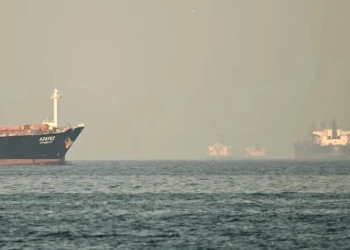 Oil Prices Rise After Ships Attacked Near Strait of Hormuz
 Flights Cancelled and New Travel Warnings Issued After Iran Strikes
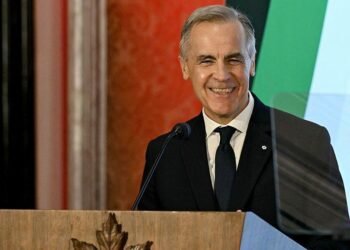 India and Canada Seal Series of Deals as Carney and Modi Reset Ties
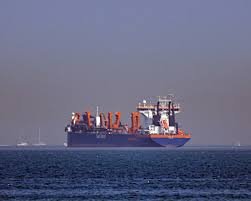 Oil Prices Surge as Iran War Jolts Markets
 Why Middle Managers Can’t Get a Job Anymore
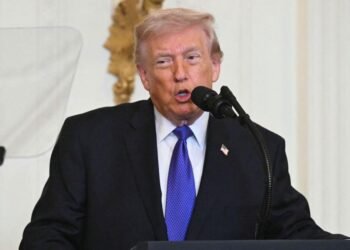 Tehran Makes New Threat to Gulf Shipping as US Says ‘Hardest Hits’ on Iran ‘Yet to Come’
 Limited Flights Leave UAE But Disruption Continues Amid Iran Strikes
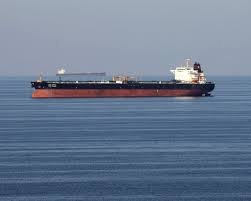 Gulf shipping crisis as war risk cover pulled
 The Little Town Making Nearly All of China’s Lanterns
 Bars Close and Hundreds Lose Jobs as US Firm Buys BrewDog in £33m Deal
 Global markets face turmoil as Hormuz crisis deepens
 China Sets Lowest Economic Growth Target Since 1991
 Millions of Cubans Plunged Into Darkness Amid Fuel Crisis
 The Rewilding Cash Grab Driving Farmers Off the Land
 Gulf shipping crisis sparks food price fears
 Could Trump Threaten London’s £50bn Insurance Giant?
 Fuel and Remittances: How Iran Conflict Hits India At Home
 Energy Firms Keep Fuel Price Hike ‘Under Scrutiny’
 US Eases Sanctions on Russian Oil Sales to India During Iran Conflict
 Oil Prices Surge Above $100 Amid Iran War
 G7 Weighs Emergency Oil Reserves as Prices Surge