Published: March 11, 2026
The English Chronicle Desk. The English Chronicle Online
The chief executive of one of the world’s largest shipping companies has told the BBC that the economic fallout from the ongoing war involving Iran will ultimately be passed on to everyday consumers through higher prices for goods and services. Vincent Clerc, head of Danish shipping giant Maersk, said sharply rising operational costs driven by the conflict are increasingly difficult for carriers to absorb without increasing charges for clients, with the burden likely to trickle down the supply chain and reach shoppers around the globe. ()

Clerc noted that traditional shipping contracts allow for fluctuations in fuel and other variable costs to be passed on to customers, and in the current situation this mechanism means that “these increases will pass to our customers and will pass on to the consumers.” Retailers and importers that depend on global maritime transport for products ranging from electronics to clothing are expected to face higher freight bills, which analysts say will feed into price increases on store shelves. ()
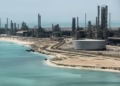
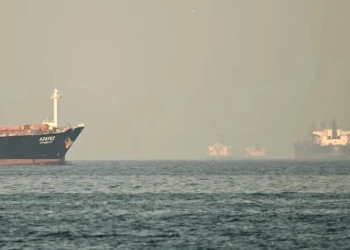
The war has disrupted two of the world’s most vital shipping routes. The Strait of Hormuz — a chokepoint through which around one fifth of global oil supply normally flows — has seen traffic largely halted amid threats to vessels and rising security risks, forcing many carriers to reroute ships around Africa’s Cape of Good Hope. These longer journeys add significant time and fuel costs to international trade. ()
In response to the geopolitical instability and elevated fuel costs, major carriers including Maersk and others have introduced emergency surcharges on freight contracts. In some cases these surcharges can add hundreds or even thousands of dollars to the cost of transporting a single container, with industry estimates suggesting freight rates on key trade routes have already risen by around 20–30 percent since the conflict escalated. ()
Shipping executives told authorities in Beijing that higher freight rates tied to disruptions from the war risk destabilising international trade, particularly for exporters in Asia that rely heavily on Gulf energy and supply chains. China’s transport ministry reportedly summoned representatives from several major carriers to discuss concerns about elevated costs affecting competitiveness. ()
The broader economic impact of the Iran war extends beyond shipping costs. Global oil prices have surged amid fears of prolonged disruption to Middle East energy exports, contributing to higher fuel prices at pumps and increased costs for air travel. Diesel and gasoline price rises are already squeezing logistics and trucking sectors, adding further pressure on supply chains and prices for consumers in numerous countries. ()
Economists warn that if the conflict persists, these cost pressures could feed into broader inflationary trends, raising food and consumer goods prices and contributing to slower economic growth. Some governments are assessing the risk of sustained higher energy and transport costs on national economies, with committees formed in countries such as Bangladesh to evaluate potential impacts. ()

Clerc urged a return to “freedom of navigation” and negotiated agreements to reopen key trade routes as a way to restore more normal shipping patterns. Without resolution, he said, the burden on global consumers through increased prices will remain a defining economic outcome of the conflict. ()
Related News:
 Trump’s tariff strategy collapse sows global chaos and confusion
 Stock Markets and Oil Prices Still Volatile Over Fears Iran War May Drag On
 G7 to Hold Emergency Oil Talks as Markets Plunge
 Gulf Oil Shock Sends Global Economic Ripples
 Modi’s London Visit Seals Historic UK-India Trade Pact Amid Global Tensions
 Historic Trade Milestone: India and UK Sign Landmark Free Trade Agreement to Deepen Economic Ties
 China’s crackdown on civil servant perks sparks economic concerns
 Shein UK Faces Allegations of Shifting Majority of Profits to Singapore to Reduce UK Tax
 British AI Startup Outshines Human Forecasters in Global Prediction Contest
 Indian Court Deals Legal Setback to Elon Musk’s X in Free Speech Battle
 China warns UK over delayed London mega embassy decision
 Rachel Reeves to lead UK trade push in Saudi Arabia amid rights debate
 UPS Cargo Plane Crash in Kentucky Kills Seven
 US private equity set to acquire UK online retailer Very Group
 Switzerland Rolls Out Charm Offensive to Cut Trump’s 39% Tariffs
 Canada Passes Carney’s First Budget in Tight Parliamentary Vote
 India’s Labour Law Overhaul Sparks Fierce Debate
 Carney’s Alberta Pipeline Deal Sparks Immediate Pushback
 Austrian Airlines Halts Tehran Flights Amid Political Unrest
 Trump Administration Probe of Fed’s Powell Draws Pushback
 Trading Day: Trump Crosses Fed Rubicon, Market Shrugs
 ‘Black Tax’: Burden, Pride and Survival for African Workers
 ‘Repatriate the Gold’: Germany Debates Bringing Reserves Home
 UK New Car Discounts Near £6,000 as Prices Are Slashed
 Cuban Cigar Festival Cancelled Amid US-Linked Energy Crisis
 Coles Discounts Under Fire in Federal Court
 Royal Mail Blames Poor Weather and Sickness for Delayed Deliveries
 Tourism Is Booming in 2026 — Just Not Where You Think
 Historic trade deals put India on global stage – but challenges remain
 Jet2 Hands Passengers Life Ban After Mid‑Air Brawl
 Netflix and Paramount Are Battling for Warner Bros. — Who Is Likely to Win?
 Live Markets Bet on Spring Rate Cut as Inflation Falls
 City Bets on Rate Cuts as Unemployment Soars
 Japan Braces as Takaichi Begins New Term with Huge Mandate for Low‑Tax, Ultra‑Conservative Agenda
 The Chinese AI App Sending Hollywood Into a Panic
 US and Indonesia Finalise Deal to Cut Tariffs to 19%
 US Trade Deficit Hits Fresh High Despite Trump’s Tariffs
 The Two Farms in Senegal That Supply Many of the UK’s Vegetables
 Live Nation Sees Strong Ticket Sales as Monopoly Lawsuit Looms
 ‘We’re Still on Edge’: Toy Firms Look to US Supreme Court as Tariffs Hit Profits
 Etsy Sells Second‑Hand Fashion App Depop to eBay for $1.2bn
 Gold Fever Hits South Africa After Lucky Find in Cattle Pen
 Uncertainties Loom for Businesses and Consumers After Trump’s Tariff Changes
 Trump Announces Global Tariffs to Rise to 15%
 ‘Hard to Keep Lights On’: Business Owners Cautiously Welcome Tariff Ruling
 Canada Eyes Trade Talks After US Supreme Court Tosses Trump Tariffs
 US Will Not Back Out of Tariff Deals with UK and Others, Says Trump Trade Representative
 Trump Tower Gold Coast to Redefine Skyline
 Storm Hernando: Edinburgh Airport Flights Cancelled in US Travel Chaos
 What Now for Asia After Trump’s Tariffs Were Struck Down?
 Ukraine war briefing: Russia exporting more oil now than before war despite sanctions – report
 Shein’s Elusive Boss Hails Chinese Roots in Rare Public Appearance
 What Tariffs Has Trump Introduced and Why?
 Bill Gates ‘Took Responsibility’ Over Epstein Ties in Staff Meeting, Foundation Says
 Netflix Drops Warner Bros Bid, Clearing Way for Paramount Takeover
 Why Asian Firms Are Not Cheering Trump Tariff Ruling
 Why Asian Firms Are Not Cheering Trump Tariff Ruling
 Oil Prices Rise After Ships Attacked Near Strait of Hormuz
 Flights Cancelled and New Travel Warnings Issued After Iran Strikes
 India and Canada Seal Series of Deals as Carney and Modi Reset Ties
 Oil Prices Surge as Iran War Jolts Markets
 Why Middle Managers Can’t Get a Job Anymore
 Tehran Makes New Threat to Gulf Shipping as US Says ‘Hardest Hits’ on Iran ‘Yet to Come’
 Limited Flights Leave UAE But Disruption Continues Amid Iran Strikes
 Gulf shipping crisis as war risk cover pulled
 Man Hospitalised After Serious Collision on A500
 The Little Town Making Nearly All of China’s Lanterns
 Bars Close and Hundreds Lose Jobs as US Firm Buys BrewDog in £33m Deal
 Global markets face turmoil as Hormuz crisis deepens
 China Sets Lowest Economic Growth Target Since 1991
 Millions of Cubans Plunged Into Darkness Amid Fuel Crisis
 The Rewilding Cash Grab Driving Farmers Off the Land
 Could Trump Threaten London’s £50bn Insurance Giant?
 Oil Prices Surge Above $100 Amid Iran War
 G7 Weighs Emergency Oil Reserves as Prices Surge
 Reeves Faces Triple Threat as Markets Reel From Global Turmoil
 Drivers Warned to Cut Journeys as Fuel Prices Surge
 Iran Rejects Ceasefire, Warns Trump With Chilling Message
 US Says 16 Iranian Mine Ships Destroyed in Hormuz
 Russia Seeks Gains as Iran War Reshapes Global Politics