Published: 11 March 2026 The English Chronicle Desk The English Chronicle Online – UK News
The UK could reach net zero emissions by 2050 for less than the cost of a single fossil fuel crisis, according to new analysis that challenges long‑standing political narratives about the financial burden of decarbonisation. The findings, released by the Climate Change Committee (CCC), argue that the transition to clean energy is not only economically viable but significantly cheaper than the volatility and financial shocks caused by continued reliance on oil and gas.

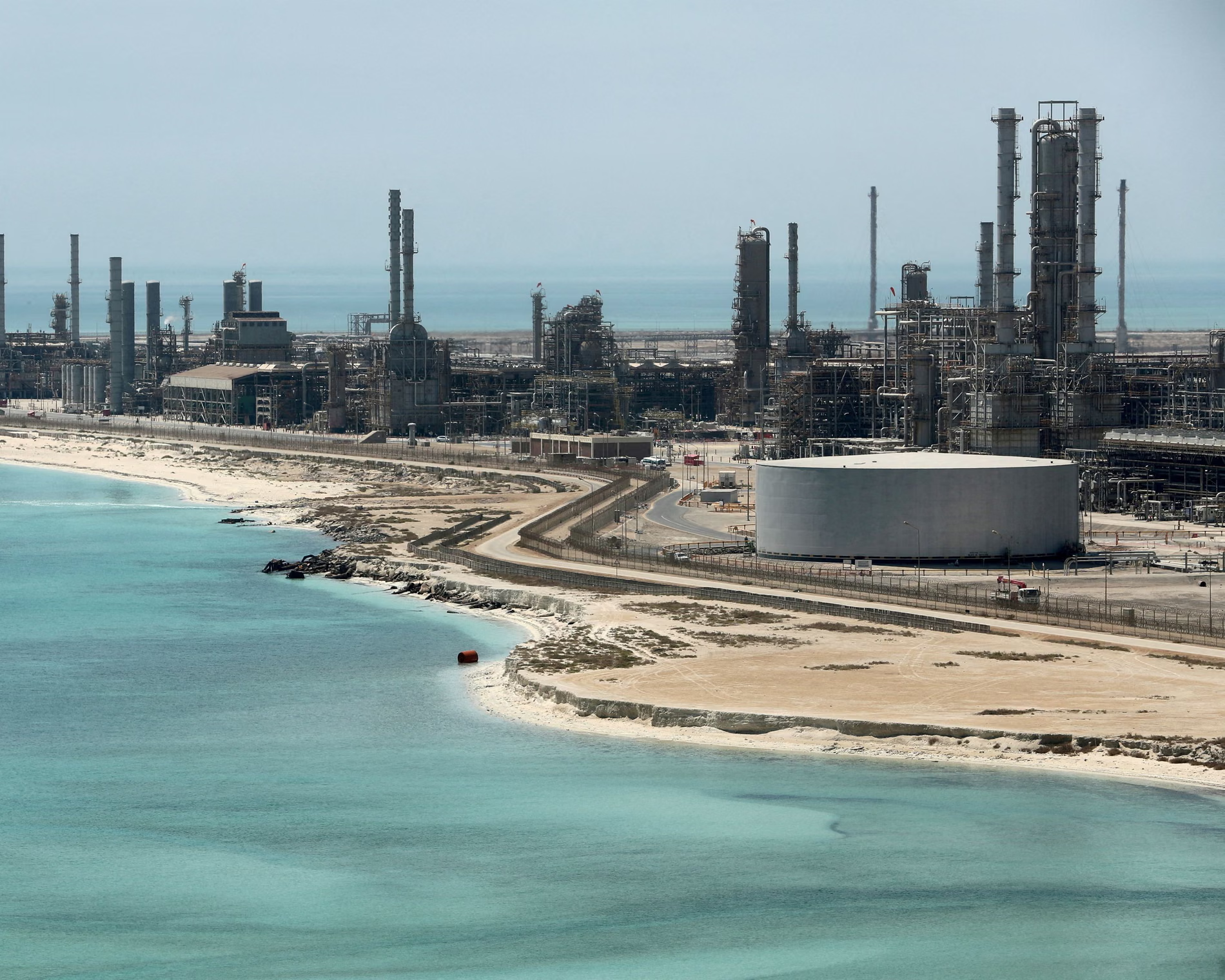
The report arrives at a critical moment for the UK’s climate strategy. With global energy markets once again destabilised by geopolitical tensions, the CCC warns that delaying the shift to renewables will expose households and businesses to repeated price spikes similar to those experienced during the 2022 gas crisis. That crisis, triggered by Russia’s invasion of Ukraine, sent wholesale gas prices soaring and pushed millions of families into fuel poverty. The committee’s new modelling suggests that even one such shock costs the UK more than the annual investment required to stay on track for net zero.
According to the CCC, the UK needs around £4bn of additional annual spending to meet its 2050 target—far less than the economic damage inflicted by a single fossil fuel price surge. The committee modelled a scenario in which a crisis similar to 2022 occurs once between now and 2040. If the UK continues to rely heavily on fossil fuels, the average household energy bill would rise by 59% during such a shock. But if the country accelerates its transition to clean energy, that increase would fall to just 4%.
The message is clear: the cost of inaction is far greater than the cost of decarbonisation.
The CCC’s latest pathway outlines how the UK can reduce emissions by 87% by 2040 compared with 1990 levels, with electrification playing a central role. The committee emphasises that decarbonising the electricity grid, expanding electric vehicle use and replacing gas boilers with heat pumps are essential steps. Globally, investment trends already favour this direction, with clean energy investment expected to reach $2tn in 2024—almost double the amount flowing into fossil fuels.
The report also highlights the economic opportunities of the transition. A stable, low‑carbon energy system would protect the UK from global fuel price shocks, strengthen energy security and create long‑term savings for households. The CCC argues that the UK’s current dependence on imported fossil fuels leaves it dangerously exposed to international crises, and that the only sustainable solution is to accelerate the shift to domestic renewable energy.
The findings directly challenge political claims that net zero is unaffordable or economically damaging. In recent years, some politicians have argued that the transition would impose excessive costs on households, businesses and the public purse. But the CCC’s analysis suggests the opposite: that failing to decarbonise will leave the UK more vulnerable, more dependent on volatile markets and ultimately facing higher long‑term costs.
The Guardian’s reporting on the CCC’s findings underscores the urgency of the moment. The UK is already behind on several key milestones, and the committee warns that without decisive action in the next few years, the 2050 target will slip out of reach. The report calls for immediate investment in renewable infrastructure, grid upgrades, home insulation and low‑carbon heating. It also urges the government to provide clear, stable policy signals to encourage private investment.
The economic case for net zero is strengthened by the growing competitiveness of renewable technologies. Solar and wind power are now among the cheapest sources of electricity in the world, and the cost of batteries and electric vehicles continues to fall. The CCC argues that the UK can capitalise on these trends by expanding domestic manufacturing, creating green jobs and reducing reliance on imported fuels.
However, the transition will require political will and public support. The committee stresses that while the long‑term benefits are clear, the short‑term costs must be managed carefully to ensure fairness. This includes targeted support for low‑income households, investment in skills and training, and measures to help workers in fossil fuel industries move into new sectors.
The CCC’s analysis also highlights the broader risks of continued fossil fuel dependence. Beyond economic volatility, the committee warns that failing to decarbonise will expose the UK to escalating climate impacts, including extreme weather, flooding and heatwaves. These events carry their own economic costs, from damage to infrastructure to lost productivity and increased pressure on public services.
The report’s release has sparked renewed debate in Westminster. Environmental groups have welcomed the findings, arguing that they reinforce the case for urgent action. Business leaders have also expressed support, noting that clear policy direction is essential for long‑term investment planning. Critics, however, continue to question the feasibility of the 2050 target and argue that the transition could impose burdens on consumers.
Yet the CCC’s modelling leaves little doubt: the cost of achieving net zero is dwarfed by the cost of failing to do so. The committee’s chair described the transition as “a once‑in‑a‑generation opportunity to build a more secure, resilient and prosperous economy.”

As the UK navigates a turbulent global energy landscape, the choice is becoming increasingly stark. The country can continue to rely on fossil fuels and face repeated crises, or it can invest in a cleaner, more stable future. The CCC’s message is unequivocal: net zero is not only achievable—it is the cheaper, safer and more responsible path.
The coming months will reveal whether the government is prepared to act on that advice. With the 2050 deadline approaching and the impacts of climate change accelerating, the stakes could not be higher. The UK now faces a defining moment in its energy and economic future, and the decisions made today will shape the country for decades to come.
Related News:
 What is Groundwater Flooding and Why Dorset is Seeing ‘Historical Highs’
 Dozens of Flood Warnings in England After Days of Non-Stop Rain
 Temperatures Dip Below Freezing as Arctic Air Sweeps Across the UK
 Fast-moving Wildfires Rage Across Southwestern US
 Brace for Trump’s Brave New World of 1.7°C Global Warming
 As Trump Retreats from Climate Goals, China Is Becoming a Green Superpower
 ‘The New Tobacco’: Cities Ban Fossil Fuel Adverts
 Scotland’s Climate Plans Face Scrutiny Over ‘Science Fiction’ Targets
 Ocean Warming Drives Massive Marine Life Loss, Study Warns
 Tropical Flowers Shift Blooming Due to Climate Crisis
 UK Winter Nowhere Near a Record Breaker Despite Floods and Storms
 UK Records Warmest Day of the Year as Temperatures Exceed 18 °C
 Conservation Budgets Hit by Increased Fly‑Tipping Costs
 Fuel and Remittances: How Iran Conflict Hits India At Home
 US Eases Sanctions on Russian Oil Sales to India During Iran Conflict
 “Enough is Enough”: Local MP Vows to Fight Rainham Quarry Plans
 ‘Extinct’ Antelope Returns to Sahara, Bringing Hope
 Red Squirrels Thrive in Highlands After Decade-Long Rescue
 Conservatives Pledge to Scrap 2030 Petrol and Diesel Car Ban
 UK Brings Forward Electric Vehicle Sales Review to Next Year
 UK Snow Forecast Arctic Blast to Bring Up to 11 Inches of Snow
 Eden Project Founder Celebrates 25 Years of Nature’s Hope
 Avocado Crisis: The Hidden Violence Behind Exports
 Smaller farms funding prioritised in England nature plans
 Local Fish Could Boost UK Health and Economy Significantly
 UK Weather: End of Cold Spell in Sight as Temperatures Rise
 Storm Goretti leaves Cornwall homes without power
 BP’s Influence Sparks Controversy in UK STEM Education
 Robo-Vaccination Could Transform Fight Against Bovine TB
 No Gas Boiler Ban as UK Warm Homes Plan Backs Heat Pumps
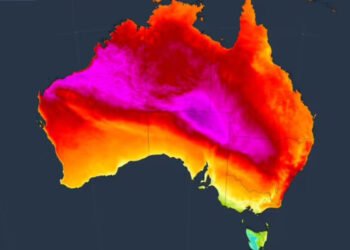 Record-Breaking Heat Looms Over South-East Australia as Catastrophic Fire Risk Escalates
 UK joins North Sea wind grid pact with nine European nations
 Devon hosts first high-density hydro power system
 US-Style Pickup Trucks Surge on UK Roads
 Reform UK Taps Boris Ally to Shape Party Nature Agenda
 James Valentine Retires from ABC After Cancer Battle
 South Africa’s Garden Route Gem Faces Looming Water Crisis
 Draft Severe Weather Plan Following Storm Flooding
 Wigan Dump Crisis Sparks Health and Safety Alarm
 Aberdeen Chosen for GB Energy HQ at Marischal Square
 Red Eyes and Black Beaches: Oil Spill’s Lasting Scars
 BRRRITAIN: Met Office Issues Yellow Weather Warning for More Snow
 Santos Wins Landmark Greenwashing Case in Court
 Gentoo Penguins First Birds on Australian Territory Hit by Bird Flu
 Moment Officers Rescue Injured Bald Eagle From Icy Hudson River
 Flooding May Worsen Before It Improves as More Rain Forecast for the UK
 Chikungunya Spread in Europe Climbs as Climate Warms
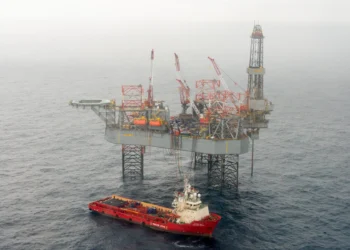 Shutting North Sea ‘Will Drive Up Carbon Emissions’
 Deer Shooting England: New Plan to Protect Woods
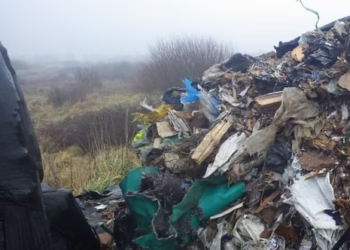 Illegal Waste Dumping: New Drone Unit Launched
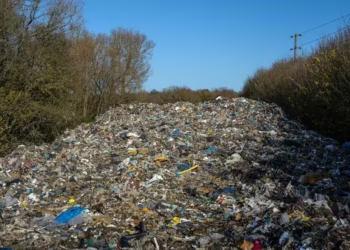 Fly-Tippers to Be Hunted by ‘Drone Squad’ in Crackdown from the Sky
 How Do You Modernise Mango Farming? India’s Growers Urged to Innovate as Climate Change Hits
 Tories Would Scrap ‘Debt Trap’ of High‑Interest Student Loans, Says Kemi Badenoch
 Storm Hernando: Edinburgh Airport Flights Cancelled in US Travel Chaos
 Victorian Bridge Could Be Saved by Traffic Ban
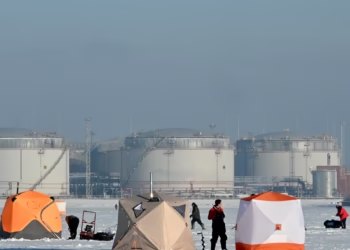 Ukraine war briefing: Russia exporting more oil now than before war despite sanctions – report
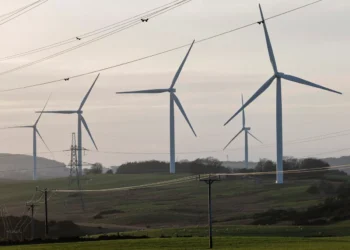 Scotland’s Emissions Plans Face Criticism for Over-Reliance on Technology
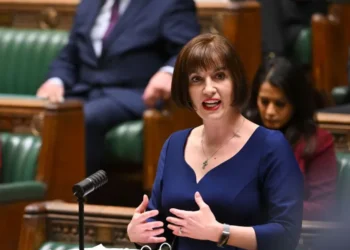 MPs Backed by Phillipson as She Defends Student Loan Change; Average Repayments to Rise by £8 a Month
 Germany Faces Backlash Over Scrapped Renewable Heating Mandate
 Group Expands Legal Claim Over South West Water Pollution
 Police Appeal After Goshawk ‘Brutally Shot’
 UK’s First Geothermal Plant Powers 10,000 Homes
 Greenpeace $345m Ruling Sparks Appeal Battle
 Miliband Says Climate Impact of Data Centres Is Uncertain
 Farmers on Edge as Record Rainfall Dampens Slurry Season
 Canada’s Finance Minister Says US Unlikely to Lift Tariffs
 Water Cremation Introduced in UK First
 China Sets Lowest Economic Growth Target Since 1991
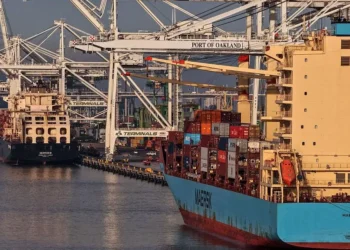 US Trade Court Orders Tariff Refunds in Setback for Trump Administration
 Wood burner legal threats spark council row
 Petrol Prices Soar as Retailers Accused of Gouging Amid Global Tension
 Could Trump Threaten London’s £50bn Insurance Giant?
 Study Says Only Two Nations May Survive Nuclear War
 Community farm appeal to cover thousands in repairs
 Irish economy grew strongly in 2025
 Guernsey Mother Breaks Down After £11,500 Battery Waste Fine
 Dramatic Rescue as Ice Shelf Detaches on Lake Huron
 Iran War Puts Trump at Political Risk Amid Rising Prices
 Net Zero Cheaper Than One Fossil Fuel Crisis, UK Told