Published: March 17, 2026
The English Chronicle Desk
The English Chronicle Online
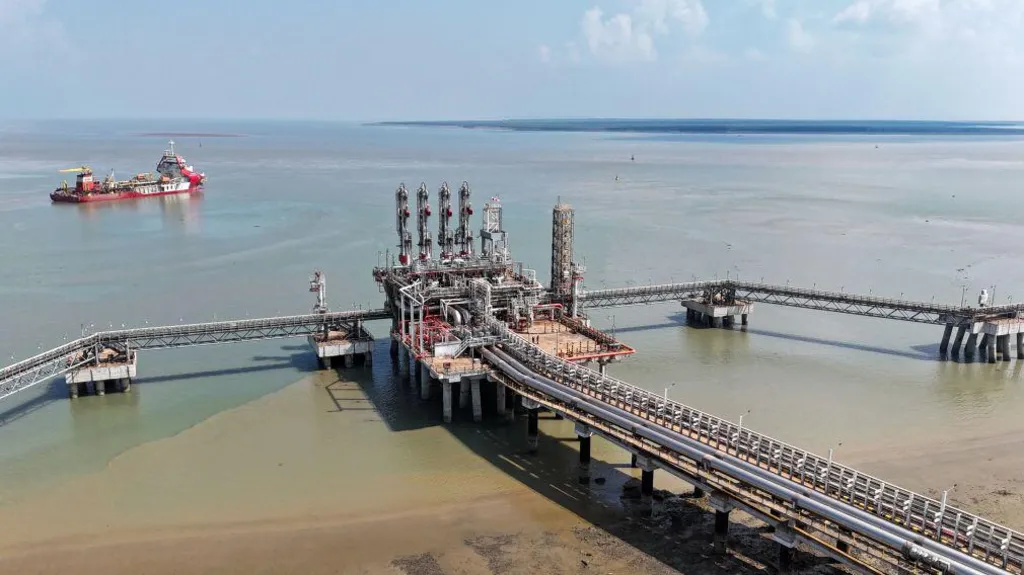
The escalating conflict involving Iran has intensified concerns over India’s energy security, particularly its reliance on imported natural gas and liquefied natural gas (LNG). With supply routes through the Strait of Hormuz disrupted, analysts are assessing whether piped gas supplies — including domestic city gas networks — could face sustained pressure.

India imports a significant portion of its natural gas requirements, with around 45–50% of consumption met through imports. Recent government disclosures indicate that approximately 25% of India’s natural gas imports have been affected by force majeure declarations linked to the West Asia conflict, prompting alternative procurement efforts. Officials have stated that contingency sourcing and supply diversification measures are underway to mitigate shortfalls.
The Strait of Hormuz remains the critical transit corridor for Gulf energy exports. It is especially important for India’s LNG imports from Qatar, the United Arab Emirates, and Oman. According to industry estimates, nearly 69% of India’s LNG imports depend on this maritime route, underscoring the concentration risk in the supply chain. Some assessments place LNG exposure to Hormuz-linked shipments at roughly two-thirds of total imports, even after accounting for supply adjustments.
The disruption has already had downstream effects. Reports indicate that LNG prices have risen sharply amid supply uncertainty, adding pressure to import costs and industrial margins. Higher global gas prices can translate into increased expenses for city gas distribution companies, fertiliser producers, and compressed natural gas (CNG) operators, potentially tightening margins across the value chain.
However, authorities have emphasised that domestic piped gas supplies remain prioritised for households and essential services. Government statements and fact-check advisories have clarified that while global tensions are influencing markets, there is no confirmed nationwide disruption to domestic PNG (piped natural gas) distribution. Strategic storage infrastructure and diversification measures are also part of India’s response framework to cushion potential shocks.
The broader energy picture suggests structural exposure rather than immediate systemic failure. India imports around 85–90% of its overall energy requirements, with a substantial share flowing through West Asian routes. Any prolonged disruption in the Strait of Hormuz could therefore influence not only LNG but also crude oil and related feedstocks, with ripple effects across inflation, fiscal balances, and industrial output.
For now, officials describe the situation as manageable, supported by alternative sourcing and emergency planning. Yet energy analysts caution that sustained volatility in the region could continue to affect pricing dynamics and supply security. The central question remains whether current mitigation strategies — diversification, storage expansion, and procurement from non-Middle Eastern suppliers — will be sufficient if the conflict endures.

India’s piped gas network, while not immediately at risk of shutdown, operates within a globally exposed energy system. The trajectory of the Iran conflict and the status of maritime flows through the Strait of Hormuz will likely determine whether pressure remains temporary or evolves into a longer-term structural challenge.
Related News:
 Uncertainties Loom for Businesses and Consumers After Trump’s Tariff Changes
 Why Asian Firms Are Not Cheering Trump Tariff Ruling
 Why Asian Firms Are Not Cheering Trump Tariff Ruling
 Gulf Oil Shock Sends Global Economic Ripples
 Live Markets Bet on Spring Rate Cut as Inflation Falls
 Trump Announces Global Tariffs to Rise to 15%
 ‘Hard to Keep Lights On’: Business Owners Cautiously Welcome Tariff Ruling
 Canada Eyes Trade Talks After US Supreme Court Tosses Trump Tariffs
 Trump’s tariff strategy collapse sows global chaos and confusion
 Canada’s Finance Minister Says US Unlikely to Lift Tariffs
 India and Canada Seal Series of Deals as Carney and Modi Reset Ties
 India and Canada Reset Ties with Landmark Nuclear Energy Deal
 China Sets Lowest Economic Growth Target Since 1991
 G7 to Hold Emergency Oil Talks as Markets Plunge
 China Exports Surge Despite Trump Tariffs
 US Launches Probe into Trading Partners Including EU, China, and India
 The Situation Is Dire: War on Iran Squeezes India’s Cooking‑Gas Supplies
 Oil Price Jumps Despite Deal to Release Record Amount of Reserves
 Sri Lanka Sets Weekly Shutdown to Save Fuel
 Canada-China trade gains momentum in new strategic partnership
 India-EU Free Trade Deal Marks Historic Economic Shift
 Keir Starmer meets Xi to strengthen UK-China economic relations
 UK Experts Raise Alarm Over Machinery Export to Armenian Firm
 Historic trade deals put India on global stage – but challenges remain
 City Bets on Rate Cuts as Unemployment Soars
 India Sentences Three Men to Death for Attack on Israeli Tourist and Hosts
 Japan Braces as Takaichi Begins New Term with Huge Mandate for Low‑Tax, Ultra‑Conservative Agenda
 US and Indonesia Finalise Deal to Cut Tariffs to 19%
 The Two Farms in Senegal That Supply Many of the UK’s Vegetables
 ‘We’re Still on Edge’: Toy Firms Look to US Supreme Court as Tariffs Hit Profits
 How Budget Fast Fashion Is Taking Small‑Town India by Storm
 US Will Not Back Out of Tariff Deals with UK and Others, Says Trump Trade Representative
 Trump’s new tariff takes effect at lower than expected rate
 German Chancellor Lands in Beijing for Inaugural China Trip
 Shein’s Elusive Boss Hails Chinese Roots in Rare Public Appearance
 What Tariffs Has Trump Introduced and Why?
 Canada Says U.S. Unlikely to Lift Tariffs Amid Ongoing Trade Tensions
 British Men Jailed for Smuggling Cocaine into Bali
 Why Middle Managers Can’t Get a Job Anymore
 Tehran Makes New Threat to Gulf Shipping as US Says ‘Hardest Hits’ on Iran ‘Yet to Come’
 The Little Town Making Nearly All of China’s Lanterns
 Tim Wilson Sells Out Controversial Share Market Bet
 Stock Markets and Oil Prices Still Volatile Over Fears Iran War May Drag On
 Could Trump Threaten London’s £50bn Insurance Giant?
 Iran War Raises Questions Over China’s Global Plan
 Fuel and Remittances: How Iran Conflict Hits India At Home
 Energy Firms Keep Fuel Price Hike ‘Under Scrutiny’
 Caffè Nero Warns Coffee Prices May Rise Again
 Reeves Faces Triple Threat as Markets Reel From Global Turmoil
 Cost of Living Crisis Returns to Centre Stage
 Iran Rejects Ceasefire, Warns Trump With Chilling Message
 Iran War Costs to Be Passed to Consumers, Shipping Boss Warns
 Abramovich Chelsea Sale Cash Faces Jersey Probe
 ‘Chippies Will Die Unless We Eat Cheaper Fish’
 Labour Plans Nuclear Investment Summit Days After Holyrood Election
 UK Fuel Tax Hike Plan to Be Kept Under Review Over Iran Conflict
 ‘Heating Oil Suppliers Are Holding Us to Ransom’ as Prices and Cancellations Surge
 Close Brothers to Axe 600 Jobs in £85m Cuts
 Post Office Scandal Compensation Tops £1 Billion as Victims Finally See Justice
 Big Pharma Investment Freeze Puts UK Life Sciences Sector Under Strain
 UK House Price Growth Slows as Buyers Exercise Caution Ahead of Autumn Budget
 Reeves Faces Setback as Labour May Miss Homes Target
 Trump’s UK Ambassador Urges North Sea Drilling to Strengthen US Ties
 Millionaires group urge Reeves to introduce wealth tax to ‘lift kids out of poverty’
 Starmer Says Labour’s Economic Plan Needs Years to Deliver
 Historic £100-Weekly Pension Boost Brings Relief for UK Mineworkers
 US Senate rejects resolution limiting Trump military powers
 US Dollar Hits Four-Year Low Amid Market Turmoil
 UK New Car Discounts Near £6,000 as Prices Are Slashed
 Pound Sinks and Borrowing Costs Rise as Starmer Fights for Job
 Major UK Clothing Firm Collapses into Administration — 109 Jobs at Risk
 BT Names New Openreach Chief Amid Major Fibre Expansion
 Is Dining Out Dying Out?
 Could Manchester Lead the UK’s Economic Revival?
 Lloyds Boss Accepts Concern Over Use of Staff Data in Pay Talks
 Indian University Kicked Out of AI Summit for Claiming Chinese Robot Dog as Its Own Invention
 AI Coding Firm’s ‘Pride’ at Business Award Win
 UK Job Vacancies Hit Five-Year Pandemic Low
 Drugs, Denial, Stigma: Fiji’s HIV Crisis Hits Children
 UK Youth Unemployment Surges Amid Tax Changes