Published: 22 March 2026. The English Chronicle Desk. The English Chronicle Online.
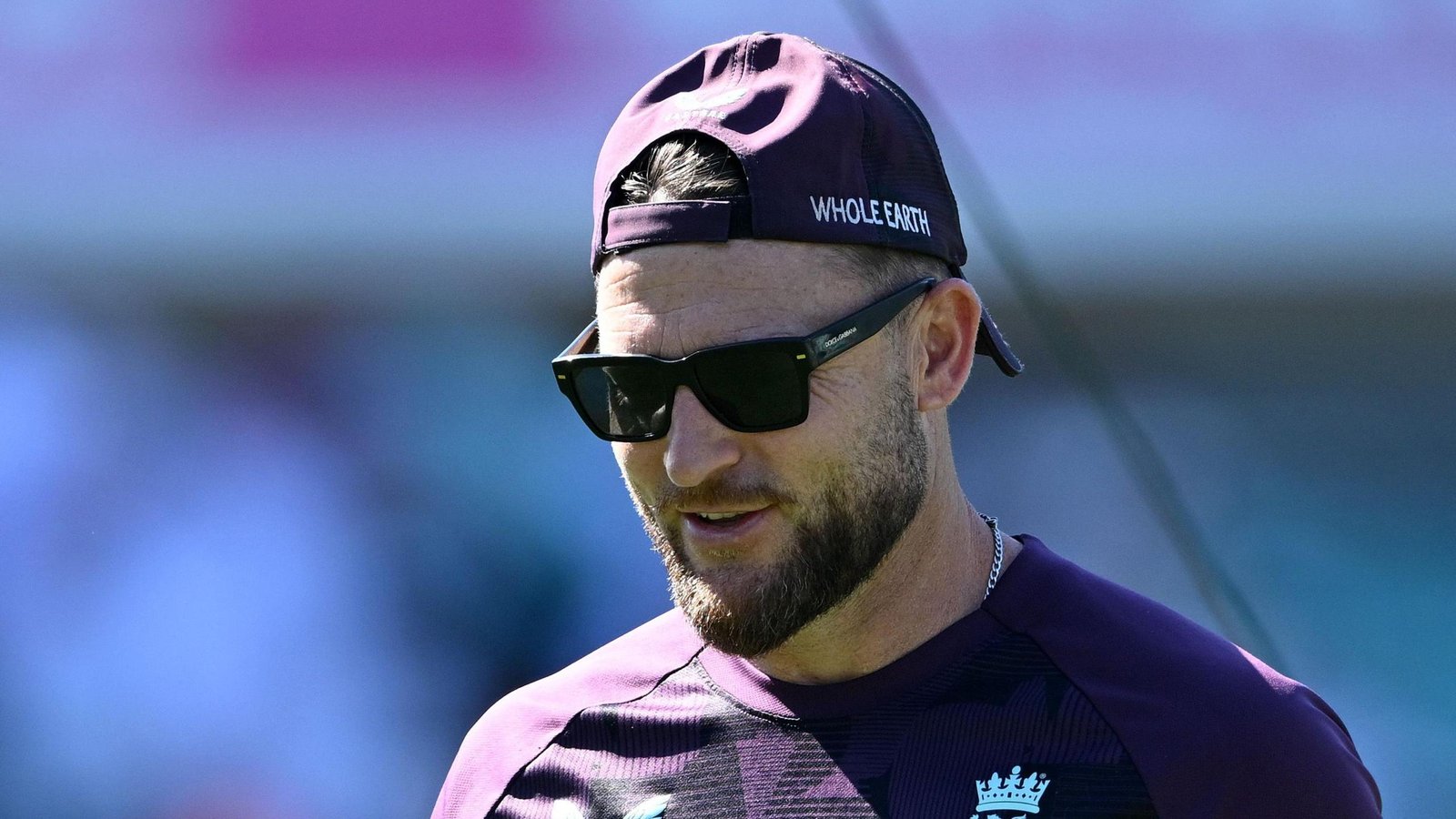
The landscape of English cricket currently finds itself at a significant and challenging crossroads today. Brendon McCullum remains the head coach of the Test team following a very difficult winter. His position was heavily scrutinized after the recent four-one Ashes defeat suffered by the national squad. The England and Wales Cricket Board has decided to maintain its faith in the coach. This decision comes despite the heavy losses and the mounting public pressure from many fans. Richard Gould and Rob Key will officially confirm this news to the media on Monday. They plan to explain why they believe McCullum is still the right man now. The primary focus for the management is improving the Ashes review outcomes for everyone. This comprehensive review highlights several critical areas where the national team must adapt and grow. The ECB believes that stability is necessary to rebuild the confidence of the players. Many observers felt a change was coming after the disappointing Twenty20 World Cup performance. However, the leadership team prefers to stick with their long-term vision for the game.
The path forward requires a much more disciplined approach to training and match preparation. McCullum has reportedly agreed to implement stricter rules for the players during future tours. A midnight curfew was already introduced during the recent tournaments in India and Sri Lanka. This change represents a significant shift from the more relaxed environment of previous years. The management expects this level of professional rigor to continue throughout the upcoming summer. Improving the culture within the dressing room is a major part of this plan. The Ashes review emphasized that physical and mental readiness was lacking during the series. England often looked unprepared for the intense pressure of playing against a strong Australia. The coach must now prove that he can balance freedom with necessary team discipline. This new strategy aims to prevent the lapses in concentration seen in recent months. Fans are hopeful that these adjustments will lead to more consistent winning performances soon.

A major point of contention involves the relationship between England and the domestic counties. Many county coaches feel that the national setup has become far too isolated lately. They believe that the bridge between domestic success and international selection is currently very weak. This disconnect has led to feelings of frustration among the eighteen first-class cricket clubs. The ECB has made it clear that McCullum must work harder on these bonds. Building trust with county directors is essential for the long-term health of the sport. The Ashes review noted that several counties felt marginalized by recent selection decisions made. Gareth Batty of Surrey recently expressed his concerns about the current pathway for players. He suggested that the route to the England team has become increasingly misted over. Even a successful club like Surrey feels the strain of this growing systemic gap. Better communication is required to ensure the best talent is identified and nurtured properly.
Rob Key has already started taking steps to address these significant structural concerns this week. He has invited all eighteen county directors of cricket to a meeting at Lord’s. This gathering will serve as a platform to discuss the future selection strategy openly. Ed Barney, the performance director, will also participate in these important tactical discussions soon. The goal is to create a more transparent and collaborative environment for all parties. Every county needs to feel that their contribution to the game is valued highly. The Ashes review suggested that a unified approach is vital for international success now. Without the support of the counties, the national team lacks a strong foundation. This meeting represents a symbolic olive branch from the central leadership at the ECB. It is a chance to align the interests of the clubs and England. Success on the world stage depends on a flourishing and respected domestic cricket system.
The search for a new national selector is also currently underway by the board. Luke Wright recently stepped down from the role due to his own personal reasons. His departure has left a vacancy that requires a very careful and considered appointment. The new selector will play a pivotal role in shaping the future squad lists. They must work closely with McCullum to find the right balance of players. This individual will also act as a key link to the county game. The Ashes review indicated that selection consistency was a major issue during the tour. Some players were chosen despite having very little recent match practice in red-ball cricket. Others were overlooked despite having excellent records in the County Championship for their clubs. The new selector must address these perceived biases to regain the trust of players. A fresh perspective could be exactly what the selection panel needs to move forward.
The financial and emotional investment in the England team remains incredibly high for the public. Supporters want to see a team that reflects the strength of the English game. The Ashes review provides a roadmap for the necessary changes required over the months. McCullum knows that his reputation is on the line during the next home series. He must demonstrate that he has learned from the mistakes made in Australia. The aggressive style of play known as Bazball has faced its first real crisis. While it brought many early successes, it struggled against a disciplined and patient opponent. Adapting this style without losing its core spirit will be a difficult task. The coach needs to show that he is capable of tactical flexibility when required. Cricket fans are generally patient but they expect to see clear signs of progress. The upcoming summer will be a true test of this new collaborative approach.

In addition to tactical changes, the physical fitness of the fast bowlers is vital. England suffered several injuries to key players at the worst possible times during winter. The Ashes review called for a more robust medical and conditioning program for bowlers. Managing the workload of star players is a constant challenge for the medical staff. The county system can help by providing more data on young emerging fast bowlers. If the relationship improves, England can manage their resources much more effectively than before. This holistic view of player development is a core part of the recovery. Every aspect of the game is being examined to find even small marginal gains. The ECB is committed to providing the resources needed to reach the top. However, the responsibility for results ultimately lies with the players and the coaches. They must deliver on the field to justify the continued support of management.
As the new season approaches, the atmosphere is one of cautious optimism and resolve. The decision to keep McCullum shows a desire for continuity rather than sudden panic. However, the conditions attached to his stay are quite specific and very demanding. He must prove that he can be a team player within the wider structure. The days of the national coach acting as an independent entity are likely over. Total alignment with the ECB’s strategic goals is now a mandatory requirement for him. The Ashes review has set the standards that the team is expected to meet. If these goals are not achieved, the pressure for change will surely return. For now, the focus is on the meeting at Lord’s and the future. English cricket needs a period of harmony and hard work to move forward successfully. The world will be watching to see if these new promises are kept. Only time will tell if this strategy will bring the urn back home.
Related News:
 Ben Stokes injury joke after brutal ball strike
 England Too Careful in Windies Defeat
 Buttler Eyes Vital Run Surge as England Face New Zealand
 India T20 World Cup Triumph Seals Historic Title Defence
 Father and Son Score Record 590 Run Partnership
 Sarr Double Sinks Young Liverpool in Carabao Cup
 Salah & Gravenberch Lead Liverpool to Win Against Villa
 Granit Xhaka Rescue Earns Everton Draw at Sunderland
 Burn and Joelinton Head Newcastle to Victory Over Bilbao
 Tension and Turmoil at Aston Villa v Maccabi Match
 Bellingham has ‘the edge’ among England No 10s
 Man City Masterclass on Guardiola’s Milestone Day Exposes Liverpool Woes
 Lando Norris Dominates Brazil GP to Strengthen F1 Title Bid
 VAR Must Rein Its Neck In to Save Football’s Spirit
 Trescothick Hints Pope Will Keep Number Three Spot
 Mary Earps’s Manchester United Return Faces Mixed Reception
 Sam Kerr Stars in Chelsea Return with Champions League Double
 UK and Ireland Announce Venues for Euro 2028 Tournament
 Saka Solidifies Role as Tuchel’s Key England Lieutenant
 Former Lion Heskey Warns of Shortage of England Strikers
 Australia Mourns Paralympic Champion Paige Greco
 Irish Hero Parrott Says Goal Brought First Tears in Years
 From heartbreak to glory: Scotland’s dramatic return to the World Cup
 Tiny Curacao Makes History as Smallest Nation to Reach World Cup
 Haiti Qualifies for World Cup Despite Coach Never Visiting Country
 Barcelona Returns to Camp Nou vs Athletic Bilbao
 Moyes Defends Gueye After Dramatic Everton Bust-Up
 Mbappe Scores 4 as Real Madrid Edge Olympiakos
 Man City Lose, Champions League Risk
 Jac Morgan to Miss Six Nations Start After Surgery
 Barcelona, Atletico set for decisive La Liga showdown
 Maxwell withdraws from IPL 2026 after 13 seasons
 Mbappe stars as Real Madrid thrash Athletic, close on Barca
 Australia Face Big Changes as Cummins and Lyon Ruled Out of Ashes
 Van de Ven Tackle Leaves Isak with Fractured Leg
 City Set to Land Semenyo After Chelsea Exit from Transfer Race
 ECB powerless to halt England’s recurring Ashes failures
 Stokes urges empathy for England players amid Ashes struggles
 Damien Martyn in Induced Coma After Meningitis Diagnosis
 Spin Bowling Struggles as Pace Dominates 2025 Ashes Series
 Anthony Joshua Released After Nigeria Car Crash
 Chelsea Sack Looms: Enzo Maresca Relationship Collapses
 Africa’s Superpowers Shine in Cup of Nations Quarter-Finals
 Amorim’s United Future Uncertain Amid Wilcox Tension
 Raducanu Battles Injury as Britain Exit United Cup
 Australia Dominates England: Smith, Head Crush Bowlers in Sydney
 Australian Open Prize Money Hits Record $111.5m
 Manchester United Fan Group Targets Jim Ratcliffe Over Club Chaos
 Morocco sail into Afcon semis after Díaz inspires win
 Salah Shines as Egypt Knock Out Ivory Coast at Afcon
 Israeli fans ban questioned after Dutch police dispute evidence
 Geopolitical football: Iran, Trump and the World Cup clash
 Regragui condemns Afcon final chaos after dramatic defeat
 Brahim Díaz’s Panenka Fail Highlights Penalty Risks
 ‘A long time coming’: US table tennis finds its moment
 Mbappé’s Late Penalty Lifts Real Past Nine-Man Rayo
 Women’s FA Cup Could Introduce Seeded Teams from Last 32
 Yamal and Rashford Shine as Barcelona Reach Copa Semis
 Newcastle fans face bleak reality under Saudi ambitions
 ICC Men’s T20 World Cup – Everything You Need to Know
 ‘Scrutiny and Pressure on Irish Has Reached New Level’ — Rugby Faces Brutal Spotlight After France Defeat
 Hugo Ekitike Becomes Liverpool’s New Cult Hero
 Infantino Faces Russia Threat and Trump Concerns at Uefa Congress
 Gower, Waugh and Gavaskar Among Cricket Legends Calling for Imran Khan to Receive Proper Medical Care
 ‘I Won’t Bat for Myself to Correct Form’ – Buttler
 Hilary Knight speaks out on Trump’s recent hockey remarks
 Champions League Thrills as Atalanta and Galatasaray Advance
 English Cricket Faces Moral Crisis Over Indian Investment
 The Norwegian Secret to Dominating the Winter Olympics
 Manchester United Face Huge Bill After Ruben Amorim Exit
 Birmingham City Owners Eye Expansion Into Rugby Union
 Port Vale Shock Sunderland in Historic FA Cup Win
 Abramovich Chelsea Sale Cash Faces Jersey Probe
 Cho Stuns Forest as Midtjylland Triumph in the Rain
 Crystal Palace Face Fresh Frustration Against Larnaca
 Iranian Captain Departs Australia Amid Asylum Tension
 Iran World Cup Move Talks Raise Global Concerns
 Japan Triumphs 1-0 Over Australia to Claim Women’s Asian Cup
 How Seven Premier League Teams Could Qualify for UCL
 Sunderland Stun Newcastle as Brobbey Strikes Late Winner