Published: 26 March 2026. The English Chronicle Desk. The English Chronicle Online.
The upcoming 2026 World Cup was expected to be a global celebration of footballing excellence but a newly expanded policy from the Trump administration has cast a significant shadow over the festivities for many. Travelers from five specific World Cup-qualified countries may now be required to front a substantial visa bond of up to $15,000 just to step onto American soil for the tournament. This requirement acts essentially like a high-stakes security deposit and is intended to be a one-time payment that the government refunds only after a traveler exits the United States under the strict terms of their legal stay. These financial amounts generally fluctuate between $5,000 and $15,000 and are specifically required for passport holders from certain nations who are seeking to enter the country legally under B-1 or B-2 visas. These are the exact visa types that are required for the thousands of international business travelers and tourists who were planning to follow their national teams across the Atlantic this summer.
The United States State Department has quietly maintained these bonds since it first launched a specialized pilot program back in late 2025. This initiative originally targeted many of the same nations that were previously affected by the controversial Trump travel ban but it has recently grown to include a much wider array of territories. The program now largely focuses on travelers coming from various parts of Africa and the Middle East as well as specific regions in Latin America and Asia. Just last week the State Department officially announced a massive expansion of this program which means that visitors from fifty different countries are now required to submit these heavy deposits if they are asked to do so by a US consulate during their interview. This creates a massive hurdle for the average football fan who simply wants to witness the beautiful game in person.

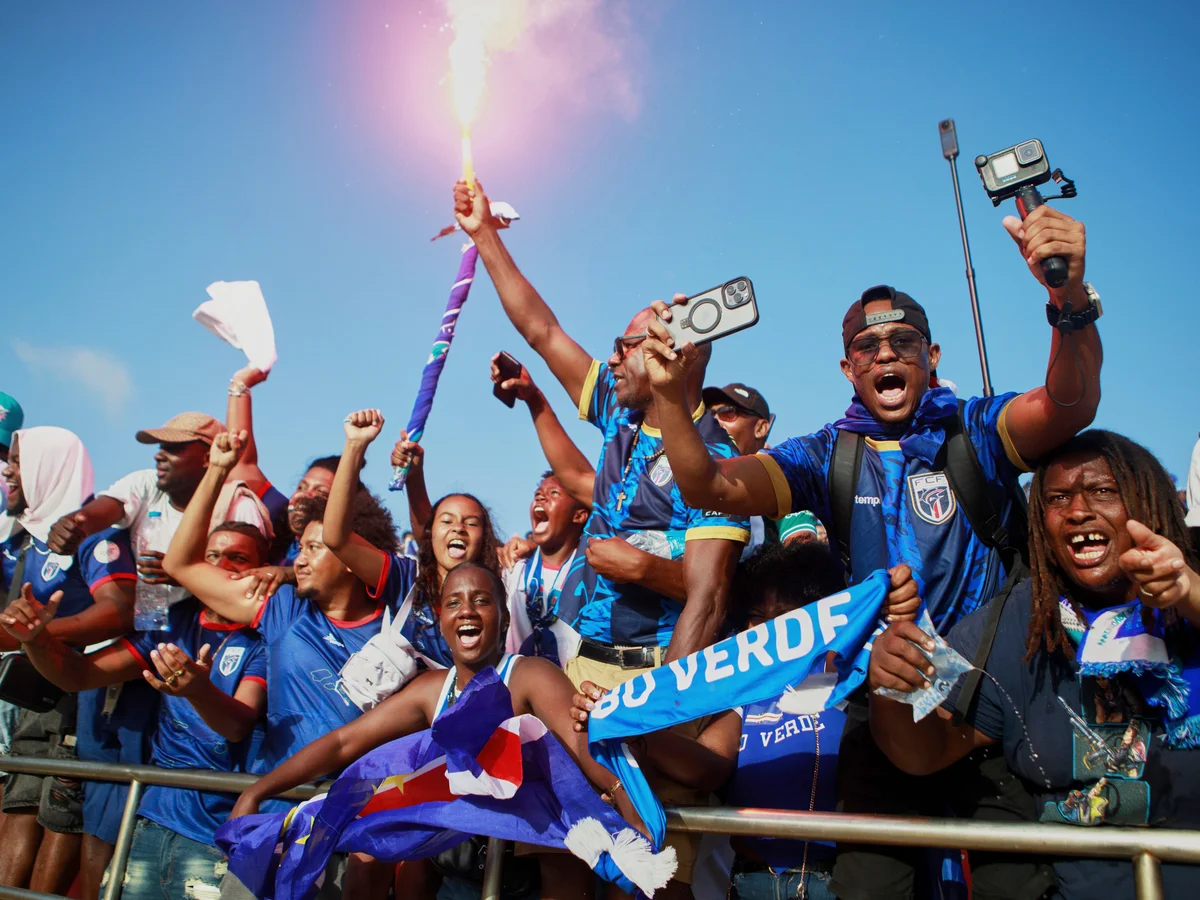
Of the fifty countries currently listed in this expanded policy five have successfully qualified for the prestigious World Cup tournament and notably all five of them are located on the African continent. Fans from Algeria and Cape Verde along with those from Côte d’Ivoire and Senegal and Tunisia now find themselves in a difficult position as they try to navigate these new financial demands. While the government maintains that the visa bond is technically refundable the sheer upfront cost of the payment is often enough to make any planned travel to the United States entirely prohibitive. This is especially true for many fans from these specific nations where the average annual income levels frequently sit at approximately $5,000 per year or even less in some rural areas. For a family of four the financial burden could easily reach $60,000 which is an impossible sum for the vast majority of working-class supporters.
The logistical planning for these teams also highlights the uneven nature of the tournament’s hosting duties across North America. Tunisia is currently scheduled to play only one of its group-stage games within the United States while its other two matches will take place in the relative safety of Mexico. Meanwhile both Senegal and Côte d’Ivoire are set to play twice in the United States and once in Canada. In contrast the teams from Algeria and Cape Verde will play all three of their group-stage games in Mexico where such restrictive financial policies are not currently in place. This discrepancy means that some fans will only need to worry about the visa bond for a single match while others will have to risk their life savings just to see their team progress through the opening round.
Even if some wealthy fans find the multi-thousand dollar requirement affordable the new rule remains a significant headache to add to an already long list of potential complications. Supporters from these five African nations are already dealing with record-high ticket prices for the games themselves which have been driven up by massive global demand. Furthermore the hotel prices in major host cities have climbed to levels that are far above the seasonal average making even a short stay an expensive endeavor. When combined with the ongoing reports of visa processing delays at various embassies it becomes clear that the path to the stadium is becoming increasingly narrow. There is also a growing concern regarding potential safety issues created by the visible presence of federal immigration officers from agencies like ICE in major American urban centers during the tournament.
The confusion surrounding these rules is deepened by the lack of clarity regarding which entities might be exempt from paying the visa bond before they travel. While previous iterations of various travel bans have contained specific exemptions for professional athletes and high-ranking officials participating in major international sporting events like the World Cup this specific program currently contains no such written exemption. This leaves the door open for a scenario where even the players themselves or their coaching staff could be asked to provide financial guarantees before they are allowed to represent their nations on the pitch. Such a move would be unprecedented in the history of the modern World Cup and would likely lead to significant diplomatic tension between the United States and the competing football federations.
Football is often described as a sport that belongs to everyone but these new financial barriers suggest a different reality for fans from the Global South. The requirement of a visa bond essentially creates a two-tiered system for international spectators where the ability to attend a match is determined as much by the thickness of a wallet as it is by a passion for the team. International observers have noted that these policies could lead to half-empty stadiums during games featuring the affected African nations as the usual sea of vibrant colors and rhythmic drumming provided by their supporters may be missing. This would not only dampen the atmosphere of the event but also strip the tournament of the cultural diversity that makes it such a unique global spectacle every four years.
As the clock ticks toward the opening ceremony the pressure is mounting on organizers to find a solution that balances national security concerns with the inclusive spirit of international sport. The 2026 World Cup is set to kick off on 11 June and will culminate in a final match taking place on 19 July at the MetLife Stadium in East Rutherford New Jersey. With the eyes of the world turning toward North America the implementation of the visa bond serves as a stark reminder of the shifting political landscape. For the fans in Dakar and Algiers and Tunis the dream of seeing their heroes play on the world stage now depends on whether they can navigate a complex and expensive legal system. The next few months will be crucial in determining if the United States remains an accessible destination for the global football community or if the gates will remain closed to those who cannot afford the price of entry.

The impact of this policy extends beyond the individual fans as it also affects the local businesses in host cities that were counting on a diverse influx of international visitors. Restaurant owners and tour operators and souvenir vendors all stand to lose if thousands of fans are forced to cancel their trips due to the visa bond requirement. This economic ripple effect highlights how immigration policy and international commerce are deeply intertwined during mega-events. While the administration argues that these measures are necessary to prevent visa overstays critics suggest that the low rate of overstays among World Cup attendees does not justify such a broad and penalizing financial mandate. As the tournament draws near the debate over these bonds is likely to intensify across the global media landscape.
Despite these challenges the spirit of the fans remains resilient as many continue to look for alternative ways to support their teams from afar. Online forums and social media groups are already filled with discussions on how to navigate the new rules or how to organize viewing parties in neighboring countries like Mexico and Canada. The visa bond may be a formidable obstacle but the passion for football has a way of finding a path through even the toughest barriers. Whether through official diplomatic channels or grassroots fan activism the hope remains that the stands will be filled with the diverse voices that have always defined the World Cup. For now the world watches and waits to see if a compromise can be reached before the first whistle blows in June.
Related News:
 Geopolitical football: Iran, Trump and the World Cup clash
 Infantino Faces Russia Threat and Trump Concerns at Uefa Congress
 Abramovich Chelsea Sale Cash Faces Jersey Probe
 Salah & Gravenberch Lead Liverpool to Win Against Villa
 Granit Xhaka Rescue Earns Everton Draw at Sunderland
 Bellingham has ‘the edge’ among England No 10s
 Man City Masterclass on Guardiola’s Milestone Day Exposes Liverpool Woes
 VAR Must Rein Its Neck In to Save Football’s Spirit
 Mary Earps’s Manchester United Return Faces Mixed Reception
 Sam Kerr Stars in Chelsea Return with Champions League Double
 UK and Ireland Announce Venues for Euro 2028 Tournament
 Saka Solidifies Role as Tuchel’s Key England Lieutenant
 Former Lion Heskey Warns of Shortage of England Strikers
 Tiny Curacao Makes History as Smallest Nation to Reach World Cup
 Haiti Qualifies for World Cup Despite Coach Never Visiting Country
 Moyes Defends Gueye After Dramatic Everton Bust-Up
 Mbappe Scores 4 as Real Madrid Edge Olympiakos
 Barcelona, Atletico set for decisive La Liga showdown
 Australia Face Big Changes as Cummins and Lyon Ruled Out of Ashes
 Van de Ven Tackle Leaves Isak with Fractured Leg
 City Set to Land Semenyo After Chelsea Exit from Transfer Race
 ECB powerless to halt England’s recurring Ashes failures
 Stokes urges empathy for England players amid Ashes struggles
 Damien Martyn in Induced Coma After Meningitis Diagnosis
 Spin Bowling Struggles as Pace Dominates 2025 Ashes Series
 Anthony Joshua Released After Nigeria Car Crash
 Africa’s Superpowers Shine in Cup of Nations Quarter-Finals
 Raducanu Battles Injury as Britain Exit United Cup
 Australia Dominates England: Smith, Head Crush Bowlers in Sydney
 Australian Open Prize Money Hits Record $111.5m
 Capitol Attack Anniversary Sparks Deep Political Divide
 Saudi Officials Report Zubaidi Flee Before Yemen Peace Talks
 UK Targets in New York Bomb Threat Hoax: Man Jailed
 Manchester United Fan Group Targets Jim Ratcliffe Over Club Chaos
 Gambia Supreme Court Hears Case to Overturn FGM Ban
 Morocco sail into Afcon semis after Díaz inspires win
 Israeli fans ban questioned after Dutch police dispute evidence
 Trump targets Iran trade with 25% tariff warning
 US Senate rejects resolution limiting Trump military powers
 Gulf states warn Trump Iran strikes risk wider Middle East war
 Machado Trump medal gesture reshapes Venezuela power struggle
 Greenland defence seen as shared Nato duty amid troop arrivals
 Canada-China trade gains momentum in new strategic partnership
 Trump Receives Machado’s Nobel Medal in White House Meeting
 Syria President Declares Victory as Ceasefire Reached with SDF
 Regragui condemns Afcon final chaos after dramatic defeat
 Brahim Díaz’s Panenka Fail Highlights Penalty Risks
 Shinzo Abe’s killer receives life sentence in Japan
 China General Under Investigation Amid Leadership Purge
 Philippines ferry disaster leaves 15 dead, dozens missing
 Cambridge Faces Scrutiny Over Arms Investment Transparency
 Mbappé’s Late Penalty Lifts Real Past Nine-Man Rayo
 Women’s FA Cup Could Introduce Seeded Teams from Last 32
 Yamal and Rashford Shine as Barcelona Reach Copa Semis
 Epstein UAE Emails Shake British Royal Andrew’s Legacy
 ‘Scrutiny and Pressure on Irish Has Reached New Level’ — Rugby Faces Brutal Spotlight After France Defeat
 Hugo Ekitike Becomes Liverpool’s New Cult Hero
 Christchurch gunman seeks to vacate guilty plea
 Concerns rise for Canberra boy amid Iran detention fears
 Gower, Waugh and Gavaskar Among Cricket Legends Calling for Imran Khan to Receive Proper Medical Care
 ‘I Won’t Bat for Myself to Correct Form’ – Buttler
 Caribbean Leaders Urge Dialogue Amid US Oil Embargo on Cuba
 Hilary Knight speaks out on Trump’s recent hockey remarks
 Champions League Thrills as Atalanta and Galatasaray Advance
 English Cricket Faces Moral Crisis Over Indian Investment
 The Norwegian Secret to Dominating the Winter Olympics
 Manchester United Face Huge Bill After Ruben Amorim Exit
 Birmingham City Owners Eye Expansion Into Rugby Union
 India T20 World Cup Triumph Seals Historic Title Defence
 Port Vale Shock Sunderland in Historic FA Cup Win
 Ukraine Sends Drone Experts to Defend US Bases in Jordan
 Cho Stuns Forest as Midtjylland Triumph in the Rain
 Yvette Cooper: UK Must Follow Principles, Not US Pressure
 Iranian Captain Departs Australia Amid Asylum Tension
 Iran World Cup Move Talks Raise Global Concerns
 Japan Triumphs 1-0 Over Australia to Claim Women’s Asian Cup
 Sunderland Stun Newcastle as Brobbey Strikes Late Winner
 McCullum Faces Pressure to Bridge England County Gap
 Slovenia Election: A Nation at a Crossroads
 Jury Rules Meta and YouTube Liable for Addictive Design