Published: March 30, 2026. The English Chronicle Desk.
The English Chronicle Online — Independent, Insightful, Global.
Global energy markets have been jolted by a fresh wave of volatility as the conflict in Iran enters its second month, sending Brent crude prices soaring past $115 a barrel on Monday morning. The surge follows a weekend of significant military escalation, including the entry of Yemen’s Houthi rebels into the fray with missile strikes on Israel and fresh threats from Tehran to broaden its retaliatory targets to include US and Israeli officials’ residences. The “war premium” on oil, which had briefly cooled following diplomatic overtures earlier in the month, has returned with a vengeance as investors brace for a protracted ground campaign.

The impact was felt immediately across Asian financial hubs. Japan’s Nikkei 225 plummeted by 4.5% in early trading, while South Korea’s Kospi dove by 3.2%. Markets in Hong Kong and Shanghai also traded firmly in the red as the “ripple of fear” over energy security hit regions most dependent on Middle Eastern imports. Analysts note that with the Strait of Hormuz effectively blockaded, Asian economies—particularly Japan, which relies on the Gulf for nearly 95% of its oil—are facing a “once-in-a-generation” supply shock that threatens to trigger deep inflationary pressures and stunt post-conflict recovery.
The rhetoric from Washington has added to the market’s jitters. Over the weekend, US President Donald Trump suggested in an interview that the US could “take the oil in Iran” by seizing the major fuel hub of Kharg Island, comparing the potential move to recent military operations in Venezuela. While the Pentagon is reportedly preparing for weeks of ground operations, Iranian parliamentary speaker Mohammad Bagher Qalibaf warned that their forces are “waiting for American soldiers,” following the arrival of a further 3,500 US troops in the region.
The entry of Houthi forces into the conflict has raised fears of a “double chokepoint” crisis. By targeting both the Strait of Hormuz and the Bab al-Mandab Strait in the Red Sea, the combined Iranian-Houthi strategy is successfully disrupting nearly 30% of global energy flows. Data from Kpler indicates that even Saudi Arabia’s attempt to divert exports to Red Sea ports is now under threat. “The market is no longer just pricing in a disruption; it is pricing in a fundamental restructuring of global energy distribution,” noted a senior analyst at JPMorgan.

Domestically, the surge in oil prices is expected to translate to further pain at the pumps and a “grocery supply emergency” in regions reliant on air-freighted staples. While some diplomatic efforts persist—with Pakistan offering to host “meaningful talks” in the coming days—the prevailing sentiment in the trading pits is one of grim realism. With the conflict entering its fifth week and no clear exit strategy in sight, the $115-a-barrel threshold may only be a waypoint on the road to even higher costs for the global consumer.
Related News:
 UK Poverty Hits 13.4 Million Amid Major Data Revisions
 Global Crisis: Marco Rubio Convenes Emergency G7 Meeting as Iran Conflict Escalates
 ‘No Surprise’: Ramaphosa Downplays South Africa’s Exclusion from Emergency G7 Summit
 Starmer tariffs stance rejects US trade retaliation
 UK Presses On With Chagos Handover Despite Trump Criticism
 Shinzo Abe’s killer receives life sentence in Japan
 Emails Show Epstein Funded Mandelson’s Husband After Jail
 Police Assessing Stansted Airport Private Flights Over Epstein Ties
 ‘Just Push Us Into the Sea’: The Frustration of an Area Failed by Politics
 Last‑ditch Call to Save Police Front Counters in London
 Britain’s Special Needs Spending Crisis Will Be Labour’s Ruin
 Starmer’s Friend Made Millions from Chagos Deal
 Britain’s Reliance on China Makes Us ‘Weak Link in the West’, Warn MPs
 UK Has Not Given US Permission to Use RAF Bases for Iran Strikes
 Fury as Jobless-Migrant Households Receive Benefits Worth £10bn – ‘We Need to End This’
 Schools in England to Get Budget for Children with Special Needs as Part of SEND Overhaul
 Tories Would Scrap ‘Debt Trap’ of High‑Interest Student Loans, Says Kemi Badenoch
 MPs Backed by Phillipson as She Defends Student Loan Change; Average Repayments to Rise by £8 a Month
 UK Will Allow US to Use Bases to Strike Iranian Missile Sites, PM Says
 Cooper: Joining US Strikes on Iran ‘Not in Britain’s Interest’
 Why Independence Is Still a Political Dividing Line in Scotland
 Muslim Group Wants Mosques to Be Used as Polling Stations Ahead of UK Elections
 Manchester Students Mourn Ayatollah Amid Protest
 HMS Dragon to Head to Cyprus Amid Rising Tensions
 Labour Faces Backlash Over Conscription Warning
 SNP Health Secretary Criticised Over NHS Failures Locally
 Scotland Combines Alcohol and Drug Strategy to Cut Addiction Deaths
 Middle East tensions hit London’s streets as march banned
 Jobless Man on £15k Benefits Accused of Hurling Abuse at Anti-Migrant Demo
 Starmer Praised for Stance on Trump and Iran Conflict
 Yvette Cooper: UK Must Follow Principles, Not US Pressure
 Andrew Mountbatten-Windsor’s New Home Dispute as Vans Seen at Sandringham
 UK Doubles Steel Tariffs to 50% to Protect Domestic Plants
 UK Forecast to See Biggest Growth Hit from Iran War
 UK Forces Ready to Seize Russian Shadow Fleet Vessels
 Met Police Resume Arrests for Palestine Action Supporters
 ‘Teenage Me Could Not Have Imagined This’ Says First Female Archbishop
 ‘A Cliff Edge’: Hospice Leaders Warn Cutbacks Are Only Way to Survive
 The High Cost of Survival: How the 2026 Fiscal Outlook is Redefining British Life
 Holyrood Campaign ‘In Meltdown’ as Fifth Reform UK Candidate Quits
 US Lawmaker Demands Testimony Over Sarah Ferguson’s ‘Close Epstein Ties’
 The Last of the Lords: Two Hereditary Peers to Retain Ceremonial Roles Amid Historic Ousting
 Trust in Turmoil: Just Eat and Autotrader Among Firms Probed Over Fake Reviews
 ‘Ripple of Fear’: Iran War Fears Sink UK Consumer Confidence to 11-Month Low
 Fuel Famine: How African Nations are Rationing Power and ‘Diluting’ Petrol to Survive
 ‘My Daughter is Under the Rubble’: The Human Cost of the Tehran Strikes
 UK Must Act with Courage and Clarity on Israel-Palestine Conflict, Says Foreign Affairs Committee Report
 Tanni Grey-Thompson Faces Abuse Over Opposition to Assisted Dying Bill
 TfL Invites RMT to Resume Talks as London Tube Strikes End
 Nigel Farage Unveils Controversial Immigration and Welfare Plans at Reform UK Press Conference
 Ed Miliband Warns UK Government on X, Citing Elon Musk as a “Dangerous Influence”
 Kemi Badenoch Unveils ‘Golden Rule’ to Halve Spending Cuts for Deficit Reduction at Tory Conference
 UK border officers deployed to Balkans to tackle migrant smuggling
 UK MPs warn of repeat riots over online misinformation
 Army Barracks to House Migrants as Hotels Phase Out
 Trump’s UK Ambassador Urges North Sea Drilling to Strengthen US Ties
 Millionaires group urge Reeves to introduce wealth tax to ‘lift kids out of poverty’
 Reeves rejects £1bn plea for NHS redundancy payouts
 PM Condemns Leaks, Vows Loyalty to Ministers and Stability
 Major Rent Reform Ends No-Fault Evictions in England
 Starmer Says Labour’s Economic Plan Needs Years to Deliver
 US Senate rejects resolution limiting Trump military powers
 No Gas Boiler Ban as UK Warm Homes Plan Backs Heat Pumps
 Police response times face strict new national limits
 Could Manchester Lead the UK’s Economic Revival?
 Motorists Could Face ‘Mandatory’ Driving Ban for Road Offences Under Tougher Laws
 Civil Service Pay: Union Urges Ministers to End ‘Barking Mad’ Limits
 Australian PM Says Former Prince Andrew Has Suffered ‘Extraordinary Fall’ but That Won’t Prompt Republic Referendum
 Farage Chagos Islands Row Sparks Fury
 Reform UK targets workers’ rights repeal
 Russian Trade Routed Through British Islands Exposed
 Mandelson Arrest: Met Apologises to Hoyle
 Calls Grow to Remove Billboard Following Lyra McKee Graffiti
 Police Scotland Pays £8m Compensation to Staff
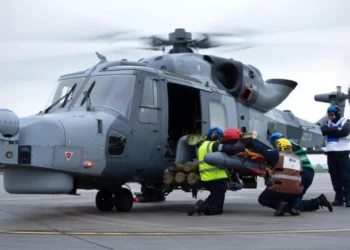 Minister Meets Crews Who Will ‘Take Out’ Iranian Drones
 Thousands Protest Iran Strikes Outside US Embassy London
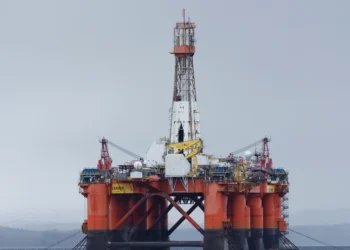 UK Oil and Gas Supplies Reassured Amid Middle East Concerns
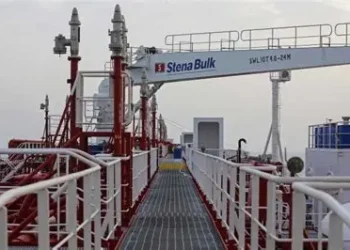 Iran War Puts Trump at Political Risk Amid Rising Prices
 Father Dies by Suicide Weeks After Wedding in Clitheroe
 Teen Wins Payout After TRNSMT Crush Horror