Published: 31 March 2026. The English Chronicle Desk. The English Chronicle Online.
The geopolitical landscape of Western Europe has shifted dramatically following a bold move today. Spain officially closed its national airspace to United States military aircraft involved in the war. This decision marks a significant escalation in the ongoing diplomatic rift between Madrid and Washington. Spanish officials confirmed the restriction during a high-profile press conference held early on Monday morning. The defense minister stated that no American planes carrying munitions will fly over Spanish soil. This policy applies to all flights supporting offensive operations currently targeting the Iranian mainland today.
The Spanish government has remained steadfast in its vocal opposition to the Middle Eastern war. Defense Minister Margarita Robles addressed the international press corps with a very firm message yesterday. She clarified that Spain will not authorize any military bases for use in this conflict. Robles described the current war as both profoundly illegal and profoundly unjust to all people. The minister emphasized that Spain’s moral position on this matter remains very clear to everyone. This directive forces US military planes to find much longer routes around the Iberian Peninsula. Aircraft traveling from the United Kingdom must now bypass Spain to reach the Middle East.
Prime Minister Pedro Sánchez has consistently challenged the strategic narrative coming from the White House. His unwavering stance has reportedly caused significant friction with the current administration of Donald Trump. Sánchez previously urged all involved nations to seek an immediate end to the violent hostilities. He warned that responding to one illegality with another creates a cycle of global disaster. The Prime Minister believes that international law must remain the primary guide for all nations. His refusal to allow base access has already triggered threats of severe trade sanctions.

Despite these economic threats, the Spanish cabinet appears united in its current defiant foreign policy. Economy Minister Carlos Cuerpo spoke to local radio stations about the potential for future retaliation. He argued that the decision is a logical extension of Spain’s existing non-participation policy. Cuerpo noted that the war was initiated unilaterally without the consent of the United Nations. The minister suggested that maintaining ethical integrity is more important than avoiding short-term economic pain. He insisted that Spain will not contribute to a war that violates established international norms.
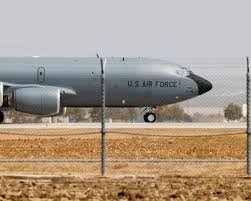
The restriction specifically targets the jointly operated military bases at Rota and Morón de la Frontera. Sánchez informed the Spanish Congress that all flight plans for the war were rejected recently. This includes vital refueling flights that are necessary for long-range bomber missions across the Atlantic. The rejection of these flight plans has already impacted American logistics within the European theater. Several American refueling planes were forced to relocate to bases in France and Germany instead. These movements occurred after Spanish authorities denied several requests for emergency landing and refueling rights.
Existing bilateral agreements still allow some American aircraft to use the bases for logistics. These flights must be strictly related to the support of US forces stationed in Europe. Spanish officials are carefully monitoring every flight to ensure compliance with the new restrictive rules. Recent reports suggested that some American transport planes were still utilizing the southern Spanish runways. Robles clarified that these specific flights were only transporting personnel and non-combat supplies for troops. She maintained that no fighter jets or bombers have received permission to land there recently.
Historically, Spain has rarely restricted its allies from using these strategic military facilities for missions. The last time heavy bombers used Spanish soil for direct combat was during the 1991 war. That occurred under a different socialist administration during a much more unified global political era. The current situation represents the most serious breakdown in Spanish-American relations in several decades now. European neighbors are watching the situation closely as the diplomatic tension continues to rise daily. Some analysts suggest that other European nations might follow Madrid’s lead in the coming weeks.
The White House has not yet issued a formal response to the airspace closure today. However, previous statements from Washington suggest that a very cold diplomatic winter is now approaching. The strategic importance of the Mediterranean corridor makes the Spanish decision a very difficult hurdle. Military planners must now recalculate fuel requirements and flight times for all upcoming regional missions. This logistical challenge adds another layer of complexity to an already volatile international security situation. Spain seems prepared to face the consequences of its commitment to a peaceful resolution.

Public opinion in Madrid appears to support the government’s firm stance against the ongoing war. Large demonstrations have taken place across major Spanish cities to protest against the military escalation. Citizens have expressed pride in their government for prioritizing international law over traditional military alliances. This domestic support gives the Sánchez administration the political capital needed to maintain its course. The conflict has become a defining moment for Spain’s role on the modern global stage. It highlights a growing desire for European strategic autonomy away from American foreign policy.
The closure of airspace is a rare and powerful tool in modern international diplomacy today. By taking this step, Spain has positioned itself as the leading European critic of Washington. The implications of this move will likely be discussed at the next NATO summit meeting. Other member states are currently divided on how to handle the escalating crisis in Iran. Spain’s move could encourage other skeptical nations to voice their own opposition more loudly now. The unity of the Western alliance is being tested by this firm Spanish resolve.
As the war continues, the logistical pressure on American forces in Europe will likely increase. Bypassing Spanish airspace adds thousands of miles to every round trip made by military tankers. This increase in flight time raises the total cost and complexity of the entire operation. It also places a heavier burden on bases located in Northern and Central European countries. France and Germany are now facing increased pressure to accommodate the diverted American military flights. The regional balance of power is shifting as nations choose their sides in this conflict.
The English Chronicle will continue to monitor the situation as more details emerge from Madrid. This story represents a pivotal turning point in the relationship between the United States and Europe. The long-term effects on trade and defense cooperation remain to be seen in the future. For now, the skies over Spain remain closed to the machinery of the Iranian war. This bold assertion of sovereignty marks a new chapter in the history of Spanish diplomacy. The world watches to see if this pressure will lead to a peaceful diplomatic breakthrough.
Related News:
 George Clooney and Amal Clooney Receive French Citizenship
 Capitol Attack Anniversary Sparks Deep Political Divide
 EU Weakens as Trump Targets Venezuela and Greenland
 Saudi Officials Report Zubaidi Flee Before Yemen Peace Talks
 UK Targets in New York Bomb Threat Hoax: Man Jailed
 Trump Plans Venezuela Meeting, Warns of Cartel Land Strikes
 Gambia Supreme Court Hears Case to Overturn FGM Ban
 Indonesia blocks Grok chatbot over sexual content risk
 US Citizens Warned to Venezuela Flee Amid Paramilitary Threats
 Trump targets Iran trade with 25% tariff warning
 Rudd successor: Defence chief and former ministers considered
 US Senate rejects resolution limiting Trump military powers
 Venezuela regime claims release of political prisoners signals new era
 Friedman Uninvited From 2024 Adelaide Writers’ Week
 Gulf states warn Trump Iran strikes risk wider Middle East war
 Machado Trump medal gesture reshapes Venezuela power struggle
 Greenland defence seen as shared Nato duty amid troop arrivals
 Geopolitical football: Iran, Trump and the World Cup clash
 Canada-China trade gains momentum in new strategic partnership
 Trump Receives Machado’s Nobel Medal in White House Meeting
 EU weighs response amid Greenland tariff crisis with Trump
 Syria President Declares Victory as Ceasefire Reached with SDF
 US Considers Asylum for British Jews Amid Rising Antisemitism
 Chinese tourists drop sharply over Taiwan tensions
 Spoof “Make America Go Away” Caps Rally Denmark Over Greenland
 Trump slams UK ‘stupidity’ over Chagos Islands, eyes Greenland takeover
 More Than 100 Islamic State Inmates Escape Amid Syrian Clashes
 Trump Tightens Grip on EU and UK Energy Supply
 Shinzo Abe’s killer receives life sentence in Japan
 EU Says US Ties Have Suffered ‘Big Blow’ After Greenland Crisis
 Russia Strikes Kyiv and Kharkiv as Peace Talks Enter Day Two
 China General Under Investigation Amid Leadership Purge
 Philippines ferry disaster leaves 15 dead, dozens missing
 Israel Conditions Gaza Rafah Reopening on Hostage Search Completion
 EU launches Grok AI probe into X over explicit images
 Turnbull urges Albanese to confront Trump’s global ‘bully’ politics
 Crisis Looms as Liberals Debate Sussan Ley Future
 Cambridge Faces Scrutiny Over Arms Investment Transparency
 Files Link Andrew to Epstein Dinner After Prison Release
 Thousands Left Without Heating in Ukraine Amid Russia Strikes
 Epstein UAE Emails Shake British Royal Andrew’s Legacy
 Europeans oppose US after Greenland threat, poll shows
 Christchurch Shooter Seeks to Overturn Guilty Plea in Appeals Court
 Minnesota Nurse Saves Refugees, Witnesses Tragedy Decades Later
 Portugal Election Delivers Socialist Win as Far Right Surges
 Christchurch gunman seeks to vacate guilty plea
 Liberal Fallout: Taylor Challenge Casts Shadow Over Sussan Ley’s Leadership
 Infantino Faces Russia Threat and Trump Concerns at Uefa Congress
 Concerns rise for Canberra boy amid Iran detention fears
 Ukraine, Russia Meet in Geneva Ahead of War Anniversary
 Sydney Businessman Falsely Claimed Security Advice Came From Kevin Rudd
 Caribbean Leaders Urge Dialogue Amid US Oil Embargo on Cuba
 Brazilian Politician Brothers Sentenced for Marielle Murder
 Cuba Kills Exiles in Speedboat Attack from US Waters
 Anthony Albanese Must Uphold Rights for All Australians
 Woman Executed in Somalia Sparks Debate on Justice System
 US Accused of Exploitation Over Zambia Health Aid
 Champions League Thrills as Atalanta and Galatasaray Advance
 The Miraculous Survival of Nada Itrab
 Tommy Robinson Meets Trump Officials at US State Department
 Uganda Crackdown: Two Women Arrested for Public Kissing
 Hungary Faces Political Tension Over the Ukraine Crisis
 DHS Probe Into Border Official Sparks National Debate
 Caffè Nero Warns Coffee Prices May Rise Again
 Ukraine Sends Drone Experts to Defend US Bases in Jordan
 New Zealand Covid Response Praised Despite Lingering Scars
 HMS Dragon to Head to Cyprus Amid Rising Tensions
 Abramovich Chelsea Sale Cash Faces Jersey Probe
 ‘Earthquake for France’: Marseille May Vote Far-Right
 Yvette Cooper: UK Must Follow Principles, Not US Pressure
 US Strike on IRIS Dena Strains Strategic Indian Security Ties
 Slovenia Election: A Nation at a Crossroads
 Jury Rules Meta and YouTube Liable for Addictive Design
 African World Cup Fans Face $15,000 Entry Bond Fee
 Saudi Arabia Urging US to Keep Up Iran Attacks
 Trump Softens Cuba Oil Stance as Russian Tanker Nears
 Health & Social Affairs | International Development
 Police Seek Immunity in Indigenous Custody Death Case
 The Woman Guarding Earth From the Threat of Asteroids
 IMF Predicts Global Economic Crisis Due to Gulf Unrest