Published: 31 March 2026. The English Chronicle Desk. The English Chronicle Online.
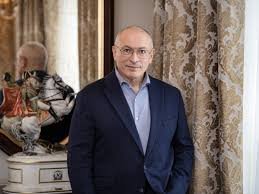
The shadow of international espionage and political tension has lengthened across the United Kingdom following a series of stark warnings from one of the most prominent critics of the Kremlin. Mikhail Khodorkovsky, the exiled former oil tycoon and once the wealthiest man in Russia, has cautioned that Vladimir Putin is likely to orchestrate a new wave of state-sponsored aggression. Speaking from his offices in London, the sixty-two-year-old dissident suggested that another Salisbury-style attack could be imminent if the British government fails to adopt a more robust and offensive stance. His assessment comes at a time of heightened global instability and shifting political alliances that have left Western democracies feeling increasingly vulnerable to external interference. Khodorkovsky believes that the Russian leadership remains highly creative and determined to project power through unconventional and often violent means on foreign soil.
The memory of the 2018 Novichok poisonings in Salisbury remains a painful and vivid chapter in recent British history, representing a significant breach of national sovereignty. According to Khodorkovsky, the primary objective of such operations is not merely the elimination of specific individuals but the systematic creation of a profound sense of public insecurity. By demonstrating that the Russian security services can operate with impunity within the borders of a NATO ally, the Kremlin seeks to undermine the confidence of Western citizens. Khodorkovsky argues that the actual survival of the target is often secondary to the psychological impact of the act itself. He maintains that the Russian elite views the United Kingdom as a primary adversary and a testing ground for these destabilizing tactics. The goal is to prove that no one is truly safe from the reach of Moscow’s intelligence apparatus, regardless of where they reside.

To counter these persistent threats, the former billionaire suggests that the UK government must be willing to engage in more aggressive counter-intelligence measures than previously seen. He points to the historical precedents of the 1950s and 1960s, during which a “mirror response” strategy effectively curbed the brutality of Soviet intelligence operations. Khodorkovsky explains that when intelligence officers realize their own lives and safety are at risk, they are far less likely to carry out dangerous missions. He notes that the individuals working for these services are human and possess a natural desire for self-preservation above all else. However, he expressed some doubt regarding whether contemporary British society is culturally or politically prepared for such a hardline and confrontational approach. The transition from diplomatic sanctions to active counter-strikes represents a significant escalation that many in the West may find difficult to stomach.
Khodorkovsky’s insights are rooted in a personal history marked by extreme wealth, political ambition, and a decade of brutal imprisonment in a Siberian penal colony. After building a fortune estimated at fifteen billion dollars through his company Yukos, he was arrested in 2003 for advocating democratic reforms. His subsequent imprisonment was widely condemned by international observers as a politically motivated attempt to silence a powerful rival to Putin’s growing authority. During his time in prison, he suffered physical attacks, leaving him with a permanent scar on his face from a makeshift knife. Despite these experiences, he has emerged as a leading figure for the Russian opposition in exile, claiming to retain deep connections within the Moscow elite. This background gives his warnings a weight that few other exiled figures can match, as he understands the internal logic of the Kremlin.
The current geopolitical climate, specifically the presidency of Donald Trump in the United States, has created what Khodorkovsky describes as a “window of opportunity” for Putin. He suggests that the Russian leader perceives a lack of unity or resolve within the Western alliance, allowing him to flex his military muscles. This could manifest as a massing of troops on the borders of NATO members, such as Estonia, to test the defensive commitments of the alliance. While he does not believe Putin is ready for a full-scale hot war, the psychological pressure of military posturing can be incredibly effective. The exiled tycoon suggests that this window might only close if the American political landscape shifts significantly during the upcoming midterm elections later this year. Until then, the risk of provocation remains high as Moscow seeks to exploit any perceived cracks in the transatlantic security relationship.
Sanctions against individual oligarchs and specific sectors of the Russian economy have, in Khodorkovsky’s view, largely failed to weaken Putin’s grip on power or influence his policy. He argues that Western politicians often implement these measures to impress their own domestic electorates rather than to achieve a specific strategic outcome. In reality, enforcing trade restrictions on a global scale is remarkably difficult, as evidenced by reports of essential components reaching the Russian military. Khodorkovsky dismisses the idea that wealthy Russian businessmen have the power to pressure the President into ending the conflict in Ukraine. He asserts that under a dictatorship, wealth without the backing of weapons offers no real protection or political leverage for the owner. The term “oligarch” is, he claims, a misnomer in a system where all assets are ultimately subject to the whims of a single ruler.
The complex relationship between Russian wealth and the UK is perhaps best illustrated by the case of Roman Abramovich and his former ownership of Chelsea. Khodorkovsky alleges that the purchase of the football club could never have occurred without the tacit approval or blessing of the Russian President. While not suggesting a direct order, he highlights the interconnectedness of business and state interests that defines the modern Russian economy. A current point of contention involves the two-and-a-half billion pounds in proceeds from the sale of the club, which remains frozen by the UK government. Khodorkovsky claims to have information suggesting that the Kremlin views these funds as a potential resource for reconstruction efforts in both Russian and Ukrainian-controlled territories. This highlights the ongoing tug-of-war between London and Moscow over the ultimate fate of assets linked to individuals with ties to the Kremlin.

In late 2025, the Russian government officially designated Khodorkovsky as a terrorist, a move that he views as another attempt to delegitimize the organized opposition. This designation followed his work with the Anti-War Committee of Russia, which seeks to provide a platform for those who dissent against the current regime. Despite the constant threat to his life, Khodorkovsky maintains a remarkably stoic attitude toward his personal safety while living in London. He acknowledges that there is no absolute way to protect oneself from a determined state actor, yet he remains grateful for British intelligence efforts. His focus remains on the long-term future of his home country, which he believes will eventually require a total reconstruction from the ground up. He predicts that the window for significant political change in Russia will likely open within the next five to seven years.
The broader international context, including conflicts in the Middle East and fluctuating energy prices, continues to play into the hands of the current Russian leadership. Khodorkovsky notes that rising oil prices and loosened sanctions have bolstered the Kremlin’s revenues, providing the financial means to sustain its various operations. However, he remains convinced that the current system is fragile and entirely dependent on the presence of a single individual at the top. Once that central figure is removed or incapacitated, he expects the entire structure of the Russian state to face a period of radical and necessary transformation. At sixty-two, he remains younger than Putin and holds onto the hope that he might one day return to a reformed and democratic Russia. For now, he continues to serve as a vocal and cautionary voice for a West that he believes is still dangerously naive.
Related News:
 George Clooney and Amal Clooney Receive French Citizenship
 Shock US Raid: Maduro Pleads Not Guilty in Manhattan Court
 Capitol Attack Anniversary Sparks Deep Political Divide
 EU Weakens as Trump Targets Venezuela and Greenland
 Saudi Officials Report Zubaidi Flee Before Yemen Peace Talks
 Venezuela Oil Deal Opens Tensions with US Control
 UK Targets in New York Bomb Threat Hoax: Man Jailed
 Trump Plans Venezuela Meeting, Warns of Cartel Land Strikes
 Gambia Supreme Court Hears Case to Overturn FGM Ban
 Indonesia blocks Grok chatbot over sexual content risk
 US Citizens Warned to Venezuela Flee Amid Paramilitary Threats
 Trump targets Iran trade with 25% tariff warning
 Rudd successor: Defence chief and former ministers considered
 US Senate rejects resolution limiting Trump military powers
 Venezuela regime claims release of political prisoners signals new era
 Friedman Uninvited From 2024 Adelaide Writers’ Week
 Gulf states warn Trump Iran strikes risk wider Middle East war
 Machado Trump medal gesture reshapes Venezuela power struggle
 Greenland defence seen as shared Nato duty amid troop arrivals
 Geopolitical football: Iran, Trump and the World Cup clash
 Canada-China trade gains momentum in new strategic partnership
 Trump Receives Machado’s Nobel Medal in White House Meeting
 Syria President Declares Victory as Ceasefire Reached with SDF
 US Considers Asylum for British Jews Amid Rising Antisemitism
 Chinese tourists drop sharply over Taiwan tensions
 Spoof “Make America Go Away” Caps Rally Denmark Over Greenland
 Trump slams UK ‘stupidity’ over Chagos Islands, eyes Greenland takeover
 More Than 100 Islamic State Inmates Escape Amid Syrian Clashes
 Trump Tightens Grip on EU and UK Energy Supply
 Shinzo Abe’s killer receives life sentence in Japan
 Russia Strikes Kyiv and Kharkiv as Peace Talks Enter Day Two
 China General Under Investigation Amid Leadership Purge
 Philippines ferry disaster leaves 15 dead, dozens missing
 Israel Conditions Gaza Rafah Reopening on Hostage Search Completion
 Turnbull urges Albanese to confront Trump’s global ‘bully’ politics
 Crisis Looms as Liberals Debate Sussan Ley Future
 Cambridge Faces Scrutiny Over Arms Investment Transparency
 Files Link Andrew to Epstein Dinner After Prison Release
 Epstein UAE Emails Shake British Royal Andrew’s Legacy
 Europeans oppose US after Greenland threat, poll shows
 Christchurch Shooter Seeks to Overturn Guilty Plea in Appeals Court
 Minnesota Nurse Saves Refugees, Witnesses Tragedy Decades Later
 Christchurch gunman seeks to vacate guilty plea
 Liberal Fallout: Taylor Challenge Casts Shadow Over Sussan Ley’s Leadership
 Infantino Faces Russia Threat and Trump Concerns at Uefa Congress
 Concerns rise for Canberra boy amid Iran detention fears
 Ukraine, Russia Meet in Geneva Ahead of War Anniversary
 Sydney Businessman Falsely Claimed Security Advice Came From Kevin Rudd
 Caribbean Leaders Urge Dialogue Amid US Oil Embargo on Cuba
 Brazilian Politician Brothers Sentenced for Marielle Murder
 Cuba Kills Exiles in Speedboat Attack from US Waters
 Anthony Albanese Must Uphold Rights for All Australians
 Woman Executed in Somalia Sparks Debate on Justice System
 US Accused of Exploitation Over Zambia Health Aid
 The Miraculous Survival of Nada Itrab
 Tommy Robinson Meets Trump Officials at US State Department
 Uganda Crackdown: Two Women Arrested for Public Kissing
 DHS Probe Into Border Official Sparks National Debate
 Caffè Nero Warns Coffee Prices May Rise Again
 Ukraine Sends Drone Experts to Defend US Bases in Jordan
 New Zealand Covid Response Praised Despite Lingering Scars
 HMS Dragon to Head to Cyprus Amid Rising Tensions
 Abramovich Chelsea Sale Cash Faces Jersey Probe
 Yvette Cooper: UK Must Follow Principles, Not US Pressure
 US Strike on IRIS Dena Strains Strategic Indian Security Ties
 Slovenia Election: A Nation at a Crossroads
 Jury Rules Meta and YouTube Liable for Addictive Design
 African World Cup Fans Face $15,000 Entry Bond Fee
 Saudi Arabia Urging US to Keep Up Iran Attacks
 Trump Softens Cuba Oil Stance as Russian Tanker Nears
 Health & Social Affairs | International Development
 Police Seek Immunity in Indigenous Custody Death Case
 The Woman Guarding Earth From the Threat of Asteroids
 IMF Predicts Global Economic Crisis Due to Gulf Unrest
 Spain Shuts Airspace to US Military Over Iran Conflict
 Washington Enlists Musk to Battle Global Hostility Online
 Florida Governor renames Palm Beach Airport for Donald Trump
 California Defies Trump With Strict New AI Standards
 Germany Grapples With AI Abuse Following TV Star Scandal
 Florida Space Coast Awaits Historic Artemis Moon Launch