Published: March 31, 2026. The English Chronicle Desk.
The English Chronicle Online—Providing trusted news and professional analysis for the UK and International Affairs.
In a major recalibration of its climate timeline, the Italian government has moved to postpone the country’s coal-fired power phase-out by 13 years, pushing the final deadline from 2025 to 2038. The legislative amendment, which is expected to be converted into law by April 21, reclassifies Italy’s remaining coal plants as “strategic assets.” The shift, championed by the governing coalition, is a direct response to the “extreme energy volatility” caused by the ongoing war in the Middle East and the resulting surge in natural gas prices, which have consistently exceeded €70/MWh in recent weeks.

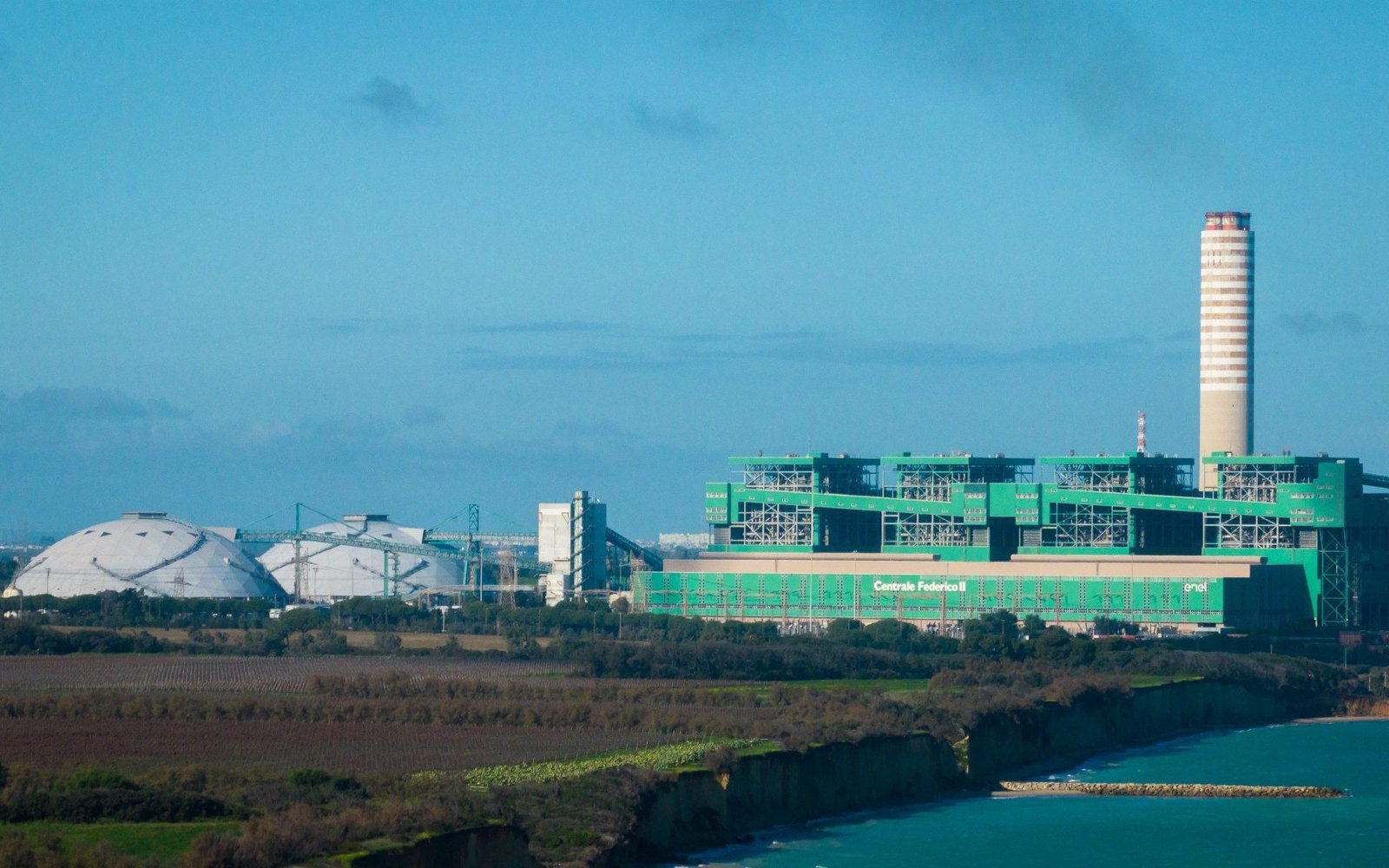
The new policy establishes a “Strategic Reserve” mechanism, allowing the nation’s 4.65GW of coal capacity—primarily the massive Civitavecchia and Brindisi plants operated by Enel—to remain on standby. Under this framework, these facilities will not contribute to regular daily generation but will be “idled” and ready for activation during supply emergencies or price spikes. To support this, Rome is seeking a specific exemption from EU state-aid rules to compensate utilities for the maintenance costs of keeping these “zombie plants” viable through the next decade.
The ‘Energy Trilemma’
Energy Minister Gilberto Pichetto Fratin defended the move as a necessary hedge against a “perfect storm” of geopolitical risk and infrastructure constraints. While Italy has successfully added 13 GW of renewables since 2022, the transition has been hampered by a slowdown in 2025 and the massive electricity demand from the burgeoning AI sector, which is expected to double by 2030.
-
Economic Protection: The government argues that keeping coal on standby is cheaper than allowing expensive gas-fired generation to dictate market prices during Gulf-related supply disruptions.
-
Grid Stability: Coal reserves will provide “black-start” capabilities and frequency regulation to balance the intermittency of Italy’s growing solar and wind fleets.
-
Climate Impact: To offset the extended coal availability, Italy has pledged to accelerate its “REPowerEU” commitments, aiming for 131 GW of renewable capacity by 2030.

A European Trend?
Italy’s decision mirrors a broader European trend of “pragmatic decarbonization.” By aligning its 2038 target with Germany, Rome is positioning itself within a regional bloc that prioritizes energy security over immediate emission cuts during the $116 oil price era. However, the move has drawn sharp rebukes from environmental groups and climate activists, who have staged protests across Rome and Milan. Critics argue that the “strategic reserve” is a “smokescreen” for continued fossil fuel dependence and that the funds used to subsidize idling coal plants should instead be diverted to long-duration energy storage.
As the Easter bank holiday concludes and the Italian Parliament prepares for a final vote of confidence on the package, the “Coal Extension” serves as a stark reminder of how quickly the Iran war has rewritten the global green agenda. For the residents of Civitavecchia and Brindisi, the smoke may have cleared for now, but the sirens of the industrial past are set to remain on the horizon for another twelve years.
Related News:
 Shein’s Elusive Boss Hails Chinese Roots in Rare Public Appearance
 Why Asian Firms Are Not Cheering Trump Tariff Ruling
 Why Asian Firms Are Not Cheering Trump Tariff Ruling
 India and Canada Seal Series of Deals as Carney and Modi Reset Ties
 G7 to Hold Emergency Oil Talks as Markets Plunge
 Gulf Oil Shock Sends Global Economic Ripples
 Iran Rejects Ceasefire, Warns Trump With Chilling Message
 The Situation Is Dire: War on Iran Squeezes India’s Cooking‑Gas Supplies
 Oil Price Jumps Despite Deal to Release Record Amount of Reserves
 Gas on the Line: Will the Iran War Squeeze India’s Piped Gas Next?
 Beyond ‘Halfway’: Netanyahu Signals Progress as Iranian Drone Strikes Tanker in Dubai
 ‘Emergency Management’: Korean Air Slashes Costs as Jet Fuel Prices Double
 ‘Losing Control’: World Recession Fears Mount as Trump’s 42-Day Iran War Timeline Collapses
 ‘Floating Inferno’: Iran Attacks Fully Loaded Oil Tanker Off Dubai Coast
 Modi’s London Visit Seals Historic UK-India Trade Pact Amid Global Tensions
 China’s crackdown on civil servant perks sparks economic concerns
 Shein UK Faces Allegations of Shifting Majority of Profits to Singapore to Reduce UK Tax
 British AI Startup Outshines Human Forecasters in Global Prediction Contest
 China warns UK over delayed London mega embassy decision
 UPS Cargo Plane Crash in Kentucky Kills Seven
 Canada Passes Carney’s First Budget in Tight Parliamentary Vote
 India’s Labour Law Overhaul Sparks Fierce Debate
 Gulf states warn Trump Iran strikes risk wider Middle East war
 Machado Trump medal gesture reshapes Venezuela power struggle
 Greenland defence seen as shared Nato duty amid troop arrivals
 Canada-China trade gains momentum in new strategic partnership
 Trump Receives Machado’s Nobel Medal in White House Meeting
 Syria President Declares Victory as Ceasefire Reached with SDF
 US Considers Asylum for British Jews Amid Rising Antisemitism
 UK New Car Discounts Near £6,000 as Prices Are Slashed
 Fears of New Arms Race as US-Russia Nuclear Weapons Treaty Expires
 US Military Says Two Killed in Strike on Alleged Drug Boat in Eastern Pacific
 Venezuela’s Opposition Says Party Leader Kidnapped Hours After Being Freed
 Iran Says ‘Guiding Principles’ Agreed With US at Nuclear Talks
 Netflix and Paramount Are Battling for Warner Bros. — Who Is Likely to Win?
 Ukraine Peace Talks End in Acrimony After Two Hours
 Indian University Kicked Out of AI Summit for Claiming Chinese Robot Dog as Its Own Invention
 The Chinese AI App Sending Hollywood Into a Panic
 UK Has Not Given US Permission to Use RAF Bases for Iran Strikes
 Live Nation Sees Strong Ticket Sales as Monopoly Lawsuit Looms
 ‘We’re Still on Edge’: Toy Firms Look to US Supreme Court as Tariffs Hit Profits
 Uncertainties Loom for Businesses and Consumers After Trump’s Tariff Changes
 US Will Not Back Out of Tariff Deals with UK and Others, Says Trump Trade Representative
 Drugs, Denial, Stigma: Fiji’s HIV Crisis Hits Children
 Ukraine war briefing: Russia exporting more oil now than before war despite sanctions – report
 Trump’s new tariff takes effect at lower than expected rate
 Bill Gates ‘Took Responsibility’ Over Epstein Ties in Staff Meeting, Foundation Says
 US ‘Suitcase Murderer’ Deported From Bali After 11 Years in Jail
 Canada’s Finance Minister Says US Unlikely to Lift Tariffs
 Oil Prices Rise After Ships Attacked Near Strait of Hormuz
 Months of Planning Behind US‑Israeli Mission to Target Iran’s Supreme Leader
 UK Will Allow US to Use Bases to Strike Iranian Missile Sites, PM Says
 Oil Prices Surge as Iran War Jolts Markets
 Limited Flights Leave UAE But Disruption Continues Amid Iran Strikes
 Israel Launches Fresh Strikes on Tehran & Beirut; US Warns “Hardest Hits” Ahead
 Carney to Push His Middle Power Strategy During Australia Visit
 Bars Close and Hundreds Lose Jobs as US Firm Buys BrewDog in £33m Deal
 Azerbaijan Promises Retaliation After Iranian Drone Hits Airport
 Oil Prices Surge Above $100 Amid Iran War
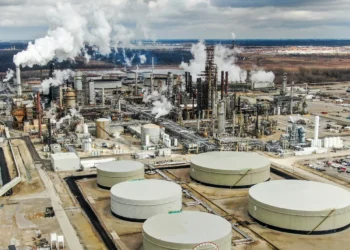 G7 Weighs Emergency Oil Reserves as Prices Surge
 Trump Threatens Iran With ‘Twenty Times Harder’ Oil Strike
 US Says 16 Iranian Mine Ships Destroyed in Hormuz
 Abramovich Chelsea Sale Cash Faces Jersey Probe
 UK Fuel Tax Hike Plan to Be Kept Under Review Over Iran Conflict
 Brazil Floods Warning as Scientists Urge Fossil Fuel Exit
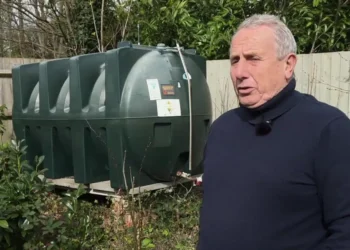 ‘Heating Oil Suppliers Are Holding Us to Ransom’ as Prices and Cancellations Surge
 Yvette Cooper: UK Must Follow Principles, Not US Pressure
 UniCredit’s Bold Move to Reshape European Banking
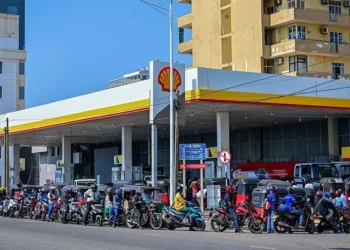 Sri Lanka Sets Weekly Shutdown to Save Fuel
 Wary Allies Signal No Easy Path in Iran Crisis
 UK Wage Growth Slows as Jobs Market Holds Firm
 Philippines energy emergency sparks coal power surge
 Saudi Arabia Urging US to Keep Up Iran Attacks
 Jim Ratcliffe’s £3.5bn Chemical Plant Delayed with Parts Stranded in the Gulf
 Michel Rolland: The ‘Spielberg of Wine’ Who Directed the Global Palate
 Trump Threatens Iran With Total Infrastructure Destruction
 IMF Predicts Global Economic Crisis Due to Gulf Unrest
 ‘Better Off Not Planting’: UK Farmers Face 36% Fertiliser Spike as Gulf Crisis Bites
 Tragedy in Lebanon: Two Indonesian UN Peacekeepers Killed in Border Explosion
 Chain of Fire: US Bunker Busters Strike Major Iranian Ammo Depot in Isfahan