Published: 01 April 2026. The English Chronicle Desk. The English Chronicle Online.
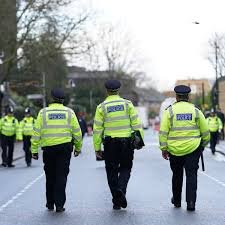
The landscape of British policing is currently facing a period of intense scrutiny and profound internal reflection. A landmark report has recently highlighted a significant failure among police leaders to properly address systemic racial bias. This failure stems from what experts describe as a distinct lack of clear national leadership across various forces. Five years ago, the rise of the Black Lives Matter movement prompted a series of promises. These commitments led to the creation of an ambitious race action plan for England and Wales. The goal was to eliminate the stigmatising and humiliating experiences often reported by Black communities during interactions. However, the Independent Scrutiny and Oversight Board has found that these promises have not yet materialized. Their latest findings suggest that no meaningful impact has been made on the ground for citizens.
The National Black Police Association has expressed deep frustration, describing the initiative as a major failure. They estimate that roughly ten million pounds of public funding has been spent with very little result. Gavin Stephens, the chair of the National Police Chiefs Council, admitted that progress is lacking. He noted that the actual advancement in these areas fell far short of his initial expectations. Sources within the police service suggest that resistance from senior heads of force remains quite substantial. This resistance has created a barrier that prevents top-down reforms from ever reaching the front lines. The board responsible for monitoring these changes is now being wound up after several difficult years. Its dissolution comes after decades of promises that have failed to yield a truly inclusive culture. The history of these failures stretches back to the end of the last century in Britain.

Abimbola Johnson, who chairs the oversight board, remains very critical of the current state of affairs. She noted that the commitment made to improve outcomes for Black communities has not been met. Progress across the country has been described as slow, uneven, and far too inconsistent for success. Much of the positive change has depended on the individual efforts of a few dedicated officers. There has been a noticeable lack of the institutional change required to fix the entire system. Johnson believes that the government must now step in to order a mandatory national change. She argues that without enforced legal obligations, any progress made remains partial and easily reversible. A robust inspection framework is needed to ensure that there are clear consequences for any failure. Policing must decide whether it truly wants to deliver reform or allow it to stall.
The internal culture of the police remains the most significant barrier to any meaningful future progress. The report highlights that an external framework cannot overcome a culture that simply does not want change. While Gavin Stephens is influential in government circles, he cannot legally order chief constables to act. This lack of direct power often leads to a fragmented approach across the forty-four separate forces. Stephens has publicly stated his personal view that British policing is still currently institutionally racist. However, the majority of his fellow chiefs, who are almost all white, strongly disagree with him. This fundamental disagreement at the top level makes it very difficult to implement a unified plan. Only six out of forty-four forces have actually accepted the finding of being institutionally racist. This is despite the fact that the term was first applied to policing in 1999.
The refusal to acknowledge this status is particularly prevalent among the largest police forces in the country. This includes the Metropolitan Police, which serves a population where over forty percent are ethnic minorities. Other major forces in Greater Manchester, the West Midlands, and West Yorkshire have also declined the label. Despite these significant hurdles, Stephens insists that some strides have been made in specific operational areas. He credits the commitment of thousands of dedicated staff members who are working for internal reform. One notable statistical improvement is found in the figures regarding the practice of stop and search. In 2019, Black people were almost ten times more likely to be stopped than white people. That figure has now reportedly dropped to being three point eight times more likely to occur. While this is a decrease, it still shows a very significant disparity in how people are treated.
When the race action plan was launched in 2022, leaders vowed to become an anti-racist service. They used strong language, stating they were ashamed of the discrimination and bias within their own ranks. Stephens maintains that these sentiments still apply to the current goals of the National Police Chiefs Council. He argues that race is now firmly on the official agenda rather than being ignored entirely. Policing is a profession with a two-hundred-year history that has rarely considered these specific social issues. It is only in very recent history that the service has started to examine these deep-rooted problems. The oversight board warns that identifying failures publicly is not enough to force a change in behavior. Recommendations are often accepted in principle by chiefs but then left largely unimplemented at the local level. This cycle leads to the same problems resurfacing in successive reports year after year after year.
Andy George, president of the National Black Police Association, believes the environment is becoming increasingly toxic for officers. He fears that any progress made since the Macpherson report is now being actively and rapidly reversed. The significant investment of ten million pounds has failed to improve the daily experience of Black people. This sentiment is echoed by Neil Basu, the former head of counter-terrorism for the United Kingdom. Basu chose to leave policing after his fellow chiefs decided not to admit to institutional racism. He believes that the drive for racial justice in both policing and wider society is waning. Many of his peers and friends fear that the country is sliding back to the seventies. This sense of regression is a major concern for those who have spent decades fighting for equality. They see the current stagnation as a sign that the momentum for reform has been lost.
The Home Office has responded by stating it will carefully consider the calls for a government intervention. A spokesperson acknowledged that there is still a vast amount of progress that needs to be made. They intend to review the findings and recommendations of the independent report with a great deal of care. However, activists and community leaders are weary of further reviews that do not lead to action. They are calling for immediate and Decisive measures to ensure that the police are held accountable. The lack of a central authority to enforce these changes remains a primary concern for many observers. Without a mandate from the Home Office, individual forces may continue to operate in a vacuum. This creates a postcode lottery where the quality of justice depends entirely on where you live. For many, the time for promises has passed and the time for delivery is overdue.

The report serves as a stark reminder that structural change requires more than just high-level policy documents. It requires a fundamental shift in the mindset of every officer serving on the streets today. The resistance from senior leadership suggests that the message of reform has not yet been fully embraced. Until there is a consensus on the existence of institutional racism, solving it will remain elusive. The winding up of the oversight board leaves a gap in how these forces are monitored. There is a fear that without this external pressure, the race action plan will simply disappear. The next steps taken by the government will be crucial in determining the future of British policing. Whether they choose to enforce change or allow it to stall will have lasting social consequences. For now, the gap between the police and the communities they serve remains dangerously wide.
Trust in the police is a cornerstone of a functional and peaceful democratic society in Britain. When specific groups feel targeted or ignored by the law, that essential trust begins to erode quickly. The findings of the board suggest that this erosion is currently happening at a concerning rate. Leaders must find a way to bridge this divide through transparency and genuine professional accountability. Moving forward, the focus must be on creating a system where equity is a core value. This involves not only changing how officers interact with the public but also how they treat each other. A service that is not inclusive internally can rarely be expected to be fair externally. The road to reform is long, but it is a journey that cannot be abandoned. The eyes of the nation are now on the Home Office to see how it responds. True leadership will be defined by the ability to turn these failures into a new beginning.
Related News:
 Tories Push to Dilute Labour’s Workers’ Rights Bill
 It’s time to come clean on the China spy case
 Five More Prisoners Freed by Mistake in Essex Week
 Nearly 48,000 Zombie Knives Removed from UK Streets in a Year
 Rachel Reeves Admits Renting Home Without Required Licence
 Afghan man charged with murder after west London knife attack
 Experts Question HMRC Over Possible Child Benefit Privacy Breach
 Man Charged Over Cambridgeshire Train Stabbing
 Pregnant UK Teen to Be Freed from Georgian Jail
 Phillipson urges careful review of gender recognition guidance
 French Taxi Driver Cleared in David Lammy Theft Case After Fare Dispute
 Just Stop Oil Protesters Convicted Amid Climate Defence Row
 Lammy ‘misinformed’ over Wandsworth prisoner releases
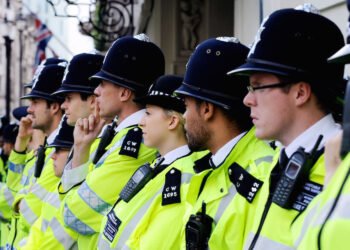 Met Police Culture Makes Racial Harm ‘Inevitable’
 Newcastle United Lifts Ban on Fan Over Gender-Critical Views
 British Grandmother to Return Home After Death Sentence in Bali
 Remaining rebel Labour MPs have whip restored
 King Charles to Lead Nation in Remembrance Sunday Service
 Tim Davie resigns as BBC director general amid bias claims
 Bar Council urges legal aid for all domestic abuse family cases
 Government urges schools to ban phones to curb classroom disruption
 Judges to Decide Fate of Chief Constable Guilty of Contempt
 Palace to reinstate hyphen in Andrew’s surname
 NHS trust fined after woman takes life in mental health unit
 Pop Stars Call on UK Government to Cap Resale Prices for Fans
 Reeves Rejects £1bn NHS Payout Plea from Streeting
 BBC Apologises to Trump but Rejects $1bn Compensation Claim
 Major Rent Reform Ends No-Fault Evictions in England
 Peers Flood Assisted Dying Bill with 942 Amendments
 ‘Fake Admiral’ Sparks Outrage at Remembrance Event
 Your Party Turmoil Deepens Over Withheld Donations
 UK Unveils Fast-Track Deportation and Asylum Overhaul
 Couple Win Damages Over Arrest Linked to WhatsApp Chat
 UK Asylum Overhaul Sparks Debate Over Human Rights and Deportations
 UK Asylum Reforms: Temporary Refugee Status and Faster Deportations
 Mahmood Defends Tough Overhaul of UK Asylum System
 Paralegal Fired After Exposé on Illegal Worker Scam
 Dan Wootton Rejects Catfishing Allegation in Court
 Mahmood Announces Temporary Refugee Status Plan
 UK Government to Ban Reselling Tickets Above Face Value
 Scottish Ministers Express Alarm Over UK Asylum Reforms
 Westminster Advances Legacy Bill Amid Criticism
 Minister Defends Tough New Asylum Reform Plan
 UK Net Migration Falls Sharply After ONS Revisions
 Court to Hear Challenge to Wimbledon Expansion Plan
 Serial Rapist and Former Cop Found Guilty Again
 Gardener Guilty of Brutal Attack on Teacher Partner
 Peers Get Extra Time to Debate Assisted Dying Bill
 Man Arrested Over Manchester Synagogue Terror Attack
 Second homes curbs quashed in Gwynedd legal ruling
 Virgin Media Fined £23.8m Over Telecare Safety Failures
 Twelve Prisoners Released in Error, Two Still Missing
 Starmer’s communications chief to outline media strategy overhaul
Legal Experts Criticise Met for Using Outdated Protest Powers
Starmer’s communications chief to outline media strategy overhaul
Legal Experts Criticise Met for Using Outdated Protest Powers
 UK Police Plan to Scrap ‘Non-Crime Hate Incidents’
 Google Employee Claims Redundancy After Harassment Report
 Plans to Limit Jury Trials Face Retreat After Mounting Opposition
 TikTok to Strengthen Age Verification Across the EU
 Woman Jailed for Life After Killing E-Bike Rider in Tragic Mistaken Identity Case
 Tim Walz urges Trump to withdraw federal agents immediately
 UK and EU Signal Fresh Push for Defence Cooperation Talks
 Study Finds One in Seven England Takeaways Are Dark Kitchens
 Labour Attacks Reform Candidate Over Tommy Robinson Backing
 Starmer Reverses Local Election Delay Plan
 Starmer Ally Investigated Over Smear Claims
 Civil Service Pay: Union Urges Ministers to End ‘Barking Mad’ Limits
 Met police to trial handheld facial recognition checks in London
 DHS Probe Into Border Official Sparks National Debate
 UK Child Abuse Case Moves Forward After Court Decision
 Undercover officer deceived women with ‘grotesque and cruel’ lies, spycops inquiry told
 Proposed Law Leaves Gap for Children of Convicted Paedophiles
 Labour Lawyers Blocked From Briefing MPs on Jury Trials
 Merseyside Police Helicopter Crew Cleared After Low-Altitude Pursuit of Suspect
 Tanni Grey-Thompson Faces Abuse Over Opposition to Assisted Dying Bill
 Motorists Could Face ‘Mandatory’ Driving Ban for Road Offences Under Tougher Laws
 UK Job Vacancies Hit Five-Year Pandemic Low
 UK Youth Unemployment Surges Amid Tax Changes
 Half of Britons Avoid GP When Ill, Survey Reveals Growing Concern
 Russian Trade Routed Through British Islands Exposed
 Rape Accused Had Fight With Man in Alley, Court Told