Published: 3 April 2026 . The English Chronicle Desk. The English Chronicle Online—Analyzing the hidden economic costs of global conflict.
As the conflict in the Middle East enters its second month, the “collateral damage” of the Iran war is beginning to trickle down to the Indian consumer’s glass. While initial concerns focused on petrol and diesel, market analysts are now warning that the closure of the Strait of Hormuz is creating a severe supply chain “bottleneck” for the beverage industry. From popular beer brands to everyday bottled water, Indians are facing a summer of record-high prices as the cost of packaging and logistics spirals out of control.

The primary driver behind the projected price hikes is the sudden scarcity of raw materials. The Middle East, particularly the region surrounding the Persian Gulf, is a global hub for aluminum smelting and petrochemical production.
-
Cans and Caps: With the Strait of Hormuz blocked, the supply of high-grade aluminum used for beer cans has been severely disrupted. Manufacturers in India are reporting a 25% increase in the cost of aluminum sheets over the last 30 days.
-
The PET Crisis: Bottled water relies heavily on PET (polyethylene terephthalate) resin, a byproduct of the oil and gas industry. With Iranian and regional petrochemical exports paralyzed, the cost of producing a standard 1-liter water bottle has jumped, forcing major brands like Bisleri and Kinley to consider a ₹2 to ₹5 price hike per bottle to maintain margins.
Beyond raw materials, the “war surcharge” on shipping is adding a silent tax to every crate. Vessels that previously navigated the Persian Gulf are now being rerouted or facing exorbitant insurance premiums.
-
Imported Hops and Malts: Many of India’s premium craft breweries rely on specialty hops and malts imported from Europe. These shipments, which usually pass through the Suez Canal and near the conflict zone, are seeing transit times increase by 12 to 15 days, with freight costs doubling in some sectors.
-
Fuel Surcharges: Domestic transport within India is also feeling the heat. As global oil prices hover near $110 a barrel due to the war, logistics companies are passing on “fuel adjustment factors” to beverage distributors, which will inevitably reach the retail shelf by mid-April.
The timing of this disruption is particularly painful for the Indian market, coinciding with the peak summer season when demand for cold beverages and bottled water traditionally surges by 40%. Industry bodies like the All India Brewers’ Association have signaled that if the conflict does not de-escalate by May, consumers can expect a 10-15% increase in the price of a pint.

“We are seeing a perfect storm,” says market analyst Dr. Arpan Sen. “You have rising energy costs, a shortage of packaging materials, and a massive spike in shipping insurance. For the average Indian consumer, the ‘luxury’ of a cold beer or even the basic necessity of safe bottled water during a heatwave is about to become significantly more expensive.” As the 35-nation summit in London attempts to find a diplomatic solution to reopen the Strait, the Indian beverage industry remains on high alert, bracing for a summer defined by scarcity and sticker shock.
Projected Price Increases: India Beverage Sector (April-May 2026)
| Product | Current Avg. Price | Projected Price | Main Driver |
| Bottled Water (1L) | ₹20 | ₹22 – ₹25 | PET resin & Fuel costs |
| Domestic Beer (Can) | ₹160 | ₹180 – ₹190 | Aluminum shortage |
| Craft Beer (Pint) | ₹250 | ₹285 – ₹300 | Imported hops & Logistics |
| Soft Drinks (Pet Bottle) | ₹40 | ₹45 | CO2 & Plastic costs |
Related News:
 US Trade Deficit Hits Fresh High Despite Trump’s Tariffs
 Ukraine war briefing: Russia exporting more oil now than before war despite sanctions – report
 Stock Markets and Oil Prices Still Volatile Over Fears Iran War May Drag On
 UK Wage Growth Slows as Jobs Market Holds Firm
 Modi’s London Visit Seals Historic UK-India Trade Pact Amid Global Tensions
 China’s crackdown on civil servant perks sparks economic concerns
 Shein UK Faces Allegations of Shifting Majority of Profits to Singapore to Reduce UK Tax
 British AI Startup Outshines Human Forecasters in Global Prediction Contest
 Indian Court Deals Legal Setback to Elon Musk’s X in Free Speech Battle
 China warns UK over delayed London mega embassy decision
 Rachel Reeves to lead UK trade push in Saudi Arabia amid rights debate
 UPS Cargo Plane Crash in Kentucky Kills Seven
 Canada Passes Carney’s First Budget in Tight Parliamentary Vote
 India’s Labour Law Overhaul Sparks Fierce Debate
 ‘Black Tax’: Burden, Pride and Survival for African Workers
 UK New Car Discounts Near £6,000 as Prices Are Slashed
 Tourism Is Booming in 2026 — Just Not Where You Think
 Netflix and Paramount Are Battling for Warner Bros. — Who Is Likely to Win?
 Japan Braces as Takaichi Begins New Term with Huge Mandate for Low‑Tax, Ultra‑Conservative Agenda
 The Chinese AI App Sending Hollywood Into a Panic
 US and Indonesia Finalise Deal to Cut Tariffs to 19%
 Live Nation Sees Strong Ticket Sales as Monopoly Lawsuit Looms
 ‘We’re Still on Edge’: Toy Firms Look to US Supreme Court as Tariffs Hit Profits
 Trump Announces Global Tariffs to Rise to 15%
 US Will Not Back Out of Tariff Deals with UK and Others, Says Trump Trade Representative
 Trump Tower Gold Coast to Redefine Skyline
 What Now for Asia After Trump’s Tariffs Were Struck Down?
 Trump’s tariff strategy collapse sows global chaos and confusion
 German Chancellor Lands in Beijing for Inaugural China Trip
 Bill Gates ‘Took Responsibility’ Over Epstein Ties in Staff Meeting, Foundation Says
 Canada’s Finance Minister Says US Unlikely to Lift Tariffs
 Why Asian Firms Are Not Cheering Trump Tariff Ruling
 Why Asian Firms Are Not Cheering Trump Tariff Ruling
 Oil Prices Rise After Ships Attacked Near Strait of Hormuz
 Oil Prices Surge as Iran War Jolts Markets
 Tehran Makes New Threat to Gulf Shipping as US Says ‘Hardest Hits’ on Iran ‘Yet to Come’
 Limited Flights Leave UAE But Disruption Continues Amid Iran Strikes
 Bars Close and Hundreds Lose Jobs as US Firm Buys BrewDog in £33m Deal
 China Sets Lowest Economic Growth Target Since 1991
 Millions of Cubans Plunged Into Darkness Amid Fuel Crisis
 US Trade Court Orders Tariff Refunds in Setback for Trump Administration
 Petrol Prices Soar as Retailers Accused of Gouging Amid Global Tension
 Could Trump Threaten London’s £50bn Insurance Giant?
 Fuel and Remittances: How Iran Conflict Hits India At Home
 Irish economy grew strongly in 2025
 Oil Prices Surge Above $100 Amid Iran War
 G7 Weighs Emergency Oil Reserves as Prices Surge
 Iran War Puts Trump at Political Risk Amid Rising Prices
 Gulf Oil Shock Sends Global Economic Ripples
 Iran Rejects Ceasefire, Warns Trump With Chilling Message
 US Says 16 Iranian Mine Ships Destroyed in Hormuz
 Iran War Costs to Be Passed to Consumers, Shipping Boss Warns
 Oil Price Jumps Despite Deal to Release Record Amount of Reserves
 Brazil Floods Warning as Scientists Urge Fossil Fuel Exit
 Wealthy Britons Flee Gulf War but Avoid UK Taxes
 UniCredit’s Bold Move to Reshape European Banking
 Oil Slides, Stocks Jump on Trump Peace Signals
 PM Seeks to Reassure Australians Over Fuel Supply
 UK Forces Ready to Seize Russian Shadow Fleet Vessels
 Australia Halves Fuel Tax and Offers Free Transport Amid Crisis
 ‘Horror on the Street’ and ‘Fears Grow over Shortages’
 Jim Ratcliffe’s £3.5bn Chemical Plant Delayed with Parts Stranded in the Gulf
 Michel Rolland: The ‘Spielberg of Wine’ Who Directed the Global Palate
 Zelensky Looks to Gulf to Protect Him from Putin
 Iran Strikes Kuwaiti Desalination Plant, Killing Worker as ‘Water War’ Escalates
 Trump Threatens Iran With Total Infrastructure Destruction
 Epic Fury: The Strategic Logic and Uncertain Horizon of the 2026 Iran War
 ‘Better Off Not Planting’: UK Farmers Face 36% Fertiliser Spike as Gulf Crisis Bites
 Beyond ‘Halfway’: Netanyahu Signals Progress as Iranian Drone Strikes Tanker in Dubai
 ‘Emergency Management’: Korean Air Slashes Costs as Jet Fuel Prices Double
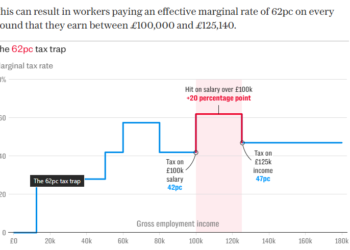 The ‘Career Ceiling’: One in Five High Earners Say £100k Tax Trap is ‘Ruining’ Their Ambition
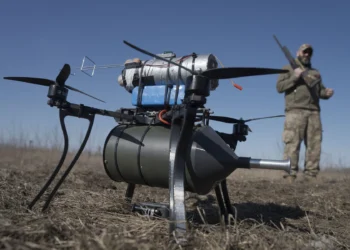 ‘Lego Drones’: Ukraine Hits Back at German Arms Giant Over ‘Housewife’ Slurs
 ‘The 42-Day Rally’: Asian Markets Surge as Trump Signals ‘Rapid’ Iran Exit
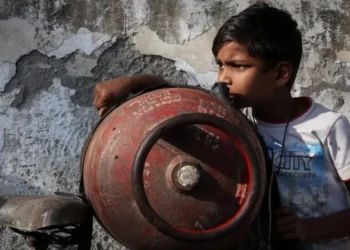 ‘The Arch of Anxiety’: How the $116 Oil Price and the Iran War are Reshaping Life in Asia
 Trump Signals US Exit From Iran as Tehran Eyes Peace
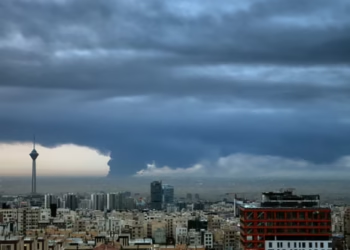 Russia: The Unforeseen Winner of the Iran Conflict
 Americans Struggle as Petrol Prices Surge Past Four Dollars
 Markets Shaken as Trump Vows to Hit Iran ‘Extremely Hard’
 Uncertainty Lingers as Trump’s Iran Strategy Remains Shrouded
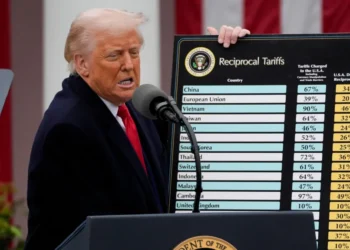 One Year of the “Trump Tariffs”: A Global Economic Shift