Published: April 6, 2026
The English Chronicle Desk
The English Chronicle Online
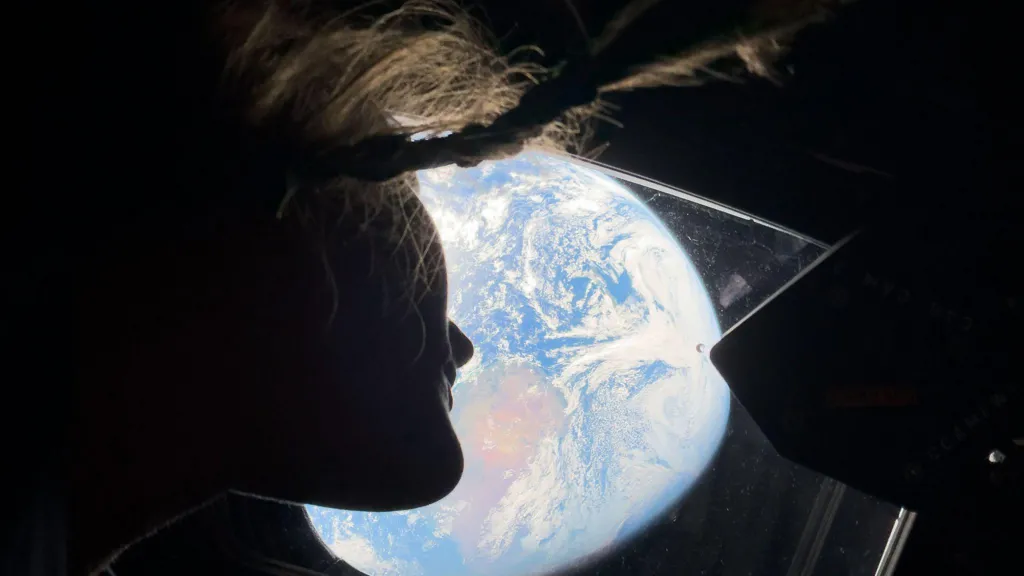
The latest images returned from NASA’s Artemis programme have sparked widespread fascination, not only among scientists but also across social media, where many users have compared the Moon’s surface to a surreal holiday destination. The striking visuals—capturing stark landscapes, dramatic shadows, and Earth rising in the distance—have prompted a broader debate: are these images purely scientific data, or have they become something closer to space tourism photography?
At their core, the images are products of rigorous scientific missions. The Artemis programme, designed to return humans to the Moon and establish a long-term presence, relies heavily on high-resolution imaging to study lunar geology, identify landing sites, and assess environmental conditions. Every photograph captured serves a functional purpose, contributing to research on terrain composition, radiation exposure, and resource availability.
Yet the aesthetic quality of these images is difficult to ignore. Enhanced by advanced camera systems and carefully calibrated lighting, the photographs reveal the Moon in unprecedented detail. Jagged craters, vast plains, and the stark contrast between light and shadow create scenes that many viewers describe as breathtaking. In some cases, the images resemble carefully composed travel photography rather than technical documentation.
This duality reflects a broader shift in how space exploration is communicated. Historically, images from missions were primarily intended for scientific audiences. Today, however, space agencies are increasingly aware of the importance of public engagement. High-quality visuals play a crucial role in capturing attention, generating interest, and justifying the significant investments required for such missions.
The Artemis images arrive at a time when interest in space exploration is experiencing a resurgence. Advances in technology, combined with the involvement of private companies, have expanded the scope of what is possible. The Moon, once a distant and largely abstract destination, is being reimagined as a place that humans may soon visit more regularly.
This perception is reinforced by the way images are presented. Carefully selected angles, colour enhancements, and contextual framing can transform raw data into compelling narratives. A photograph of Earth rising above the lunar horizon, for example, carries both scientific and emotional significance, highlighting humanity’s place in the universe while also serving as a reminder of the fragility of our home planet.
Critics, however, caution against conflating aesthetics with reality. The Moon remains an अत्यন্ত hostile environment, characterised by extreme तापমাত্রা, উচ্চ radiation levels, and a complete lack of atmosphere. The beauty captured in images does not translate into habitability, and any future human presence will require substantial technological support.
The comparison to holiday photography, while evocative, also raises questions about the commercialisation of space. As private companies explore the possibility of lunar tourism, the line between exploration and experience may continue to blur. Images that inspire wonder today could become marketing tools tomorrow, shaping public expectations about what space travel entails.
For scientists, the primary value of the Artemis images lies in the data they provide. Detailed mapping of the lunar surface is essential for mission planning, particularly as agencies prepare for sustained operations. Identifying مناطق rich in resources, such as water ice, could play a critical role in supporting long-term habitation and reducing reliance on Earth-based supplies.
At the same time, the public response to these images cannot be dismissed as superficial. Engagement with space exploration often begins with a sense of wonder, and visually compelling imagery is a powerful way to foster that connection. By capturing the imagination of a global audience, the Artemis programme helps build support for future missions and scientific research.
The blending of science and art is not new in the history of exploration. From early maps to modern satellite imagery, visual representations have always played a role in shaping understanding. What distinguishes the current moment is the scale and immediacy of dissemination. Images from the Moon can now reach millions of people within minutes, sparking conversations that extend far beyond scientific communities.
This dynamic also reflects changing expectations. Audiences today are accustomed to high-quality visuals across all forms of media, and space agencies are adapting accordingly. The result is a body of work that serves multiple purposes: advancing scientific knowledge, engaging the public, and, increasingly, inspiring a sense of possibility.
Looking ahead, the role of imagery in space exploration is likely to grow even further. As missions become more ambitious, the need to communicate their significance will intensify. Whether through photographs, videos, or immersive experiences, visual storytelling will remain central to how these جهود are understood and supported.

Ultimately, the question of whether Artemis’s Moon images are science or holiday photos may be the wrong one. They are both, and neither. They are scientific tools that also function as cultural artefacts, bridging the gap between विशेषज्ञ analysis and public imagination. In doing so, they redefine how we see not only the Moon, but also our relationship with it.
As humanity prepares for its next चरण in lunar exploration, these images serve as a reminder of what is at stake: not just the pursuit of knowledge, but the expansion of human perspective. Whether viewed through the lens of विज्ञान or wonder, the Moon continues to captivate—and Artemis is ensuring that it does so in sharper detail than ever before.
Related News:
 Urgent AI Threat Research Needed, Says Google Boss
 How AI Can Read Our Scrambled Inner Thoughts
 Cern Prepares First-Ever Antimatter Transport Test
 Artemis II astronauts capture Earth en route to the Moon
 How China Became Fixated on Cloud Seeding
 Gaming Helps Woman Cope with Rare Health Condition
 NASA Targets Early March for Human Mission Around Moon
 Instagram Investigating AI Profiles ‘Fetishising’ Disabled People
 ‘I Stopped Engaging’ Due to Instagram and YouTube, Woman Tells Landmark Trial
 Instagram Investigating AI Profiles ‘Fetishising’ Disabled People
 The US Now Has the Medicine for Cheap Swarming Drone Attacks
 ‘The frontline is like Terminator’: Ukraine’s fighting robots
 Apple at 50: Three Products That Changed How We Live
 How to Exit Your Broadband Contract Without Paying Exit Fees
 Unseen Killers of the Deep Inside the UK Lab Uncovering the Silent Deaths of Sea Creatures
 Spectacular ‘Blood Moon’ Illuminates Skies Across the Globe
 British Pilot Joins Crew Training for Year-Long Mars Simulation Mission
 Big Pharma Investment Freeze Puts UK Life Sciences Sector Under Strain
 Jaguar Land Rover Extends Production Halt Following Cyber-Attack
 Persistent Offenders Owe Over £700m in Ulez Fines as TfL Cracks Down on Evasion
 Google at 27: The Untold Story of Ruth Kedar, the Woman Behind the Iconic Logo
 Millions in the UK at Risk of Cyber-Attacks as Microsoft Ends Windows 10 Updates, Warns Which?
 Yvette Cooper Backs Digital ID Plan for UK Teens
 Reform UK candidate fined £19,000 after using AI-generated cases to challenge election
 Harry and Meghan join global AI leaders urging superintelligence ban
 UK Campaigners Launch Bill to Grant Legal Rights to Nature
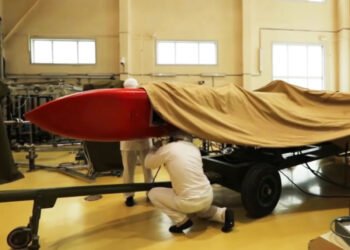 Experts Warn Russia’s Burevestnik Missile Could Destabilise Arms Control
 Virgin Trains Moves Closer to Challenging Eurostar Monopoly
 UK Bans Fake Numbers: Scammers Lose Their Trick
 Vibe coding’ named Collins dictionary’s word of the year
 Patients to Test Health at Home to Ease NHS Winter Pressure
 Britain deploys RAF specialists to assist Belgium with drone threats
 Stop using ChatGPT to write speeches, AI minister tells MPs
 Northern Lights may illuminate UK skies this week
 New laws to bolster UK’s defences against cyber attacks on NHS, transport and energy
 Valve Opens the Door for Android Games on Steam
 Pokémon to open world’s first theme park in Japan next year
 New AI tool could cut wasted efforts in organ transplants
 Sundar Pichai Cautions on AI Hype and Market Risks
 Google Chief Urges Caution: Don’t Trust AI Blindly
 Healthy Habits in Your 30s That Boost Life in Your 70s
 Coffins Now Too Large to Cremate Amid Rising Obesity Crisis
 Beachy Head Woman Identified as Local Eastbourne Resident
 US Clears Nvidia AI Chip Sales to China in Policy Shift
 Astronomers Prepare for First-Ever Movie of a Black Hole
MPs warn AI financial risks threaten UK stability
Astronomers Prepare for First-Ever Movie of a Black Hole
MPs warn AI financial risks threaten UK stability
 Pornhub blocks new UK users over age checks dispute
 Amazon mistakenly signals new global layoffs to employees
 AI breast screening cuts later cancer diagnoses by 12%, study finds
 UK New Car Discounts Near £6,000 as Prices Are Slashed
 Most Statin Side-Effects Are Not Caused by Drugs, Study Confirms
 BT Names New Openreach Chief Amid Major Fibre Expansion
 Tech Trends Set to Transform Life in 2026
 How the Sound of Sport Is Being Reimagined for Deaf Fans
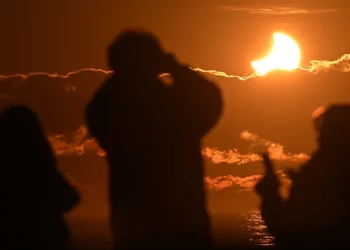 Chasing the Next Solar Eclipse: When, Where and How to See It
 Indian University Kicked Out of AI Summit for Claiming Chinese Robot Dog as Its Own Invention
 China Shows Off Nunchuck‑Wielding Humanoid Robots for Lunar New Year
 How Do You Modernise Mango Farming? India’s Growers Urged to Innovate as Climate Change Hits
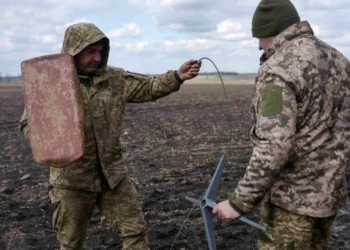 Musk Cuts Starlink Access for Russian Forces – Giving Ukraine an Edge at the Front
 AI Coding Firm’s ‘Pride’ at Business Award Win
 ‘A Disgrace’ — Patient Blasts Neurology Report
 Stewart Brand on Musk, Bezos and a Life of Long Thinking
 Facial Recognition Error Leads to Wrongful Arrest in Milton Keynes
 UK’s First Geothermal Plant Powers 10,000 Homes
 Social Media Trial: Woman Says Addiction Began at Six
 Burger King Rolls Out AI Headsets to Track Employee ‘Friendliness’
 We Have More Privacy Controls Yet Less Privacy Than Ever — The Paradox of Digital Life
 Study Says Only Two Nations May Survive Nuclear War
 Social Media Giant Trial Reaches Final Jury Decision
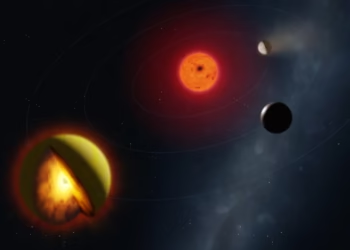 The Molten Mystery of L98-59d: A New Class of Liquid Planet
 India’s $300bn Outsourcing Industry Faces AI Test
 Councils Pressed to Use Universal Parking App to Cut ‘Unfair’ Fines
 One Ant for $220: The New Frontier of Wildlife Trafficking
 Trump Considers Military Operation to Seize Iran’s Uranium
 The Woman Guarding Earth From the Threat of Asteroids
 John Bengtson: The ‘Silent Film Sleuth’ Who Found History in the Background
 ‘Zoom Dysmorphia’ Explosion: BDD Patients Quadruple in Post-Pandemic UK
 ‘The Insulation Trap’: Knifeman Discovered Hiding Under Loft Padding After Six-Hour Standoff
 A Name for the Nameless: DNA Finally Links 1974 Utah Murder to Ted Bundy
 The $11k Ticket: High Stakes and Dynamic Pricing in FIFA’s First Open Sale