Published: April 7, 2026. The English Chronicle Desk.
The English Chronicle Online — Exploring the delicate balance of Britain’s wild and working landscapes.
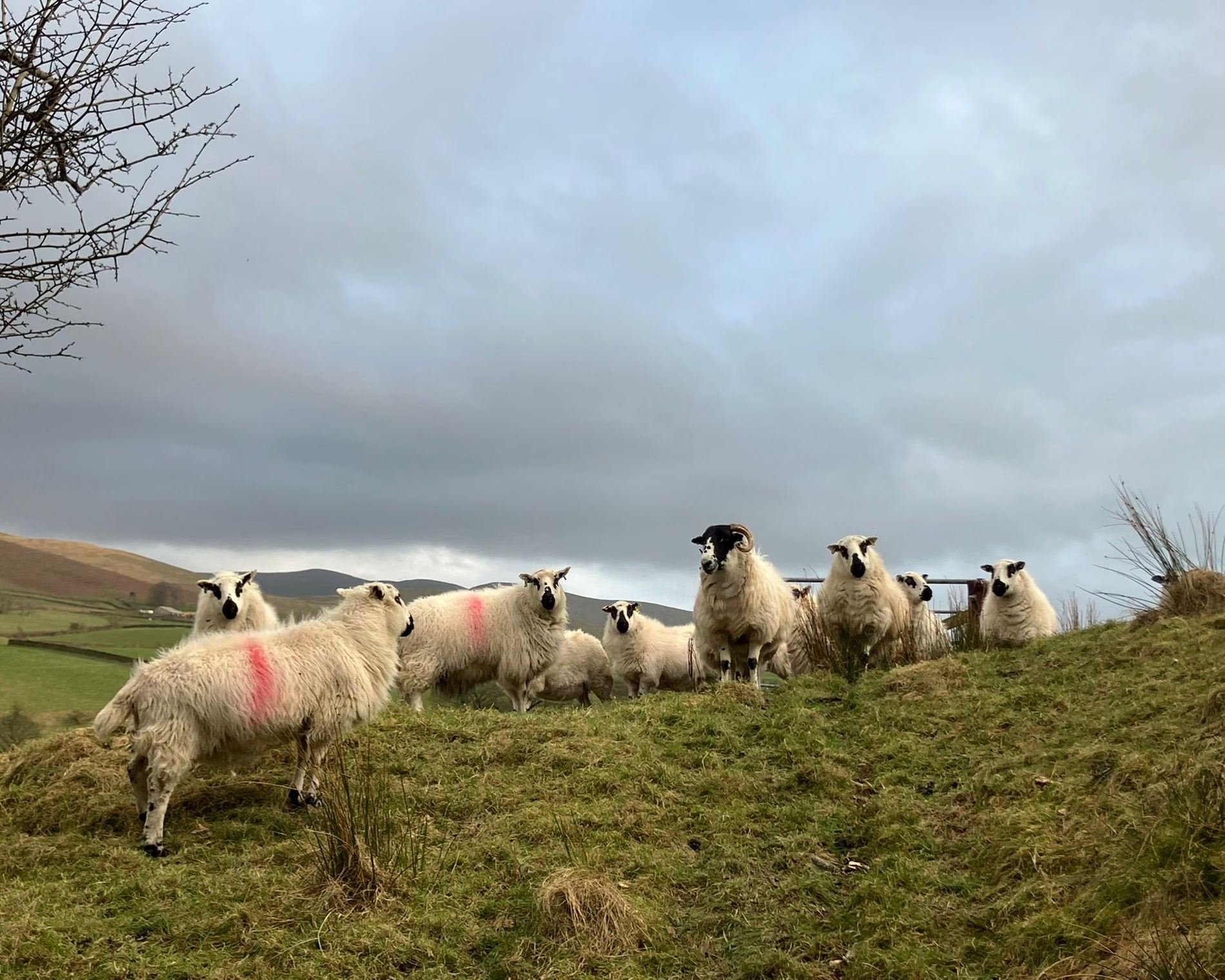
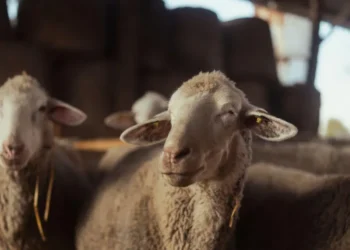
Cumbria: This is my ninth spring on this farm, and the rhythm of the season is as familiar as a heartbeat. As the days lengthen and the first tentative flush of green returns to the fells, my mind turns, inevitably, to lambing. Our growing season here is short and unforgiving; we aim for a mid-April start, gambling that the grass will finally decide to move. For the tiny Ouessant sheep, there is no gamble—they have to lamb indoors. Their size makes them uniquely vulnerable to predation, and they began their season on April Fools’ Day, a quiet opening to the most frantic month of the year.

But this spring, a new tension hangs in the air, as heavy as the scent of wet wool. The debate over the reintroduction of white-tailed eagles (also known as sea eagles) to Cumbria has moved from academic feasibility studies to the front lines of local agricultural life. For many of my neighbors, these “flying barn doors”—with their staggering 2.4-meter wingspans—represent not a conservation triumph, but a direct threat to the hefted flocks that have defined Lake District hill farming for centuries.
At recent auctions and shepherds’ meets, the talk has been of little else. Farmers from the Swaledale Sheep Breeders Association have expressed their opposition with a visceral intensity, citing reports from the west coast of Scotland where predation on live lambs has been a documented, if contested, reality. While conservationists from the Cumbrian White-tailed Eagle Project argue that the birds primarily scavenge or hunt fish and waterbirds, the “social acceptance” of a 66-bird release remains the highest hurdle. For a World Heritage site built on the labor of the hill farmer, the prospect of an apex predator overhead feels to some like a betrayal of the landscape’s human history.

As I watch the ewes, heavy with new life, I wonder how long it will be before that massive, rectangular silhouette is a permanent fixture of our skyline. The University of Cumbria suggests our coastline and lakes offer “ample suitable habitat,” but for those of us in the lambing sheds, the question isn’t whether the habitat is ready for the eagles—it’s whether we are. For now, the only shadows on the grass are those of the passing clouds, but the “bum note” of this spring’s chorus is the growing uncertainty of what the next decade’s dawn will bring.
Related News:
 Country Diary: A Bum Note Amid the Dawn Chorus
 “Enough is Enough”: Local MP Vows to Fight Rainham Quarry Plans
 Man Escapes as Giant Hole Swallows Boats on Shropshire Canal
 Heat, Drought and Fire Push UK Nature to Breaking Point in 2025
 UK Snow Forecast Arctic Blast to Bring Up to 11 Inches of Snow
 Norfolk Coastal Graves at Risk as Erosion Deepens Family Anguish
 Record Wildfires Sweep England Amid Hottest 2025 Summer
 Winter plant bloom signals climate breakdown in UK
 Dog Food Emissions: 1% of UK Greenhouse Gas Revealed
 Local Fish Could Boost UK Health and Economy Significantly
 World’s richest 1% consume annual emissions in just ten days
 Storm Goretti leaves Cornwall homes without power
 Robo-Vaccination Could Transform Fight Against Bovine TB
 Kent Residents Continue Facing Water Supply Disruptions
 Water firms may avoid fines under UK water reform plan
 No Gas Boiler Ban as UK Warm Homes Plan Backs Heat Pumps
 Judi Dench Champions Fight to Save London’s Green Spaces
 Red Meat Politics: Farage and Truss’ Quiet Mayfair Lunch
 UK joins North Sea wind grid pact with nine European nations
 Devon hosts first high-density hydro power system
 Storm Chandra floods Somerset, triggers major incident declaration
 Storm Chandra flooding leaves England on high alert
 UK Pfas Action Plan Faces Criticism From Environmentalists
 Wigan Dump Crisis Sparks Health and Safety Alarm
 What is Groundwater Flooding and Why Dorset is Seeing ‘Historical Highs’
 Dozens of Flood Warnings in England After Days of Non-Stop Rain
 Fish disco plan could save 90% of fish at Hinkley C
 Temperatures Dip Below Freezing as Arctic Air Sweeps Across the UK
 Flooding May Worsen Before It Improves as More Rain Forecast for the UK
 Flood risk homes surge across England builds
 Deer Shooting England: New Plan to Protect Woods
 Illegal Waste Dumping: New Drone Unit Launched
 Fly-Tippers to Be Hunted by ‘Drone Squad’ in Crackdown from the Sky
 Deer Shooting to Be Facilitated in England to Protect Woodlands
 Storm Hernando: Edinburgh Airport Flights Cancelled in US Travel Chaos
Storm Hernando: Edinburgh Airport Flights Cancelled in US Travel Chaos
Storm Hernando: Edinburgh Airport Flights Cancelled in US Travel Chaos
 One in Four Councils to Miss Food Waste Collection Deadline
 Rubbish Investigators Search Fly‑Tips for Clues in Waste Crime Crackdown
 Why I Rinse My Recycling and Give It to My Mum
 Group Expands Legal Claim Over South West Water Pollution
 Scotland’s Climate Plans Face Scrutiny Over ‘Science Fiction’ Targets
 Police Appeal After Goshawk ‘Brutally Shot’
 Miliband Says Climate Impact of Data Centres Is Uncertain
 UK Winter Nowhere Near a Record Breaker Despite Floods and Storms
 UK Records Warmest Day of the Year as Temperatures Exceed 18 °C
 Farmers on Edge as Record Rainfall Dampens Slurry Season
 Conservation Budgets Hit by Increased Fly‑Tipping Costs
 Water Cremation Introduced in UK First
 Crowing Cockerels Must Be Silenced, Council Warns Owner
 Scotland Becomes First UK Country to Allow Water Cremations
 Wood burner legal threats spark council row
 South East Water Fined £22.5m for Repeated Supply Failures
 Yorkshire Water Funding Sparks Debate Amid Fines and Pay Row
 Dramatic Rescue as Ice Shelf Detaches on Lake Huron
 Net Zero Cheaper Than One Fossil Fuel Crisis, UK Told
 Scotland Braces for 80mph Gales and ‘Intense Rain’
 ‘Greedy’ Beaver Caught Twice in Wildlife Monitoring Trap
 Farmer Hits Out at Fly-Tipping Despite Local Crackdown
 Welsh Water Faces £44.7m Enforcement Over Sewage Breaches
 London Considers New SUV Charges to Improve Road Safety
 New £10bn rescue plan offered for Thames Water
 MPs Slam Agency Over Failing Fight Against Waste Dumping
 Heartbreak as Wildlife Park Euthanises Entire Wolf Pack After Infighting
 Tropical Cyclone Narelle Batters the Western Australian Coast
 ‘The Voice of Oregon’ Is Silent: Tributes Pour in for Grant McOmie
 RNLI Beach Rescues Surge as Coastal Popularity Hits New High
 The Banbridge Rescue: 300 Sheep Saved from Massive Hay Shed Inferno
 UK Records Earliest Spring as Nature Awakens Fast
 UK House Price Growth Slows as Buyers Exercise Caution Ahead of Autumn Budget
 Massive London Poundland Fire Engulfs High Street
 Paedophile Singer Ian Watkins Dies After Prison Attack
 UK border officers deployed to Balkans to tackle migrant smuggling
 UK MPs warn of repeat riots over online misinformation
 Giuffre’s bombshell memoir names Prince Andrew 88 times in shocking revelations
 M&S and Morrisons Lead Christmas Supermarket Taste Test
 Reeves Faces Setback as Labour May Miss Homes Target
 Mother Says ‘I Hugged My Daughter’s Killer’ as They Cried Together in Prison
 Mayor Spends £20m to Encourage More Bus Trips
 Driver Jailed Over Fatal Water Treatment Tank Crash
 Brit ‘in Good Spirits’ Amid Dubai Missile Attacks, Stranded but Safe