Published: 09 April 2026. The English Chronicle Desk. The English Chronicle Online.
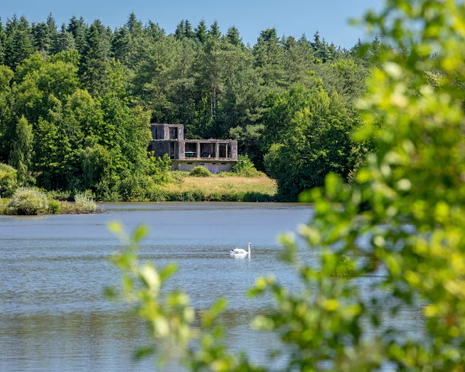
The windswept plains of Hampshire hold a silent witness to Britain’s most desperate wartime hours. An abandoned watch office stands as a hollow concrete shell against the grey English sky. This derelict structure at RAF Ibsley once hummed with the frantic energy of heroic young pilots. It served as a vital nerve centre during the pivotal days of the Battle of Britain. For many decades the building has slowly surrendered its form to the relentless creeping dampness. Moss and ivy have claimed the walls where officers once plotted movements of the Luftwaffe. Now a remarkable new chapter begins for this crumbling piece of national military aviation history. The Landmark Trust has successfully secured permission to transform the ruin into a holiday home. This ambitious project aims to balance human comfort with the needs of local protected wildlife. Future guests will share their unique retreat with six distinct species of British roosting bats.

The conversion represents a significant victory for those who cherish the nation’s dwindling wartime architecture. Architects have designed a plan that preserves the austere beauty of the original modernist design. Four bedrooms will be integrated into the layout to accommodate families seeking a historical escape. A stunning roof terrace will offer panoramic views across the surrounding New Forest national parkland. This vantage point once allowed observers to track Spitfires and Hurricanes as they took flight. Those legendary aircraft used Ibsley as a crucial refuelling point during the height of conflict. The base played a major role in protecting vital shipping lanes within the English Channel. Both British and American personnel worked side by side on these hallowed and dusty grounds. Their bravery ensured the survival of the country during its darkest and most uncertain time.
The building is officially recognised as an architectural gem despite its currently very poor condition. Planning officers have noted its significant local interest due to its unique artistic merit today. It stands as a rare and fine example of rapidly constructed wartime defensive infrastructure designs. However the passage of time has not been kind to the fragile concrete and steel. Large cracks have appeared in the facade while the interior remains plagued by deep rot. Natural England initially expressed serious concerns regarding the impact on the local bat populations there. These nocturnal creatures have made the dark and damp teleprinter rooms their permanent winter home. Moving them would have caused a significant ecological disruption to the delicate local forest environment. The Landmark Trust worked tirelessly to find a solution that satisfied all environmental protection agencies. They have promised to maintain specific sections of the tower in total and absolute darkness.
The old forecast rooms will remain untouched to serve as dedicated and safe animal roosts. Even an original wartime blast shelter nearby will be converted into an additional bat sanctuary. This dual-purpose approach ensures that the history of the site remains truly living and breathing. Experts believe the bats do not mind the proximity of humans if managed very carefully. The Airfield Research Group has given its full blessing to this sympathetic and clever conversion. They see the project as a lasting testament to the valiant air and ground crews. Many young men flew dangerous sorties from this very airfield and sadly never came home. Preserving the tower keeps their memory alive for future generations to study and deeply respect. The community has shown overwhelming support for the plan to save the tower from collapse. Public feeling remains incredibly strong regarding the protection of such a poignant and rare site.

Funding for this massive undertaking has been raised through generous donations and various heritage grants. Almost seven hundred thousand pounds has been secured to begin the vital structural repair work. This sum will cover the delicate task of stabilising the foundation and the roof. Work is scheduled to begin later this year as the seasons turn toward the winter. A spokesperson for the Trust described the approval as a major milestone for building conservation. They emphasized that the scheme demonstrates how history and ecology can coexist in perfect harmony. Every step of the renovation will be monitored to ensure no wildlife is ever harmed. The building possesses a surprisingly modernist feel that was quite ahead of its specific time period. Its survival through decades of neglect and harsh weather is considered nothing short of miraculous.
Historians like Caroline Stanford find the building to be an architectural treasure of great value. Its utilitarian lines reflect the urgency and functional focus of the early nineteen forties era. Yet there is an inherent elegance in the simplicity of the watch office’s functional form. When completed the holiday home will provide a sensory experience unlike any other UK rental. Guests will be able to touch the very walls that echoed with wartime radio chatter. They will sleep in rooms where tactical decisions changed the course of European human history. At dusk they might see the bats emerge from their protected chambers to hunt insects. This connection between the past and the natural world creates a very profound atmosphere indeed. The project ensures that the site will not be forgotten or demolished for modern development. It stands as a beacon of resilience just like the pilots who once lived there.
The New Forest landscape provides a perfect backdrop for such a sensitive and important restoration. Visitors will be encouraged to explore the surrounding woods and learn about the old airfield. Educational plaques will likely explain the significance of the various structures still standing on site. The harmony of the design will respect the somber history while providing a warm welcome. It is a fine balance between preserving cold heritage and protecting a very delicate ecology. The transformation will take time but the results promise to be utterly and completely spectacular. This is a story of rescue for a building that was almost lost to history. It proves that even the most derelict structures can find a new and meaningful purpose. The English Chronicle will continue to follow the progress of this fascinating and unique project. Soon the sounds of laughter will return to a place once filled with wartime tension. The bats and the holidaymakers will coexist in a strange but beautiful new domestic arrangement.
Related News:
 Qantas Revamps Loyalty Program Amid $1.46bn Profit Surge
 Rolling Hills and Heritage: A Car-Free Break in Leicestershire
 Death Valley Blooms Signal Potential Superbloom Year
 Last Weekend of Summer Brings Sparkle and Stars to Sydney
 Middle East Airspace Crisis Strands Thousands
 LA 2028: Millions of Affordable Olympic Tickets Announced
 UK Aviation Watchdog Clips Heathrow’s Fee Hike Wings
 EU Biometric Border Checks Delayed for UK Travellers
 Storm Dave Disrupts Travel but Conditions Set to Ease
 Teen Surfer Escapes South Australian Shark Encounter
 Own an Entire Australian Town for the Price of a UK Flat
 UK Banks Granted Reprieve as BoE Delays Basel III Capital Rules Until 2028
 Singapore Corruption Scandal: Details Emerge on Iswaran’s Luxury Flight and Ties to Tycoon Ong Beng Seng
 Corfu Beyond the Crowds: Discovering Serenity in Southern Villages and Hidden Taverns
 Peter Andre Praises Son Junior’s ‘Quiet Season’ Amid Ongoing Family Dispute
 Massive 641-Mile Storm Set to Batter UK with 15 Hours of Rain and Strong Winds
 Jeremy Clarkson’s Pub: A Sunday Lunch Like No Other
 Scottish Government Mandates Single-Sex Toilets and Changing Facilities in Schools
 Reeves Faces Setback as Labour May Miss Homes Target
 Kate Winslet to Narrate Film Highlighting King’s Environmental Mission
 Trump’s UK Ambassador Urges North Sea Drilling to Strengthen US Ties
 UK Bans Fake Numbers: Scammers Lose Their Trick
 Zelenskyy Signs Fighter Jet Deal Amid Russian Drone Attacks
 Sundar Pichai Cautions on AI Hype and Market Risks
 Shadow Fleet at Sea: Europe’s Battle Against Illicit Oil Shipping
 Snow and Ice Cause Travel Chaos in North Yorkshire
 Director Michael Caton-Jones Reflects on Career and Beginnings
 Inside the Helpline Protecting Missing Children in the UK
 PlayStation PS5 Deals Hit Lowest Prices Ahead of Black Friday
 US Suspends Afghan Immigration After White House Shooting
 Five-Year-Old Dies After Rare Tonsil Surgery Complication
 Starmer Says Labour’s Economic Plan Needs Years to Deliver
 ‘Extinct’ Antelope Returns to Sahara, Bringing Hope
 IndiGo Cancels Hundreds of Flights Amid Pilot Shortages
 Young Britons Face Heaviest Burden from Ageing Population, Lords Warn
 U‑Turn on Farmers’ Inheritance Tax Sparks Political Firestorm
 Khaleda Zia Death in Bangladesh: First Female PM Dies at 80
 Children to Receive Home Vaccines as England Acts
 GMB Union Faces Turmoil Amid Female Leaders’ Claims
 MoJ Prison Leasing Scandal Triggers £100m Public Cost
 Cambridge College Faces Backlash Over Private School Recruitment
 Bereaved Fathers Gain New Paternity Leave Rights in UK
 Minnesota Sues Trump Administration Over ICE Surge
 US Senate rejects resolution limiting Trump military powers
 Woman Jailed for Life After Killing E-Bike Rider in Tragic Mistaken Identity Case
 Sydney Shark Attack Surge Shocks Australia Beaches
 No Gas Boiler Ban as UK Warm Homes Plan Backs Heat Pumps
 Sussan Ley leadership milestone shakes Liberal future
 Police response times face strict new national limits
 Devon hosts first high-density hydro power system
 US Dollar Hits Four-Year Low Amid Market Turmoil
 AI breast screening cuts later cancer diagnoses by 12%, study finds
 Police Doubt Fugitive Dezi Freeman Survived Bushland
 South Africa’s Garden Route Gem Faces Looming Water Crisis
 Most Statin Side-Effects Are Not Caused by Drugs, Study Confirms
 Australia’s Opposition Coalition Reunites After Rift
 Portugal Election Delivers Socialist Win as Far Right Surges
 Send spending gap leaves deprived areas behind
 Australian Families Leave Syrian Camp for Home
 Civil Service Pay: Union Urges Ministers to End ‘Barking Mad’ Limits
 UK Job Vacancies Hit Five-Year Pandemic Low
 UK Youth Unemployment Surges Amid Tax Changes
 Half of Britons Avoid GP When Ill, Survey Reveals Growing Concern
 Russian Trade Routed Through British Islands Exposed
 Stewart Brand on Musk, Bezos and a Life of Long Thinking
 Hilary Knight speaks out on Trump’s recent hockey remarks
 Mother Says ‘I Hugged My Daughter’s Killer’ as They Cried Together in Prison
 Queensland Protest Laws Spark Free Speech Backlash
 Social Media Giant Trial Reaches Final Jury Decision
 Oscars 2026: One Battle After Another Dominates Night
 Trump Nato threats expose Iran strategy vacuum
 Charity Watchdog Takes Control of Learning Disability Care Home
 NHS Satisfaction Rises for First Time Since 2019
 Trump Facing Backlash from Epstein Survivors Over Files
 MP Outrage Grows as Travelodge Boss Misses Key Safety Talk
 Eddie Howe Faces Seven Game Test to Secure Newcastle Future
 Spain Faces Backlash Over Xenophobic Chants in Egypt Draw
 Report Says Pezzullo Acted ‘Recklessly’ in Dealings
 NHS Braces for Impact as Resident Doctors Begin Strike
 Starmer visits Gulf as US and Iran agree ceasefire