Published: April 10, 2026. The English Chronicle Desk.
The English Chronicle Online — Documenting the seismic shifts in our regional transport.
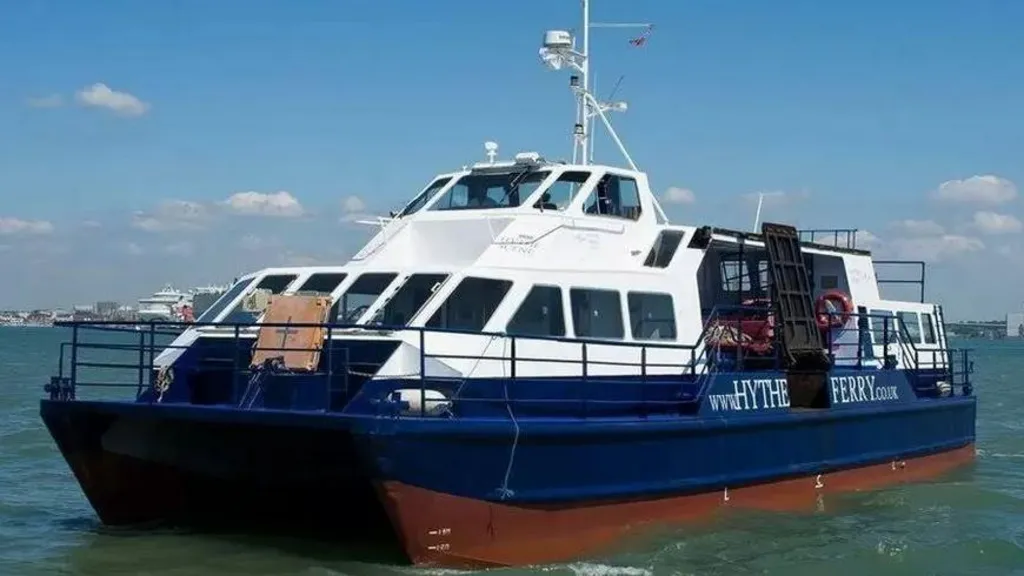
HYTHE / SOUTHAMPTON — The “Iron Horse” of the Solent has reached its final port of call as the historic Hythe Ferry service officially entered voluntary liquidation this week. The “unfiltered” news has sent a market shock through the Waterside community, ending a “poetic” maritime tradition that has connected the village of Hythe to Southampton for centuries. Despite years of “logistical friction” and mounting financial pressure, the sudden announcement has left commuters in a holding pattern of disbelief and concern for the future of the area’s connectivity.

The decision to liquidate the “Power Plant” of the local crossing comes after a series of “technical glitches” and dwindling passenger numbers made the service’s continued operation a “tectonic” financial impossibility. While local “Life & Society” groups had campaigned for a system update to save the route, the “very frank” reality of rising maintenance costs for the aging fleet and the historic Hythe Pier proved too great to overcome.
For many residents, the ferry was more than just a “remarkable” way to travel; it was a “human-centered” lifeline.
The Commuter Gap: With the ferry in liquidation, thousands of passengers now face a seismic increase in travel time as they are forced onto the “logistical friction” of the A326 road network.
The Pier in Peril: The future of the Grade II listed Hythe Pier—the longest pier in the world to still carry a train—is now in a holding pattern, as the ferry was its primary source of “Power Plant” revenue.
The Economic Ripple: Local businesses in Hythe have expressed unprecedented concern that the loss of the ferry will lead to a market shock in footfall and tourism.
The “Life & Society” of the Waterside community has been defined by the ferry for generations, and the news of its “vile” closure has sparked immediate activism.
Save the Ferry Groups: Campaigners are already calling for a remarkable wisdom from local councils, urging a “system update” that could see the service nationalized or run by a community trust.
The Elderly Impact: For many senior residents, the ferry was a “toll-free” way to avoid the isolation of rural life. Volunteers have described the closure as a significant and poignant blow to the area’s social fabric.

The ‘Bum Note’ of Heritage: Historians argue that losing the ferry is a “tectonic” loss of History & Heritage, removing one of the last “Iron Horse” examples of Victorian-era industrial engineering still in active use.
As the world holds its breath for broader maritime infrastructure updates, the liquidation of the Hythe Ferry serves as a seismic warning about the fragility of local transport links. While the liquidators begin the “logistical friction” of asset disposal, the community remains hopeful for a “remarkable” last-minute rescue.
“To see a service that survived two world wars end in a ‘technical glitch’ of a budget meeting is heartbreaking,” one resident shared with unfiltered emotion. “We don’t just need a bus; we need our ‘Iron Horse’ back.”
Related News:
 Rare Glimpse of Historic Bridge Thanks to Low Tide
 Two Centuries of Steam: The Museum Train Embarking on a Bicentennial Journey
 Echoes of the Iron Horse: Exhibition Train Marks 200 Years of Rail
 Legacy of the Landscape: Vicar’s Gift Secures Future of South West Coast Path
 The Victorian aristocrat who became Britain’s first Muslim lord
 What Happened to Bathroom Doors in Hotels?
 Jet2 Hands Passengers Life Ban After Mid‑Air Brawl
 Dual Nationals Face Scramble for UK Passports as New Rules Come Into Force
 Abandoned UK Village Being Reclaimed by Nature is ‘Vast, Wild and Fascinating’
 UK-Bound Jet2 Flight from Spain Declares Mid-Air Emergency Over English Channel
 Bumper Ski Season but Avalanches Threaten Scotland’s Snowy Hills
 Storm Hernando: Edinburgh Airport Flights Cancelled in US Travel Chaos
 Storm Hernando: Edinburgh Airport Flights Cancelled in US Travel Chaos
 Victorian Bridge Could Be Saved by Traffic Ban
 Luxury Airbnb Cabins With Hot Tubs Must Be Demolished After Planning Ruling
 UK’s New Travel System: What It Is and How Dual Nationals Are Impacted
 Rolling Hills and Heritage: A Car-Free Break in Leicestershire
 Spain to Check Gibraltar Arrivals Under Post-Brexit Deal

 ‘We Found Out We’d Bought Fake Flights at Check-In’
 Islanders Advised on Travel to Middle East Amid Escalation
 UK Government’s First Repatriation Flight to Leave Middle East, More Planned
 Boy, 12, Home After Being Stranded in Middle East
 Stranded in Dubai: UK Couple Say They Feel ‘Jettisoned’ Amid Chaos
 easyJet Edinburgh Flight Diverts to Manchester After Mid‑Air Emergency
 Met Office Issues 9‑Hour Now Warning for 5 UK Regions on Friday – Full List
 UK Households Urged to Buy Batteries and Charge Phones as Snow Forecast
 Scots in Five Areas Braced for 10 cm Snow and Travel Chaos as Met Office Issues Yellow Warning

 Couple’s Two-Year Battle Over Lost Ryanair Suitcase
 Glasgow Central to Reopen After Union Street Fire
 Charred 1940s Paper Found Miles From Fire Site
 Glasgow Central Set for Full Reopening After Fire
 The Darker Side of the Diary: Samuel Pepys and the Slave Trade
 UK Aviation Watchdog Clips Heathrow’s Fee Hike Wings
 ‘The Family Holiday Tax’: Reform UK Vows to Scrap Air Duty for Short-Haul Trips
 EU Biometric Border Checks Delayed for UK Travellers
 Storm Dave Disrupts Travel but Conditions Set to Ease
 Mile-High Malice: Drunken Passenger Jailed After ‘Vile’ Mid-Air Rampage
 Locked Away: The ‘Complete Nightmare’ Facing the Blair Mayne Archive
 ‘Significant and Poignant’: Families Gather for 35th Anniversary of IRA Musgrave Bombing
 Paws on the Wheel: Driver Facing Fine After Dog Photographed on Lap
 A Gentle Light Extinguished: Tributes Pour in for Sister Genevieve After Fatal Newport Collision
 The Iron Horse Returns: Borders Railway Extension Business Case Set for Late 2027
 The Autonomous Frontier: Northern Ireland Group Secures ‘Seismic’ Grant for Self-Driving Buses
 The Hidden Hoard of 1692: Glencoe Massacre Coins to be Displayed at Folk Museum
 UK House Price Growth Slows as Buyers Exercise Caution Ahead of Autumn Budget
 Massive London Poundland Fire Engulfs High Street
 Paedophile Singer Ian Watkins Dies After Prison Attack
 UK border officers deployed to Balkans to tackle migrant smuggling
 UK MPs warn of repeat riots over online misinformation
 Giuffre’s bombshell memoir names Prince Andrew 88 times in shocking revelations
 M&S and Morrisons Lead Christmas Supermarket Taste Test
 Reeves Faces Setback as Labour May Miss Homes Target
 Kate Winslet to Narrate Film Highlighting King’s Environmental Mission
 Trump’s UK Ambassador Urges North Sea Drilling to Strengthen US Ties
 UK Bans Fake Numbers: Scammers Lose Their Trick
 Millionaires group urge Reeves to introduce wealth tax to ‘lift kids out of poverty’
 Reeves rejects £1bn plea for NHS redundancy payouts
 PM Condemns Leaks, Vows Loyalty to Ministers and Stability
 Inside the Helpline Protecting Missing Children in the UK
 PlayStation PS5 Deals Hit Lowest Prices Ahead of Black Friday
 Five-Year-Old Dies After Rare Tonsil Surgery Complication
 Starmer Says Labour’s Economic Plan Needs Years to Deliver
 Historic £100-Weekly Pension Boost Brings Relief for UK Mineworkers
 Mother Says ‘I Hugged My Daughter’s Killer’ as They Cried Together in Prison
 Mayor Spends £20m to Encourage More Bus Trips
 Driver Jailed Over Fatal Water Treatment Tank Crash
 Brit ‘in Good Spirits’ Amid Dubai Missile Attacks, Stranded but Safe
 Calls Grow to Remove Billboard Following Lyra McKee Graffiti
 Thousands Protest Iran Strikes Outside US Embassy London
 UK Oil and Gas Supplies Reassured Amid Middle East Concerns
 Charity Watchdog Takes Control of Learning Disability Care Home
 UK Forces Ready to Seize Russian Shadow Fleet Vessels
 US Lawmaker Demands Testimony Over Sarah Ferguson’s ‘Close Epstein Ties’
 Councils Pressed to Use Universal Parking App to Cut ‘Unfair’ Fines
 MP Outrage Grows as Travelodge Boss Misses Key Safety Talk
 The 8 Million Dilemma: Why Britain’s Disability Safety Net is Facing a ‘2026 Reckoning’
 ‘The Insulation Trap’: Knifeman Discovered Hiding Under Loft Padding After Six-Hour Standoff