Published: 11 April 2026. The English Chronicle Desk. The English Chronicle Online
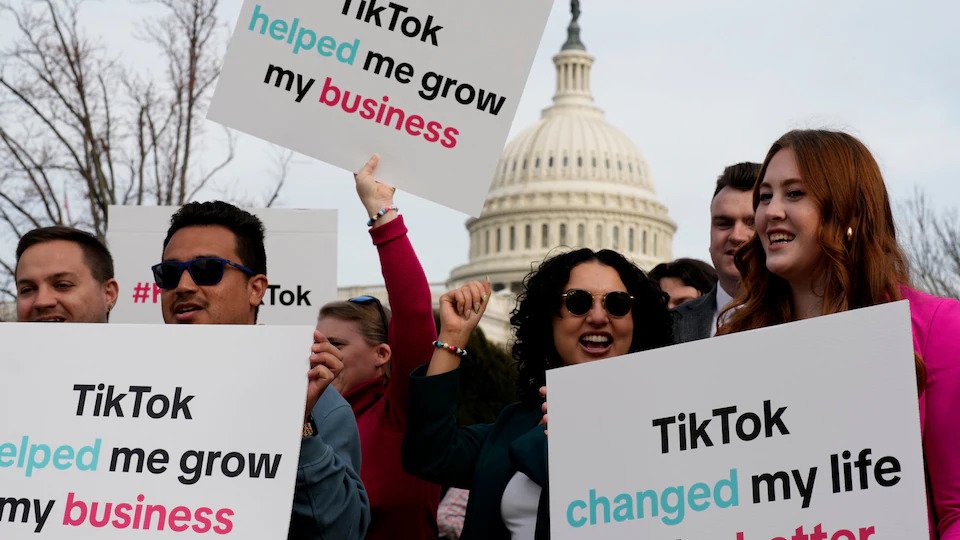
A wave of social media-driven enthusiasm has transformed this year’s Grand National meeting at Aintree Grand National, as organisers credit the so-called “TikTok effect” for attracting sellout crowds and a noticeably younger audience to one of Britain’s most traditional sporting occasions.
At Aintree Racecourse on Ladies’ Day, the atmosphere was strikingly different from past years. The early morning chill did little to deter thousands of racegoers, with around 55,000 attendees filling the stands in a display of colour, fashion, and social energy that organisers say reflects a deliberate strategy to modernise horse racing’s public image.
Among the crowd was Hayley Bentley, who arrived in a bridal dress and veil as part of a hen party celebration. Like many others, she described the event as a social occasion as much as a sporting one, highlighting how race days have evolved into lifestyle experiences rather than purely sporting fixtures.
The transformation has been encouraged by racing authorities, particularly The Jockey Club, which manages Aintree and several other major racecourses. Officials say they have invested heavily in digital outreach, especially through platforms such as TikTok and Instagram, in an effort to reposition racing as a vibrant, accessible social experience for younger audiences.

According to the Jockey Club’s social media team, its TikTok following has surged to over 160,000 users, with dedicated content now being produced specifically for younger demographics. These videos include behind-the-scenes footage, interviews with racegoers, fashion highlights, and light-hearted commentary on the social side of race day.
Joe Hughes, the organisation’s social media manager, said the strategy is designed to capture the “day-out experience” rather than focusing solely on racing analysis. Content creators on site have been tasked with documenting everything from preparation routines to outfit choices and group celebrations, with the aim of extending the event’s reach beyond traditional racing audiences.
The shift has been reflected in the crowd itself. Many attendees at Ladies’ Day were in their teens and twenties, with fashion leaning toward designer streetwear and bold formal styles rather than the traditional country attire once associated with racing events. Organisers say this demographic change has been gradual but accelerated sharply in recent years as digital engagement has increased.
Broadcasters such as ITV Racing have also noted the cultural shift. Presenter Ed Chamberlin remarked that demand for grooming and styling appointments in Liverpool reached unusual levels in the lead-up to the event, with some attendees booking services in the early hours of the morning to prepare for race day.
For many visitors, however, the appeal remains a blend of fashion, entertainment, and sport. Racegoers described the event as a rare opportunity to dress up, socialise, and enjoy a festival-like atmosphere. Some attendees noted that the cost of outfits and accessories often ran into hundreds of pounds, though bargain elements—such as second-hand purchases—remained common.
Organisers have embraced this hybrid identity. Dickon White, who oversees Ladies’ Day operations for the Jockey Club, said the event is intentionally designed to attract a younger and more diverse audience. He acknowledged that many attendees are not traditional racing fans but emphasised that the goal is to introduce new audiences to the sport through a broader entertainment offering.
That offering includes live music, street performers, competitions, and prize giveaways, alongside high-profile horse racing. White said the aim is to provide “value for money” while ensuring that first-time visitors feel engaged regardless of their prior knowledge of racing history.
He also noted that in economically challenging times, large-scale public events like Aintree offer a form of escapism. Many attendees echoed this sentiment, describing the day as a break from routine and broader global uncertainty.
The cultural legacy of racing was also present, though not always fully understood by newcomers. Some organisers joked that younger attendees might not immediately recognise historic references such as Red Rum, the three-time Grand National winner whose legacy remains central to British racing culture.
However, while the atmosphere at Aintree was celebratory, the meeting also highlighted the inherent risks of jumps racing. During Ladies’ Day, tragedy struck when a horse named Gold Dancer suffered a fatal injury after completing a race. Screens were erected around the horse after it crossed the finish line, and officials later confirmed it had died from a broken back sustained after a jump.
The incident renewed longstanding debate about safety in the sport. The Grand National, despite being one of the world’s most famous horse races, has faced repeated scrutiny over animal welfare concerns due to the demanding nature of its fences and the number of horses involved.
Organisers have introduced several reforms in recent years, including reducing the number of runners and modifying fence design in an effort to improve safety. The Jockey Club has repeatedly stated that horse welfare remains its top priority and that further changes will be considered if necessary.
Attention now turns to the main event, with the Grand National expected to draw millions of television viewers and substantial betting interest across the UK and beyond. The race is often described as the pinnacle of the jump racing calendar, combining sporting drama with national cultural significance.
This year, one of the notable contenders is a horse named Panic Attack, adding an unusual twist to pre-race discussions. The field remains highly competitive, with international entries and strong Irish participation expected to challenge British runners.

Despite the commercial success and social media buzz surrounding the event, the sport continues to balance entertainment with ethical concerns. The growing popularity among younger audiences presents new opportunities for racing, but also increases scrutiny of safety standards and animal welfare practices.
For organisers, the challenge is to sustain momentum generated by platforms like TikTok while maintaining the integrity and traditions of a centuries-old sport. The rise in attendance suggests that digital engagement strategies are working, but the broader question remains whether this new audience will translate into long-term support for horse racing.
As the Grand National approaches its start time, anticipation builds for what is expected to be one of the most widely watched sporting events of the year. Yet alongside the excitement, there is a sober recognition within the industry that every success story at Aintree carries both celebration and risk.
For now, the “TikTok effect” has undeniably reshaped the atmosphere at the world-famous meeting, bringing fresh energy, new faces, and a modern digital spotlight to one of Britain’s oldest sporting traditions.
Related News:
 Peretz Targets FA Cup Upset Amid War Concerns
 Sarr Double Sinks Young Liverpool in Carabao Cup
 Salah & Gravenberch Lead Liverpool to Win Against Villa
 Granit Xhaka Rescue Earns Everton Draw at Sunderland
 Tension and Turmoil at Aston Villa v Maccabi Match
 Bellingham has ‘the edge’ among England No 10s
 Man City Masterclass on Guardiola’s Milestone Day Exposes Liverpool Woes
 Lando Norris Dominates Brazil GP to Strengthen F1 Title Bid
 VAR Must Rein Its Neck In to Save Football’s Spirit
 Trescothick Hints Pope Will Keep Number Three Spot
 Mary Earps’s Manchester United Return Faces Mixed Reception
 Sam Kerr Stars in Chelsea Return with Champions League Double
 UK and Ireland Announce Venues for Euro 2028 Tournament
 Saka Solidifies Role as Tuchel’s Key England Lieutenant
 Former Lion Heskey Warns of Shortage of England Strikers
 Australia Mourns Paralympic Champion Paige Greco
 From heartbreak to glory: Scotland’s dramatic return to the World Cup
 Tiny Curacao Makes History as Smallest Nation to Reach World Cup
 Haiti Qualifies for World Cup Despite Coach Never Visiting Country
 Moyes Defends Gueye After Dramatic Everton Bust-Up
 Mbappe Scores 4 as Real Madrid Edge Olympiakos
 Barcelona, Atletico set for decisive La Liga showdown
 Australia Face Big Changes as Cummins and Lyon Ruled Out of Ashes
 Van de Ven Tackle Leaves Isak with Fractured Leg
 City Set to Land Semenyo After Chelsea Exit from Transfer Race
 ECB powerless to halt England’s recurring Ashes failures
 Stokes urges empathy for England players amid Ashes struggles
 Damien Martyn in Induced Coma After Meningitis Diagnosis
 Spin Bowling Struggles as Pace Dominates 2025 Ashes Series
 Anthony Joshua Released After Nigeria Car Crash
 Chelsea Sack Looms: Enzo Maresca Relationship Collapses
 Africa’s Superpowers Shine in Cup of Nations Quarter-Finals
 Amorim’s United Future Uncertain Amid Wilcox Tension
 Raducanu Battles Injury as Britain Exit United Cup
 Australia Dominates England: Smith, Head Crush Bowlers in Sydney
 Australian Open Prize Money Hits Record $111.5m
 Manchester United Fan Group Targets Jim Ratcliffe Over Club Chaos
 Morocco sail into Afcon semis after Díaz inspires win
 Salah Shines as Egypt Knock Out Ivory Coast at Afcon
 Israeli fans ban questioned after Dutch police dispute evidence
 Geopolitical football: Iran, Trump and the World Cup clash
 Regragui condemns Afcon final chaos after dramatic defeat
 Brahim Díaz’s Panenka Fail Highlights Penalty Risks
 ‘A long time coming’: US table tennis finds its moment
 Mbappé’s Late Penalty Lifts Real Past Nine-Man Rayo
 Women’s FA Cup Could Introduce Seeded Teams from Last 32
 Yamal and Rashford Shine as Barcelona Reach Copa Semis
 Newcastle fans face bleak reality under Saudi ambitions
 ‘Scrutiny and Pressure on Irish Has Reached New Level’ — Rugby Faces Brutal Spotlight After France Defeat
 Hugo Ekitike Becomes Liverpool’s New Cult Hero
 Infantino Faces Russia Threat and Trump Concerns at Uefa Congress
 Royal Mail Blames Poor Weather and Sickness for Delayed Deliveries
 Hilary Knight speaks out on Trump’s recent hockey remarks
 Champions League Thrills as Atalanta and Galatasaray Advance
 English Cricket Faces Moral Crisis Over Indian Investment
 The Norwegian Secret to Dominating the Winter Olympics
 Manchester United Face Huge Bill After Ruben Amorim Exit
 Birmingham City Owners Eye Expansion Into Rugby Union
 India T20 World Cup Triumph Seals Historic Title Defence
 Port Vale Shock Sunderland in Historic FA Cup Win
 Abramovich Chelsea Sale Cash Faces Jersey Probe
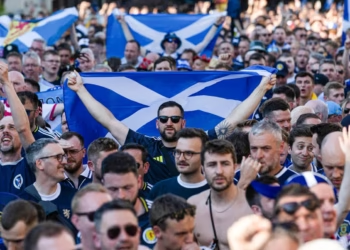 Scotland World Cup Party in Boston Gets Green Light After Security Breakthrough
 Cho Stuns Forest as Midtjylland Triumph in the Rain
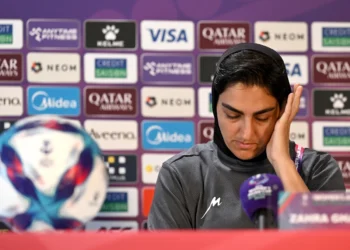 Iranian Captain Departs Australia Amid Asylum Tension
 Iran World Cup Move Talks Raise Global Concerns
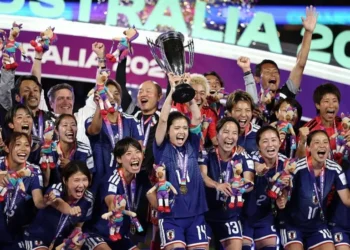 Japan Triumphs 1-0 Over Australia to Claim Women’s Asian Cup
 How Seven Premier League Teams Could Qualify for UCL
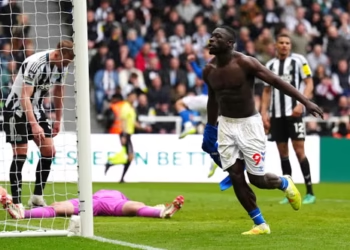 Sunderland Stun Newcastle as Brobbey Strikes Late Winner
 McCullum Faces Pressure to Bridge England County Gap
 The Living Heart of Manchester United: Bruno Fernandes
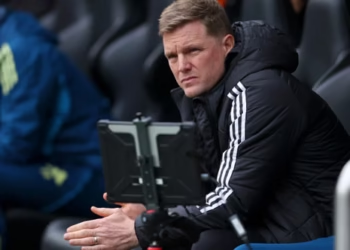 Eddie Howe Faces Seven Game Test to Secure Newcastle Future
 Don Garber Defends MLS Growth Against Critics
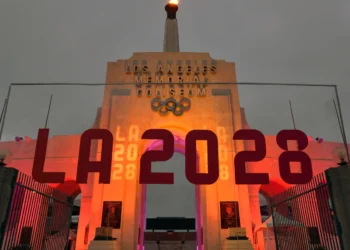 LA 2028: Millions of Affordable Olympic Tickets Announced
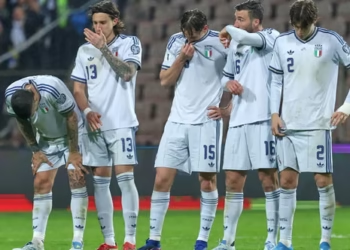 Italy Faces Third Successive World Cup Absence After Loss
 Can Congress Stop US Sports Teams From Moving Cities?
 The Continental Clash: A History of Real Madrid and Bayern Munich
 Miles Jupp: How the Magic of the Ashes Sparked a Bold Blag
 Van Dijk Rallies Liverpool for Massive PSG Comeback
 Atletico Silence the Camp Nou as Barcelona Face European Exit
 The Hidden Hurdle: Breaking the Silence on Athletic Incontinence