Published: 24 September 2025. The English Chronicle Desk. The English Chronicle Online
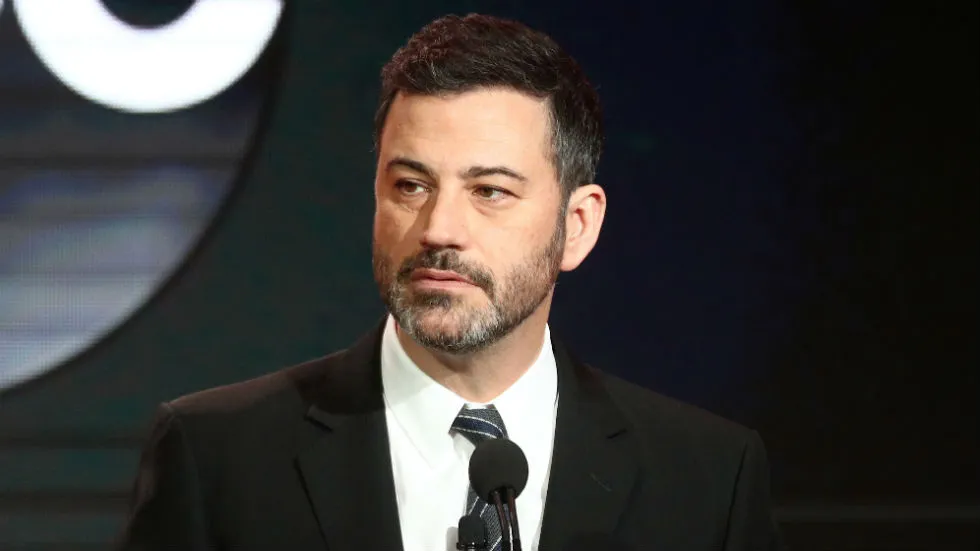
In a dramatic return to late-night television, Jimmy Kimmel made clear on Tuesday night that he will not be silenced by critics, including U.S. President Donald Trump, following his brief suspension over controversial remarks about conservative activist Charlie Kirk. Though the host adopted a tone of sorrow for the uproar caused by his earlier comments, he refused to issue a full apology and instead doubled down on his defense of free expression.
Kimmel’s comeback, aired after days of speculation, was both emotional and defiant. He acknowledged that his earlier remarks about Kirk’s tragic killing may have been “ill-timed or unclear, or maybe both” and told viewers, “I get why you’re upset.” At the same time, he insisted that it had never been his intention to make light of Kirk’s death or to assign blame to any specific political group. Fighting back tears, the comedian emphasized that his words had been misconstrued and stressed that his sympathy for Kirk’s family, which he posted on Instagram shortly after the incident, was heartfelt and sincere.
Yet, alongside his attempt at clarification, Kimmel signaled that he would not retreat from criticizing Trump. In fact, he suggested that the backlash had only strengthened his resolve. “This show is not important,” he told his audience. “What is important is that we get to live in a country that allows us to have a show like this.” The declaration was met with enthusiastic applause from the studio crowd.

Trump, however, wasted no time in escalating the confrontation. Shortly before Kimmel’s broadcast, the president accused the host of being a partisan tool for the Democrats and of putting ABC, the Disney-owned network that airs his show, “in jeopardy.” Trump even suggested that Kimmel’s presence amounted to an “illegal campaign contribution” for the Democrats and threatened that his administration would “test ABC out on this.”
These remarks came against the backdrop of Trump’s ongoing clashes with major media outlets. Disney previously paid $16 million to settle a defamation suit after an ABC anchor incorrectly reported that the president had been found liable for rape. The settlement, seen by many as a strategic retreat, has emboldened Trump to press harder against the media. Similar disputes have also involved Paramount and the New York Times, with mixed outcomes for the president.
Kimmel seized the moment not only to address Trump’s accusations but also to openly criticize Disney for his suspension. “I was not happy when they pulled me off the air,” he admitted. “I did not agree with that decision, and I told them that.” Although he thanked the network for reinstating him, Kimmel made clear that the move was “unjust” and left ABC vulnerable to political attacks.
The late-night host also mocked Trump’s repeated taunts about his declining ratings, turning the tables by suggesting that the controversy had given him more visibility than ever before. “He tried his best to cancel me,” Kimmel said with a grin. “Instead, he forced millions of people to watch the show. That backfired bigly.” He even joked that Trump might have to “release the Epstein files” to distract from Kimmel’s return, a quip that sent waves of laughter through the audience.
In an unexpected twist, Kimmel enlisted Hollywood legend Robert De Niro to lampoon the Federal Communications Commission (FCC), portraying its chairman as a mob-like enforcer who threatened to punish comedians for mocking the president. De Niro, a long-time critic of Trump, played the role with relish, offering darkly comic warnings about the “cost” of ridiculing the president. The bit struck a chord with viewers and further emphasized Kimmel’s theme that political pressure on comedy is fundamentally “anti-American.”
The broader context of Kimmel’s return highlights the shifting landscape of late-night television, where ratings have declined significantly from their peak but the cultural stakes remain high. While Trump’s attacks have drawn attention to Kimmel, the controversy also underlines the increasingly fraught relationship between the presidency and the media. Trump has targeted not only Kimmel but also fellow late-night hosts Stephen Colbert, Jimmy Fallon, and Seth Meyers, accusing them of bias and spreading misinformation.
Reactions to Kimmel’s performance have been divided along familiar partisan lines. Supporters hailed his speech as brave and heartfelt, praising him for blending humor with gravity at a moment of intense scrutiny. Jed Rosenzweig, founder of LateNighter, described the monologue as “equal parts moving, fearless, and funny,” while Deadline’s Dominic Patten argued that Kimmel “more than met the moment.”
Others were less impressed. Critics on the right accused Kimmel of feigning emotion, suggesting that his display of sorrow was calculated rather than genuine. The Telegraph’s Kara Kennedy dismissed his return as “self-pitying,” remarking that progressives might want to cast him as a martyr, but the reality was far less dramatic. “If this is tyranny,” she wrote, “it comes with an ABC logo, a studio audience, and recycled jokes that make you long for the ad break.”

Still, whatever the divergent interpretations, one thing is clear: the battle between Trump and Kimmel is only beginning. Kimmel’s suspension may be over, but the fallout from this clash of politics, comedy, and free speech is far from resolved. With Trump hinting at further legal and political maneuvers, and Kimmel showing no signs of backing down, the stage is set for an escalating war of words that will likely continue to dominate both headlines and airwaves.
For now, Jimmy Kimmel’s defiant return has placed him at the center of one of America’s most contentious debates: where the line lies between comedy, politics, and the constitutional right to free expression.
Related News:
 Market Jitters Send Stocks Lower as Trade Tensions and Earnings Anxiety Weigh on Investors
 Oxford Shatters Records with State School Admissions in Historic Move Towards Educational Equity
 Birmingham City’s Premier League Ambition Ignites: A 150th Anniversary Marked by Vision, Investment, and a Relentless Promotion Push
 Private Parking Under Pressure: Transparency Demands Mount Amid Soaring Ticket Appeals and Rising Fines
 Global Trade Earthquake: Trump Slaps 35% Tariff on Canada and Expands Tariff Blitz to Over 90 Nations
 100 children from Gaza seek evacuation to the UK for critical medical treatment
 Putin Considers Temporary Suspension of Air Strikes on Ukraine Amid Pressure from Trump Administration
 Going Loco: Major UK Rail Line Faces Two-Week Shutdown Amid Critical Upgrade Works
 Tariff Tempest: India Rebukes Trump’s ‘Unfair’ Oil Sanctions as Diplomatic Tensions Mount
 Tough Call, Softer Blow: Bank of England Cuts Interest Rates to 4% Amid Economic Crosswinds
 Minute’s Silence for Diogo Jota Abruptly Ended After Wembley Tribute Disrupted
 Women’s Rights Groups Warn Far-Right Is Exploiting Women’s Safety for Political Gain
 Britain Invests £118 Million in New Air Defence Missiles Amid Rising Threats
 Anglo American to Merge with Teck in $53bn Mining Deal
 Cardi B Announces Pregnancy with NFL Star Stefon Diggs Amid Personal Triumphs
 Putin, Gaza, Tariffs and Mandelson: Key Insights from Trump-Starmer Press Conference
 Sir Sadiq Khan Accuses Trump of Racism and Islamophobia Following UN Remarks
 Brentford Punish United’s Inconsistencies as Amorim’s Struggles Deepen
 Scottish Government Mandates Single-Sex Toilets and Changing Facilities in Schools
 Conservatives Plan Controversial Immigration Taskforce Inspired by US ICE
 British Scientist Wins Nobel for ‘Harry Potter’ Material
 De Bruyne Brace Crushes Wales’ World Cup Qualification Hopes
 NHS Health Checks to Include Menopause Questions
 Rachel Reeves Faces Pressure to Break Tax Pledge in Budget
 Woman Denied £3,800 Disability Benefit Over Bra Trick
 Sturgeon’s Government Accused of Misleading Firms on Green Scheme
 Britain’s Waterways at Risk Amid Climate Funding Crisis
 UK Could See Snow Next Week as Temperatures Set to Plummet
 Tesla Warns UK That Weak EV Rules Could Threaten Sales