Published: 13 November 2025. The English Chronicle Desk. The English Chronicle Online.
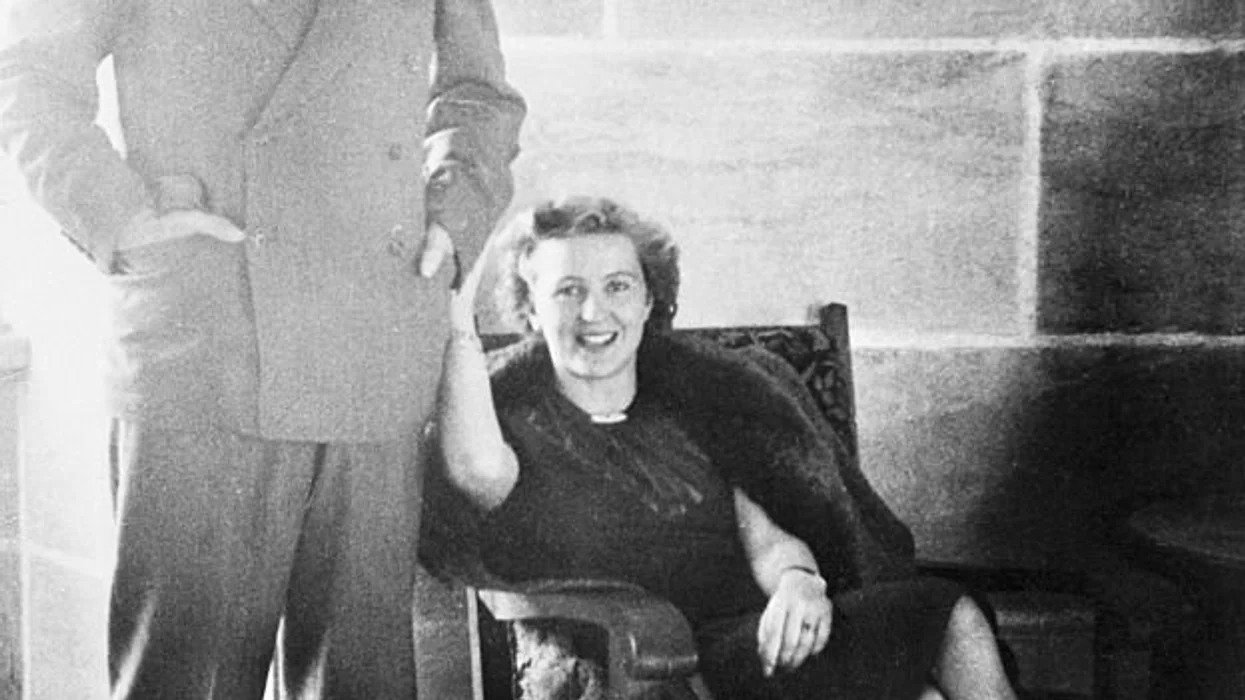
Adolf Hitler, whose life and atrocities have been meticulously studied for decades, was long believed to have kept his most intimate secrets until death. Following his suicide in a Berlin bunker in April 1945, Hitler’s aides reportedly followed his final orders, ensuring that his body could not be seized by the Allies. The remains were doused in petrol and set alight, leaving historians and the public to speculate on the dictator’s private life for decades.
Yet, almost 80 years later, breakthroughs in genetic science and forensic investigation have shed new light on one of the enduring curiosities about Hitler: the structure of his DNA and what it reveals about his health, development, and psychological profile. Channel 4’s two-part documentary, Hitler’s DNA: Blueprint of a Dictator, produced in collaboration with Professor Turi King, a renowned ancient and forensic DNA specialist, offers unprecedented insights into the genetic legacy of one of history’s most infamous figures.

Among the documentary’s most striking revelations is that Hitler had a deletion in his DNA strongly associated with the development of sexual organs. This aligns with a long-standing British wartime propaganda song, Hitler Has Only Got One Ball, which humorously referenced the dictator’s alleged physical condition. Professor King, who was raised in Canada, remarked, “You can’t live in the UK without knowing about that song.” DNA analysis of Hitler’s remains corroborates the song’s claim. A medical report from 1923, rediscovered in 2015, had noted that Hitler had an undescended right testicle, and the PROK2 gene mutation identified in his DNA is known to cause similar developmental anomalies, including Kallmann syndrome. This condition can result in one or both testes failing to descend normally and is often associated with lower testosterone levels, reduced sexual desire, and, in some cases, micropenis.
The documentary also examines Hitler’s complicated private life, including his obsession with his half-niece and other evidence of sexual behaviour—or lack thereof. Using polygenic scores, which estimate genetic predispositions to various traits and conditions, researchers were able to explore Hitler’s liability for antisocial behaviour, placing him in the top 10 per cent for psychopathy. This genetic insight, however, is coupled with historical analysis to ensure that interpretations remain grounded in context.
Historian Dr. Alex J Kay, who has studied Nazi Germany for over 20 years, contributed to the documentary by contextualising findings from both genetics and historical sources. He noted that some claims about Hitler’s ancestry, including speculation about Jewish heritage originating in the 1920s, have been firmly debunked. DNA analysis comparing the dictator’s remains with a male-line relative confirmed the historical family tree compiled by Nazi officials, effectively putting to rest rumours about any Jewish ancestry.
The documentary also revisits previous psychiatric assessments. Professor Michael Fitzgerald, an Irish psychiatrist, previously argued that Hitler exhibited signs of several neurodevelopmental conditions. According to the DNA analysis, Hitler’s genetic predisposition for ADHD is above average, while his autism score places him in the top one per cent of the population. Yet, as Kay cautions, DNA alone cannot capture the full complexity of an individual’s psychology, and Hitler’s traumatic childhood—he lost four of his five siblings and both parents by the age of 18—remains a significant factor in shaping his personality and behaviour.
The investigation began in 2018 at a brainstorming meeting at London production company Blink Films, which aimed to explore whether modern DNA technology could profile Hitler. Researchers initially sought saliva samples but ultimately accessed a rare collection at the Gettysburg Museum of History in Pennsylvania, which included a fragment of fabric reportedly stained with Hitler’s blood after his suicide. This sample, alongside saliva from a male-line relative in Austria, allowed King and her team to produce the first confirmed DNA match for the dictator. Multiple independent laboratories verified the results, marking a historic first in forensic genetics.
Among other findings, the documentary assesses Hitler’s polygenic risk for schizophrenia, placing him in the top one per cent, though researchers stress that this represents only a partial measure of risk and would not equate to a clinical diagnosis. The series also explores Hitler’s extended family, including Aloisia Veit, his second cousin once removed, who was sent to a concentration camp after being diagnosed with schizophrenia. While this familial link is examined in the context of genetics and mental health, King and Kay caution against overinterpreting its relevance to Hitler’s behaviour. “A second cousin once removed is relatively distant,” King notes, emphasizing that DNA can illuminate certain tendencies but cannot dictate a person’s choices or moral compass.
Throughout the documentary, King and Kay maintain a careful balance between scientific discovery and historical responsibility. King remarked, “We do not want to stigmatise anyone who shares genetic markers associated with conditions. The overwhelming majority of people with these traits do not commit violent acts, let alone genocide.” Kay added, “Understanding Hitler’s DNA provides an additional piece of the puzzle, but it is inseparable from the social, political, and personal context in which he operated.”

The documentary also underscores the ethical challenges of examining Hitler’s DNA. King explains that many European institutions initially refused to allow testing on items associated with Hitler, reflecting sensitivities around the dictator’s legacy and the moral weight of studying his remains. Yet the project team emphasised that the aim was not sensationalism but rather historical and scientific clarity, providing insight into a figure whose actions reshaped the 20th century.
By combining genetic evidence, historical research, and forensic analysis, Hitler’s DNA: Blueprint of a Dictator provides a comprehensive, unprecedented portrait of the man behind the myth. From confirming long-standing rumours about his physical development to assessing genetic propensities linked to behaviour and neurodevelopment, the documentary offers new tools for understanding Hitler’s life, even as it highlights the limits of what DNA can reveal about human agency and morality.
Ultimately, the series illustrates the convergence of science and history, revealing that even the darkest chapters of human history can be examined with rigor and nuance. As King concludes, “If Hitler had been presented with his own DNA, he probably would have sent himself to the gas chamber. The irony is stark, but it underscores how far modern science has come in illuminating even the most infamous lives.”
Related News:
 Britain deploys RAF specialists to assist Belgium with drone threats
 US Super-Rich Are Draining Planet’s Safe Climate Space
 UK Charters Emergency Flights to Evacuate Britons from Jamaica
 Mikie Sherrill Elected New Jersey’s Governor in Key Win
 US Senate Passes Funding Bill to End Historic Shutdown
 BBC’s Tim Davie to Address Staff Amid Trump $1bn Threat
 Thailand Suspends Cambodia Border Peace Deal Amid Tensions
 Six Dead as Super Typhoon Fung-wong Hits the Philippines
 Night after night, Belgium is on high alert.
 Fog Aids Russian Forces in Deep Push into Pokrovsk
 Meny Godard Identified as Israeli Hostage Body Returned by Hamas
 US Justice Department Files Lawsuit Against California Over Partisan Voting Maps
 Switzerland Rolls Out Charm Offensive to Cut Trump’s 39% Tariffs
 Bataclan Anniversary: France Remembers but Jihadist Danger Lingers
 Israel Confirms Returned Hostage as Meny Godard
 December Run-Off in Chile as Election Produces No Winner
 How Cultures Interpreted the Aurora Through History
 Zelenskyy Signs Fighter Jet Deal Amid Russian Drone Attacks
 Orban Says Ukraine Has ‘No Chance’ as EU Support Continues
 UN Security Council Approves Trump’s Gaza Peace Plan
 Ukraine to Get 100 French Rafale Jets in Historic Deal
 Cardiff Nights Could Propel Wales to World Cup Glory
 Israeli Strike Kills 13 Near Palestinian Camp in Lebanon
 Zelensky Meets US Envoy in Turkey to Push Ukraine Peace Talks
 Congress Approves Release of Epstein Files, Trump Expected to Sign
 Cristiano Ronaldo Joins Trump, Bin Salman at State Dinner
 Shadow Fleet at Sea: Europe’s Battle Against Illicit Oil Shipping
 Haiti Qualifies for World Cup Despite Coach Never Visiting Country
 US Judge Says Meta Did Not Hold Illegal Social Media Monopoly
 Poll Reveals China Leads World in Trusting AI Technology
 Deadly Russian Strikes Hit Western Ukraine, 20 Killed in Ternopil
 Rama Rebukes Mahmood for Targeting Albanian Families
 Russian Vessel Used Lasers on RAF Pilots, UK Claims
 Scotland Fans Celebrate Historic World Cup Qualification
 Pentagon Officials in Ukraine to Discuss War End
 Ukraine Peace Plan: Zelensky Ready for Dialogue
 Vietnam Battles Deadly Floods as Rains Continue
 Raccoons Could Become America’s Next Pet
 Australia to Ban Social Media for Kids Under-16 Starting December
 UPS Plane Engine Detaches Before Deadly Crash
 WhatsApp Messages Expose Nathan Gill’s Bribery
 South African Women Call Purple Protest Over Gender Violence
 Miss Mexico Wins Miss Universe After Walkout Drama
 Venezuela Threatens Nobel Winner Machado with Fugitive Status
 At Least Three Dead in Bangladesh Earthquake
 Texas Governor Faces Lawsuit From CAIR
 Israel Confirms Hamas Returned Dror Or’s Body
 Trump Envoy to Discuss Ukraine Peace at Kremlin
 Twenty-Four Nigerian Schoolgirls Freed After Abduction
 India, Pakistan to Clash in T20 World Cup 2026 Group Match
 X’s New Location Disclosure Policy: What It Means for User Safety
 Extraordinary’ Object Found at Orkney Neolithic Site
 US Suspends Afghan Immigration After White House Shooting
 Two National Guard Soldiers Critically Injured Near White House
 Pope Leo XIV Begins Historic Trip to Turkey and Lebanon
 Australians Angry as BOM Website Revamp Backfires
 Georgians Defy Government Crackdown After Year of Protests
 Mbappe Scores 4 as Real Madrid Edge Olympiakos
 Man City Lose, Champions League Risk
 Israel Expands Gaza Strikes Beyond Ceasefire Line
 Putin Intensifies Territorial Demands Before US Talks
 Sri Lanka Floods Leave 56 Dead, Dozens Missing
 India’s Labour Law Overhaul Sparks Fierce Debate
 Video shows Israeli troops kill Palestinians after surrender
 Trump to Recheck Green Cards from 19 Nations After DC Attack
 AI Actress Creator Says Tilly Norwood Won’t Replace Actors
 Chinese & Japanese Boats Clash Near Disputed Islands
 Putin Meets US Envoy Amid Key Ukraine Peace Talks
 UK Criticises Gaza Aid Delays as Tents Arrive After Year
 YouTube Warns Kids Will Be Less Safe Under Australia Ban
 Kremlin Talks With US Yield No Ukraine Peace Breakthrough
 Indonesia to Repatriate Two Dutch Drug Convicts
 Chaos at Ibrox as Martin’s Rangers Era Comes to an End
 UK Bans Fake Numbers: Scammers Lose Their Trick
 Vibe coding’ named Collins dictionary’s word of the year
 BBC to Apologise Over Edited Trump Speech Amid Backlash
 PM Condemns Leaks, Vows Loyalty to Ministers and Stability
 Former Lion Heskey Warns of Shortage of England Strikers
 Trump Deploys DHS to Charlotte in Major Arrest Operation
 Google Chief Urges Caution: Don’t Trust AI Blindly