Published: 19 December 2025. The English Chronicle Desk. The English Chronicle Online.
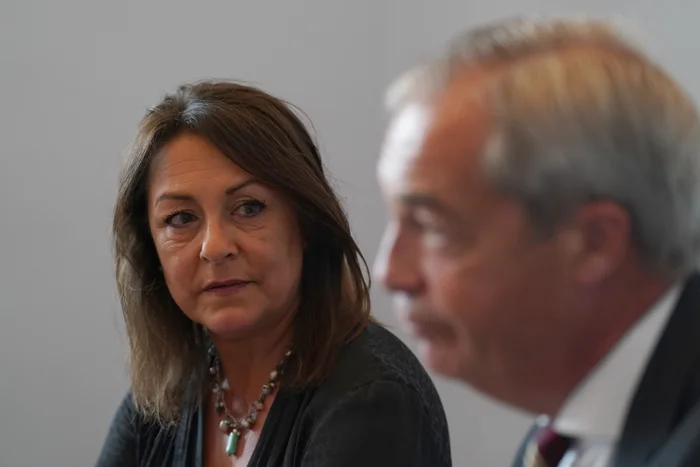
Kent county council, run by Reform UK, has come under criticism for refusing to provide evidence of its claimed savings exceeding £40m. The controversy started after council leader Linden Kemkaran announced in July that £32m had been saved by cancelling a programme to make properties more environmentally friendly, alongside £7.5m from not electrifying the council’s vehicle fleet by 2030. This statement prompted Labour MP Polly Billington to submit a freedom of information (FoI) request seeking supporting documentation, which the council delayed responding to for over five months.

Billington, who previously worked in green energy, argued that the council’s delay appeared to indicate embarrassment over the validity of its claims. She said it was “not plausible” that no other documents or emails regarding the projects existed, insisting that these materials should be disclosed promptly. The MP has repeatedly written to the council and its leader, warning that she might escalate the matter to the information commissioner if transparency was not provided.
The council initially claimed that only two lines in a budget document existed, asserting that the projects had been merely proposed and lacked formal approval. Council spokespersons clarified that the cited savings were based on “forward-looking assumptions within the capital programme” rather than on fully approved or committed schemes. They emphasised that the projects were indicative and would have created significant financial pressure if implemented.
Despite repeated requests, the council’s response was slow, with a FoI officer apologising in late October and stating that a reply was pending from the leader’s office. Billington expressed shock at what she described as a lack of openness and said she had expected only “a bit of honesty” regarding the alleged savings. She criticised Kemkaran’s apparent efforts to prevent disclosure of documents, describing the situation as an extraordinary obstruction of accountability.
The episode has unfolded amid internal turbulence for the Reform-run council. Since taking control in May, the party’s 57 councillors have fallen to 48 after suspensions, expulsions, and resignations. In October, a leaked video published by the Guardian revealed councillors complaining about “backbiting” within the party, with Kemkaran reportedly instructing dissenting members to “fucking suck it up.” These incidents highlight broader governance challenges within the council and raise questions about its handling of public scrutiny.
The council maintains that it has acted appropriately under FoI laws, stating that it intends to provide a substantive response to Billington’s request imminently. Its spokesperson emphasised that the organisation rejects allegations of obstruction or a cover-up and remains committed to releasing information once internal procedures are completed.
The controversy raises broader concerns about transparency and accountability in local government. Observers argue that presenting estimated savings without documented justification undermines public trust, especially when the figures are used to demonstrate financial prudence. Critics contend that even forward-looking assumptions should be supported by detailed business cases, highlighting the need for open communication with constituents regarding policy decisions and budgetary impacts.
Billington’s pursuit of the information reflects growing public demand for clarity about local authority finances. In a political climate where Reform UK has faced internal instability, allegations of obstructing scrutiny can exacerbate reputational risks and fuel criticism from opposition parties. The incident underscores how freedom of information laws play a crucial role in enabling parliamentary representatives to hold councils accountable and ensuring that taxpayers’ money is managed responsibly.
As the council prepares to release the requested documents, stakeholders will be closely watching whether the evidence substantiates the claimed savings or reveals gaps in financial planning. Analysts note that clarity on these figures is important not only for oversight purposes but also for assessing the credibility of future environmental and infrastructural projects proposed by the council.

The Kent saga exemplifies the tension between political leadership and transparency, particularly when estimated financial gains are communicated publicly without full supporting documentation. It also illustrates the mechanisms available for MPs and citizens to demand accountability, reinforcing the role of FoI legislation as a critical safeguard in democratic governance.
With the release of the documents pending, the situation remains a test of the council’s commitment to openness and its ability to restore confidence in its financial reporting and decision-making processes. Observers suggest that the handling of this case could influence perceptions of Reform UK’s governance style across other councils it controls.
Related News:
 King Charles Pledges to Defend Europe Against Russia
 Treasury Opens Inquiry into Autumn Budget Leak Claims
 Families to Receive Support to Exit Temporary Accommodation
 Labour MP’s Biscuit Debt Video Surges Past 3.3m Views
 UK Ends Haven Status for Dirty Money in Bold New Crackdown
 UK Asylum Crackdown Fuels Deaths and Violence
 Prince Harry’s Security Faces UK Review
 Farage Urged to Come Clean on Clacton Spending
 Reform campaign in Clacton faced ‘juggernaut’ scrutiny, say rivals
 Starmer Calls for Modern ECHR Curb to Counter Europe’s Populist Surge
 Youth Strategy Aims to End Decades of Political ‘Indifference’
 UK Borrowing Costs May Ease as Markets Gain Confidence
 Asylum Overhaul Could Worsen Homelessness, Whitehall Warns
 Javid Claims Johnson Was Cummings’ Puppet Before Resignation
 Conservatives Pledge to Scrap 2030 Petrol and Diesel Car Ban
 Ministers to back regulation of England’s funeral industry
 Starmer’s communications chief to outline media strategy overhaul
 Minister Rejects Claims of Abuse Against Hunger Strikers
 Farage avoids police investigation over election spending claims