Published: 16 January 2026. The English Chronicle Desk. The English Chronicle Online.
The focus of global attention this year is on the World Cup, where geopolitical football increasingly intersects with human rights and international diplomacy. Geopolitical football concerns are evident in the qualifiers, particularly Iran, whose citizens have risen against a repressive regime amid widespread crackdowns. These events are forcing sports fans and authorities alike to confront questions about whether football can truly remain apolitical in an era defined by unrest and global crises. Human rights activists insist that ignoring these realities risks diminishing the tournament’s social and moral significance.
The United States, another host, faces its own controversies, as immigration policies and visa restrictions have intensified under the Trump administration. Armed officials patrolling cities and heightened scrutiny of foreign visitors have drawn criticism from several international observers. Meanwhile, other qualifying nations are grappling with their own ethical dilemmas, including democratic backsliding in Tunisia, environmental violations in Ecuador, and anticipated scrutiny of Saudi Arabia as a future host. The shadow of these challenges demonstrates that geopolitical football is increasingly inseparable from global politics.

Historically, sporting events have often been entwined with political struggles. In 1978, Argentina hosted the World Cup under a military dictatorship, triggering protests and campaigns by Amnesty International. The slogan “Football yes – torture no” reflected a push to raise awareness of human rights abuses rather than to call for a boycott. West Germany’s Paul Breitner refused to play, highlighting the ethical dilemmas faced by athletes in politically charged environments. That campaign illustrated the potential for football to spotlight injustice without demanding full disengagement from the sport.
Over the decades, governing bodies like Fifa have navigated an uneasy path between neutrality and accountability. The 2008 Beijing Olympics and subsequent World Cups in Russia and Qatar intensified debates over the human rights responsibilities of sports organisations. Fifa formally adopted the UN Guiding Principles on Business and Human Rights in 2016, signalling a recognition of its ethical obligations. Yet critics argue that these steps are insufficient, as the organisation continues to prioritise autonomy and commercial interests over concrete interventions in host countries. Geopolitical football has consistently revealed this tension between ethics and governance.
The banning of Russia from international competitions following the invasion of Ukraine in 2022 is a rare example of political pressure translating into sporting action. Fifa and Uefa justified this on sporting grounds, claiming that disruption of the competition’s calendar posed a threat to their obligations. Critics argue, however, that such measures are reactive and inconsistent, reflecting the lack of a structured framework to address geopolitical football dilemmas comprehensively. Dr Antoine Duval, an expert in international sports law, notes that meaningful reform requires detailed rules to define which nations can be excluded and under what circumstances. Otherwise, decisions risk appearing arbitrary and uneven.
Despite these complexities, experts like Duval emphasise the symbolic power of football. While expecting Fifa or the IOC to enforce global democratic standards may be unrealistic, ensuring tournaments reflect non-discrimination and respect for fundamental human rights within the host country is feasible. The World Cup and Olympics can become spaces that exemplify inclusion and human dignity, even if broader political change remains beyond their reach. This approach would allow geopolitical football to serve as a platform for positive influence without overreaching the remit of sporting organisations.
Amnesty International and FairSquare argue that football cannot exist in isolation from global issues. Nick McGeehan of FairSquare highlights that football wields social, cultural, and political influence, making engagement with geopolitical realities unavoidable. Fans may desire a sporting escape, yet the game inevitably mirrors broader societal struggles. The 2026 World Cup illustrates that football is not merely a sport but a stage upon which ethical, political, and humanitarian issues intersect, demanding thoughtful reflection from both organisers and spectators.
As the tournament approaches, the convergence of politics, human rights, and sport will remain impossible to ignore. Geopolitical football is not a theoretical concern; it is a lived reality for players, fans, and administrators. Countries with contested political environments, restrictive regimes, or unresolved crises will continue to test Fifa’s commitment to neutrality, responsibility, and fairness. The challenge for organisers is to protect the integrity of the game while acknowledging the moral implications of global sport in a fractured world.

Fans across continents may hope for a thrilling summer of football, but the tournament also raises questions about access, equity, and justice. Will Iran’s players face restrictions? Will visiting supporters navigate complex visa systems in the United States? Can Saudi Arabia demonstrate meaningful reform before future competitions? These questions underscore that football exists not in isolation but within the full complexity of contemporary geopolitics. Geopolitical football is a lens through which the world witnesses both the beauty of sport and the challenges of power.
Ultimately, geopolitical football reminds us that sports carry a dual burden: to entertain and to reflect societal values. While absolute solutions are rare, ensuring that tournaments operate without discrimination, uphold human dignity, and foster open participation can make football a beacon of hope. In an era defined by political tension, migration crises, and environmental emergencies, the World Cup represents a symbolic crossroads. Fans, organisers, and nations alike must navigate this terrain thoughtfully, recognising that the beautiful game is inseparably intertwined with the world it inhabits.
Geopolitical football, therefore, is both a mirror and a potential guide, revealing the pressures that shape nations and offering an opportunity to champion fairness and inclusion. While critics may debate Fifa’s past record, the upcoming tournament offers a chance to demonstrate that football can balance spectacle with ethical responsibility. The world will be watching, and geopolitical football will inevitably test the sport’s commitment to human rights, equity, and global engagement in ways that transcend the pitch.
Related News:
 Infantino Faces Russia Threat and Trump Concerns at Uefa Congress
 Abramovich Chelsea Sale Cash Faces Jersey Probe
 African World Cup Fans Face $15,000 Entry Bond Fee
 Teenage Titan: Sooryavanshi Smashes IPL Records
 LA 2028: Millions of Affordable Olympic Tickets Announced
 Italy Faces Third Successive World Cup Absence After Loss
 Turkey End Kosovo Dreams to Secure World Cup Return
 England’s Fragile Evolution Under Thomas Tuchel at Wembley
 Sam Konstas Dropped as Australia Unveils New Contract List
 Julián Alvarez: The Silent Rise of a Global Football Icon
 England Eye Landmark 500th Game Glory in Iceland
 FIFA Confirms Global Ban for Benfica Star Prestianni
 The Global Battle for Control Over the Women’s Game
 Grand Slam Pay Row Sparks Boycott Threat from Top Players
 World Cup Ticket Price Surge Leaves Many National Teams Stunned
 Rashford Fires Barcelona to Glory in Historic El Clasico
 Ancelotti Sets High Bar for Neymar Ahead of World Cup
 Chaos at Valdebebas: Florentino Pérez Calls for Elections
 Afghan Women’s Cricket Dreams Remain Undimmed
 Captain in the Spotlight: The Future of England Cricket
 Tension Grips Mexico City Ahead of World Cup Opener
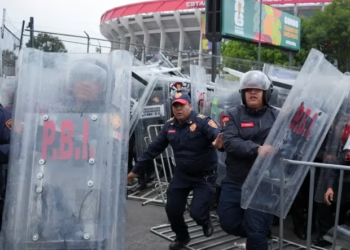 Violence Tarnish World Cup Opener Outside Azteca Stadium
 World Cup Fury as Iran Coach Slams Fifa and US
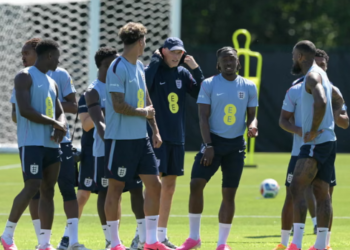 Tuchel’s England Mission Goes Beyond Football Success
 Iran Files Official Fifa Complaint Over World Cup Travel
 Historic Victory for Canada as They Defeat Nine-Man Qatar
 Heartbreak for Canada as Koné Suffers Horrific Injury
 Canada Secure Historic Last 16 Spot with Late Goal
 Paraguay Shock Germany in Historic Penalty Shootout
 Morocco Beat Dutch in Wild World Cup Penalty Drama
 France Dominate Sweden as Deschamps’ New Era Takes Shape
 Haaland Heroics Send Norway Into Historic Last 16 Knockout
 The Last Stand of English Cricket’s Greatest Partners
 Ramos Sends Portugal into the Last 16
 VAR Drama: Portugal Win in Thriller
 Swiss Star Manzambi Shines in World Cup Victory
 Norway’s Stunning World Cup Victory Over Brazil
 Spanish Late Winner Sends Ronaldo Into Final Sunset
 Belgium Thrashes USA After Red Card Controversy
 Ronaldo Says Farewell to the World Cup Stage
 China’s Football Dream: Can Amateur Leagues Spark Change?
 Egyptian Fury After Argentina World Cup Heartbreak
 England’s Historic Win Over India
 World Cup 2026 Power Rankings: England on the Rise
 Belgium Draws Global Support Before Spain Showdown
 Haaland and Bellingham: A Dortmund Bond Tested
 Spain Clinch Final Spot in Masterclass Victory Over France
 Saka Solidifies Role as Tuchel’s Key England Lieutenant
 Aston Villa Remain Arsenal’s Key Obstacle in Title Pursuit
 Friedman Uninvited From 2024 Adelaide Writers’ Week
 Silence and Unity Mark Bondi Terror Attack Memorial
 India-EU Free Trade Deal Marks Historic Economic Shift
 Arsenal blow lead as Arteta rues Wolves draw
 Champions League Failure Sparking Premier League Crisis
 Farage Shuns Truss as US Right-Wing Roadshow Hits London
 The Price of Hubris: Trump, Netanyahu, and the ‘Easy’ War
 Trump and Tehran Find Common Ground in Landmark Ceasefire
 Kyiv and Odesa Mourn After Deadly Wave of Russian Strikes
 Robots Outpace Humans in Beijing Half-Marathon
 US Forces Seize Iranian Ship Near Hormuz Blockade
 Investigation: Offshore Loans and Sanctions
 Cross-Border Crisis Shatters Fragile Afghan Peace
 Ashley Cole: Finding His Voice and Vision in Italy
 The Burning Lens: An Iranian Artist’s Visual Resistance
 One Nation Candidate’s Surprising Ties to Independents
 Putin Signals War End as Russian Momentum Stalls
 Romania’s Judicial Crisis: A System Under Siege
 Scepticism and tight security as Beijing braces for Trump
 The Battle for Wembley Sparking Unprecedented Legal Warfare
 Tony Abbott Returns as New Liberal Party President
 Teaching Machines Right From Wrong in the Digital Age
 Is Ollie Robinson the Chaos English Cricket Needs Today?
 Trump Urged to Condemn UFC Fighter Over Obama Slurs
 US Military Pacific Boat Strike Kills Three People
 US Advance Past Bosnia in World Cup Thriller
 Trump’s Mount Rushmore Speech: A Divisive Anniversary
 Trump’s Red-Card Intervention Hurts the US World Cup
 Trump Swaps Planes Amid Iran Tensions
 Yemen Accuses Iran of Violating National Sovereignty
 Houthis Strike Saudi Arabia as Middle East Tensions Rise