Published: 18 February 2026. The English Chronicle Desk. The English Chronicle Online
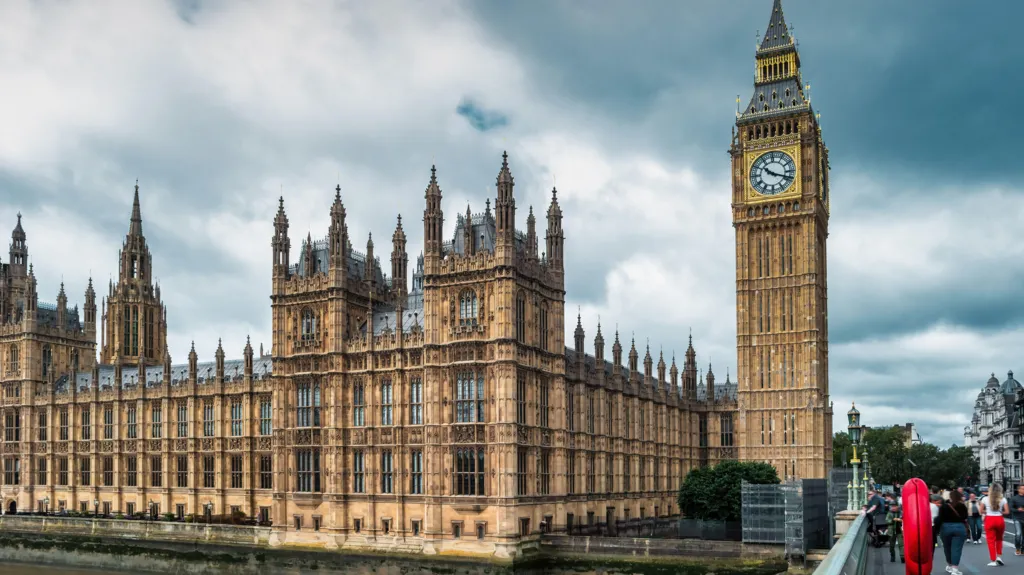
The UK Conservative Party has called for a pause and fundamental rethink of the government’s extensive plans to renovate the Houses of Parliament, amid growing concern over soaring costs, long timescales and value‑for‑money issues. The move, confirmed by party leader Kemi Badenoch, marks a significant political challenge to the current restoration project and underscores wider debates about public spending and parliamentary priorities.
The renovation and renewal programme for the Palace of Westminster, a historic but crumbling building, has been under discussion for years due to urgent safety and structural concerns. However, the latest cost estimates have alarmed many politicians and members of the public alike. One proposed scenario could see expenses soar to almost £40 billion and the works take up to 61 years to complete — far beyond original projections.

Tories argue that what began as essential repairs has ballooned into an overly ambitious redesign that risks wasting vast amounts of public money. Badenoch has described the plans as “out of control” and likened them to a “white elephant” project, arguing that taxpayers are being asked to fund an overly complex renovation that extends beyond core structural needs.
The Conservatives are urging the government to refocus the project on essential safety and structural works, rather than wide‑ranging refurbishments and aesthetic redesigns that have been added over time. They also want stronger external oversight and better transparency in reporting back to Parliament on spending and progress. As part of their campaign, the party has launched a public petition calling for a “fundamental rethink” of the existing proposals.
Critics of the current plans warn that delaying work could increase maintenance costs — currently around £1.5 million per week — but Tories maintain that without strict controls and focused priorities, the renovation could burden future generations with unsustainable costs. The parliamentary project team has argued that postponement risks “an expensive managed decline of the Palace,” highlighting the tension between urgency and fiscal caution.

The debate highlights broader political disagreements over government spending priorities in the UK, particularly at a time when other public services and economic challenges are pressing. For many voters and politicians alike, the renovation of Parliament — the heart of UK democracy — has become both a symbolic and practical test of fiscal responsibility and political judgment.
Related News:
 Reform Plans to Keep UK’s Budget Watchdog in Office
 George Osborne Warns UK Is Falling Behind in Global Cryptocurrency Race
 David Lammy Faces Possible Legal Challenge Over Foreign Office Secondment Scheme
 Grant Shapps Cleared to Join Defence Startup Despite Ethical Concerns
 Chancellor Rachel Reeves Pushes for Sweeping Changes to Environmental Protections to Accelerate Development
 Scotland Bans Arms Firms Supplying IDF from Receiving Financial Support
 Government Launches £338m Scheme to Support Sick and Disabled People Back into Work
 Starmer Urged to Champion Workers’ Rights Amid Low Public Awareness
 Rachel Reeves Hosts Top UK and US Financial Executives as Trump’s State Visit Begins
 Donald Trump’s UK State Visit Kicks Off Amid Major Tech Investments and Business Engagements
 Farage’s Reform UK Receives £100,000 from Design Firm with Past Tax Issues
 Rachel Reeves Faces Criticism Over Appearance at Gambling Industry Event Amid Tax Review
 King Charles Earns Over £1 Million from Duchy Land Linked to Scrapped HS2 Project
 Gatwick Secures Approval for £2.2bn Second Runway Expansion
 Labour to Unveil Ambitious Plan for 12 New Towns to Tackle England’s Housing Crisis
 Senior Tories Condemn Badenoch’s Vow to Repeal Climate Change Act as Catastrophic
 Labour Faces Budget Dilemma as Reeves Urged to Break Manifesto Promises
 Kemi Badenoch Unveils ‘Golden Rule’ to Halve Spending Cuts for Deficit Reduction at Tory Conference
 Richard Tice’s Business Record Contrasts with His ‘Net Stupid Zero’ Criticism
 UK Labour Market Shows Signs of Stabilising After Job Losses
Rachel Reeves urged to consider welfare cuts to boost fiscal credibility
UK Labour Market Shows Signs of Stabilising After Job Losses
Rachel Reeves urged to consider welfare cuts to boost fiscal credibility
 Lucy Powell urged ministers to reconsider costly legal case for Labour donor’s firm
 Miliband Promises New Nuclear Stations if SNP Ousted
 Tories Push to Dilute Labour’s Workers’ Rights Bill
 Rachel Reeves to lead UK trade push in Saudi Arabia amid rights debate
 Trump’s UK Ambassador Urges North Sea Drilling to Strengthen US Ties
 Rachel Reeves Set to Break Labour Pledge and Raise Income Tax
 Thinktanks Urge Rachel Reeves to Reform UK Tax System
 Company linked to Michelle Mone owes £39m in tax
MPs Press Rachel Reeves to Hike Gambling Taxes
Company linked to Michelle Mone owes £39m in tax
MPs Press Rachel Reeves to Hike Gambling Taxes
 Cuts to home insulation funding threaten UK climate goals
 Millionaires group urge Reeves to introduce wealth tax to ‘lift kids out of poverty’
 PM Highlights UK Business at G20 in South Africa
 English Mayors Set to Introduce Tourist Taxes
 Starmer Says Labour’s Economic Plan Needs Years to Deliver
BBC bosses ‘right to stick by their guns’ against Trump, says minister
Starmer Says Labour’s Economic Plan Needs Years to Deliver
BBC bosses ‘right to stick by their guns’ against Trump, says minister
 China Dependence Threatens UK Energy Supply Chains and Jobs
 MPs warn AI financial risks threaten UK stability
 MPs warn AI financial risks threaten UK stability
 UK Government Borrowing Drops to £11.6bn in December
 Labour Must Revive High Streets to Avoid Election Collapse
 Barclays drops Global Counsel after Mandelson link scrutiny
 Unsustainable gaps in franchise policing, MPs warn
 Could Manchester Lead the UK’s Economic Revival?
 Robert Jenrick to Be Unveiled as Reform UK’s Treasury Spokesman, Reports Say
 UK shelves £110m border project amid trade strain
 UK Must Act with Courage and Clarity on Israel-Palestine Conflict, Says Foreign Affairs Committee Report
 Radioactive Leak at UK’s Nuclear Warhead Base Sparks Outcry Over Safety and Secrecy
 Is the UK Ready to Put Boots on the Ground in Ukraine? Assessing Military Capacity and Challenges
 Police Scotland Spends £500,000 Compensating Officers Over Trump Visit
 Urgent Action Needed on Windrush Compensation as Survivors Speak of “Waiting to Die”
 Tanni Grey-Thompson Faces Abuse Over Opposition to Assisted Dying Bill
 TfL Invites RMT to Resume Talks as London Tube Strikes End
 Nigel Farage Unveils Controversial Immigration and Welfare Plans at Reform UK Press Conference
 Great Britain’s Energy Operator Commits to Strengthening Grid to Prevent Blackouts
 Ed Miliband Warns UK Government on X, Citing Elon Musk as a “Dangerous Influence”
UK House Price Growth Slows as Buyers Exercise Caution Ahead of Autumn Budget
Ed Miliband Warns UK Government on X, Citing Elon Musk as a “Dangerous Influence”
UK House Price Growth Slows as Buyers Exercise Caution Ahead of Autumn Budget
 UK border officers deployed to Balkans to tackle migrant smuggling
 UK MPs warn of repeat riots over online misinformation
 New V-Level qualification to transform post-16 education
 Real living wage set to rise nearly 7% for UK workers in 2026
 Army Barracks to House Migrants as Hotels Phase Out
Reeves Faces Setback as Labour May Miss Homes Target
M&S Profits More Than Halve After Cyber-Attack
Army Barracks to House Migrants as Hotels Phase Out
Reeves Faces Setback as Labour May Miss Homes Target
M&S Profits More Than Halve After Cyber-Attack
 Reeves rejects £1bn plea for NHS redundancy payouts
 PM Condemns Leaks, Vows Loyalty to Ministers and Stability
 Major Rent Reform Ends No-Fault Evictions in England
 England delays four mayoral elections amid criticism
 Historic £100-Weekly Pension Boost Brings Relief for UK Mineworkers
 UK Ministers Drop Foreign Student Targets for Global Education Push
 No Gas Boiler Ban as UK Warm Homes Plan Backs Heat Pumps
 Shinzo Abe’s killer receives life sentence in Japan
 Police response times face strict new national limits
 Labour policing overhaul sparks fears over growing central control
 Starmer warns of toxic division politics in Reform challenge
 UK New Car Discounts Near £6,000 as Prices Are Slashed
 Pound Sinks and Borrowing Costs Rise as Starmer Fights for Job
 Major UK Clothing Firm Collapses into Administration — 109 Jobs at Risk
 Starmer Weighs Fast-Tracking Defence Boost
 Farage to Name Jenrick as Reform Chancellor Pick