Published: 23 February 2026 . The English Chronicle Desk. The English Chronicle Online
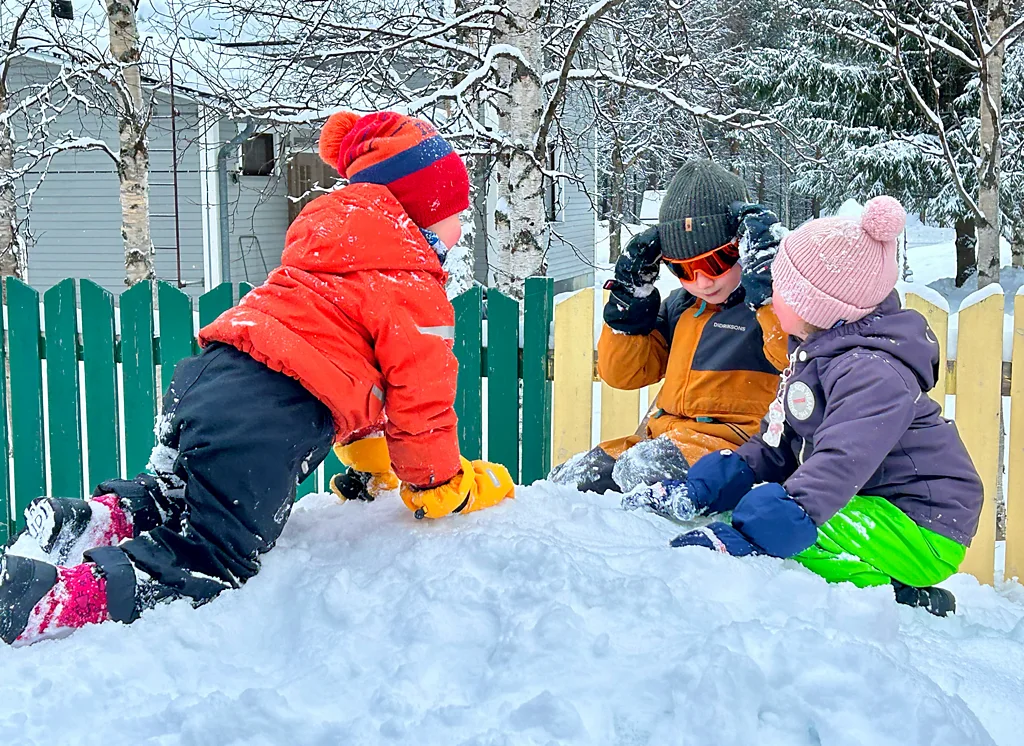
In the far north of Finland, a quiet revolution is taking place — led not by politicians or academics, but by toddlers. Across classrooms and daycare centres in Lapland, young children are playing a central role in preserving Inari Sámi, one of Finland’s most endangered indigenous languages.
With fewer than 400 fluent speakers remaining, Inari Sámi has faced decades of decline, as younger generations historically shifted to Finnish for school, work, and daily life. But recent initiatives aim to reverse that trend, starting with early childhood education. Language nests, bilingual preschools, and interactive play sessions immerse children in Inari Sámi from their very first words.

“Toddlers are the future of the language,” explains Sanna Kallio, a language teacher in Inari. “If children grow up speaking Sámi, using it naturally at home and at school, the language doesn’t just survive — it thrives.”
In these classrooms, children sing songs, read stories, and engage in playful activities entirely in Sámi. Teachers report remarkable enthusiasm, with toddlers picking up vocabulary and grammar intuitively. Play-based learning helps reinforce the language in a context that feels natural and joyful, rather than forced.
The movement is supported by both local communities and national policies aimed at preserving minority languages. Finnish authorities have recognized the cultural and historical significance of Sámi languages, funding educational programmes and resources to ensure that the youngest members of the community are exposed to their heritage from the outset.
Parents are also embracing the change. Many families have begun incorporating Sámi into daily routines at home, from mealtime conversations to bedtime stories. Anna-Maria Lehto, a mother of two, says: “Even though my parents didn’t speak Sámi, we want our children to connect with their roots. Seeing them respond to the language naturally is inspiring.”
Experts stress that early childhood exposure is crucial. Research indicates that children absorb languages most effectively in their formative years, developing pronunciation, fluency, and cultural understanding that is much harder to acquire later. By embedding Sámi into the daily lives of toddlers, educators hope to ensure continuity across generations.
The initiative is not without challenges. With limited teaching materials and few fluent instructors, resources are stretched thin. Yet the energy and curiosity of the children offer a powerful counterbalance, driving innovation in pedagogy and community engagement.
Beyond language preservation, the programme strengthens cultural identity, fostering pride and resilience within the Sámi community. Children learn not just words, but stories, songs, and traditions that connect them to centuries of heritage.

In a small classroom in Inari, a group of toddlers giggles as they act out a traditional Sámi tale about a fox and a reindeer, using puppets and props. For the children, it’s play. For the community, it’s survival.
“Language is living culture,” Kallio reflects. “And these toddlers are its guardians.”
Related News:
 Teacher Who Lied About Cambridge Degree Banned From Profession
 Britain’s Special Needs Spending Crisis Will Be Labour’s Ruin
 Singapore Offers to Set Up Single Americans with ‘Epic’ First Dates – There’s Just One Catch
 Revealed: The Billions Given to Charity by Ordinary Indians Every Year
 ‘Don’t Make Us Security Guards,’ Says Teacher Stabbed by Pupil
 Schools in England to Get Budget for Children with Special Needs as Part of SEND Overhaul
 Science Reveals How We Truly Learn Languages
 We Thought Gen Z Was Flocking to Church — The Truth Is More Complicated
 Germany’s Fairy Tale Route: The Real Places Behind the Grimm Stories
 Government officials are being called on to assist students stranded in Gaza by offering them places at UK universities.
 Princess of Wales Launches Animated Video Series to Support Early Childhood Development
 My Husband Won’t Stop Playing with Lego and It’s Driving Me Nuts
 University Education Faces New Challenges as Students Question Its Value
 More than a Quarter of A-Level Students Poised to Achieve Top Grades Across UK
 Why Where You Live Can Affect Your School Grades – And the Gap Between Areas Is Only Widening
 Compulsory Period Education for Boys and Girls Urged by New Study
 Calls Grow for a Complete Ban on Smacking as Public Opinion Shifts
 Education Leaders Call for End to Compulsory GCSE Resits in English and Maths
 Thousands of New School Nursery Places to Be Rolled Out Across England
 University of Edinburgh Lecturers Launch Five-Day Strike Amid £140m Budget Cuts
 UK Graduates in Healthcare Report Highest Satisfaction with Degree Choices
 Growing Crisis in UK Schools: One in Three Parents Seek Special Needs Assessments
 UK Launches Initiative to Teach Democracy to Toddlers in Memory of Sir David Amess
 UK Confronts Rising Crisis of Child-on-Child Sexual Abuse as Patterns Shift
 It Changed My View’: Campaign Encourages Pupils in Deprived Areas to Consider University
 White Low-Income Pupils in England Show Lowest Levels of School Engagement, Study Finds
 UK Home Office approves extra visas for UCL international students amid deferred admission concerns
 Teacher Permanently Banned After Slapping Pupil Over Classroom Incident
 Parents spending £5,000 on special school assessments in England
 New V-Level qualification to transform post-16 education
 The debate over England’s compulsory reading test for 13-year-olds
 One in 12 Secondary Pupils Sent to Isolation Weekly
 Is a two-week half-term a good deal? Some parents in England aren’t so sure
 Children to Learn Local History in Major Curriculum Overhaul
 Top Christmas Books Reads: Classics to Cozy Romcoms
 Greta Thunberg Backs Student Facing UK Visa Revocation
 Audio Books deals and promo codes to explore in November 2025
 Labour immigration crackdown could cost UK £4.4bn
 London’s Childlessness Crisis: Schools Closing as Families Shrink
 Nigeria’s $25m Museum Faces Political Storm Amid Benin Bronzes Debate
 Phillipson Accused of Appeasing Unions by Diluting EBacc
 England’s Special Needs Support Faces Breaking Point
 Ex-Harvard President Pauses Teaching Over Epstein Emails
 Scottish Families Take Legal Action Over School CO Leak
 Graduate Surge Boosts Maths and Science Teacher Recruitment
 Christmas Code-Crackers: GCHQ Unveils Annual Festive Puzzle Card
 Tory Free Schools Waste £325m on Failed Projects
 ACCA Ends Remote Exams Over AI Cheating Surge
 Cambridge College Faces Backlash Over Private School Recruitment
 Pressure mounts on No 10 over under-16s social media ban
 UK Ministers Drop Foreign Student Targets for Global Education Push
 Cambridge Faces Scrutiny Over Arms Investment Transparency
 Harvey Willgoose School Stabbing Red Flags Missed
 South Africa’s Garden Route Gem Faces Looming Water Crisis
 Labour Utterly Humiliated by Straight-Talking Mum Who Cut Through Keir Starmer’s Insanity
 Royal Family LIVE: ‘Pariah’ Andrew Mountbatten-Windsor Sparks Fresh Revolt Among Staff
 Send spending gap leaves deprived areas behind
 Kenyans Drop Flowers for Valentine’s Bouquets of Cash — Not Everyone Is Impressed
 Renters Furious as Decent Homes Standard Delayed Until 2035
 Palmerston, Former Foreign Office Chief Mouser, Dies
 The Victorian aristocrat who became Britain’s first Muslim lord
 FLOOD TRAGEDY: Man Dies After Entering Floodwater During Police Chase
 Motorists Could Face ‘Mandatory’ Driving Ban for Road Offences Under Tougher Laws
 Royal Mail Blames Poor Weather and Sickness for Delayed Deliveries
 US Civil Rights Leader Jesse Jackson Dies Aged 84
 Lunar New Year 2026: Celebrations Around the World
 Students Begin Covid Compensation Claim Against 36 More Universities
 Disability and LGBT Hate Crimes Set to Become Aggravated Offences
 Snow and Rain Warnings as Cold Snap Continues in the UK
 Flooding May Worsen Before It Improves as More Rain Forecast for the UK
 Last‑ditch Call to Save Police Front Counters in London
 Deaf Woman Killed After Night Out With Strangers, Court Hears
 With Scottish Freebies Under Threat, University Tuition Is on the ‘Hit List’
 China Shows Off Nunchuck‑Wielding Humanoid Robots for Lunar New Year
 Epstein Eyed Record Label Investment to Access Women, Files Suggest
 NSW to Introduce Minimum Age for Ebike Riders
 Dad Found in Bed with Daughter 16 Years After Abandoning Her as a Child
 Store at Famous Shopping Village to Close After 18 Years Due to Rising Costs
 Australian Presenter Apologises for Drinking Before Slurred Olympics Report
 ‘A Disgrace’ — Patient Blasts Neurology Report