Published: 23 February 2026 . The English Chronicle Desk. The English Chronicle Online
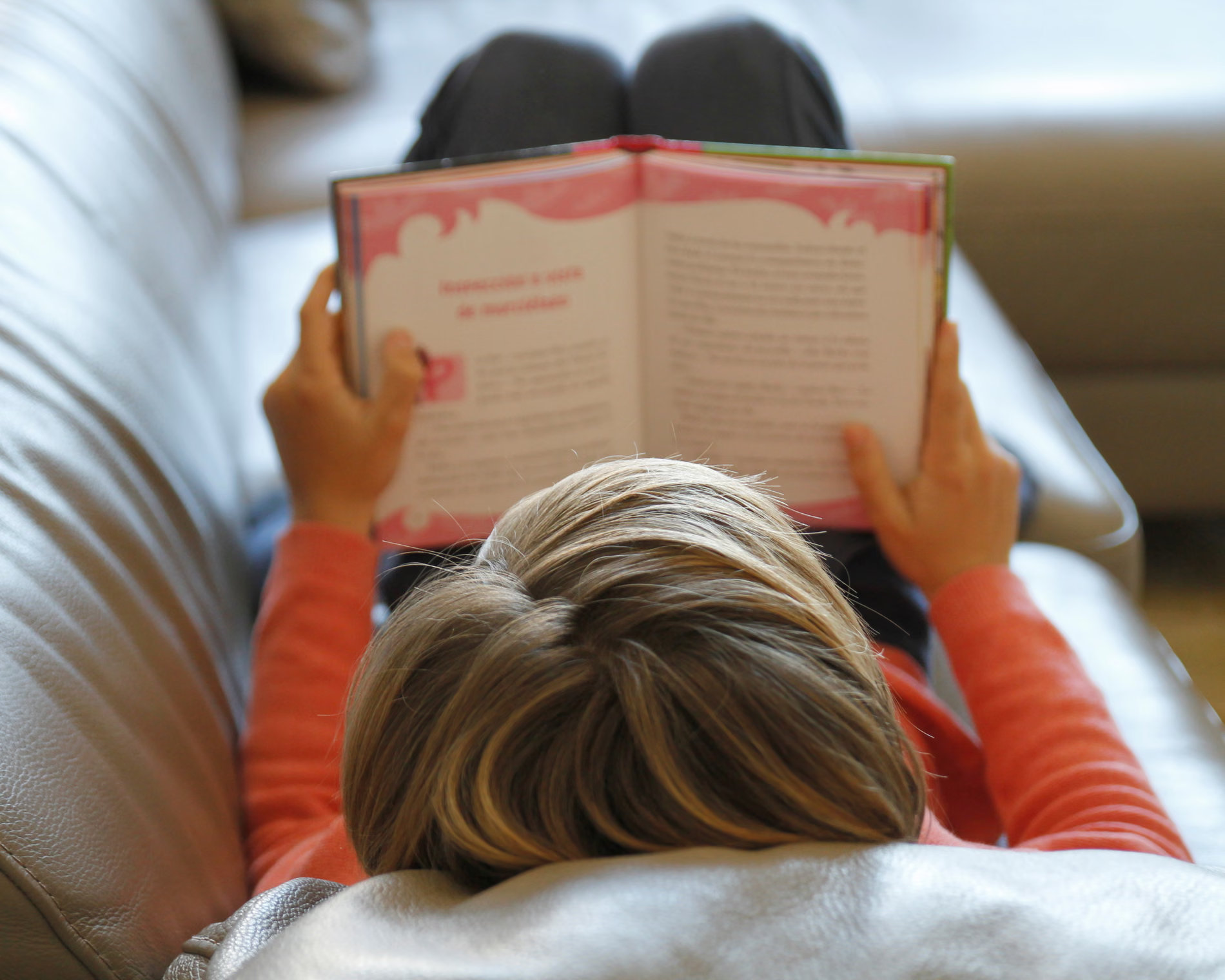
A new report from the National Literacy Trust has revealed a stark decline in reading for pleasure among teenagers in the United Kingdom, with fewer than one in ten boys aged 14 to 16 saying they read daily in their free time. The findings highlight a significant drop in engagement with reading during adolescence, raising concerns among educators and literacy advocates about long‑term literacy habits.

The study, based on responses from more than 80,000 young people aged 11 to 16, found that while early years show relatively higher enjoyment of reading, daily reading habits sharply decline as children get older. Among 8‑ to 11‑year‑olds, nearly half reported reading for pleasure, but that falls dramatically in the 11–14 age group and to just 9.8% for boys aged 14–16 — a figure that lags well behind their female peers, who show slightly higher engagement and some recovery in later teen years.
Report authors say the decline is not simply a rejection of reading but reflects broader shifts in how teenagers spend their leisure time. Pressures from schoolwork, pervasive digital screens, social media, sports and other extracurricular interests often crowd out time that might otherwise be spent with books. Many teens still acknowledge reading’s benefits — such as relaxation, escapism and improved wellbeing — but find it increasingly difficult to prioritise it amid competing demands.
Experts at the National Literacy Trust stress that the drop in reading isn’t a sudden collapse but part of a longer trend of diminishing engagement as children move into adolescence — a period when routines change and reading habits are harder to sustain without personalised support. The findings coincide with the UK’s National Year of Reading 2026, aimed at reinvigorating interest in books and promoting reading for pleasure across ages.

Advocates say tackling this decline requires a multifaceted approach, from fostering reading habits early in life to improving access to books and tailoring reading options to match young people’s interests, including embracing digital and audio formats alongside traditional print. Educational programmes and family support are widely seen as key to reversing the trend and helping all young people — especially boys — find joy in reading beyond academic requirements.
Related News:
 Teacher Who Lied About Cambridge Degree Banned From Profession
 Britain’s Special Needs Spending Crisis Will Be Labour’s Ruin
 ‘Don’t Make Us Security Guards,’ Says Teacher Stabbed by Pupil
 Schools in England to Get Budget for Children with Special Needs as Part of SEND Overhaul
 Michele Dougherty Makes History as the UK’s First Female Astronomer Royal
 Tragedy in Cambridge: Two Arrested Over Fatal Assault of International Student
 Princess of Wales Launches Animated Video Series to Support Early Childhood Development
 University Education Faces New Challenges as Students Question Its Value
 Learner Drivers to Face CPR and Defibrillator Questions in New Theory Tests
 More than a Quarter of A-Level Students Poised to Achieve Top Grades Across UK
 Record Number of UK Students Secure University Places Following A-Level Results
 From ‘Skibidi’ to ‘Mouse Jiggler’: Cambridge Dictionary Expands with Modern Slang and Social Terms
 Why Where You Live Can Affect Your School Grades – And the Gap Between Areas Is Only Widening
 Education Leaders Call for End to Compulsory GCSE Resits in English and Maths
 Thousands of New School Nursery Places to Be Rolled Out Across England
 University of Edinburgh Lecturers Launch Five-Day Strike Amid £140m Budget Cuts
 UK Graduates in Healthcare Report Highest Satisfaction with Degree Choices
 Growing Crisis in UK Schools: One in Three Parents Seek Special Needs Assessments
 UK Launches Initiative to Teach Democracy to Toddlers in Memory of Sir David Amess
 UK Confronts Rising Crisis of Child-on-Child Sexual Abuse as Patterns Shift
 Historic Letters Unearthed on eBay Reveal UK Families’ Profits from Slavery
 It Changed My View’: Campaign Encourages Pupils in Deprived Areas to Consider University
 Report Finds School History Lessons Marginalise Women’s Contributions
 White Low-Income Pupils in England Show Lowest Levels of School Engagement, Study Finds
 UK Home Office approves extra visas for UCL international students amid deferred admission concerns
 Teacher Permanently Banned After Slapping Pupil Over Classroom Incident
 UK Universities Warn Students Ahead of 7 October Pro-Palestine Protests
 Parents spending £5,000 on special school assessments in England
 New V-Level qualification to transform post-16 education
 Oxford Union president-elect ousted following Charlie Kirk scandal
 The debate over England’s compulsory reading test for 13-year-olds
 One in 12 Secondary Pupils Sent to Isolation Weekly
 Children to Judge Inaugural Booker Prize for Young Readers
 Is a two-week half-term a good deal? Some parents in England aren’t so sure
 Children to Learn Local History in Major Curriculum Overhaul
 Top Christmas Books Reads: Classics to Cozy Romcoms
 Greta Thunberg Backs Student Facing UK Visa Revocation
 Audio Books deals and promo codes to explore in November 2025
 London’s Childlessness Crisis: Schools Closing as Families Shrink
 Government urges schools to ban phones to curb classroom disruption
 England’s Special Needs Support Faces Breaking Point
 Higgs Donates Nobel Medal to His Beloved University
 Oxford Names ‘Rage Bait’ Word of the Year
 Christmas Code-Crackers: GCHQ Unveils Annual Festive Puzzle Card
 UK Set to Rejoin Erasmus as Student Exchanges Return
 Bristol Lecture Disruption Sparks Academic Freedom Legal Threat
 Cambridge College Faces Backlash Over Private School Recruitment
 Glasgow rector cleared by watchdog in antisemitism case
 UK Ministers Drop Foreign Student Targets for Global Education Push
 City & Guilds pay surge sparks backlash amid £22m cuts
 Harvey Willgoose School Stabbing Red Flags Missed
 Labour Utterly Humiliated by Straight-Talking Mum Who Cut Through Keir Starmer’s Insanity
 Royal Family LIVE: ‘Pariah’ Andrew Mountbatten-Windsor Sparks Fresh Revolt Among Staff
 GMB Issues Bombshell Andrew Update Minutes Into Show as Furious Viewers ‘Switch Off’
 Defence Sector Students Get £80m Government Funding
 Tributes to Hospital’s First Black Ward Sister
 Send spending gap leaves deprived areas behind
 Renters Furious as Decent Homes Standard Delayed Until 2035
 The Victorian aristocrat who became Britain’s first Muslim lord
 UP IN FLAMES: Huge Blaze Rips Through Odeon Cinema, Students Evacuated
 Motorists Could Face ‘Mandatory’ Driving Ban for Road Offences Under Tougher Laws
 Royal Mail Blames Poor Weather and Sickness for Delayed Deliveries
 Students Begin Covid Compensation Claim Against 36 More Universities
 Disability and LGBT Hate Crimes Set to Become Aggravated Offences
 Snow and Rain Warnings as Cold Snap Continues in the UK
 Flooding May Worsen Before It Improves as More Rain Forecast for the UK
 Illegal Skin Lightening Cream Being Sold in UK Butchers, Watchdog Warns
 Last‑ditch Call to Save Police Front Counters in London
 Deaf Woman Killed After Night Out With Strangers, Court Hears
 With Scottish Freebies Under Threat, University Tuition Is on the ‘Hit List’
 Break from Wintry Weather as UK Temperatures to Climb to 14 °C
 Dad Found in Bed with Daughter 16 Years After Abandoning Her as a Child
 Store at Famous Shopping Village to Close After 18 Years Due to Rising Costs
 I Confronted a Mugger with an 18-Inch Machete in London – No Wonder Tom Cruise is Leaving
 Tesco Announces New Rule for Customer Parking Spaces – ‘We Need These Everywhere!’
 Deer Shooting to Be Facilitated in England to Protect Woodlands
 Science Reveals How We Truly Learn Languages
 Toddlers in Finland Lead the Fight to Save Sámi Language
 £4bn Overhaul Announced for Special Needs Support in England
 Tories Would Scrap ‘Debt Trap’ of High‑Interest Student Loans, Says Kemi Badenoch