Published: 24 February 2026. The English Chronicle Desk. The English Chronicle Online.
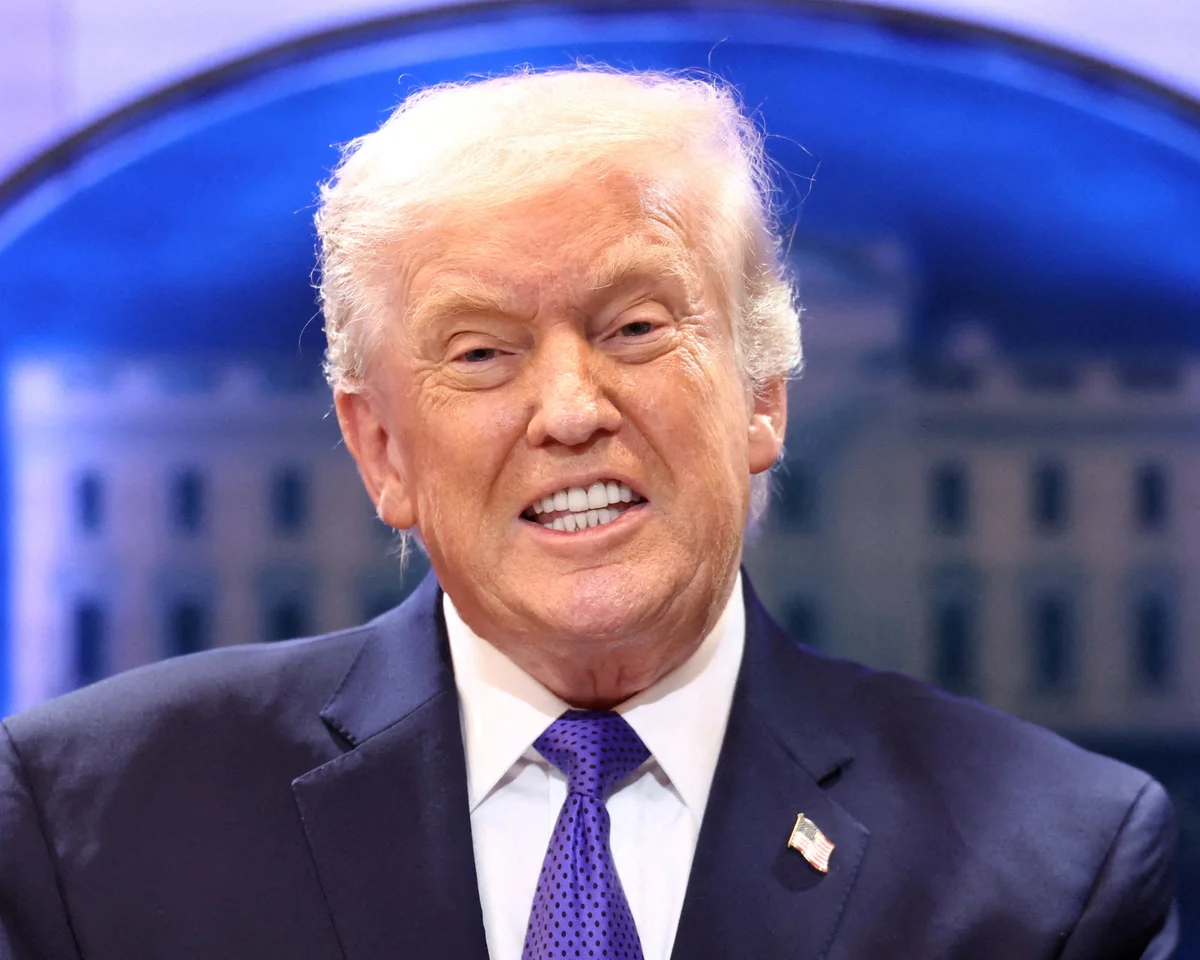
Fresh uncertainty over Trump tariffs has unsettled governments and markets across Europe this week. The renewed rhetoric from Donald Trump has left the UK and European Union urgently seeking clarity. Business leaders now fear that months of negotiation could unravel within days.
The row intensified after a landmark ruling by the Supreme Court of the United States last week. Justices decided that the president had exceeded his authority when imposing sweeping “liberation day” measures. That decision triggered fresh threats from Washington and reignited global trade tensions.
On Monday, Trump declared he could deploy tariffs in a “more powerful and obnoxious way.” He insisted the court had upheld other levies, giving him broader legal certainty. His comments were posted on Truth Social and echoed across financial markets. Investors reacted swiftly as the possibility of escalating Trump tariffs unsettled confidence.
In London, the government moved to reassure businesses and households. A spokesperson for Keir Starmer said the new 15 percent global tariff might not affect most elements of the UK deal. That agreement, reached last May, fixed many goods at a 10 percent rate.
However, uncertainty remains over what rate will apply from Tuesday. Officials are unclear whether customs authorities will default to 15 percent or retain earlier levels. The government stressed that discussions are ongoing and described the situation as evolving. While no one wants a trade war, ministers insist every option remains open.

Across Brussels, the reaction has been equally cautious. The European Commission paused ratification of its own agreement with Washington for a second time. That deal, struck last July, included a 15 percent blanket tariff on EU imports. It had already faced disruption during diplomatic tensions over Greenland earlier this year.
Commission spokesperson Olof Gill demanded immediate clarity from the United States. He said Brussels needed precise information before deciding on next steps. A key trade committee vote scheduled for Tuesday morning has now been postponed. European officials want legal certainty before committing further to the arrangement.
The political backdrop in Washington remains complex. The Supreme Court decision was approved by a 6-3 majority. Trump criticised the ruling sharply, accusing the court of aiding the wrong interests. At the same time, he argued it confirmed the legality of other tariff mechanisms. That interpretation now underpins his threat of stronger Trump tariffs.
Financial markets signalled unease as trading opened on Wall Street. The Dow Jones Industrial Average fell sharply in early afternoon dealings. The tech-heavy Nasdaq Composite also declined, reflecting broader investor anxiety. The S&P 500 slipped as traders weighed the implications for global supply chains.
Senior US officials attempted to calm tensions over the weekend. Jamieson Greer, Washington’s top trade negotiator, said previously agreed deals would remain in place. He insisted the new 15 percent rate would not apply to countries with standing agreements. That list includes the UK, EU, Switzerland, Japan, South Korea, Vietnam and Lesotho.
Despite those assurances, confusion persists among exporters and importers. The British Chambers of Commerce warned that many firms still lack clear guidance. Its new president, Andy Haldane, told the BBC he feared tariffs could rise automatically. If that happens, UK exporters would face a five percent increase overnight.
The BCC estimates the extra charge could total between £2 billion and £3 billion. That burden would likely fall on exporters, American importers or end consumers. Either outcome risks pushing up prices and squeezing profit margins. The lobby group described it as vital for ministers to intensify negotiations immediately.
Attention is also turning to the US Congress, which may gain influence following the court ruling. Business groups believe lawmakers could shape the future scope of emergency trade powers. Meanwhile, German industry leaders are urging swift diplomatic engagement. Peter Leibinger of the BDI called on Brussels to secure rapid clarification.
Within the European Union, trade commissioner Maroš Šefčovič emphasised respect for existing commitments. He repeated that point during a call with G7 trade ministers. According to his social media statement, reassurance from Washington is essential. European officials argue stability benefits both sides of the Atlantic.
Currency markets offered mixed signals as the drama unfolded. The US dollar edged lower against a basket of major currencies. Traders reacted after Customs and Border Protection announced changes to tariff code enforcement. The agency said it would deactivate codes linked to emergency powers orders at midnight Tuesday.
That step raised fresh questions about refunds for importers. The Supreme Court decision potentially affects more than 175 billion dollars in revenue. Economists at the Penn Wharton Budget Model suggest those funds could be subject to claims. Customs authorities have yet to clarify how such repayments might work.

For British exporters, the stakes are significant. The United States remains one of the UK’s largest trading partners. Any abrupt shift in Trump tariffs would ripple through manufacturing, agriculture and services. Small firms, already navigating inflationary pressures, could struggle with sudden cost increases.
Government advisers in London are weighing diplomatic and economic responses carefully. Officials insist protecting national interest remains the guiding principle. They also stress that escalation would serve neither side. Still, the language from Washington has heightened anxiety across boardrooms.
The broader geopolitical context cannot be ignored. Trade has become a central instrument in strategic competition. Tariffs are now deployed not only for economic leverage but also political signalling. That reality complicates efforts to maintain predictable transatlantic commerce.
In Brussels and London alike, the priority is clarity rather than confrontation. Leaders want confirmation that signed agreements will be honoured. Businesses seek firm guidance before Tuesday’s collection deadline. Investors, meanwhile, hope rhetoric will give way to stability.
As midnight approaches in Washington, uncertainty lingers over the precise scope of Trump tariffs. Governments continue private discussions behind closed doors. Markets will watch closely for definitive statements from the White House. Until then, exporters on both sides of the Atlantic remain in suspense.
Related News:
 British Woman in Iran ‘Losing Hope’ Amid Ongoing Detention
 BBC Journalist Held and Interrogated in Vietnam
 Zohran Mamdani becomes New York City’s first Muslim mayor
Zohran Mamdani names all-female transition team for NYC mayoralty
Zohran Mamdani becomes New York City’s first Muslim mayor
Zohran Mamdani names all-female transition team for NYC mayoralty
 Second world war veterans honoured as King leads Remembrance Sunday
 BBC director-general and news chief resign amid bias row
 Rama Rebukes Mahmood for Targeting Albanian Families
 Russian Vessel Used Lasers on RAF Pilots, UK Claims
 Ireland Boosts Ukraine Aid as Zelensky Visits Dublin
 US Africa aid remarks spark anger after leaked State email
 Starmer China visit raises human rights pressure on Beijing
 UK and EU Signal Fresh Push for Defence Cooperation Talks
 Cory Bernardi joins One Nation for SA election
 Starmer Condemns ‘Depraved’ Russian Strikes on Ukraine
 Trump Warns Over Chagos Islands Deal
 Trump and Chagos Deal Rift Over Iran Strikes
 Andrew Mountbatten-Windsor Arrest After FBI Radar
 Farage Chagos Islands Row Sparks Fury
 UK Allows US Base Use Amid Iran Tensions
 Trump Rebukes Starmer Over Iran Strikes Row
 UK Prepares Aircraft Carrier for Middle East Crisis
 Gordon Brown urges court for crimes against children
 Yvette Cooper: UK Must Follow Principles, Not US Pressure
 UK Minister Denies Iran Missile Threat to Britain
 Army Probes Apache Flyover at Kid Rock’s Nashville Estate
 Relationship with Trump may be beyond repair, Starmer warned
 Charles Faces Trump Test in High-Stakes US Visit
 UK Stands Firm on Falklands Amid US Rift
 Ceasefire Standoff Deepens in Ukraine War
 Koh-i-noor Diamond Row Reignites Colonial Debate
 Starmer Faces Revolt After Crushing Election Losses
 UK Pushes for New EU Goods Trade Deal
 Reeves Fights to Keep Treasury Role Amid Labour Turmoil
 Farage and Reform UK Reshape British Politics
 Starmer Leadership Under Pressure After Setbacks
 Deadly Russian Air Raids Strike Across Ukraine
 UK Government Cancels Higher Education Programme for Women and Girls
 New South Wales Premier Chris Minns Signals Tough Road Ahead for Labor
 Labour MPs Urge Burnham to Revive UK Aid Target
 UK Must Act with Courage and Clarity on Israel-Palestine Conflict, Says Foreign Affairs Committee Report
 Trump’s UK Ambassador Urges North Sea Drilling to Strengthen US Ties
BBC to Apologise Over Edited Trump Speech Amid Backlash
Trump’s UK Ambassador Urges North Sea Drilling to Strengthen US Ties
BBC to Apologise Over Edited Trump Speech Amid Backlash
 Britain deploys RAF specialists to assist Belgium with drone threats
 Millionaires group urge Reeves to introduce wealth tax to ‘lift kids out of poverty’
 Reeves rejects £1bn plea for NHS redundancy payouts
 PM Condemns Leaks, Vows Loyalty to Ministers and Stability
 Major Rent Reform Ends No-Fault Evictions in England
 Greene Pushes Epstein Files Amid Trump Fallout
 December Run-Off in Chile as Election Produces No Winner
 Shadow Fleet at Sea: Europe’s Battle Against Illicit Oil Shipping
 Georgians Defy Government Crackdown After Year of Protests
 Starmer Says Labour’s Economic Plan Needs Years to Deliver
 Pentagon Signals Reduced Role in Deterring North Korea
 Artificial intelligence will cost jobs, admits Liz Kendall
 Mandelson Faces Police Inquiry Over Epstein Leak
 Morgan McSweeney downfall shocks Labour leadership
 UK and US Drop in Global Corruption Index Rankings
 Canberra Poster Seizure Sparks Free Speech Row
 The Dangerous Rise of Remigration Across Modern Europe
 Green Party Stuns Labour in Gorton and Denton Byelection
 Labour Together scandal sparks clean break vow
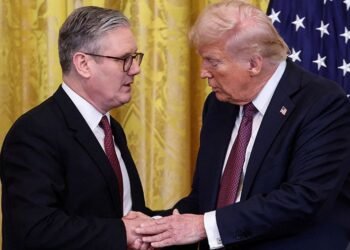 Starmer Praised for Stance on Trump and Iran Conflict
 NHS Plans to Cut Overseas Workers Labeled Overambitious
 Danish Election Deadlock Shakes Frederiksen’s Grip
 Pope Rebukes Leaders for War as Middle East Tensions Rise
 Italian Town Buys Mussolini Villa to Keep Away Fascist Fans
 Report Says Pezzullo Acted ‘Recklessly’ in Dealings
 Suspected Plot Targets Pipeline Before Hungary Vote
 Starmer Survives Mandelson Rebellion
 Trump approval plunges amid Iran war fears
 US ‘Narco Boat’ Strikes Draw Global Outcry
 Labour Members Doubt Starmer Future as Burnham Leads Poll
 Reform UK Faces Crisis as Newly Elected Councillors Resign
 Discontent grows around Putin amid war strain
 Secret Role of UK Security Services in Troubles Amnesty Law
 The Hidden Crisis Eroding Trust in British Communities
 Deepfake Abuse on X Sparks Safety Concerns for Dissidents
 Farage Warns Sky News Following Financial Inquiry
 Ann Widdecombe, Formidable Political Figure, Dies at 78
 Houthis Strike Saudi Arabia as Middle East Tensions Rise