Published: 26 February 2026. The English Chronicle Desk. The English Chronicle Online.
Scotland’s climate strategy is facing fresh criticism for relying heavily on unproven technologies and uncertain projections. The UK Climate Change Committee (CCC) has expressed concern about the feasibility of the Scottish government’s long-term emissions targets, despite acknowledging that its recent short-term plans are more realistic. Nigel Topping, chair of the CCC, highlighted that Scotland’s new approach to carbon budgets is an improvement but warned that serious risks remain in the second and third phases of emissions reduction. The focus keyword for this article is “Scotland emissions.”
In November last year, the Scottish government replaced its increasingly unachievable annual targets with five-year carbon budgets, which the CCC said represent a significant step forward. These more flexible plans are modelled on the UK’s national system and aim to make the country’s climate commitments more practical. Until the change, Scotland had missed eight out of twelve annual targets, forcing the government to abandon its ambition to cut emissions by 75% by 2030. Topping described the adoption of carbon budgets as “a big step forward,” adding that the country is now “in good shape” for the first phase of reductions.

The CCC’s report estimates that Scotland has credible plans for 91% of the emissions cuts required by 2030, a figure that reflects high confidence in near-term measures. However, confidence declines sharply for future budgets, with only 64% of cuts for the second carbon budget, up to 2035, considered achievable, and just 58% for the third budget through 2040. The committee stressed that these later targets are dependent on “significant risks or insufficient plans,” particularly in areas that require complex technological or infrastructural change.
Among the areas of greatest concern, the CCC highlighted the decarbonisation of heating in residential and commercial buildings. Specifically, Scotland’s reliance on heat pumps and other low-carbon systems presents a substantial challenge, with Nesta estimating that 110,000 installations are required over the next four years to meet the 2030 budget. This figure is nearly three times higher than the number currently planned by the government. Additionally, the CCC warned that Scotland’s long-term strategy leans heavily on carbon capture and storage, alongside other unproven technologies intended to remove atmospheric CO2, which adds uncertainty to future plans.
Oxfam Scotland’s head, Jamie Livingston, commented on the findings, noting that Scotland’s approach “is too reliant on science fiction” and fails to clarify where the substantial financial resources would originate. The critique implies that the strategy represents a “high-stakes climate gamble” with potential consequences for both economic stability and environmental credibility. Topping also acknowledged positive progress, however, pointing to the country’s expanding electric vehicle infrastructure, which now exceeds the UK per capita average, and efforts to restore degraded peatlands, an important carbon sink.
Despite CCC optimism regarding peatland restoration, other experts remain sceptical about Scotland’s ability to meet its targets. NatureScot, the government’s nature conservation agency, estimates that restoring 1.3 million hectares of degraded peatland will cost at least £3 billion, and predicts that the goal of restoring 250,000 hectares by 2030 will likely be missed. The agency’s projections highlight the scale and complexity of interventions required to achieve meaningful carbon reductions in land management and natural resource restoration.
In response to the CCC’s report, Gillian Martin, the Scottish net zero secretary, did not directly address the criticisms but confirmed that the government would use the committee’s feedback to inform its final climate crisis action plan. Scotland contributes less than a tenth of the UK’s onshore emissions, yet under the Scottish National Party, it has historically championed ambitious climate policies. Nicola Sturgeon, the former first minister, was notably the first UK leader to declare a climate emergency, signalling Scotland’s political commitment to addressing the climate crisis.
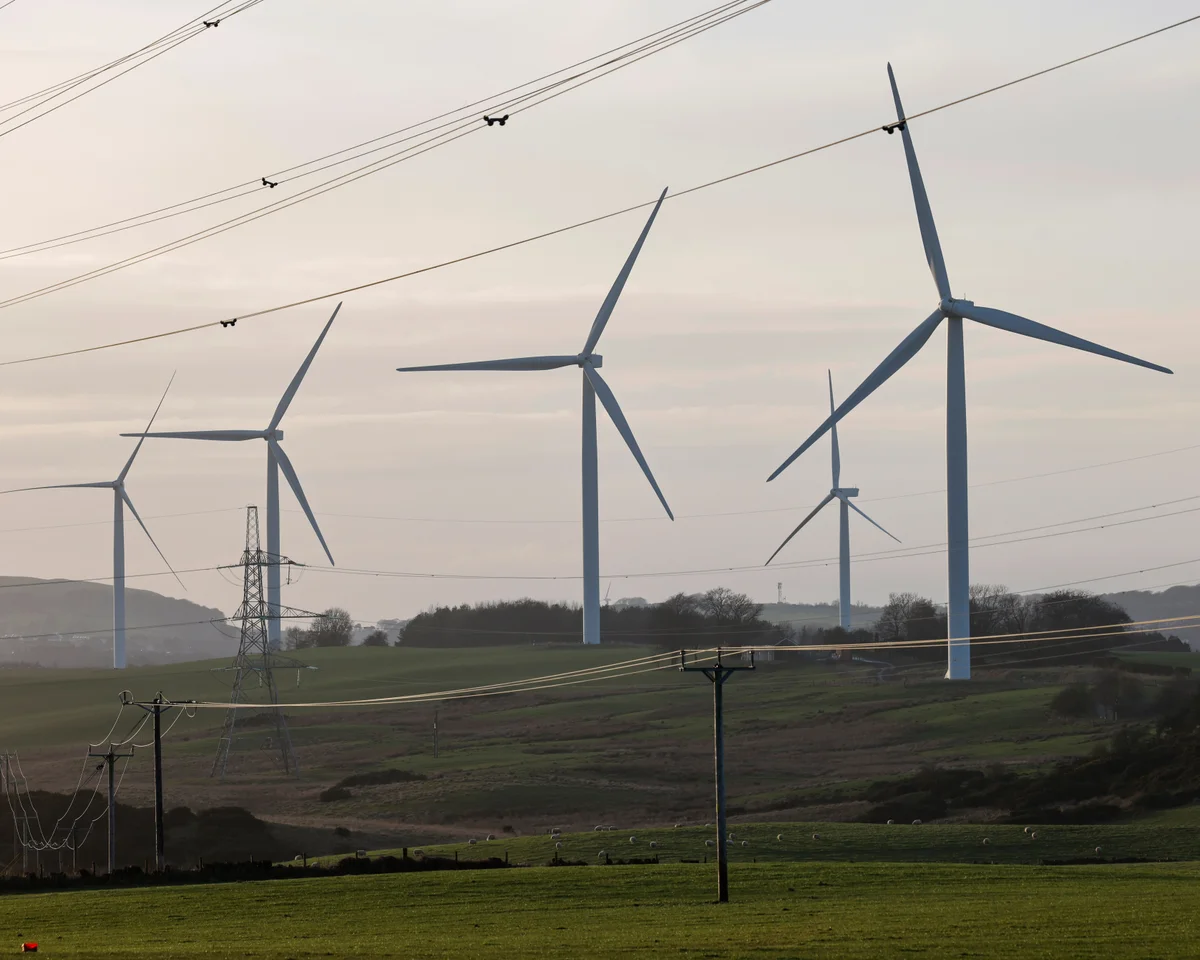
Progress to date has been substantial, with emissions falling by 51.3% compared with 1990 levels. Much of this reduction has been achieved by decommissioning coal-fired power stations and investing heavily in renewable energy, particularly wind farms. Analysts widely believe that the UK Labour government’s multibillion-pound net zero strategy will accelerate emissions reductions, yet Topping cautioned that 58% of Scotland’s total emissions are covered only by devolved government policies, not UK-wide measures.
Environmental organisations echoed the CCC’s warnings about the need for urgent action. Lang Banks, director of WWF Scotland, emphasised that “much greater action is needed to cut carbon emissions from Scotland’s homes and land.” He added that delaying these measures exacerbates the climate crisis, depriving citizens of benefits such as lower energy bills, warmer homes, cleaner air, and restored natural habitats. The sentiment reflects growing pressure on the Scottish government to balance ambition with realistic and achievable climate policies.

The CCC’s report also indicated that Scotland’s short-term progress is encouraging, with annual carbon budgets offering a more achievable path toward emissions reduction. The committee welcomed improvements in infrastructure and regulatory frameworks, yet reiterated that long-term plans remain precarious. Technological dependency, particularly regarding carbon capture, heat pumps, and other unproven interventions, presents risks that could undermine Scotland’s ability to meet its 2045 net zero target. Stakeholders have urged a more diversified approach that combines achievable interventions with supportive investment and rigorous monitoring.
Economic implications of the strategy are also significant, as the transition to a low-carbon economy requires substantial financial outlays. Nesta highlighted that government planning currently underestimates the resources needed for effective implementation, particularly in building retrofits and large-scale renewable energy projects. Experts argue that failing to account for these financial realities could slow progress and jeopardise the credibility of long-term climate goals. Furthermore, transparency in funding and delivery mechanisms is critical to ensure both public trust and policy effectiveness.
In conclusion, Scotland’s approach to climate action presents a mix of achievement and caution. Its recent adoption of five-year carbon budgets provides a realistic framework for immediate reductions, yet long-term targets remain vulnerable to overreliance on speculative technology. Stakeholders agree that scaling up heat pumps, accelerating renewable energy deployment, and restoring natural carbon sinks are essential to bridging the gap between ambition and feasibility. Scotland must navigate these challenges carefully to avoid undermining the progress made over recent decades, while continuing to demonstrate leadership in climate policy within the UK.
Related News:
 Three-Quarters of England’s Riverbanks Still Off Limits
 Water firms may avoid fines under UK water reform plan
 No Gas Boiler Ban as UK Warm Homes Plan Backs Heat Pumps
 Net Zero Cheaper Than One Fossil Fuel Crisis, UK Told
 UK Records Earliest Spring as Nature Awakens Fast
 Crackdown Backfires on UK Climate Protesters
 Capitalism ‘Suicidal’, Warns Petro at Climate Summit
 UK Faces Mass Water Shortages by 2055, Lords Warn
 UK Seas Face Extreme Heatwave as Global Temperatures Surge
 Burnham unveils £65m drought aid for farmers
 Green Party Surges Past Labour in Latest UK Poll
 Trump’s UK Ambassador Urges North Sea Drilling to Strengthen US Ties
 French Taxi Driver Cleared in David Lammy Theft Case After Fare Dispute
 Millionaires group urge Reeves to introduce wealth tax to ‘lift kids out of poverty’
 Starmer Faces Growing Dissent as Labour MPs Weigh Leadership Challenge
 Reeves rejects £1bn plea for NHS redundancy payouts
 PM Condemns Leaks, Vows Loyalty to Ministers and Stability
 Major Rent Reform Ends No-Fault Evictions in England
 Most Tories Expect to Support a Farage-Led Government
 Starmer Says Labour’s Economic Plan Needs Years to Deliver
 Culture secretary to review Telegraph takeover by Daily Mail owner
 Judi Dench Champions Fight to Save London’s Green Spaces
 Labour Blocks Burnham as Party Rift Deepens Ahead of Polls
 Huge mistake: Labour blocks Burnham from byelection bid
 Artificial intelligence will cost jobs, admits Liz Kendall
 Labour targets Greens on drugs in Gorton Denton byelection
 Greens nominate Hannah Spencer for Gorton and Denton byelection
 Mandelson Faces Police Inquiry Over Epstein Leak
 Labour Thinktank Row Deepens Over Journalist Probe Claims
 Morgan McSweeney downfall shocks Labour leadership
 Cabinet Secretary Shake-Up Triggers Due Diligence Warning
 Starmer Faces Inquiry Calls Over Thinktank Probe
 UK shelves £110m border project amid trade strain
 Farage Unveils Reform UK Frontbench Team
 California Democrats Vow Trump Reckoning
 Wales Approves Assisted Dying Bill Consent
 UK EU Trade Reset Gains Public Backing
 Reeves Must Back Defence Plan or Face Dismissal, Says Unite Chief
 NHS Maternity Units Cover Up Harmful Childbirth Errors
 Green Party Stuns Labour in Gorton and Denton Byelection
 Secret Ballot Concerns Emerge at Gorton and Denton Byelection
 Labour Together scandal sparks clean break vow
 Wood burner legal threats spark council row
 Welsh Water Faces £44.7m Enforcement Over Sewage Breaches
 Starmer Praised for Stance on Trump and Iran Conflict
 NHS Plans to Cut Overseas Workers Labeled Overambitious
 UK Energy Reform Could Cut Bills by £200
 Family Court Reform Promises New Era for UK Families
 Trump to Deploy “God Squad” Over Gulf Wildlife Protections
 Army Probes Apache Flyover at Kid Rock’s Nashville Estate
 Starmer Defends Strategy for Closer Alignment with EU Rules
 Kezia Dugdale Warns of Possible Reversal of Equal Rights Gains
 Starmer Faces Commons Test Over Mandelson Scandal
 Starmer Survives Mandelson Rebellion
 Labour Members Doubt Starmer Future as Burnham Leads Poll
 Reform UK Faces Crisis as Newly Elected Councillors Resign
 Farage Faces New Questions Over Private Helicopter Use
 NHS Drug Deal Faces Legal Threat Over US Trade Agreement
 Green Party Makerfield Candidate Resigns Over Posts
 UK Welfare: Focus on Jobs Over Benefit Cuts, Says JRF
 Secret Role of UK Security Services in Troubles Amnesty Law
 Starmer Leadership Under Pressure After Setbacks
 The Hidden Crisis Eroding Trust in British Communities
 Deepfake Abuse on X Sparks Safety Concerns for Dissidents
 Modernising the Military: Carns Demands Urgent Procurement Reform
 UK Ministers Lobby Trump Over Under-16s Social Media Ban
 Starmer Resolves to Fight Burnham in Leadership Battle
 Starmer Resigns as Prime Minister Amid Internal Pressure
 MP Warning: Northern Rail Risks Repeating HS2 Failures
 US Courts Back Trump on Park Signage Removals
 Hollie Ridley to Step Down as Labour General Secretary
 New South Wales Premier Chris Minns Signals Tough Road Ahead for Labor
 Jarvis Urges Burnham to Secure 3.5% Defence Spending
 UK Heatwaves Ignite Crisis of Sleep and Public Safety
 Farage Warns Sky News Following Financial Inquiry
 Reform UK Finances Face Deep NCA Probe
 Ann Widdecombe, Formidable Political Figure, Dies at 78
 Treasury Reform Urged After Tragic Loss
 UK Schools Struggle as Classrooms Top 40C
 London Tube Heat Reaches Dangerous Levels