Published: 26 March 2026. The English Chronicle Desk. The English Chronicle Online.
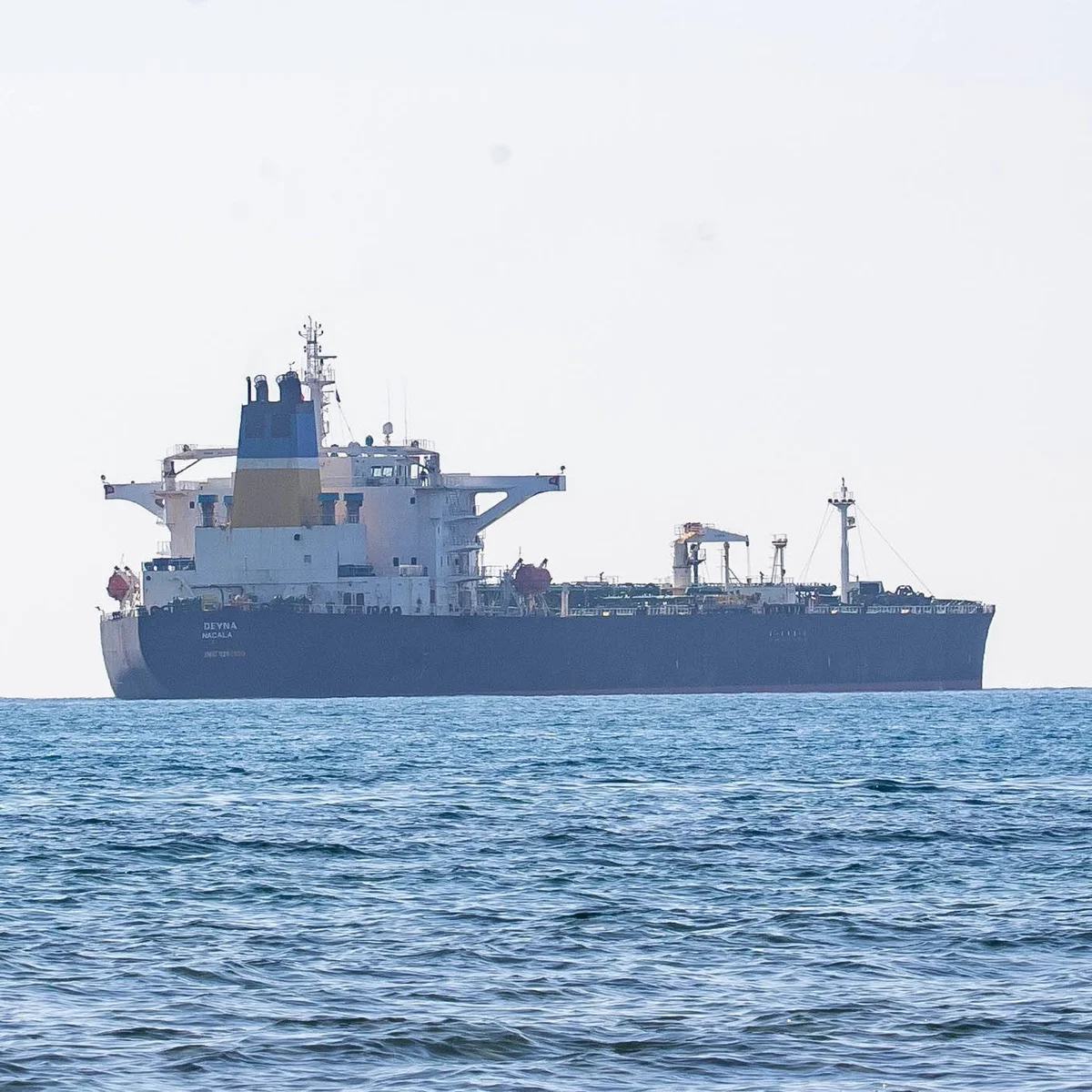
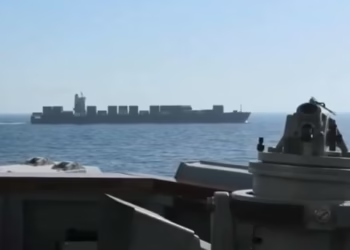
The British government has authorised the UK armed forces to board Russian shadow fleet tankers navigating within British territorial waters. This decisive policy shift marks a significant escalation in the ongoing campaign to disrupt Moscow’s primary economic lifelines. Downing Street announced the measures as a direct response to a growing maritime network of ageing vessels. These ships use deceptive practices to bypass Western sanctions and keep oil revenues flowing into the Kremlin. Prime Minister Keir Starmer emphasized that the UK will take active steps to starve the Russian war machine.
For months, the international community has monitored a swelling fleet of older vessels operating under opaque ownership. Many of these tankers fly flags of convenience or engage in risky ship-to-ship transfers to hide origins. Western nations have previously tracked these movements, but the new British rules represent a much bolder stance. They allow law enforcement and military personnel to physically intercept vessels that are actively sanctioned by Britain. Such a move signals that the UK is no longer content with passive observation from the shoreline.

Recent history shows that coordinated maritime interventions are already taking place across the European continent. Just last week, the Royal Navy cooperated with allies to track a sanctioned tanker in the Mediterranean. Following that successful surveillance operation, French naval forces boarded the vessel to enforce existing regional maritime sanctions. Now, the British government wants to empower its own domestic forces to carry out similar interceptions independently. This development will close loopholes that have allowed illicit energy shipments to slip through the busy English Channel.
More than six hundred vessels currently face various sanctions from the European Union, UK, and United States. The newly announced boarding protocols will apply specifically to ships that have been designated by British authorities. This legal precision ensures that the Royal Navy and UK border forces operate within a clear framework. Before any intercept takes place, a panel of energy, military, and legal specialists will review the evidence. Once they make a recommendation, ministers will determine if boarding and seizure are the appropriate next steps.
Starmer is travelling to Helsinki to discuss these maritime security measures at the Joint Expeditionary Force summit. This UK-led alliance consists of ten North Atlantic Treaty Organisation members who are focused on regional stability. Nordic and Baltic partners, including Finland and Sweden, have already conducted similar operations against suspicious shipping traffic. Sharing intelligence and tactical experience at the summit will likely strengthen the collective resolve of Northern Europe. The alliance views the containment of the shadow fleet as essential to securing northern trade routes.
Predictably, the announcement has provoked a very strong and defensive reaction from senior officials in Moscow. A prominent Russian maritime official warned that any direct action against these ships might cause severe conflict. He suggested that the Russian navy could be deployed to protect these vessels from European seizures. Some figures in the Kremlin have even characterized these interception measures as a form of Western piracy. Despite these threats, British leadership remains committed to enforcing its sovereign laws and maintaining robust financial pressure.
Earlier this year, the UK defence secretary hinted that military options were on the table for enforcement. He proposed that any seized oil could potentially be sold to support the Ukrainian reconstruction effort. Lloyd’s List Intelligence recently recorded over twenty shadow ships using fraudulent documentation in the English Channel. These vessels are vital to Russia, facilitating massive energy exports to buyers in China, India, and Turkey. Removing these vessels from the seas hits the Russian treasury where it hurts the most.
Government ministers believe that ignoring the shadow fleet poses an unacceptable environmental and security risk to Britain. These ageing tankers are often poorly maintained and lack standard maritime insurance for major oil spills. A single collision or mechanical failure in the narrow English Channel could cause a catastrophic ecological disaster. By intercepting these vessels, the UK is protecting its coastal ecosystems alongside its national security interests. The policy therefore serves a dual purpose of environmental safety and geopolitical containment of Russian aggression.

The prime minister noted that geopolitical distractions in other regions must not dilute Western focus on Ukraine. He observed that rising global oil prices often benefit the Kremlin, making sanction enforcement even more critical. Britain intends to pursue this shadow fleet relentlessly to ensure that dirty profits do not fund warfare. The government has reassured its allies that it will defend its sovereignty and stand by Ukraine indefinitely. This new boarding authority is perhaps the most concrete manifestation of that long-term strategic commitment.
The UK previously assisted American forces when they intercepted a disguised tanker operating in the Atlantic Ocean. Following that successful seizure, British ministers immediately ordered the drafting of contingency plans for domestic military use. Officials want to ensure that if a sanctioned vessel enters British waters, the response is swift. Crew members and operators could face criminal proceedings under UK law if they breach local sanctions legislation. The message from London is clear: British waters are closed to those who bankroll illegal warfare.
Ultimately, this policy represents a hardening of resolve in a conflict that encompasses trade and finance. While traditional diplomacy continues, the physical interception of ships brings the economic war directly to the waves. It requires immense coordination between the Royal Navy, intelligence agencies, and international partners to execute safely. If successful, it could provide a blueprint for other nations seeking to tighten their own maritime sanctions. The world will be watching closely to see how the very first interception is managed.
The coming months will test whether this policy successfully deters illicit shipping or escalates tensions further. With the support of Baltic allies and a clear legal framework, the UK feels prepared for either. What remains certain is that the battle over energy revenues is no longer confined to ledger books. It is now unfolding on the high seas, where visual presence and naval authority speak the loudest.
Related News:
 UK Banks Granted Reprieve as BoE Delays Basel III Capital Rules Until 2028
 Singapore Corruption Scandal: Details Emerge on Iswaran’s Luxury Flight and Ties to Tycoon Ong Beng Seng
 Corfu Beyond the Crowds: Discovering Serenity in Southern Villages and Hidden Taverns
 Peter Andre Praises Son Junior’s ‘Quiet Season’ Amid Ongoing Family Dispute
 Massive 641-Mile Storm Set to Batter UK with 15 Hours of Rain and Strong Winds
 Jeremy Clarkson’s Pub: A Sunday Lunch Like No Other
 Scottish Government Mandates Single-Sex Toilets and Changing Facilities in Schools
 Reeves Faces Setback as Labour May Miss Homes Target
 Kate Winslet to Narrate Film Highlighting King’s Environmental Mission
 Trump’s UK Ambassador Urges North Sea Drilling to Strengthen US Ties
 UK Bans Fake Numbers: Scammers Lose Their Trick
 Federal Immigration Shift: Officers Leave Louisiana for Minneapolis
 Fatal Bolton Taxi Crash Claims Three Teens and Driver
 Australia grants Asio powers to designate hate groups under new laws
 Friedman Uninvited From 2024 Adelaide Writers’ Week
 ScottishPower Tops List of Worst UK Energy Suppliers
 Judi Dench Champions Fight to Save London’s Green Spaces
 Crowborough Camp Welcomes First Asylum Seekers
 BBC Funding Crisis: Tim Davie Warns of Jeopardy Ahead
 ABC Facebook Page Briefly Hacked, Adult Photos Posted
 Artificial intelligence will cost jobs, admits Liz Kendall
 Older Women Vanish from BBC Screens, Review Confirms Bias
 Meta trial over child exploitation claims begins
 Streeting moves on doctor pay to end strike dispute
 Ben Stokes injury joke after brutal ball strike
 UK and US Drop in Global Corruption Index Rankings
 Send spending gap leaves deprived areas behind
 Hidden Crisis: Domestic Abuse Suicide Toll in UK
 UK Unemployment Rate Climbs to 5.2% Peak
 Canberra Poster Seizure Sparks Free Speech Row
 BBC World Cup Presenting Duties Shared Among Trio
 Wales Approves Assisted Dying Bill Consent
 CPS Updates Guidance on Honour-Based and Dowry Abuse
 Stewart Brand on Musk, Bezos and a Life of Long Thinking
 English Cricket Faces Moral Crisis Over Indian Investment
 Jacinda Ardern Move Sparks Kiwi Reflection
 Middle East Airspace Crisis Strands Thousands
 Kelly Wilkinson Inquest Reveals Bail Failure
 Asylum Seekers to Work After Year-Long Wait
 Princess Eugenie steps down as patron of anti-slavery charity
 New Zealand Covid Response Praised Despite Lingering Scars
 Injured Mojtaba Khamenei Elevated as Iran Leader
 The Kill Line: A Shifting Vision of the American Dream
 Inquiry into HMRC child benefit errors launched by NAO
 Family of Alleged Bondi Gunman Seeks Name Suppression
 Rising Costs Force Families to Rethink Days Out
 Air Canada CEO Faces Outcry Over Recent Language Misstep
 Middle East Deluge: Freak Storms Bangle Desert Nations
 Farage Shuns Truss as US Right-Wing Roadshow Hits London
 Artemis II: Humanity Returns to the Moon After Decades
 Italian Town Buys Mussolini Villa to Keep Away Fascist Fans
 The Price of Hubris: Trump, Netanyahu, and the ‘Easy’ War
 Trump and Tehran Find Common Ground in Landmark Ceasefire
 National Energy Grant Proposed to Slash UK Household Bills
 Stefano Gabbana Resigns as Chair of Italian Luxury Giant
 Rolls-Royce SMR Secures £600m Boost for Nuclear Future
 Kyiv and Odesa Mourn After Deadly Wave of Russian Strikes
 Medellín’s Green Revolution: A Global Climate Blueprint
 Robots Outpace Humans in Beijing Half-Marathon
 US Forces Seize Iranian Ship Near Hormuz Blockade
 Japan’s Youth Defend Pacifist Constitution
 Investigation: Offshore Loans and Sanctions
 Trump Defiant After Washington Hotel Shooting
 Cross-Border Crisis Shatters Fragile Afghan Peace
 Urban Flood Crisis: A Growing Threat to English Homes
 The Fear Gap: Why Europe Feels Less Safe Than It Is
 US Military Pacific Boat Strike Kills Three People
 Dettol Apologises for ‘Toxic Men’ Advert Backlash in China
 UK Care Crisis: Row Explodes Over New Visa Settlement Rules
 Sainsbury’s Boss Optimistic As Grocery Inflation Eases
 US Advance Past Bosnia in World Cup Thriller
 Trump’s Mount Rushmore Speech: A Divisive Anniversary
 Trump’s Red-Card Intervention Hurts the US World Cup
 US Airman Avoids British Court in Indecent Exposure Case
 Britain’s Mini Fan Craze Sparks Major Waste Crisis
 Trump Swaps Planes Amid Iran Tensions
 Ann Widdecombe, Formidable Political Figure, Dies at 78
 UK Schools Struggle as Classrooms Top 40C
 Yemen Accuses Iran of Violating National Sovereignty
 Houthis Strike Saudi Arabia as Middle East Tensions Rise