
Published: 26 March 2026. The English Chronicle Desk. The English Chronicle Online.
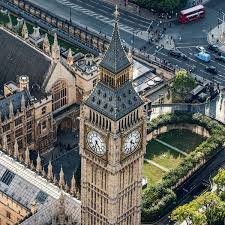
The upper chamber of the British Parliament has taken a bold and historic step. Members of the House of Lords recently voted to support a strict social media ban. This proposed legislation mirrors the tough digital safety measures recently adopted by the Australian government. Peers gathered in Westminster to express their deep concerns regarding the safety of young people. The final tally showed a significant majority in favor of the protective age restriction. A total of 266 peers voted to support the new measure during the session. Meanwhile, only 141 members chose to back the government’s alternative plan for a consultation. This decisive action represents a major challenge to the current policy of Keir Starmer. The Prime Minister had previously suggested a slower approach through public debate and research. However, the House of Lords clearly felt that immediate legislative action was strictly necessary.
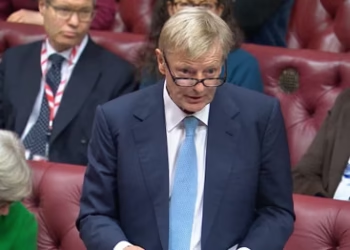
Lord Nash led the charge for the implementation of the social media ban today. The Conservative former minister spoke with great passion about protecting the next generation. He argued that the time for talking and consultation has now finally passed. Nash described the high vote count as an unambiguous message to the government. He stated that hollow promises and half-measures would no longer satisfy the public. This is the second time that the peer has pushed for this change. Earlier this month, members of the House of Commons voted against a similar proposal. Despite that initial setback, the momentum for the social media ban has grown rapidly. Lord Nash noted that the support in the Lords was even stronger now. He believes the government must act quickly to raise the age limit. Access to harmful digital platforms should be restricted to those over sixteen years.

The atmosphere in the chamber was incredibly heavy during the long voting process. Many peers were acutely aware of the audience watching from the public gallery. More than twenty family members sat quietly as they observed the political proceedings. These were bereaved parents who had lost their children to online harms lately. Many of them believe that digital platforms contributed directly to their personal tragedies. George and Areti Nicolaou were among those present in the gallery that evening. They clutched a moving photograph of their late son, Christoforos, during the vote. Their son tragically took his own life after joining a dangerous online forum. Lord Nash acknowledged these families and their immense suffering in his closing remarks. He told the chamber that every delay in legislation has real consequences. The presence of these families served as a stark reminder of the stakes.
Recent legal developments in the United States have also influenced this British debate. A jury in Los Angeles recently delivered a landmark verdict against tech giants. They found that Meta and Google designed products that were intentionally quite addictive. These platforms were found to have harmed the mental health of a woman. She began using these services when she was still a very young child. The jury ruled that the companies must pay millions in legal damages. This specific case has set a massive precedent for thousands of similar lawsuits. It highlights the growing global consensus that social media can be inherently dangerous. Lord Nash referenced this specific court judgment during his speech to the peers. He accused tech companies of taking a cavalier approach to child safety. The peer argued that the evidence of deliberate harm is now undeniable.
The crossbench peer Lady Cass also provided strong support for the age restriction. As a respected paediatrician, she understands the biological impact of digital use. She argued that the government is failing to understand the full situation. Cass suggested that ministers are taking a very narrow view of the problem. They seem focused only on specific psychological aspects of social media use today. However, professionals in schools and clinics see a much broader range of harms. These include sleep deprivation, cyberbullying, and exposure to very inappropriate graphic content. Lady Cass stated that further pilots or consultations would yield no new information. She described such efforts as disrespectful to the families who have already suffered. The peer believes that the direct harm to children is being repeated daily. She urged the government to listen to those on the front lines.
The proposed social media ban is part of the Children’s Wellbeing Bill. This bill aims to overhaul the way digital services interact with British youth. Supporters argue that children deserve to have their childhoods returned to them safely. They believe that constant connectivity is robbing young people of their mental peace. The Australian model, which inspired this vote, uses advanced age verification technology. This technology ensures that children under sixteen cannot create or maintain active profiles. Critics of the plan argue that a total ban might be difficult. They suggest that tech-savvy teenagers will always find ways to bypass digital filters. However, proponents say that a legal standard sets a necessary societal boundary. It empowers parents to say no to their children regarding platform access. It also places the legal burden of safety on the wealthy tech companies.

The government now faces a difficult political choice following this significant defeat. They can either accept the amendment or attempt to overturn it later. Keir Starmer has expressed concerns about the practicalities of a total ban. He previously advocated for better education and more robust parental control tools instead. Yet, the pressure from the House of Lords is becoming very hard to ignore. The lopsided vote suggests a cross-party consensus is forming on this urgent issue. Public opinion also seems to be shifting toward more restrictive digital policies. Many parents are tired of fighting a losing battle against powerful algorithms. They want the state to provide a clear legal framework for protection. The social media ban has become a symbol of this protective movement. It represents a desire to prioritize human well-being over corporate profit margins.
The tech industry has responded to these developments with a sense of caution. Companies like Meta and TikTok claim they have already introduced many safety features. They point to refreshed parental supervision tools and stricter default privacy settings lately. However, the recent Los Angeles court ruling has undermined their public claims. The jury found that addictive designs were baked into the core products. This makes it difficult for companies to argue they are acting responsibly. Lord Nash pointed out that these platforms are designed to keep users engaged. This engagement often comes at the expense of a child’s developing brain. He insists that only a firm age limit can break this cycle. The social media ban would force companies to change their fundamental business models. They would have to prioritize safety over the constant growth of users.
As the bill moves forward, the debate will likely intensify across the country. Supporters of the social media ban will continue to highlight tragic stories. They will use the voices of bereaved parents to demand immediate legal change. Meanwhile, the government will have to justify any further delays or consultations. The English Chronicle will continue to monitor this developing story very closely. The outcome of this legislative battle will define digital life for years. It will determine how much control tech companies have over British family life. For now, the House of Lords has made its firm position clear. They want a future where children are protected from the digital world. They believe that sixteen is the right age for entering social spaces. This vote marks a turning point in the fight for online safety.
Related News:
 Britain deploys RAF specialists to assist Belgium with drone threats
 Night after night, Belgium is on high alert.
 Ukraine to Get 100 French Rafale Jets in Historic Deal
 BP’s Influence Sparks Controversy in UK STEM Education
MPs warn AI financial risks threaten UK stability
BP’s Influence Sparks Controversy in UK STEM Education
MPs warn AI financial risks threaten UK stability
 MPs warn AI financial risks threaten UK stability
 Starmer Targets AI Chatbots Over Child Safety Concerns
 AI FOMO Warning as Osborne Urges Action
 Treasury AI plans spark influence concerns
 UK Social Media Ban for Under-16s Gains Momentum
 UK Teen Social Media Ban Trials Begin
 Ministers Urged to Act Faster on Deepfakes Threat
 MPs Reject Ban on Social Media for Under-16s
 Iran Social Media Strategy Shifts to Information War
 Cluster Strikes Test Israel’s Missile Defences
 House of Lords Backs Landmark Social Media Ban for Youth
 OpenAI Halts Stargate UK Project Amid Energy Crisis
 Big Tech Lobbies EU to Hide Massive Datacentre Emissions
 Canadian astronaut French words ease language row
 Reform UK funding: mystery billionaire revealed
 RAF Typhoons scrambled amid Russian drone threat near Nato
 Starmer’s Top Aide Held 16 Private Meetings With Tech Giants
 Doomsday Clock Nears Midnight Amid Global Crises
 FDA Chaos Deepens as Trump Eyes Makary Exit
 UK Ministers Lobby Trump Over Under-16s Social Media Ban
 Trump Faces Backlash Over $2bn Earnings Since Return
 OpenAI Proposes 5% Equity Stake to US Government
 Lanarkshire AI Hub Fails Energy Promises
 Reeves Launches City AI Skills Compact
 Meta Under Fire: The Battle Over Addictive Social Media Design
 Army Officers Orders to Cut Ties with Men-Only Clubs
 Trump’s UK Ambassador Urges North Sea Drilling to Strengthen US Ties
 UK Bans Fake Numbers: Scammers Lose Their Trick
 Vibe coding’ named Collins dictionary’s word of the year
 Patients to Test Health at Home to Ease NHS Winter Pressure
BBC to Apologise Over Edited Trump Speech Amid Backlash
Patients to Test Health at Home to Ease NHS Winter Pressure
BBC to Apologise Over Edited Trump Speech Amid Backlash
 Millionaires group urge Reeves to introduce wealth tax to ‘lift kids out of poverty’
 Reeves rejects £1bn plea for NHS redundancy payouts
 PM Condemns Leaks, Vows Loyalty to Ministers and Stability
 Greene Pushes Epstein Files Amid Trump Fallout
 Sundar Pichai Cautions on AI Hype and Market Risks
 Shadow Fleet at Sea: Europe’s Battle Against Illicit Oil Shipping
 Starmer Says Labour’s Economic Plan Needs Years to Deliver
 Australia grants Asio powers to designate hate groups under new laws
 ABC Facebook Page Briefly Hacked, Adult Photos Posted
 Artificial intelligence will cost jobs, admits Liz Kendall
 Meta trial over child exploitation claims begins
 UK and US Drop in Global Corruption Index Rankings
 Canberra Poster Seizure Sparks Free Speech Row
 Wales Approves Assisted Dying Bill Consent
 Stewart Brand on Musk, Bezos and a Life of Long Thinking
 Jacinda Ardern Move Sparks Kiwi Reflection
 Asylum Seekers to Work After Year-Long Wait
 New Zealand Covid Response Praised Despite Lingering Scars
 Injured Mojtaba Khamenei Elevated as Iran Leader
 The Kill Line: A Shifting Vision of the American Dream
 Inquiry into HMRC child benefit errors launched by NAO
 Air Canada CEO Faces Outcry Over Recent Language Misstep
 Farage Shuns Truss as US Right-Wing Roadshow Hits London
 Artemis II: Humanity Returns to the Moon After Decades
 Italian Town Buys Mussolini Villa to Keep Away Fascist Fans
 Suspected Plot Targets Pipeline Before Hungary Vote
 Robots Outpace Humans in Beijing Half-Marathon
 UK Faces Growing Threat of Scale Hacktivist Attacks
 Trump Defiant After Washington Hotel Shooting
 Starmer Survives Mandelson Rebellion
 Trump approval plunges amid Iran war fears
 Tough Fiscal Realities Await Next Scottish Government
 US ‘Narco Boat’ Strikes Draw Global Outcry
 One Nation Candidate’s Surprising Ties to Independents
 Reform UK Faces Crisis as Newly Elected Councillors Resign
 Tony Abbott Returns as New Liberal Party President
 Secret Role of UK Security Services in Troubles Amnesty Law
 The Hidden Crisis Eroding Trust in British Communities
 Stolen Mobiles Could Soon Become Useless Bricks
 Trump’s Mount Rushmore Speech: A Divisive Anniversary
 Trump’s Red-Card Intervention Hurts the US World Cup
 Trump Swaps Planes Amid Iran Tensions
 Ann Widdecombe, Formidable Political Figure, Dies at 78
 Houthis Strike Saudi Arabia as Middle East Tensions Rise