Published: March 27, 2026. The English Chronicle Desk.
The English Chronicle Online
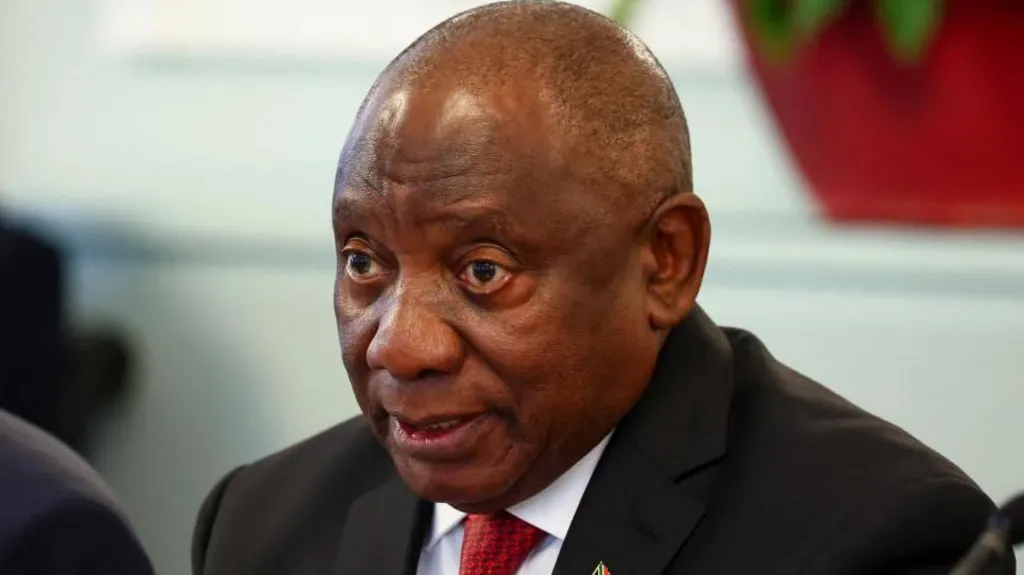
President Cyril Ramaphosa has sought to downplay South Africa’s absence from the emergency G7 summit in Brussels, stating that the decision not to invite Pretoria was “no surprise” given the country’s current diplomatic trajectory. Speaking from Cape Town as US Secretary of State Marco Rubio convened with G7 counterparts to discuss the escalating Iran war, Ramaphosa insisted that South Africa remains a “key player” in global South advocacy, even if it is no longer the “default invitee” for Western-led crisis talks. The exclusion marks a notable shift from previous years when South Africa was frequently brought into the G7 fold as a representative of African interests.

The snub comes at a time of heightened tension between Pretoria and the G7 nations, particularly over South Africa’s “non-aligned” but friendly stance toward Tehran. While the G7 is currently weighing a “total secondary sanctions” package against Iran, South Africa has been vocal in its criticism of the US-Israeli strikes, calling for an immediate ceasefire and the reopening of diplomatic channels. Analysts suggest that Ramaphosa’s exclusion is a deliberate signal from Washington and London that “fence-sitting” on the Persian Gulf conflict will no longer grant access to the inner sanctum of global decision-making.
“We are not surprised by the guest list for this particular meeting,” Ramaphosa told reporters during a briefing on the national “fuel famine” currently hitting the region. “The G7 is a club of specific interests. Our focus remains on the G20, where we will take the Presidency later this year, and on the BRICS+ collective, which offers a more inclusive perspective on the ‘ripple of fear’ currently destabilizing the global economy.” However, opposition leaders in the Democratic Alliance (DA) have labeled the exclusion a “diplomatic disaster,” arguing that South Africa is losing its voice on the world stage just when it needs to be negotiating for energy security.
The domestic stakes for South Africa are incredibly high. As the Iran war continues to choke off refined fuel supplies, South Africa’s own energy grid is under immense pressure, with “Stage 6” load-shedding returning to many provinces. The exclusion from the G7 means Pretoria was not in the room for critical discussions regarding the coordinated release of strategic petroleum reserves—a move that could have offered direct relief to the South African economy. Instead, the country is increasingly forced to look toward its BRICS partners to navigate the “perfect storm” of rising inflation and fuel shortages.
Despite the official “no surprise” stance, the mood in the Department of International Relations and Cooperation (DIRCO) is reportedly one of frustration. Insiders suggest that South Africa had hoped to act as a mediator between the West and the Global South on the issue of maritime blockades. With the G7 now moving toward a “final warning” for Tehran, South Africa’s absence suggests that the era of “bridge-building” diplomacy may be over, replaced by a more rigid “with us or against us” geopolitical landscape.

As the G7 prepares its joint communiqué, Ramaphosa is pivoting his attention to the African Union, seeking to coordinate a continental response to the “fuel famine.” For South Africa, the challenge of 2026 is no longer just about managing domestic crises like the “10-year Health Plan” or unemployment; it is about finding a way to remain relevant in a world where the old invitations are no longer being sent.
Related News:
 UK Poverty Hits 13.4 Million Amid Major Data Revisions
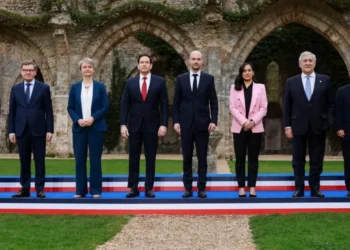 Global Crisis: Marco Rubio Convenes Emergency G7 Meeting as Iran Conflict Escalates
 Police Assessing Stansted Airport Private Flights Over Epstein Ties
 ‘Just Push Us Into the Sea’: The Frustration of an Area Failed by Politics
 Last‑ditch Call to Save Police Front Counters in London
 Britain’s Special Needs Spending Crisis Will Be Labour’s Ruin
 Fury as Jobless-Migrant Households Receive Benefits Worth £10bn – ‘We Need to End This’
 Schools in England to Get Budget for Children with Special Needs as Part of SEND Overhaul
 Tories Would Scrap ‘Debt Trap’ of High‑Interest Student Loans, Says Kemi Badenoch
 MPs Backed by Phillipson as She Defends Student Loan Change; Average Repayments to Rise by £8 a Month
 Why Independence Is Still a Political Dividing Line in Scotland
 Muslim Group Wants Mosques to Be Used as Polling Stations Ahead of UK Elections
 Manchester Students Mourn Ayatollah Amid Protest
 Labour Faces Backlash Over Conscription Warning
 SNP Health Secretary Criticised Over NHS Failures Locally
 Scotland Combines Alcohol and Drug Strategy to Cut Addiction Deaths
 Middle East tensions hit London’s streets as march banned
 Jobless Man on £15k Benefits Accused of Hurling Abuse at Anti-Migrant Demo
 Andrew Mountbatten-Windsor’s New Home Dispute as Vans Seen at Sandringham
 UK Doubles Steel Tariffs to 50% to Protect Domestic Plants
 UK Forecast to See Biggest Growth Hit from Iran War
 UK Forces Ready to Seize Russian Shadow Fleet Vessels
 Met Police Resume Arrests for Palestine Action Supporters
 ‘Teenage Me Could Not Have Imagined This’ Says First Female Archbishop
 ‘A Cliff Edge’: Hospice Leaders Warn Cutbacks Are Only Way to Survive
 The High Cost of Survival: How the 2026 Fiscal Outlook is Redefining British Life
 Holyrood Campaign ‘In Meltdown’ as Fifth Reform UK Candidate Quits
 US Lawmaker Demands Testimony Over Sarah Ferguson’s ‘Close Epstein Ties’
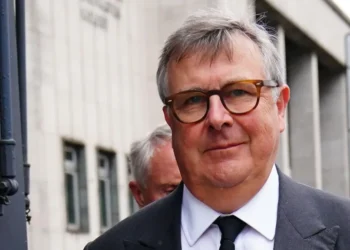 The Last of the Lords: Two Hereditary Peers to Retain Ceremonial Roles Amid Historic Ousting
 Trust in Turmoil: Just Eat and Autotrader Among Firms Probed Over Fake Reviews
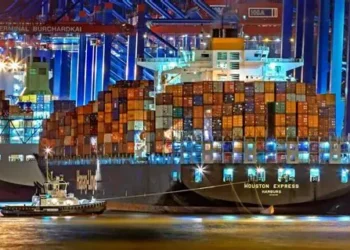 ‘Ripple of Fear’: Iran War Fears Sink UK Consumer Confidence to 11-Month Low
 Fuel Famine: How African Nations are Rationing Power and ‘Diluting’ Petrol to Survive
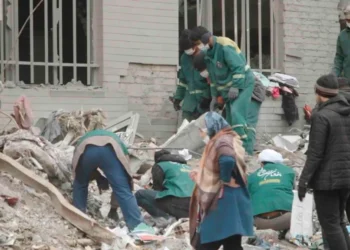 ‘My Daughter is Under the Rubble’: The Human Cost of the Tehran Strikes
 UK Must Act with Courage and Clarity on Israel-Palestine Conflict, Says Foreign Affairs Committee Report
 Radioactive Leak at UK’s Nuclear Warhead Base Sparks Outcry Over Safety and Secrecy
 Is the UK Ready to Put Boots on the Ground in Ukraine? Assessing Military Capacity and Challenges
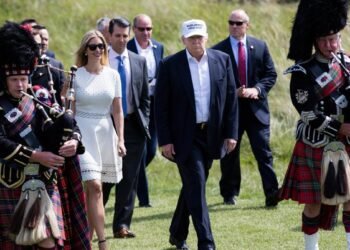 Police Scotland Spends £500,000 Compensating Officers Over Trump Visit
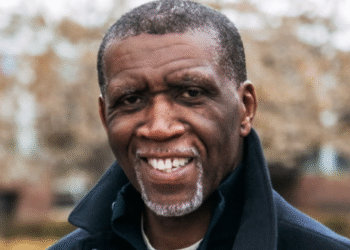 Urgent Action Needed on Windrush Compensation as Survivors Speak of “Waiting to Die”
 Tanni Grey-Thompson Faces Abuse Over Opposition to Assisted Dying Bill
 TfL Invites RMT to Resume Talks as London Tube Strikes End
 Nigel Farage Unveils Controversial Immigration and Welfare Plans at Reform UK Press Conference
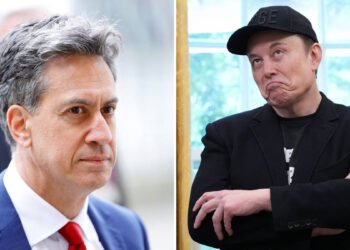 Ed Miliband Warns UK Government on X, Citing Elon Musk as a “Dangerous Influence”
 Kemi Badenoch Unveils ‘Golden Rule’ to Halve Spending Cuts for Deficit Reduction at Tory Conference
 UK border officers deployed to Balkans to tackle migrant smuggling
 UK MPs warn of repeat riots over online misinformation
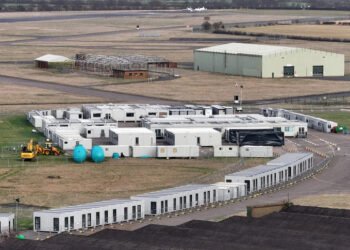 Army Barracks to House Migrants as Hotels Phase Out
 Trump’s UK Ambassador Urges North Sea Drilling to Strengthen US Ties
 Millionaires group urge Reeves to introduce wealth tax to ‘lift kids out of poverty’
 Reeves rejects £1bn plea for NHS redundancy payouts
 PM Condemns Leaks, Vows Loyalty to Ministers and Stability
 Major Rent Reform Ends No-Fault Evictions in England
 Starmer Says Labour’s Economic Plan Needs Years to Deliver
 UK Ministers Drop Foreign Student Targets for Global Education Push
 No Gas Boiler Ban as UK Warm Homes Plan Backs Heat Pumps
 Shinzo Abe’s killer receives life sentence in Japan
 Police response times face strict new national limits
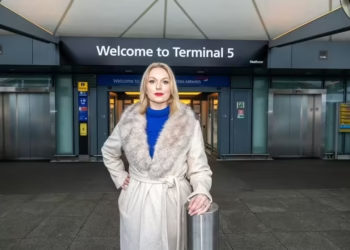 Labour Utterly Humiliated by Straight-Talking Mum Who Cut Through Keir Starmer’s Insanity
 Renters Furious as Decent Homes Standard Delayed Until 2035
 Could Manchester Lead the UK’s Economic Revival?
 Starmer Weighs Fast-Tracking Defence Boost
 Motorists Could Face ‘Mandatory’ Driving Ban for Road Offences Under Tougher Laws
 Farage to Name Jenrick as Reform Chancellor Pick
 Snow and Rain Warnings as Cold Snap Continues in the UK
 Civil Service Pay: Union Urges Ministers to End ‘Barking Mad’ Limits
 Antonia Romeo appointment sparks criticism
 Australian PM Says Former Prince Andrew Has Suffered ‘Extraordinary Fall’ but That Won’t Prompt Republic Referendum
 Farage Chagos Islands Row Sparks Fury
 Reform UK targets workers’ rights repeal
 Russian Trade Routed Through British Islands Exposed
 Mandelson Arrest: Met Apologises to Hoyle
 Calls Grow to Remove Billboard Following Lyra McKee Graffiti
 Police Scotland Pays £8m Compensation to Staff
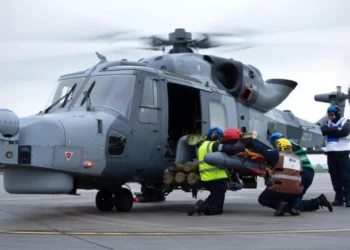 Minister Meets Crews Who Will ‘Take Out’ Iranian Drones
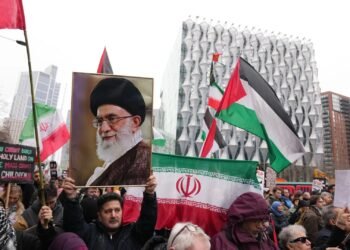 Thousands Protest Iran Strikes Outside US Embassy London
 UK Oil and Gas Supplies Reassured Amid Middle East Concerns
 Iran War Puts Trump at Political Risk Amid Rising Prices
 Father Dies by Suicide Weeks After Wedding in Clitheroe
 Teen Wins Payout After TRNSMT Crush Horror
 Tommy and Gail Sheridan to Stand for New Political Party After Alba Demise
 ‘Heating Oil Suppliers Are Holding Us to Ransom’ as Prices and Cancellations Surge