
Published: 1 April 2026 . The English Chronicle Desk. The English Chronicle Online- Your essential guide to personal finance and local government
Voters across the South West of England are preparing to head to the polls on Thursday, 7 May 2026, as part of a significant set of local elections. While several major metropolitan areas in the North and Midlands are seeing widespread contests, the South West’s electoral map this year is defined by key unitary authority battles and a return to the standard democratic cycle following a period of legal and administrative uncertainty. This year’s vote is particularly crucial as it serves as a mid-term barometer for the major political parties, with local issues such as housing, rural transport, and council tax levels taking center stage.

The primary focus in the region remains on the unitary authorities of Plymouth and Swindon. In Plymouth, voters will be electing a third of the council’s 57 seats. The city has recently seen intense political competition, and the 2026 results are expected to be a tight contest between the incumbent Labour administration and a resurgent Conservative and Liberal Democrat opposition. Meanwhile, in Swindon, all 57 council seats are up for election simultaneously. This “all-out” election is a result of comprehensive ward boundary changes implemented by the Local Government Boundary Commission for England (LGBCE), effectively resetting the entire council and allowing voters to choose a completely new representative body for the first time in several years.
Beyond these high-profile unitary contests, the South West’s electoral landscape is somewhat more subdued compared to other regions like London, where every single borough is holding elections. Many of the district and county councils in the South West are not scheduled for polls this year, having held their major elections in 2024 or 2025. However, residents are encouraged to check their local authority websites, as individual by-elections or smaller-scale district polls may still occur in specific wards to fill vacancies.
The 2026 elections also mark a moment of stability after a winter of confusion. Earlier this year, the government had proposed delaying elections in 30 areas across England due to ongoing local government reorganizations. This sparked significant backlash and a legal challenge from Reform UK. In mid-February, ministers withdrew the proposal following legal advice that postponing the polls could be considered unlawful. This means that all originally scheduled elections, including those in the South West, will proceed as planned on the May date.

For those planning to vote, the deadline to register is Monday, 20 April 2026. Voters are also reminded that the requirement to show a valid form of photo ID at polling stations remains in effect for all English local elections. Those who do not have an accepted form of ID can apply for a free Voter Authority Certificate until 5pm on Tuesday, 28 April. With polling stations open from 7am to 10pm on 7 May, the South West is set to play its part in a night that will likely reshape local governance across the country.
Related News:
 Tasers Introduced in UK Prisons to Combat Rising Violence and Protect Staff
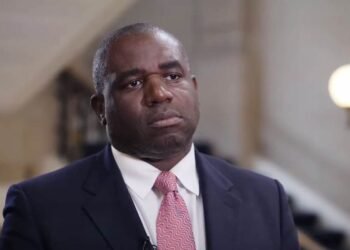 David Lammy Faces Possible Legal Challenge Over Foreign Office Secondment Scheme
 Ministers Accused of Defamation Over Palestine Action Ban and Mass Arrests
 Police Advised to Disclose Ethnicity of Suspects in High-Profile Cases
 Sally Rooney Pledges BBC Royalties to Support Palestine Action Despite UK Terror Ban
 UK’s First Transgender Judge Seeks Rehearing of Supreme Court Ruling on Biological Sex
 Government Signs Deal with Iraq to Return Illegal Migrants in Latest Bid to Deter Small Boats
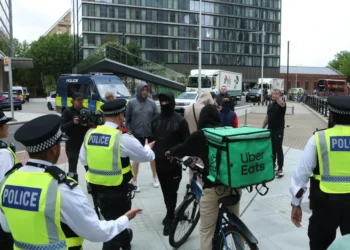 Migrant Hotel Chaos as Councils Consider Legal Action to Ban Asylum Seekers
 DWP Launches Independent Review of Post Office Staff Prosecutions
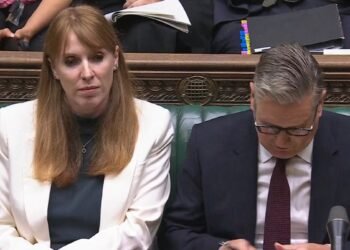 Angela Rayner Admits Underpaying Stamp Duty on £800,000 Seaside Flat
 Angela Rayner Faces Scrutiny as Stamp Duty Row Deepens
 Shabana Mahmood Faces Daunting Challenges as New UK Home Secretary
 Tanni Grey-Thompson Faces Abuse Over Opposition to Assisted Dying Bill
 First “One In, One Out” Deportation Flight Departs Without Migrants Amid Legal Challenges
 Hillsborough Law to Hold Public Officials Accountable, Promising Jail for Serious Misconduct
 Corbyn and Sultana Clash Over Membership Portal as Divisions Surface in New Leftwing Party
 Commons Speaker Warns UK Parliament Vulnerable to Foreign Espionage After China-Linked Case Dropped
Mahmood Pledges Reform of Modern Slavery Laws After Court Blocks Deportation Appeal
Commons Speaker Warns UK Parliament Vulnerable to Foreign Espionage After China-Linked Case Dropped
Mahmood Pledges Reform of Modern Slavery Laws After Court Blocks Deportation Appeal
 Migrants in UK May Need to Contribute or Face Removal, Home Secretary Signals
 Jailed Georgian Opposition Leaders Warn UK of Iranian Links to Ruling Party
 UK Police to Gain New Powers to Manage Repeated Protests, Home Office Announces
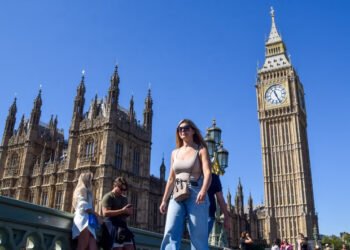 MPs’ pay watchdog seeks to give public greater voice in how politicians are funded
 Digital ID Plans Ignite Debate Over £600m Treasury Tax Boost and Privacy Concerns
 Boris Johnson Breached Rules on Post-Office Business Contacts
 Lucy Powell urged ministers to reconsider costly legal case for Labour donor’s firm
 Starmer Accused of Creating ‘Toxic Downing Street’
 China Spy Case Hearing Reveals Key Gaps in Prosecution
 It’s time to come clean on the China spy case
Johnson Approved China’s London ‘Super-Embassy’ in 2018
It’s time to come clean on the China spy case
Johnson Approved China’s London ‘Super-Embassy’ in 2018
 Experts Question HMRC Over Possible Child Benefit Privacy Breach
 Phillipson urges careful review of gender recognition guidance
 French Taxi Driver Cleared in David Lammy Theft Case After Fare Dispute
 Met Police Culture Makes Racial Harm ‘Inevitable’
 Remaining rebel Labour MPs have whip restored
 Tim Davie resigns as BBC director general amid bias claims
 Palace to reinstate hyphen in Andrew’s surname
 Victims’ commissioner Baroness Newlove dies aged 63
 Major Rent Reform Ends No-Fault Evictions in England
 Peers Flood Assisted Dying Bill with 942 Amendments
 Nandy says BBC review to probe political board influence
 Your Party Turmoil Deepens Over Withheld Donations
 UK Unveils Fast-Track Deportation and Asylum Overhaul
 UK Asylum Overhaul Sparks Debate Over Human Rights and Deportations
 UK Asylum Reforms: Temporary Refugee Status and Faster Deportations
 Mahmood Defends Tough Overhaul of UK Asylum System
 Scottish Ministers Express Alarm Over UK Asylum Reforms
 Westminster Advances Legacy Bill Amid Criticism
 Minister Defends Tough New Asylum Reform Plan
 UK Net Migration Falls Sharply After ONS Revisions
 Peers Get Extra Time to Debate Assisted Dying Bill
 Plans to Limit Jury Trials Face Retreat After Mounting Opposition
 Starmer tariffs stance rejects US trade retaliation
 Tim Walz urges Trump to withdraw federal agents immediately
 Emails Show Epstein Funded Mandelson’s Husband After Jail
 Labour Attacks Reform Candidate Over Tommy Robinson Backing
 Police Probe Mandelson Over Alleged Epstein Leak
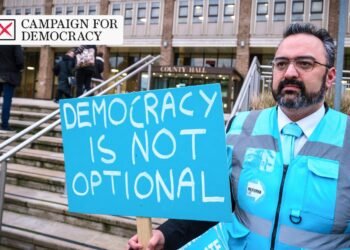 Starmer Reverses Local Election Delay Plan
 Starmer Ally Investigated Over Smear Claims
 Last‑ditch Call to Save Police Front Counters in London
 Civil Service Pay: Union Urges Ministers to End ‘Barking Mad’ Limits
 How Much Could Andrew’s Arrest Hurt the Royal Family?
 Andrew Released Under Investigation After Arrest
 Mandelson’s Lawyers Say Arrest Sparked by ‘Baseless’ Flight Risk Claim
 Major Changes to Asylum System Set to Come into Force
 Labour MP’s Partner Arrested on Suspicion of Spying for China
 Police Scotland Pays £8m Compensation to Staff
 Proposed Law Leaves Gap for Children of Convicted Paedophiles
 Labour Lawyers Blocked From Briefing MPs on Jury Trials
 Hereditary Peers to Lose Seats in House of Lords
 Mandelson’s Phone Messages Requested in Files Release
 Holyrood Campaign ‘In Meltdown’ as Fifth Reform UK Candidate Quits
 US Lawmaker Demands Testimony Over Sarah Ferguson’s ‘Close Epstein Ties’
 The Last of the Lords: Two Hereditary Peers to Retain Ceremonial Roles Amid Historic Ousting
 ‘My Daughter is Under the Rubble’: The Human Cost of the Tehran Strikes
 ‘Eye in the Sky’ Blinded: Photos Reveal Destroyed US Radar Jet at Saudi Base
 ‘Full and Immediate Access’: Netanyahu Reverses Palm Sunday Ban on Latin Patriarch
 Power Grab: Myanmar Junta Chief Min Aung Hlaing Nominated as President
 ‘I Dread the Phone Ringing’: Inside the Kennels on the Frontline of Britain’s XL Bully Crisis
 ‘I Was Naive,’ Says Minister Who Quit Over Labour Together Claims
 ‘Policing Streets, Not Tweets’: Mahmood Scraps Non-Crime Hate Incidents