Published: 03 April 2026. The English Chronicle Desk. The English Chronicle Online.
The historic streets of Oxfordshire have become a modern battleground for identity and community safety. Local authorities recently moved to halt the activities of a controversial flag-raising campaign group last week. This intervention followed numerous reports from residents who felt increasingly intimidated by the group’s public actions. Ryan Bridge, the co-founder of the Raise the Colours organisation, was subsequently taken into police custody. Officers arrested the forty-four-year-old man from Bromsgrove on suspicion of causing racially and religiously aggravated harassment. The arrest occurred late Tuesday evening following a series of incidents along the busy Abingdon Road. Police confirmed the suspect remained in a local holding cell for over eighteen hours before release. Bridge has now been granted bail under strict conditions that prevent him from entering the county.
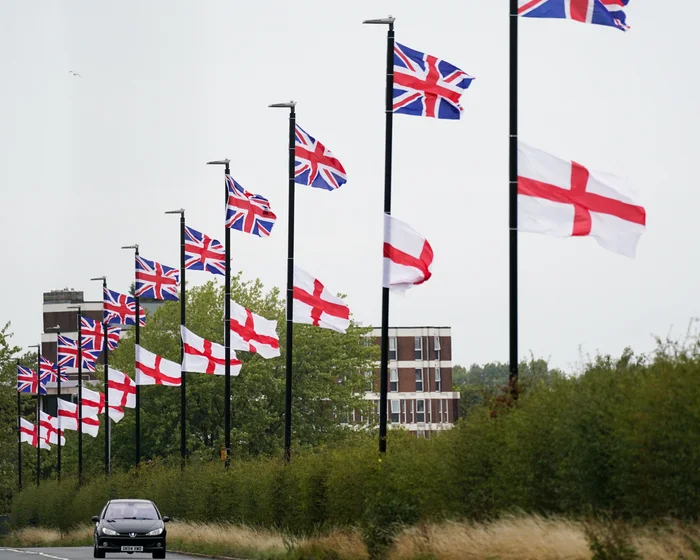
The Raise the Colours group gained significant social media attention for installing hundreds of national flags. Members typically focus on erecting Union Jacks and Saint George’s Crosses across various English suburban areas. While the group claims these actions celebrate national heritage, critics argue the intent is much darker. Many observers believe the widespread installations serve to spread inflammatory and anti-immigrant rhetoric within local neighbourhoods. This tension reached a boiling point in Oxfordshire, leading the county council to issue legal notices. Councillor Liz Leffman, the leader of the council, described the group’s persistent activity as deeply harmful. She stated that the scale of the flag-planting was affecting the wellbeing of the entire community. Residents reported feeling unwelcome and unsafe in their own streets due to these sudden, uncoordinated displays.

Legal documents issued by the council officially ordered Raise the Colours to cease all specified activities. The local government argued that the unauthorised installation of flags was an act of clear intimidation. Leffman noted that the group’s actions did not represent true patriotism or genuine love for country. Instead, the council views these displays as a deliberate attempt to sow division among diverse populations. Teams sent to remove the flags reportedly faced significant verbal abuse and various forms of threats. Individuals who challenged the group were also met with aggressive behaviour from the campaign’s active members. The council emphasized that such conduct is entirely unacceptable and will not be tolerated in Oxfordshire. They are currently exploring all legal avenues, including potential civil and criminal proceedings against those involved.
Following his release from police custody, Ryan Bridge took to social media to share his perspective. He posted a video on Facebook expressing his frustration and disbelief regarding the recent police action. Bridge argued that the world has gone mad if flying a flag causes public alarm. He claimed his detention was a disgrace and an affront to his rights as a citizen. The activist told his followers that the group must continue to march on and fight. He described the current situation as a significant battle for the soul of the English nation. Bridge maintained that his actions were purely patriotic and should not be viewed as offensive acts. However, the legal charges against him suggest that the police view the circumstances very differently.
The broader context of this arrest involves complex statistics regarding community cohesion and reported hate crimes. Recent data indicates that racially motivated incidents remain a significant concern for the British Home Office. In the last reporting cycle, over one hundred thousand hate crimes were recorded by police forces. Approximately seventy percent of these recorded offences were classified as being racially motivated in nature. Furthermore, religiously aggravated offences saw a notable increase of nine percent over the previous year’s figures. These statistics highlight the delicate nature of community relations in modern British towns and cities. Authorities often struggle to balance freedom of expression with the right to live without targeted fear. The Oxfordshire case is seen as a pivotal moment in defining these sensitive legal boundaries.
Thames Valley Police confirmed that the investigation into the Abingdon Road incidents is still ongoing today. They clarified that the arrest was a direct response to reports of persistent public order offences. The suspect is now facing serious allegations of causing distress through targeted racial and religious harassment. Police statements emphasize that the safety and security of all residents remain their primary operational goal. They have encouraged any witnesses or affected individuals to come forward with additional evidence or statements. The force is working closely with local government officials to monitor the situation in the area. Such collaborations are essential for maintaining peace in communities facing high levels of social friction. The outcome of this specific case could set a legal precedent for similar groups nationwide.
The debate surrounding the Raise the Colours group often centers on the perception of national symbols. To many supporters, the flag is a benign emblem of history, pride, and shared cultural values. Conversely, many minority groups feel these symbols are being weaponised to signal exclusion and hostility. In areas with high ethnic diversity, the sudden appearance of hundreds of flags can feel aggressive. Statistics show that thirty-seven percent of minority residents feel less safe when nationalistic rhetoric increases. This psychological impact is what the Oxfordshire council cited when declaring the activity was causing distress. They argue that the intent behind the display is just as important as the display itself. When flags are used to mark territory or intimidate neighbours, the legal definition changes significantly.
The social media presence of Raise the Colours has played a major role in their growth. They use digital platforms to coordinate events and broadcast their flag-raising activities to a global audience. These videos often feature emotive music and speeches designed to stir a sense of urgent nationalism. This online strategy has helped the group attract thousands of followers and significant financial donations too. However, this high visibility also provides law enforcement with a clear digital trail of their activities. Police have been using these videos to identify participants and document instances of potential public disorder. The intersection of online activism and physical confrontation is a growing challenge for modern British policing. It requires a sophisticated approach to monitoring and responding to rapidly evolving local tensions across England.

The arrest of Ryan Bridge has sparked a fierce debate across various UK-based online platforms. Some users defend his actions as an expression of free speech and traditional British national pride. They argue that the government is overreaching by criminalising the display of the country’s national flag. Others support the police action, citing the need to protect vulnerable communities from targeted, organised harassment. They believe that no group should be allowed to intimidate others under the guise of patriotism. This divide reflects a broader cultural tension that continues to shape the current British political landscape. As the legal case progresses, both sides will be watching the court’s decisions very closely. The final verdict will likely influence how similar campaign groups operate in the near future.
In conclusion, the events in Oxfordshire serve as a stark reminder of the complexities of modern identity. The arrest of a campaign leader highlights the thin line between personal expression and public harassment. Authorities are clearly taking a firmer stance against activities that threaten to undermine local community cohesion. The use of legal notices and police intervention signals a zero-tolerance policy toward public intimidation tactics. As the investigation continues, the focus remains on restoring a sense of safety for all residents. The English Chronicle will continue to provide updates on this developing story as more information emerges. For now, the flags in Oxfordshire have been removed, but the underlying social tensions remain. It is a story that resonates far beyond the borders of a single English county.
Related News:
 It’s time to come clean on the China spy case
 Five More Prisoners Freed by Mistake in Essex Week
 Nearly 48,000 Zombie Knives Removed from UK Streets in a Year
 Afghan man charged with murder after west London knife attack
 Experts Question HMRC Over Possible Child Benefit Privacy Breach
 Man Charged Over Cambridgeshire Train Stabbing
 Phillipson urges careful review of gender recognition guidance
 French Taxi Driver Cleared in David Lammy Theft Case After Fare Dispute
 Just Stop Oil Protesters Convicted Amid Climate Defence Row
 Met Police Culture Makes Racial Harm ‘Inevitable’
 Newcastle United Lifts Ban on Fan Over Gender-Critical Views
 British Grandmother to Return Home After Death Sentence in Bali
 Remaining rebel Labour MPs have whip restored
 King Charles to Lead Nation in Remembrance Sunday Service
 Tim Davie resigns as BBC director general amid bias claims
 Bar Council urges legal aid for all domestic abuse family cases
 Government urges schools to ban phones to curb classroom disruption
 Palace to reinstate hyphen in Andrew’s surname
 NHS trust fined after woman takes life in mental health unit
 Pop Stars Call on UK Government to Cap Resale Prices for Fans
 Reeves Rejects £1bn NHS Payout Plea from Streeting
 Major Rent Reform Ends No-Fault Evictions in England
 Peers Flood Assisted Dying Bill with 942 Amendments
 ‘Fake Admiral’ Sparks Outrage at Remembrance Event
 Your Party Turmoil Deepens Over Withheld Donations
 UK Unveils Fast-Track Deportation and Asylum Overhaul
 Couple Win Damages Over Arrest Linked to WhatsApp Chat
 UK Asylum Overhaul Sparks Debate Over Human Rights and Deportations
 UK Asylum Reforms: Temporary Refugee Status and Faster Deportations
 Mahmood Defends Tough Overhaul of UK Asylum System
 Paralegal Fired After Exposé on Illegal Worker Scam
 Dan Wootton Rejects Catfishing Allegation in Court
 Mahmood Announces Temporary Refugee Status Plan
 UK Government to Ban Reselling Tickets Above Face Value
 Scottish Ministers Express Alarm Over UK Asylum Reforms
 Westminster Advances Legacy Bill Amid Criticism
 Minister Defends Tough New Asylum Reform Plan
 UK Net Migration Falls Sharply After ONS Revisions
 Court to Hear Challenge to Wimbledon Expansion Plan
 Serial Rapist and Former Cop Found Guilty Again
 Gardener Guilty of Brutal Attack on Teacher Partner
 Peers Get Extra Time to Debate Assisted Dying Bill
 Second homes curbs quashed in Gwynedd legal ruling
 Virgin Media Fined £23.8m Over Telecare Safety Failures
 Twelve Prisoners Released in Error, Two Still Missing
 Starmer’s communications chief to outline media strategy overhaul
 UK Police Plan to Scrap ‘Non-Crime Hate Incidents’
 Google Employee Claims Redundancy After Harassment Report
 Plans to Limit Jury Trials Face Retreat After Mounting Opposition
 TikTok to Strengthen Age Verification Across the EU
 Woman Jailed for Life After Killing E-Bike Rider in Tragic Mistaken Identity Case
 Tim Walz urges Trump to withdraw federal agents immediately
 UK and EU Signal Fresh Push for Defence Cooperation Talks
 Study Finds One in Seven England Takeaways Are Dark Kitchens
 Civil Service Pay: Union Urges Ministers to End ‘Barking Mad’ Limits
 DHS Probe Into Border Official Sparks National Debate
 UK Child Abuse Case Moves Forward After Court Decision
 Proposed Law Leaves Gap for Children of Convicted Paedophiles
 Labour Lawyers Blocked From Briefing MPs on Jury Trials
 Police Chiefs Under Fire for Failing to Address Racism
 Starmer Defends Workers’ Rights Amid Rising Green Threat
 RSPB Urges Summer Bird Feeder Removal to Curb Disease
 Prevent Failings Exposed After Southport Attack
 Mass Arrests at London Palestine Protest Spark Debate
 Synagogue Arson Attempt Sparks Security Fears
 City & Guilds Sale Sparks Fees and Pay Uproar
 Starmer Faces Pressure Over Mandelson Vetting Scandal
 Crackdown Backfires on UK Climate Protesters
 Asylum deal sparks fears over Syria deportations
 UK may ban protests amid rising antisemitism fears
 Greens Face Internal Row Over Antisemitism Claims
 Met Officers Probed Over Al Fayed Abuse Allegations
 Five Toys in UK Found to Contain Asbestos
 Victim says non-custodial rape sentence ‘rock in my face’
 Appeal Court Rules Ban on Palestine Action Was Lawful
 Cornwall Van Dwellers Face Eviction in Housing Crisis
 Murder Probe Continues After Arrest Release
 Westminster Council Threatens Charing Cross Soup Kitchen
 BBC Warned About Missing Clothes of Murder Victim
 Cambridge Professor Jason Arday Found Dead at Home