Published: April 6, 2026
The English Chronicle Desk
The English Chronicle Online
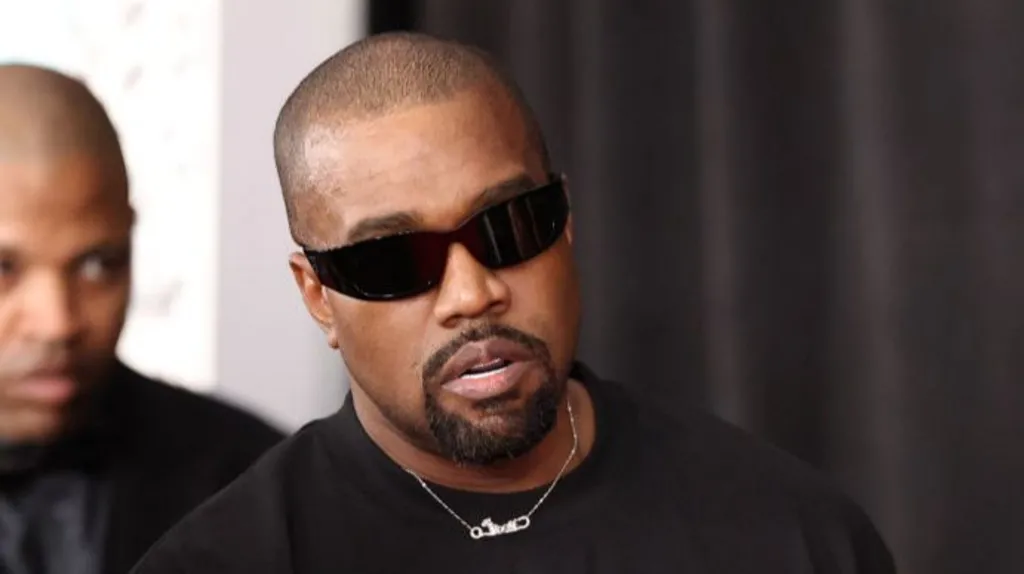
Pepsi has withdrawn its sponsorship from a major UK music festival following widespread backlash linked to the reported involvement of rapper Kanye West, whose recent controversies have continued to polarize public opinion. The decision underscores the growing sensitivity among global brands to reputational risks, particularly in the highly visible entertainment sector.
The controversy emerged after festival organisers were said to be in discussions with Kanye West—also known as Ye—regarding a potential appearance or collaboration. News of his possible involvement quickly triggered criticism across social media platforms, with many users expressing concern over his past statements and behaviour. Critics argued that associating with the artist could send the wrong message, prompting calls for sponsors to reconsider their support.

Pepsi, one of the festival’s headline sponsors, responded by announcing its withdrawal, citing a commitment to maintaining brand values and aligning with audience expectations. While the company did not directly name Kanye West in its official statement, the timing of the decision strongly suggests a connection to the unfolding backlash.
Industry analysts note that the move reflects a broader trend in corporate risk management. In an era of instant public feedback, brands are increasingly proactive in distancing themselves from potential controversies. Sponsorship deals, once seen primarily as marketing opportunities, are now evaluated through the lens of social responsibility and public perception.
Festival organisers have yet to provide full details on how Pepsi’s exit will impact the event. However, the withdrawal of a major sponsor could have financial implications, potentially affecting production budgets, artist line-ups, and overall scale. Organisers may need to secure alternative partnerships or adjust plans to maintain the festival’s viability.
Public reaction to Pepsi’s decision has been mixed. Some have praised the company for taking a principled stance, arguing that businesses should be accountable for the associations they choose. Others have criticized what they see as an overreaction, suggesting that artistic expression should not be constrained by corporate interests or public pressure.
The situation also highlights the complex relationship between artists, audiences, and sponsors. While controversial figures can generate significant attention and ticket sales, they also carry the risk of alienating segments of the audience. For event organisers, balancing these factors has become increasingly challenging.
Kanye West’s history of public controversies has made him a particularly divisive figure. Previous incidents have led to the loss of major brand partnerships and collaborations, illustrating the potential consequences of reputational damage. Despite this, he continues to command a substantial following, reflecting the enduring influence of celebrity culture.
For Pepsi, the decision to withdraw may be seen as a strategic effort to protect long-term brand equity. By acting swiftly, the company aims to mitigate potential backlash and reinforce its commitment to widely accepted values. Such actions are increasingly common as companies navigate a landscape where consumer sentiment can shift rapidly.
The UK festival scene, known for its diversity and cultural significance, is not immune to these pressures. Events often rely on a combination of sponsorship, ticket sales, and media partnerships to operate successfully. When controversies arise, the ripple effects can extend beyond individual stakeholders, affecting the broader ecosystem.
Looking ahead, the incident may prompt organisers to adopt more cautious approaches when selecting artists and partners. Due diligence processes could become more rigorous, with greater emphasis on assessing potential reputational risks. This, in turn, may influence the types of acts that are featured at major events.
At the same time, the debate raises questions about the limits of corporate influence in the arts. While sponsors play a crucial role in enabling large-scale events, their involvement can also shape programming decisions. Striking a balance between financial support and creative independence remains an ongoing challenge.
The broader implications extend to the relationship between brands and cultural platforms. As companies seek to align themselves with positive narratives, they must also navigate the complexities of public discourse. Decisions like Pepsi’s withdrawal illustrate how quickly business considerations can intersect with cultural and social dynamics.

Ultimately, the episode serves as a case study in modern brand management. It demonstrates the importance of agility, awareness, and responsiveness in a rapidly evolving environment. For Pepsi, the priority appears to be safeguarding its reputation, even at the cost of a high-profile sponsorship.
As the festival moves forward, attention will remain focused on how organisers adapt to the situation and whether additional sponsors or partners adjust their positions. The outcome may set a precedent for how similar controversies are handled in the future, both within the UK and beyond.
Related News:
 Oprah enjoys Meghan’s jam on English muffins
 From Lego to Pokémon: How Adults Are Driving UK Toy Market Growth
 Tourism Is Booming in 2026 — Just Not Where You Think
 Netflix and Paramount Are Battling for Warner Bros. — Who Is Likely to Win?
 The Chinese AI App Sending Hollywood Into a Panic
 Live Nation Sees Strong Ticket Sales as Monopoly Lawsuit Looms
 ‘She Loved Painting Life Out Loud’: The Story of Beryl Cook’s Saucy Art
 Karen Gillan Reveals What She Misses Most About Scotland’s Food and People
 Why Alan Carr Bought a Castle in Kent
 ‘We Pray for Peace’: Indian Filmmaker From Troubled State Who Won a BAFTA
 BBC Apologises After Racial Slur Aired at BAFTAs by Guest With Tourette’s
 Man discovers £18k trading card stash in his loft
 Netflix Drops Warner Bros Bid, Clearing Way for Paramount Takeover
 Tracey Emin Says My Bed Would Be ‘Tidy, Clean and Boring’ If Made Today
 Netflix Drops Bid for Warner Bros, Clearing Way for Paramount Takeover
 Actor Awards: The Winners and Nominations in Full
 Actor Awards: The Red Carpet in Pictures
 Tributes to The Quarrymen’s Len Garry Who Has Died
 The Little Town Making Nearly All of China’s Lanterns
 ‘The Bride!’ Review: Maggie Gyllenhaal’s Bride of Frankenstein Riff Is Exhilarating and Unforgettable
 Henry Moore sculpture sells for £26m at auction
 London Underground’s public art celebrated
 Broadchurch Writer Supports ‘Next Generation’ of Talent
 Quentin Tarantino to Stage ‘Swashbuckling Comedy’ Play in London
 Six Reasons This Year’s Oscars Stood Out
 Ticketmaster Fees Rise Despite Recent US Junk Fee Crackdown
 ‘The Show Must Go On’: Megan Thee Stallion Hospitalized Mid-Performance in Broadway Debut
 National Treasure: Raja Ravi Varma Masterpiece Smashes Indian Art Record with $17.9m Sale
 US Senators Slam Ticketmaster Over Sneaky New Fee Hikes
 Post Office Scandal Compensation Tops £1 Billion as Victims Finally See Justice
 Ozzy Osbourne: The Prince of Darkness Bows Out, Leaving Behind a Legacy of Metal and Myth
 Terence Stamp, ’60s British Film Legend and Star of Superman, Dies at 87
 Big Pharma Investment Freeze Puts UK Life Sciences Sector Under Strain
 Great Britain’s Energy Operator Commits to Strengthening Grid to Prevent Blackouts
 UK House Price Growth Slows as Buyers Exercise Caution Ahead of Autumn Budget
 Kemi Badenoch Unveils ‘Golden Rule’ to Halve Spending Cuts for Deficit Reduction at Tory Conference
 Paedophile Singer Ian Watkins Dies After Prison Attack
 New V-Level qualification to transform post-16 education
 Real living wage set to rise nearly 7% for UK workers in 2026
 Reeves Faces Setback as Labour May Miss Homes Target
 Virgin Trains Moves Closer to Challenging Eurostar Monopoly
 Kate Winslet to Narrate Film Highlighting King’s Environmental Mission
 Trump’s UK Ambassador Urges North Sea Drilling to Strengthen US Ties
 Ryanair Chief UK Economy ‘Doomed’ Under Labour
 M&S Profits More Than Halve After Cyber-Attack
 I’m a Celebrity 2025 line-up revealed: Osbourne joins
 Millionaires group urge Reeves to introduce wealth tax to ‘lift kids out of poverty’
 Canada Passes Carney’s First Budget in Tight Parliamentary Vote
 Director Michael Caton-Jones Reflects on Career and Beginnings
 Starmer Says Labour’s Economic Plan Needs Years to Deliver
 Rusty Bond-Era Aston Martin Restored to £1m Glory
 Historic £100-Weekly Pension Boost Brings Relief for UK Mineworkers
 US Dollar Hits Four-Year Low Amid Market Turmoil
 UK New Car Discounts Near £6,000 as Prices Are Slashed
 Julia Donaldson Reveals New Character and Title for Third Gruffalo Book
 Pound Sinks and Borrowing Costs Rise as Starmer Fights for Job
 Major UK Clothing Firm Collapses into Administration — 109 Jobs at Risk
 BT Names New Openreach Chief Amid Major Fibre Expansion
 Is Dining Out Dying Out?
 Could Manchester Lead the UK’s Economic Revival?
 Lloyds Boss Accepts Concern Over Use of Staff Data in Pay Talks
 AI Coding Firm’s ‘Pride’ at Business Award Win
 UK Job Vacancies Hit Five-Year Pandemic Low
 Meet Robert Aramayo: From Humble Beginnings in Hull to Juilliard and BAFTA Glory After Beating Timothée Chalamet
 UK Youth Unemployment Surges Amid Tax Changes
 Strong Rebound for UK Housing Market Sees 6% More Homes
 Burger King Rolls Out AI Headsets to Track Employee ‘Friendliness’
 Switching Energy Deal Can Save £200 as Price Cap Falls
 Marshals Is an Action‑Packed Spin‑Off That Yellowstone Fans Will Love
 Souped‑Up Warhol Exhibition Pops Into City With New Works
 Oil Prices Surge Above $100 Amid Iran War
 Abramovich Chelsea Sale Cash Faces Jersey Probe
 ‘Heating Oil Suppliers Are Holding Us to Ransom’ as Prices and Cancellations Surge
 Sri Lanka Sets Weekly Shutdown to Save Fuel
 Charity Watchdog Takes Control of Learning Disability Care Home
 ‘My Hatred of Dogs is Ruining My Love Life’
 English Football’s Managerial Merry-Go-Round Has Become a Circus
 The 8 Million Dilemma: Why Britain’s Disability Safety Net is Facing a ‘2026 Reckoning’
 Russia: The Unforeseen Winner of the Iran Conflict
 “It Ends With Trial”: Judge Tosses Blake Lively’s Sexual Harassment Claims Against Justin Baldoni