
Published: April 7, 2026. The English Chronicle Desk. The English Chronicle Online — Tracking Australia’s shift toward a post-fuel future.
SYDNEY — The morning peak on the Sydney Harbour Bridge usually sounds like a low-frequency hum of internal combustion engines. But this Tuesday, the soundtrack has changed to the quiet whir of derailleurs and the zapping of e-bike motors. Faced with “crazy” fuel costs that have hovered between $2.25 and $2.48 per litre in recent weeks, thousands of Sydneysiders are staged a mass migration from four wheels to two. The shift has been so rapid that local bike shops are reporting a “Christmas-level” surge in sales, as commuters scramble to circumvent a fuel crisis triggered by the ongoing conflict in the Middle East.

The timing of the “Great Saddle-Up” has been aided by a major infrastructure milestone. Just three months ago, the long-awaited Sydney Harbour Bridge cycleway ramp officially opened, finally removing the 55-step barrier at Milsons Point that had for decades deterred all but the most athletic riders. According to Transport for NSW, bike trips across the bridge have surged by over 30% since the ramp’s debut, with peak days now seeing upwards of 9,000 riders. For many, the $39 million project—once criticized as a luxury—has become a vital financial lifeline.
For the average Sydney household, the motivation is purely mathematical. With petrol prices at record highs, a 20km daily round-trip commute can now cost a driver nearly $1,300 a year in fuel alone, before accounting for the city’s notorious tolls and “extortionate” CBD parking rates.
-
The Car Cost: AAA data suggests the total cost of car ownership in 2026 has climbed past $23,000 annually.
-
The Bike Bonus: By contrast, an e-bike can be charged for roughly $0.02 per trip.
-
The Time Factor: On congested arteries like Parramatta Road and Military Road, e-bikes are now consistently outpacing cars during rush hour, turning a 50-minute crawl into a 25-minute breeze.
“I was spending $120 a week just to sit in traffic and listen to news about the war,” said Sarah Jennings, a legal secretary who recently switched to a “subscribe-to-own” e-bike program. “Now, I’m getting to the office in 20 minutes, I’m saving five grand a year, and I don’t have to worry about whether a petrol station has run dry. It was a no-brainer once the fuel hit $2.40.”
The surge in cycling is putting Sydney’s “strategic cycleway network” to the ultimate test. Beyond the Harbour Bridge, recently completed links on Oxford Street and King Street are seeing record volumes, effectively closing the gaps that previously made bike commuting feel like an extreme sport. Active transport advocates have hailed the current moment as a “tipping point,” urging the NSW Government to accelerate its $950 million funding commitment to keep pace with the demand.

While the Federal Government recently introduced a 16-cent fuel excise cut to provide “overnight relief,” many commuters remain skeptical. With Australia’s fuel reserves still vulnerable to global supply shocks, the consensus on the cycleway is that the era of cheap, reliable petrol is over. As the “summer of cycling” transitions into a crisp Sydney autumn, the city’s streets are being reclaimed by a new generation of riders who have realized that the best way to win the fuel game is to stop playing it altogether.
Related News:
 Apple at 50: Three Products That Changed How We Live
 Modi’s London Visit Seals Historic UK-India Trade Pact Amid Global Tensions
 China’s crackdown on civil servant perks sparks economic concerns
 Shein UK Faces Allegations of Shifting Majority of Profits to Singapore to Reduce UK Tax
 British AI Startup Outshines Human Forecasters in Global Prediction Contest
 Indian Court Deals Legal Setback to Elon Musk’s X in Free Speech Battle
 China warns UK over delayed London mega embassy decision
 Rachel Reeves to lead UK trade push in Saudi Arabia amid rights debate
 UPS Cargo Plane Crash in Kentucky Kills Seven
 Canada Passes Carney’s First Budget in Tight Parliamentary Vote
 India’s Labour Law Overhaul Sparks Fierce Debate
 Sydney Shark Attack Surge Shocks Australia Beaches
 Coalition crisis deepens after Nationals frontbench resignations
 Andrew Hastie Emerges as Leadership Rival to Ley
 UK New Car Discounts Near £6,000 as Prices Are Slashed
 Christchurch Shooter Seeks to Overturn Guilty Plea in Appeals Court
 Netflix and Paramount Are Battling for Warner Bros. — Who Is Likely to Win?
 Japan Braces as Takaichi Begins New Term with Huge Mandate for Low‑Tax, Ultra‑Conservative Agenda
 The Chinese AI App Sending Hollywood Into a Panic
 US and Indonesia Finalise Deal to Cut Tariffs to 19%
 Live Nation Sees Strong Ticket Sales as Monopoly Lawsuit Looms
 ‘We’re Still on Edge’: Toy Firms Look to US Supreme Court as Tariffs Hit Profits
 Australian PM Says Former Prince Andrew Has Suffered ‘Extraordinary Fall’ but That Won’t Prompt Republic Referendum
 US Will Not Back Out of Tariff Deals with UK and Others, Says Trump Trade Representative
 Trump Tower Gold Coast to Redefine Skyline
 Australian Prosecutors Consider Reopening British Girl’s Cold Case Disappearance
 What Now for Asia After Trump’s Tariffs Were Struck Down?
 Ukraine war briefing: Russia exporting more oil now than before war despite sanctions – report
 Sydney kidnapping mystery deepens as grandfather’s remains found after mistaken abduction
 Security Threat Against Australian PM Linked to Banned Chinese Dance Group
 Australians Arrested Over Alleged Murder of Grandfather Mistakenly Kidnapped
 Reserve Bank May Hike Rates Twice Amid Persistent Inflation
 Bill Gates ‘Took Responsibility’ Over Epstein Ties in Staff Meeting, Foundation Says
 Instagram Investigating AI Profiles ‘Fetishising’ Disabled People
 Burger King Rolls Out AI Headsets to Track Employee ‘Friendliness’
 Why Asian Firms Are Not Cheering Trump Tariff Ruling
 Why Asian Firms Are Not Cheering Trump Tariff Ruling
 Oil Prices Rise After Ships Attacked Near Strait of Hormuz
 Oil Prices Surge as Iran War Jolts Markets
 Tehran Makes New Threat to Gulf Shipping as US Says ‘Hardest Hits’ on Iran ‘Yet to Come’
 Limited Flights Leave UAE But Disruption Continues Amid Iran Strikes
 Amazon Says Drones Damaged Three Facilities in UAE and Bahrain
 Bars Close and Hundreds Lose Jobs as US Firm Buys BrewDog in £33m Deal
 Millions of Cubans Plunged Into Darkness Amid Fuel Crisis
 Oil Prices Surge Above $100 Amid Iran War
 G7 Weighs Emergency Oil Reserves as Prices Surge
 Gulf Oil Shock Sends Global Economic Ripples
 Iran Rejects Ceasefire, Warns Trump With Chilling Message
 US Says 16 Iranian Mine Ships Destroyed in Hormuz
 Iran War Costs to Be Passed to Consumers, Shipping Boss Warns
 Oil Price Jumps Despite Deal to Release Record Amount of Reserves
 Brazil Floods Warning as Scientists Urge Fossil Fuel Exit
 UniCredit’s Bold Move to Reshape European Banking
 UK Wage Growth Slows as Jobs Market Holds Firm
 Oil Slides, Stocks Jump on Trump Peace Signals
 PM Seeks to Reassure Australians Over Fuel Supply
 ‘Horror on the Street’ and ‘Fears Grow over Shortages’
 Jim Ratcliffe’s £3.5bn Chemical Plant Delayed with Parts Stranded in the Gulf
 Michel Rolland: The ‘Spielberg of Wine’ Who Directed the Global Palate
 Zelensky Looks to Gulf to Protect Him from Putin
 Iran Strikes Kuwaiti Desalination Plant, Killing Worker as ‘Water War’ Escalates
 Trump Threatens Iran With Total Infrastructure Destruction
 Epic Fury: The Strategic Logic and Uncertain Horizon of the 2026 Iran War
 ‘Better Off Not Planting’: UK Farmers Face 36% Fertiliser Spike as Gulf Crisis Bites
 Beyond ‘Halfway’: Netanyahu Signals Progress as Iranian Drone Strikes Tanker in Dubai
 ‘Emergency Management’: Korean Air Slashes Costs as Jet Fuel Prices Double
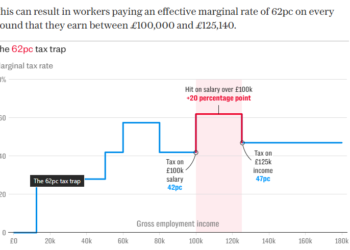 The ‘Career Ceiling’: One in Five High Earners Say £100k Tax Trap is ‘Ruining’ Their Ambition
 ‘Lego Drones’: Ukraine Hits Back at German Arms Giant Over ‘Housewife’ Slurs
 ‘The 42-Day Rally’: Asian Markets Surge as Trump Signals ‘Rapid’ Iran Exit
 ‘The Arch of Anxiety’: How the $116 Oil Price and the Iran War are Reshaping Life in Asia
 Russia: The Unforeseen Winner of the Iran Conflict
 The Bitter Aftertaste: Iran War Threatens to Spike Prices for Indian Beer and Bottled Water
 Regional Escalation: Drone Strike Hits Kuwait’s Al-Zour Refinery Amid Trump’s “Stone Age” Ultimatum
 “Time is Up”: M&S Bosses Demand Urgent Action as Retail Crime Hits “Brazen” New Highs
 US Senators Slam Ticketmaster Over Sneaky New Fee Hikes
 Oil and Diplomacy: Russian Refineries Burn as Zelenskyy Secures Middle East Shield
 “A Perfect Storm”: UK Small Businesses Face Doubling Energy Bills as Iran War Rattles Markets
 Silver Linings: Why Global Tourism is Finding “Positives” Amidst Iran War Uncertainty
 Electric Shock: Australians Buy Record Number of New EVs as Fuel Crisis Bites
 War, Windfalls, and the Carbon Trap: The Iran Conflict’s Brutal Energy Math