Published: 10 April 2026. The English Chronicle Desk. The English Chronicle Online.
The heavy morning heat hangs over the Gulf as silence settles across the water. Twenty thousand seafarers now find themselves caught within a dangerous and unpredictable maritime stalemate. These men and women remain trapped behind the invisible lines of a regional conflict. Their vessels sit idle while political tensions continue to simmer in the nearby distance. One worker recently shared the growing desperation felt by those currently stuck at sea. This individual has spent six long weeks waiting for a sign of hope. They claim that maintaining a positive mental state is now becoming an impossibility. The constant pressure of the situation is slowly eroding the resolve of every soul. Many crew members feel that their lives are being used as political leverage. Every passing day brings more uncertainty to those who are simply doing their jobs.
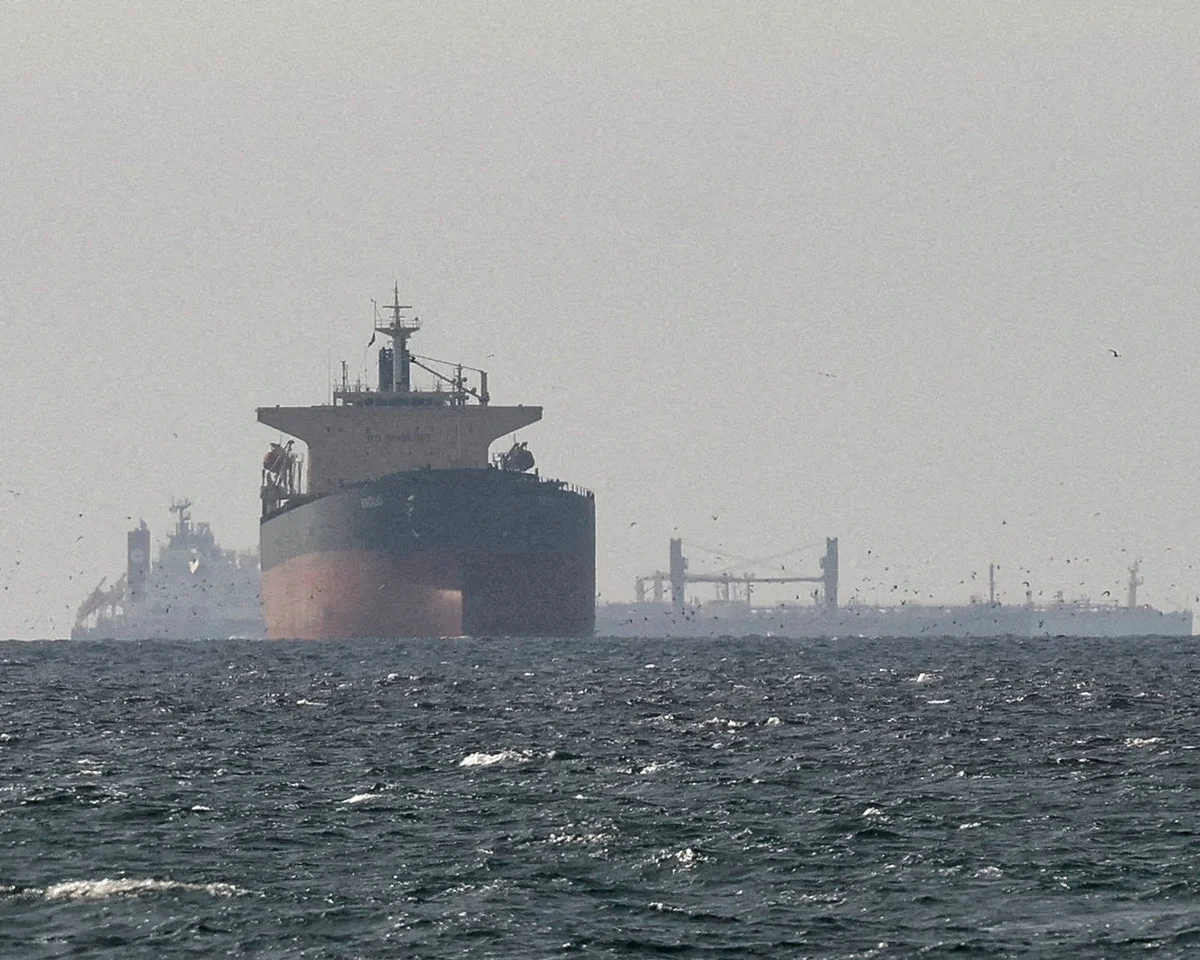
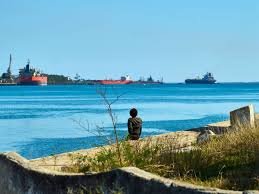
The fragile ceasefire meant to bring peace is already starting to fall apart. This worker first spoke about their fears more than a month ago to reporters. They hoped that a diplomatic solution would lead to a very swift release. Those dreams of returning home have now vanished into the thick coastal haze. The horizon is filled with dozens of loaded tankers that are not moving. No one has gained an inch of ground since the initial crisis began. The crew can clearly see the charred remains of a Kuwaiti oil tanker. That vessel was struck by a missile less than two weeks ago nearby. The sight of smoke serves as a grim reminder of their own vulnerability. Even the smallest sound across the water can trigger a sense of panic. Everyone is waiting for a signal that may never actually come to them.

Traces of intercepted missiles appeared in the sky shortly after the peace deal. These streaks of light prove that the danger has not truly gone away. For six weeks, these workers have endured drone strikes and underwater mine threats. Such experiences leave deep scars on the minds of those who witness them. Many seafarers now feel completely unable to traverse the dangerous Strait of Hormuz. They believe the risk to their lives is far too great to ignore. One crew member gave their formal notice exactly one month ago today. They informed the ship master that they would not sail through the strait. Their primary concern is personal safety in a region that feels like war. This sentiment is shared by the majority of people living on the ship. About ninety percent of the crew refuse to enter the hazardous zone.
The psychological toll of this extended isolation is becoming visible to the crew. One specific worker recently suffered a severe mental breakdown while on the tanker. Their colleagues must now check on them regularly to ensure their basic safety. This is not an isolated incident among the ships anchored in the Gulf. Stress and fear are spreading through the fleet like an infectious physical disease. Support lines are trying to offer help to those who are suffering. However, everyone on board knows that remote advice is simply not enough now. The physical distance from professional medical care makes the situation much more dire. People need to feel the ground beneath their feet to start healing. Words spoken over a satellite phone cannot replace the feeling of true security.
The International Transport Workers’ Federation has been flooded with many urgent inquiries lately. They have received over one thousand messages from sailors on three hundred vessels. Many of these people are begging for immediate repatriation to their home countries. Others worry about basic needs like food, clean water, and ship fuel. The attack on the Al-Salmi tanker pushed many over the emotional edge. One sailor admitted to calling a helpline for the first time ever. They felt overwhelmed by the weight of the responsibility they carry daily. It was important for them to hide their tears from the crew. Venting their deep fears to a total stranger provided a small relief. Yet, the underlying problem of being a sitting duck remains entirely unresolved. The fear of another missile strike is always present in their minds.
Industry leaders agree that advice from a distance has very limited practical value. David Appleton from Nautilus says the priority must be moving people away. He understands the unique mental toll that comes with constant threats of violence. Being stuck in one place makes workers feel like easy targets for attack. The uncertainty of the timeline adds another layer of heavy emotional distress. People can endure a lot if they know when the ordeal ends. Without an end date, the mind begins to struggle with dark thoughts. This crisis has reignited calls for shipowners to find immediate crew replacements. There is a desperate need for fresh mariners to relieve the exhausted. Maritime regulations state that companies cannot force work in active hazard zones. However, some sailors are desperate enough to accept these dangerous assignments anyway.
Many potential relief workers are coming from countries currently facing their own wars. Ukrainian seafarers are often mentioned as those willing to take the high risk. These individuals are often displaced and need to earn money for families. They spend their savings in foreign countries while waiting for any work. Shipping companies offer double pay to those who enter these hazardous waters. They also offer higher ranks to entice people to join the tankers. This creates a difficult choice for those who are currently at home. The difference between the trapped crew and the relief is the choice. The current crew feels they have lost all agency over their lives. They hope to be taken to an anchorage for a swap soon. This would allow new workers to take over the daily ship operations.
 The captain of one tanker recently had a difficult talk with management. The company wanted the crew to stay until they reached a port. The captain immediately rejected this request to protect his tired crew members. He knows that his team is in no condition for tasks. Navigating a massive oil tanker requires a very high level of focus. After weeks of trauma, the workers are reaching their absolute breaking point. One worker stated they might never return to a life at sea. They have spent their entire career working on these massive industrial ships. Leaving the profession means walking away from everything they have ever built. Staying means they might have to return to this dangerous place. A final decision can only be made once they are safe. They need months of peace at home to find their balance.
The international community is being urged to look at the human element. We often focus on the price of oil or the shipping routes. We forget that these ships are powered by people with families. The psychological trauma of this standoff will last much longer than conflict. Each day the ships sit idle, the mental health crisis grows. Families back home are also suffering from the lack of clear communication. They watch the news with dread, hoping for any word of safety. The global supply chain depends on the bravery of these merchant sailors. It is a responsibility that the world must not take for granted. Ensuring their safe return is a matter of basic human rights now. The maritime industry must prioritize people over the cargo they carry daily.
As the sun sets over the Gulf, the tankers remain perfectly still. The lights from the shore offer a cruel reminder of normal life. For the twenty thousand souls on the water, the wait continues indefinitely. They watch the horizon for any sign of a coming relief ship. Every rustle of the wind or splash of water causes a startle. Their resilience is being tested in ways that most cannot even imagine. The story of the Gulf is not just about oil prices. It is a story of human endurance in the face of fear. The world must listen to the voices coming from the ships. These workers deserve to go home to their loved ones very soon. Until then, they remain guardians of a cargo they cannot even deliver. Their struggle is a silent one, unfolding far out at sea.
Related News:
 George Clooney and Amal Clooney Receive French Citizenship
 Capitol Attack Anniversary Sparks Deep Political Divide
 Saudi Officials Report Zubaidi Flee Before Yemen Peace Talks
 UK Targets in New York Bomb Threat Hoax: Man Jailed
 Gambia Supreme Court Hears Case to Overturn FGM Ban
 Trump targets Iran trade with 25% tariff warning
 Rudd successor: Defence chief and former ministers considered
 US Senate rejects resolution limiting Trump military powers
 Venezuela regime claims release of political prisoners signals new era
 Gulf states warn Trump Iran strikes risk wider Middle East war
 Machado Trump medal gesture reshapes Venezuela power struggle
 Greenland defence seen as shared Nato duty amid troop arrivals
 Geopolitical football: Iran, Trump and the World Cup clash
 Canada-China trade gains momentum in new strategic partnership
 Trump Receives Machado’s Nobel Medal in White House Meeting
 Syria President Declares Victory as Ceasefire Reached with SDF
 US Considers Asylum for British Jews Amid Rising Antisemitism
 Trump slams UK ‘stupidity’ over Chagos Islands, eyes Greenland takeover
 More Than 100 Islamic State Inmates Escape Amid Syrian Clashes
 Trump Tightens Grip on EU and UK Energy Supply
 Shinzo Abe’s killer receives life sentence in Japan
 China General Under Investigation Amid Leadership Purge
 Philippines ferry disaster leaves 15 dead, dozens missing
 Crisis Looms as Liberals Debate Sussan Ley Future
 Cambridge Faces Scrutiny Over Arms Investment Transparency
 Files Link Andrew to Epstein Dinner After Prison Release
 Epstein UAE Emails Shake British Royal Andrew’s Legacy
 Minnesota Nurse Saves Refugees, Witnesses Tragedy Decades Later
 Christchurch gunman seeks to vacate guilty plea
 Liberal Fallout: Taylor Challenge Casts Shadow Over Sussan Ley’s Leadership
 Infantino Faces Russia Threat and Trump Concerns at Uefa Congress
 Concerns rise for Canberra boy amid Iran detention fears
 Ukraine, Russia Meet in Geneva Ahead of War Anniversary
 Sydney Businessman Falsely Claimed Security Advice Came From Kevin Rudd
 Caribbean Leaders Urge Dialogue Amid US Oil Embargo on Cuba
 Anthony Albanese Must Uphold Rights for All Australians
 DHS Probe Into Border Official Sparks National Debate
 Caffè Nero Warns Coffee Prices May Rise Again
 Ukraine Sends Drone Experts to Defend US Bases in Jordan
 New Zealand Covid Response Praised Despite Lingering Scars
 Abramovich Chelsea Sale Cash Faces Jersey Probe
 Yvette Cooper: UK Must Follow Principles, Not US Pressure
 US Strike on IRIS Dena Strains Strategic Indian Security Ties
 Slovenia Election: A Nation at a Crossroads
 Jury Rules Meta and YouTube Liable for Addictive Design
 Saudi Arabia Urging US to Keep Up Iran Attacks
 Trump Softens Cuba Oil Stance as Russian Tanker Nears
 Health & Social Affairs | International Development
 Police Seek Immunity in Indigenous Custody Death Case
 The Woman Guarding Earth From the Threat of Asteroids
 IMF Predicts Global Economic Crisis Due to Gulf Unrest
 Spain Shuts Airspace to US Military Over Iran Conflict
 California Defies Trump With Strict New AI Standards
 Germany Grapples With AI Abuse Following TV Star Scandal
 Exiled Tycoon Warns of New Russian Attacks on UK Soil
 Labor Under Fire Over Stalled University Fee Reform
 LA 2028: Millions of Affordable Olympic Tickets Announced
 Trump Slams Europe as Transatlantic Tensions Boil Over
 Inside the Deceptive Machine: A Former Producer Speaks Out
 Italy Faces Third Successive World Cup Absence After Loss
 Turkey End Kosovo Dreams to Secure World Cup Return
 Starmer Urges Ambitious EU Ties Amid Middle East Conflict
 Spain Faces Backlash Over Xenophobic Chants in Egypt Draw
 A Global Voice For Justice: Stephen Lewis Dies At Age 88
 Trump Issues Stark Warning After Strike On Iran’s Largest Bridge
 Macron Urges Stability as Trump Jolts Nato and Iran
 Hope and Fear as Iranians Flee Across the Turkish Border
 Trump Mocks Starmer and UK Carriers in White House Speech
 Tragic End to Outback Search as Floods Claim a Life
 Michigan Battleground: Middle East Crisis Stirs US Senate Race
 Ben Roberts-Smith Arrested Over Alleged War Crimes
 Reform UK Pledges To Halt Visas Over Reparations Demands
 ABC Ends Diversity Memberships to Protect Independence
 US and Iran Agree to Two-Week Provisional Ceasefire
 Starmer visits Gulf as US and Iran agree ceasefire
 Gaza Child Arrives in UK for Life-Changing Care
 Israel Defies Ceasefire as Lebanon Operations Persist
 Own an Entire Australian Town for the Price of a UK Flat
 Pakistan Brokers Historic Peace Deal Amid Rising Tensions
 Netanyahu Vows Continued Lebanon Strikes Amid Peace Talks