Published: 10 April 2026. The English Chronicle Desk. The English Chronicle Online.
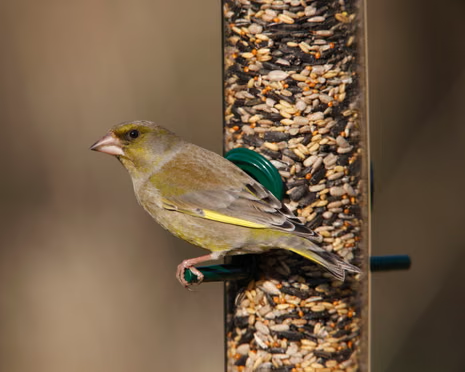
The British garden is a sanctuary of vibrant life and song. Millions of residents find immense joy in supporting our feathered garden friends. However, recent scientific findings suggest our kindness might inadvertently cause significant harm. The Royal Society for the Protection of Birds has issued vital guidance. They are now urging the public to rethink their feeding habits. This request aims to stop the spread of devastating avian diseases. Warm summer weather creates a breeding ground for dangerous parasitic infections. These parasites often thrive around communal bird feeders and flat bird tables. The charity suggests a seasonal shift in how we offer support. Taking down traditional seed feeders could save thousands of precious bird lives. This intervention is particularly critical for species currently facing rapid population declines. Greenfinches and chaffinches are currently at the highest risk from disease. The move marks a significant change in traditional British gardening habits. Yet, the long-term survival of these species depends on our cooperation.
The primary concern for experts is the spread of lethal trichomonosis. This parasitic disease has caused bird numbers to plummet across Britain. It is transmitted through saliva and fluids left on shared surfaces. When birds cluster around feeders, the infection passes very quickly indeed. The parasite survives much longer in the environment during warmer months. May to October represents the highest period of risk for birds. During this time, the RSPB advises removing all seed-filled feeders. Peanuts should also be cleared away from your garden stations. These specific foods encourage the types of clustering that spread illness. Instead, gardeners should focus on providing very small protein portions. Mealworms and suet balls are considered much safer options for summer. These foods do not typically attract the large finch groups. High-protein snacks are also beneficial for birds raising their young chicks. This seasonal approach ensures we provide help without creating health hazards.

Data from the Big Garden Birdwatch highlights a worrying trend. Over 650,000 people participated in the world’s largest garden survey recently. The results show the greenfinch has fallen to eighteenth place overall. This species is now sadly on the red list for birds. Their population has declined by nearly seventy percent since the seventies. An estimated six million finches have died from this specific disease. These figures represent a true ecological crisis within our own backyards. Beccy Speight, the chief executive of the RSPB, addressed these concerns. She acknowledged that feeding birds is a beloved national pastime here. However, she emphasized that the science demands a more cautious approach. We must feed in a way that protects long-term health. Small changes in our routines can ensure feeding remains positive. The goal is to support nature without compromising its delicate balance. Protecting birds now ensures they thrive for many future generations.
The volume of food provided by Britons is truly staggering. Some studies suggest it could support nearly two hundred million birds. This is roughly half the total wild bird population in Britain. While well-intentioned, this massive influx of food has varied consequences. Beyond disease, it may even affect the local phosphorus cycle. Excessive nutrients can favor certain plants over more diverse wild species. This shift can unintentionally reduce the overall biodiversity of our gardens. Therefore, a more natural approach to gardening is highly recommended. Planting sunflowers and teasels provides birds with excellent seasonal food sources. Ivy is another fantastic plant that supports insects and provides berries. Insects are the most important food source for developing bird chicks. A garden that mimics a natural habitat is always best. It provides safety and sustenance without the risks of artificial feeders. Natural foraging naturally spaces birds out, which prevents the spread of infection.
For those who choose to continue feeding, hygiene is paramount. The RSPB recommends retiring all flat-surfaced bird tables for good. Research confirms that disease spreads much faster on these flat areas. Contaminated food and waste tend to collect on these wooden surfaces. If you use feeders in winter, they must be cleaned. Experts suggest a deep cleaning of all equipment every single week. It is also wise to move feeders to different locations. This prevents the buildup of bacteria in the ground below them. Water bowls and bird baths require even more frequent daily attention. Fresh water should be provided every morning to ensure bird safety. These simple maintenance tasks can make a life-or-death difference for birds. We have a responsibility to keep their dining areas very clean. Neglecting hygiene can turn a garden sanctuary into a dangerous trap. Consistency in cleanliness is the hallmark of a responsible bird lover.
The new official slogan is to feed safely and seasonally. From May until October, the recommendation is to pause all seeds. This simple action discourages birds from gathering in dangerous, tight groups. Large numbers of birds in one place facilitate rapid parasite transmission. By removing the main attraction, we help break the infection cycle. We can still enjoy the presence of birds through other means. Providing shallow water for bathing remains a helpful summer garden activity. Observing from a distance allows birds to behave more naturally too. As the weather cools in November, traditional feeders can safely return. The parasite does not survive as easily during the frosty months. This cyclical pattern of feeding respects the natural rhythm of wildlife. It balances our desire for connection with the birds’ biological needs. Acting as stewards of nature requires us to follow scientific advice.
The Big Garden Birdwatch also revealed some more positive trends. The house sparrow continues to hold the coveted top spot nationwide. Blue tits remain a very common and welcome sight in gardens. Starlings are currently enjoying a heartening revival in their total numbers. They have moved up to the third most-seen bird recently. Wood pigeons and blackbirds rounded out the top five most common. These species are a vital part of our local urban ecosystems. Their presence brings color and song to our daily lives. Keeping these populations stable requires vigilant protection against preventable diseases. The loss of any species impacts the entire local food chain. We must value the common birds as much as rare ones. Every sparrow and starling contributes to the health of our environment. Their resilience is a testament to the importance of garden habitats. We must continue to protect these spaces with informed, careful choices.

The shift toward seasonal feeding may take some time for many. It is a departure from years of year-round feeding habits. However, the benefits of this change are backed by science. Many local bird groups have already seen improvements when feeding paused. The greenfinch population can recover if we give them a chance. Reducing environmental stress is the best way to support their comeback. We are invited to become active participants in avian conservation efforts. Your garden is a small piece of a much larger puzzle. When we all act together, the collective impact is truly enormous. The RSPB remains committed to providing the best advice for wildlife. They offer many resources for those wanting to improve their gardens. Learning about local bird species is a rewarding and educational hobby. It connects us to the natural world in a meaningful way. Responsibility and compassion must go hand in hand for nature lovers.
Ultimately, the goal is a healthy and thriving bird population. We want our gardens to be safe havens, not disease hubs. By removing feeders this summer, we are choosing bird health. This temporary pause is a small price for their long-term survival. Nature is resilient, but it occasionally needs a helping hand. Our role is to provide that help as wisely as possible. As the seasons change, so too should our methods of care. We can look forward to the return of winter feeding. For now, let the natural world provide its own summer bounty. Your garden will still be full of life and activity. Birds will find the insects and seeds they naturally need to thrive. We can watch them with the peace of mind they are safe. This summer, let us give our garden birds the gift of health. By following these guidelines, we ensure a bright future for wildlife. Together, we can keep the song of the birds alive.
Related News:
 Five More Prisoners Freed by Mistake in Essex Week
 Nearly 48,000 Zombie Knives Removed from UK Streets in a Year
 Afghan man charged with murder after west London knife attack
 Phillipson urges careful review of gender recognition guidance
 French Taxi Driver Cleared in David Lammy Theft Case After Fare Dispute
 Just Stop Oil Protesters Convicted Amid Climate Defence Row
 Met Police Culture Makes Racial Harm ‘Inevitable’
 Newcastle United Lifts Ban on Fan Over Gender-Critical Views
 British Grandmother to Return Home After Death Sentence in Bali
 Remaining rebel Labour MPs have whip restored
 King Charles to Lead Nation in Remembrance Sunday Service
 Government urges schools to ban phones to curb classroom disruption
 Palace to reinstate hyphen in Andrew’s surname
 Pop Stars Call on UK Government to Cap Resale Prices for Fans
 Major Rent Reform Ends No-Fault Evictions in England
 Peers Flood Assisted Dying Bill with 942 Amendments
 UK Unveils Fast-Track Deportation and Asylum Overhaul
 UK Asylum Overhaul Sparks Debate Over Human Rights and Deportations
 UK Asylum Reforms: Temporary Refugee Status and Faster Deportations
 Mahmood Defends Tough Overhaul of UK Asylum System
 Paralegal Fired After Exposé on Illegal Worker Scam
 Dan Wootton Rejects Catfishing Allegation in Court
 Westminster Advances Legacy Bill Amid Criticism
 Minister Defends Tough New Asylum Reform Plan
 Serial Rapist and Former Cop Found Guilty Again
 Peers Get Extra Time to Debate Assisted Dying Bill
 Second homes curbs quashed in Gwynedd legal ruling
 Virgin Media Fined £23.8m Over Telecare Safety Failures
 Starmer’s communications chief to outline media strategy overhaul
 Dog Food Emissions: 1% of UK Greenhouse Gas Revealed
 Google Employee Claims Redundancy After Harassment Report
 Storm Goretti leaves Cornwall homes without power
 TikTok to Strengthen Age Verification Across the EU
 Woman Jailed for Life After Killing E-Bike Rider in Tragic Mistaken Identity Case
 Kent Residents Continue Facing Water Supply Disruptions
 Water firms may avoid fines under UK water reform plan
 No Gas Boiler Ban as UK Warm Homes Plan Backs Heat Pumps
 Judi Dench Champions Fight to Save London’s Green Spaces
 Tim Walz urges Trump to withdraw federal agents immediately
 Devon hosts first high-density hydro power system
 Storm Chandra flooding leaves England on high alert
 UK and EU Signal Fresh Push for Defence Cooperation Talks
 Study Finds One in Seven England Takeaways Are Dark Kitchens
 Civil Service Pay: Union Urges Ministers to End ‘Barking Mad’ Limits
 Deer Shooting England: New Plan to Protect Woods
 Wood burner legal threats spark council row
 South East Water Fined £22.5m for Repeated Supply Failures
 UK Child Abuse Case Moves Forward After Court Decision
 Yorkshire Water Funding Sparks Debate Amid Fines and Pay Row
 Proposed Law Leaves Gap for Children of Convicted Paedophiles
 Net Zero Cheaper Than One Fossil Fuel Crisis, UK Told
 Welsh Water Faces £44.7m Enforcement Over Sewage Breaches
 London Considers New SUV Charges to Improve Road Safety
 New £10bn rescue plan offered for Thames Water
 RNLI Beach Rescues Surge as Coastal Popularity Hits New High
 Police Chiefs Under Fire for Failing to Address Racism
 Flag Campaign Leader Arrested Following Oxfordshire Dispute
 Starmer Defends Workers’ Rights Amid Rising Green Threat
 Prevent Failings Exposed After Southport Attack
 Britain Facing Sharp Decline in Rare Butterfly Species
 Synagogue Arson Attempt Sparks Security Fears
 City & Guilds Sale Sparks Fees and Pay Uproar
 Crackdown Backfires on UK Climate Protesters
 Asylum deal sparks fears over Syria deportations
 UK may ban protests amid rising antisemitism fears
 Greens Face Internal Row Over Antisemitism Claims
 Met Officers Probed Over Al Fayed Abuse Allegations
 Toxic ‘Forever Chemicals’ Threaten Southern English Coast
 Victim says non-custodial rape sentence ‘rock in my face’
 Saving Our Lost Rainforests: The Battle for Dartmoor
 Appeal Court Rules Ban on Palestine Action Was Lawful
 Whitehall Steps In: The Battle Over Thames Water Deepens
 Cornwall Van Dwellers Face Eviction in Housing Crisis
 UK Seas Face Extreme Heatwave as Global Temperatures Surge
 UK Pets Face Heatstroke Risks Even While Resting Indoors
 New Debt Limits Proposed for England’s Water Sector
 Three-Quarters of England’s Riverbanks Still Off Limits
 Westminster Council Threatens Charing Cross Soup Kitchen
 BBC Warned About Missing Clothes of Murder Victim
 Cambridge Professor Jason Arday Found Dead at Home