Published: 10 April 2026. The English Chronicle Desk. The English Chronicle Online.
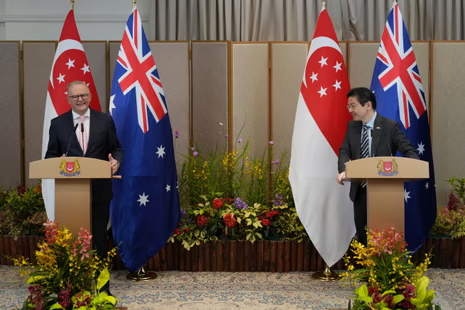
The global energy landscape is currently facing a period of intense and unpredictable volatility. Recent conflicts in the Middle East have created significant ripples across international fuel markets today. Prime Minister Anthony Albanese recently concluded a vital diplomatic mission to the island of Singapore. This visit was designed to address growing fears regarding Australia’s long-term energy security needs. Singapore serves as the primary source of refined petroleum for the Australian domestic market. Any disruption in this specific supply chain would have immediate effects on local prices. Prime Minister Lawrence Wong provided a firm public guarantee to his Australian counterpart yesterday. He stated that Singapore has no plans to restrict its vital energy exports. This commitment remains steadfast despite the mounting pressures of the current international energy crisis. Both leaders emphasized the deep and historic ties that bind their two nations together. Singapore is officially recognized as the largest trading partner for Australia in Southeast Asia. This partnership is built on decades of mutual trust and shared economic goals today. The two nations have now agreed to formalize their energy cooperation much further. A legally binding addendum will be added to the existing free trade agreement soon. This document will focus specifically on the secure movement of essential energy supplies. It aims to prevent future trade barriers during times of global political instability. The agreement covers a wide range of products including petrol and natural gas. Australia relies on Singapore for more than one quarter of its refined fuel. Over half of the petrol used by Australian drivers comes from Singaporean refineries. The total value of these fuel imports exceeds ten billion dollars every year. In return Australia provides a significant portion of Singapore’s liquid natural gas needs. Roughly one third of Singapore’s gas supply originates from vast Australian offshore fields.

This creates a balanced and deeply symbiotic relationship between the two regional powers. The current war in the Middle East has made such partnerships more important. Shipping routes through the Strait of Hormuz are facing constant and daily threats. Ongoing military campaigns have further complicated the safety of traditional global maritime routes. Australia is using its own vast natural resources as leverage in these talks. The government wants to ensure that fuel tankers continue to arrive at ports. Critics from the opposition Coalition have been quick to challenge the recent visit. They noted that no immediate increase in fuel volume was announced this week. However the government maintains that securing current supply lines is the main priority. Prime Minister Wong dismissed any suggestion that Singapore might favor other regional buyers. He described the possibility of cutting off Australian fuel supplies as purely hypothetical. Such a move would not happen even under the most extreme global conditions. He reminded reporters that Singapore maintained exports even during the darkest COVID days. This track record of reliability is a cornerstone of the current bilateral relationship. The joint statement released after the meeting highlights a commitment to maximum effort. Both countries will work to facilitate efficient border and port processes for energy. Early consultation will occur if any supply chain issues are detected by officials. This proactive approach is intended to build resilience against future global market shocks. Prime Minister Albanese spoke warmly about the prospect of increasing gas exports north. Singapore is currently centralizing its gas import processes through a new government body. This agency will look to Australia for more commercial long-term gas contracts soon. Price competitiveness remains a key factor for Singaporean officials in these future deals. Meanwhile the Australian government faces domestic pressure regarding its own energy tax policies. Progressive campaigners and some backbenchers are calling for a new export tax recently. Even members of the opposition have suggested changes to how gas is taxed. Prime Minister Albanese chose to sidestep direct questions about the upcoming May budget. He instead focused his public remarks on the critical importance of domestic supply. His stated priorities for the energy sector are supply and supply and supply. The fourth priority for the current administration is maintaining affordable prices for families. He believes that increasing global supply is the best way to lower costs. The meeting in Singapore represents a major plank of Australia’s diplomatic energy offensive. Leaders understand that they must stand together to protect the wellbeing of people. Managing risk through cooperation is seen as the only viable path forward now. The new agreement seeks to build trusted supply lines for an uncertain future. Both nations recognize their roles as essential partners in regional energy security today. This high-level coordination is expected to strengthen both economies over the coming decade. Australia will continue to rely on the sophisticated refining capacity of Singaporean plants. Simultaneously Singapore will depend on the vast natural gas reserves of the Outback. This interconnectedness provides a buffer against the chaos seen in other global markets. The visit may have been short but its strategic impact is quite significant. Ensuring the flow of diesel and jet fuel is vital for transport. Without these steady imports the Australian economy would face a very sharp slowdown. The assurance from Prime Minister Wong provides much needed clarity for the energy sector. It reassures investors that the trade route remains open and highly protected. Future cooperation will likely expand into green energy and hydrogen technology as well. For now the focus remains firmly on stabilizing the current fossil fuel trade. Both leaders left the summit expressing great confidence in their shared economic path. The English Chronicle will continue to monitor these essential trade developments very closely. Security of supply remains the most pressing issue for the modern global economy. Australia and Singapore have shown that diplomacy can provide a stable foundation today. This partnership stands as a model for other nations facing similar energy challenges. The world awaits to see how these new legal protections will be implemented. Refined petroleum will continue to reach Australian shores without any expected domestic interruptions. Gas will continue to power the industries and homes of the Singaporean people. This mutual reliance is the best defense against a volatile international political climate. Both governments are now focused on the practical details of the new addendum. Enhancing coordination at the border will be the first step in this process. Transparency between the two nations will help to avoid any sudden market panics. Prime Minister Albanese has secured a vital pledge for the Australian people today. The flow of fuel is guaranteed by one of the world’s most reliable. This diplomatic success provides a level of certainty in a very uncertain world. Citizens can expect stable fuel availability despite the headlines from the Middle East. The commitment to fairness and responsibility was evident throughout the official state visit. Moving faster together is the new mantra for these two close strategic allies. Protecting the energy future of the region is a task of immense scale. Both leaders seem ready to face these global challenges with a unified front. The relationship between Canberra and Singapore has never been more vital than now. As the world watches these events unfold the bond grows even stronger today. Success in these talks ensures that the lights stay on across both nations. It also ensures that the wheels of industry continue to turn without pause. This is a significant win for Australian diplomacy on the world stage. The future of energy security looks brighter following this productive international summit today. Focus now shifts to the implementation of these new bilateral trade standards. Monitoring of the global situation will continue with a high degree of vigilance. Stability in the Indo-Pacific region remains a top priority for both governing bodies. This agreement is a testament to the power of steady and professional leadership. Australia and Singapore remain two of the closest partners in the modern world. Their shared vision for a secure energy future is clear and very resolute. Progress will be measured by the steady arrival of tankers in our ports. The people of both nations can feel more secure in their energy needs. This concludes a highly successful chapter in the history of Australian foreign policy. Both Prime Ministers have demonstrated a clear path through the current global crisis. Their cooperation serves as a beacon of stability for the entire global community. We will look back on this agreement as a turning point for security. The English Chronicle Desk will provide further updates as the formal treaty develops. Reliable energy remains the lifeblood of our modern and highly interconnected global society. Together these two nations are leading the way toward a more resilient tomorrow.
Related News:
 BBC to Apologise Over Edited Trump Speech Amid Backlash
 Britain deploys RAF specialists to assist Belgium with drone threats
 Palace May Restore Hyphen to Andrew Mountbatten-Windsor’s Name
 Greene Pushes Epstein Files Amid Trump Fallout
 December Run-Off in Chile as Election Produces No Winner
 Zelenskyy Signs Fighter Jet Deal Amid Russian Drone Attacks
 Canada Passes Carney’s First Budget in Tight Parliamentary Vote
 Shadow Fleet at Sea: Europe’s Battle Against Illicit Oil Shipping
 Tiny Curacao Makes History as Smallest Nation to Reach World Cup
 Deadly Russian Strikes Hit Western Ukraine, 20 Killed in Ternopil
 Ukraine Peace Plan: Zelensky Ready for Dialogue
 Royal Navy Shadows Russian Warships Entering the Channel
 US Suspends Afghan Immigration After White House Shooting
 Georgians Defy Government Crackdown After Year of Protests
 Tokyo court rules Japan’s same-sex marriage ban constitutional
 ‘Extinct’ Antelope Returns to Sahara, Bringing Hope
 American Mother Extradited From UK to U.S. on Murder Charges
 Irish Beach Tragedy: Irish Drown at Whitehaven Beach in Australia
 Sanctioned oil tankers sail Channel amid Russia scrutiny
 US and UK Withdraw Personnel as Middle East Tensions Rise
 Half the World’s Largest Cities Face Rising Water Stress
 Pentagon Signals Reduced Role in Deterring North Korea
 UK and US Drop in Global Corruption Index Rankings
 SA Police Intensify Search in Gus Lamont Case
 Canberra Poster Seizure Sparks Free Speech Row
 Evo Morales Returns After Mysterious Absence
 El Mencho Killed as Mexico Faces Violence
 Australian children in Syria deserve safe return
 Greenpeace $345m Ruling Sparks Appeal Battle
 Jacinda Ardern Moves To Australia Following Her US Fellowships
 Jacinda Ardern Move Sparks Kiwi Reflection
 Middle East Airspace Crisis Strands Thousands
 Nick Greiner Warns Over Election Review Fallout
 Kelly Wilkinson Inquest Reveals Bail Failure
 Tehran Strikes Mark War’s Most Devastating Night
 Injured Mojtaba Khamenei Elevated as Iran Leader
 Gordon Brown urges court for crimes against children
 Gaza Detainee Abuse: Israel Drops Charges Against Soldiers
 The Kill Line: A Shifting Vision of the American Dream
 Oil Prices Jump After Trump Claims Iran Oil Hub Destroyed
 Pakistan Targets Militant Hideouts in Afghanistan
 Lebanon Ground Campaign Raises Occupation Fears
 UK Condemns Reckless Iranian Missile Threats on Global Bases
 ICE detention warning sparks fear among immigrants
 Air Canada CEO Faces Outcry Over Recent Language Misstep
 Extreme Weather: Europe Shivers as Cyclone Narelle Hits
 Asia Turns Back to Coal Amid Middle East Energy Crisis
 Relationship with Trump may be beyond repair, Starmer warned
 Trump’s Six-Week Iranian War: The High Cost of Ignorance
 Trump and Tehran Find Common Ground in Landmark Ceasefire
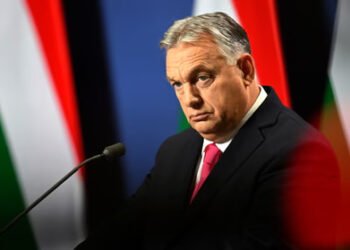 Hungary election: Orbán faces biggest test amid scandal
 Suspected Plot Targets Pipeline Before Hungary Vote
 Reeves Slams Trump Over Iran War Lack Of Exit Plan
 Learner Driver Charged After Expo Tragedy
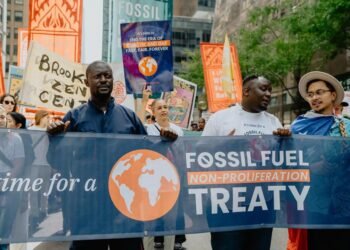 Coalition pushes fossil fuel phaseout plan
 Trump approval plunges amid Iran war fears
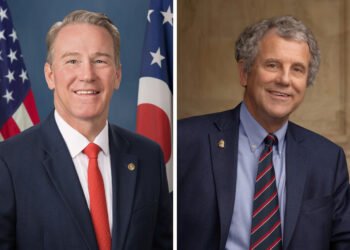 Ohio’s Battle for Trust: Democrats Vying to Flip the Buckeye State
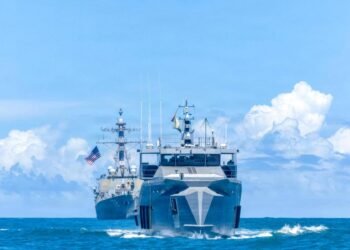 US ‘Narco Boat’ Strikes Draw Global Outcry
 FIFA Confirms Global Ban for Benfica Star Prestianni
 US Awaits Iran Reply on New Ceasefire Proposal
 US and Mexico Face Heatwave as Floods Batter South Africa
 Putin Signals War End as Russian Momentum Stalls
 Australia Welcomes the Iconic Michelin Guide
 Scepticism and tight security as Beijing braces for Trump
 Philippine Senator Flees After Days Under Senate Siege
 Tensions Flare as Israeli Nationalists March in Jerusalem
 High Street Crisis: Fears Grow Over Post Office Closures
 Xi Hosts Putin for Talks Right After Trump Visit
 Fragile Truce Shattered as Violence Escapes Diplomatic Control
 Oil Markets Face ‘Red Zone’ Threat Amid Iran Crisis
 Pope Meets Families in Italy Toxic Waste Zone
 Discontent grows around Putin amid war strain
 US Strikes Iranian Sites Amid Shaky Ceasefire Talks
 Starmer Leadership Under Pressure After Setbacks
 Papal Visit Offers Political Lifeline to Spanish Premier
 Aukus Deal Facing Fierce Backing and Historic Criticism
 Thai Princess Bajrakitiyabha Passes Away at 47
 Le Pen to Run for President Despite Embezzlement Conviction
 Ukraine Creates Long-Range Strike Command
 Houthis Strike Saudi Arabia as Middle East Tensions Rise