
Published: April 10, 2026. The English Chronicle Desk.
The English Chronicle Online — Reporting on the logistical friction within our urban landscapes.
BIRMINGHAM / LONDON / CARDIFF — A seismic wave of frustration is sweeping across the UK’s residential streets as community leaders and residents issue renewed calls for local authorities to tackle the “unprecedented” backlog of abandoned vehicles. What was once a minor “technical glitch” in urban management has transformed into a tectonic public health and safety issue, with hundreds of “Iron Horse” relics left to rot on public highways. From the “vile” sight of smashed windows to the market shock of depreciating property values, the “unfiltered” reality of the “rusting grid” is forcing a very frank debate on whether current 2026 removal protocols are fit for purpose.

The surge in abandoned cars is being linked to a “logistical friction” in the scrap metal market and the rising costs of legal disposal. For many low-income households, the market shock of repair costs means that when a vehicle suffers a catastrophic “system update” failure, it is simply left where it stands—leaving local councils to manage the seismic fallout.
The journey from a functional vehicle to an abandoned “eyesore” is a significant and poignant indicator of wider economic shifts.
The Disposal Deficit: With many scrap yards facing their own “holding pattern” of capacity issues, the “Power Plant” of the recycling chain has slowed, making it harder for owners to legally offload non-runners.
The Arson Risk: Fire services have reported a remarkable increase in call-outs to abandoned cars, which act as magnets for antisocial behavior and “unfiltered” vandalism.
Environmental Leaks: Older vehicles often suffer from “technical glitches” in their seals, leading to the leakage of oil and coolant into the local drainage system—a seismic environmental hazard.
The Life & Society impact of abandoned cars goes beyond mere aesthetics; it creates a “tectonic” shift in how residents feel about their safety.
The Parking Squeeze: In high-density areas, abandoned cars take up vital “Power Plant” parking spaces, forcing active drivers into a holding pattern of searching for spots miles from their homes.
Community Decay: Sociologists argue that the presence of abandoned vehicles triggers the “Broken Window” theory, where visible neglect leads to an unprecedented rise in broader crime and littering.
The ‘Reporting’ Friction: Many residents feel a “bum note” of frustration when reporting vehicles, as the system update for council removal can often take months due to legal notice requirements.
As the world holds its breath for broader infrastructure resolutions, local “Power Plants” of activism are demanding a seismic change to the Refuse Disposal (Amenity) Act.

Faster Removal Windows: Advocates are calling for the current “holding pattern” of a seven-day notice to be reduced for vehicles in a “vile” state of repair.
Digital Matrix Tracking: Proposed Science & Technology solutions include a real-time “unfiltered” map of abandoned vehicles, allowing for more efficient “logistical friction” management by towing contractors.
Scrap Subsidies: Some are suggesting a market shock incentive—a “Remarkable Wisdom” voucher—to help owners cover the cost of towing their vehicles to authorized treatment facilities.
“A car shouldn’t be allowed to become a permanent monument to neglect,” one community organizer stated with unfiltered passion. “We need a system update that prioritizes the safety of the street over the ‘Iron Horse’ of the past.”
Related News:
 EXCLUSIVE: Shamed Andrew’s New Humiliation as King Lays Down New Rule After Royal Lodge Boot
 Stop Releasing Phone Thieves Who Reoffend, Met Police Chief Urges Courts
 Motorists Could Face ‘Mandatory’ Driving Ban for Road Offences Under Tougher Laws
 Disability and LGBT Hate Crimes Set to Become Aggravated Offences
 Flooding May Worsen Before It Improves as More Rain Forecast for the UK
 Last‑ditch Call to Save Police Front Counters in London
 Fly-Tippers to Be Hunted by ‘Drone Squad’ in Crackdown from the Sky
 ‘We’ve Been Left Homeless After Our Builder Went Bust’
 Deer Shooting to Be Facilitated in England to Protect Woodlands
 Sadistic Pair Jailed for Blowing Up Sheep
 Why I Rinse My Recycling and Give It to My Mum
 UK Winter Nowhere Near a Record Breaker Despite Floods and Storms
 UK Records Warmest Day of the Year as Temperatures Exceed 18 °C
 Grave of Murdered Toddler James Bulger Vandalised
 Outsiders Disrupted Search for Missing Teen Noah Donohoe
 Conservation Budgets Hit by Increased Fly‑Tipping Costs
 Water Cremation Introduced in UK First
 Crowing Cockerels Must Be Silenced, Council Warns Owner
 Police Brothel Raids Target Organisers, Not Sex Workers
 Family of Girl Groomed by Ian Huntley Beg Medics to Save His Life
 Sarah Everard’s Killer Wayne Couzens ‘Petrified’ After Ian Huntley Prison Attack
 Flats for the blind could be sold to developer
 ‘We may be homeless before eviction law comes in’
 Undercover officer deceived women with ‘grotesque and cruel’ lies, spycops inquiry told
 Gran Vows to Shield Huntley’s Daughter From Soham Killer’s Funeral
 Burglar’s Bizarre Excuse After Bedroom Break-In
 Mum Blinded After Tumour Linked to Contraceptive Jab
 King Charles Strips MBE and OBE Titles from Nine People Including Stuart Hogg
 Mum Forces Killer Son Back to Crash Scene After He Mows Down Pensioner
 Mum-of-Three Blackmailed Men After Sending Nude Photos
 Blind Woman Forced to Move Out After Leak Causes Ceiling to Cave In
 Rapist Caught After Victim Calls Police Mid-Attack

 Brutal Attack on Officer Leads to Five-Year Sentence
 Disabled Girl ‘Felt Like Alien’ in Shoe Row
 Edinburgh Mother Learns Husband Was Secret Sperm Donor
 Hazardous Material Found in Scots Home Raid
 Families Tortured by Authorities During Investigations Inquiry Told
 Brain-Damaged Scot ‘Stuck’ in Hospital at Centre of Police Probes
 Met Police Resume Arrests for Palestine Action Supporters
 Watchdog Probes Police Handling of Andrew Tate Abuse Claims
 Dawn Raids in Scotland and Spain: Eight Arrested in Major Organised Crime Sting
 ‘F***, We’re Dead’: The Chilling Final Words from the Air France 447 Cockpit
 Holyrood Campaign ‘In Meltdown’ as Fifth Reform UK Candidate Quits
 US Lawmaker Demands Testimony Over Sarah Ferguson’s ‘Close Epstein Ties’
 The Last of the Lords: Two Hereditary Peers to Retain Ceremonial Roles Amid Historic Ousting
 Trust in Turmoil: Just Eat and Autotrader Among Firms Probed Over Fake Reviews
 ‘I Didn’t Realise’: ‘Housebound’ Benefit Cheat Caught Ziplining in Mexico
 Global Crisis: Marco Rubio Convenes Emergency G7 Meeting as Iran Conflict Escalates
 ‘My Daughter is Under the Rubble’: The Human Cost of the Tehran Strikes
 ‘An Evil Man is Dead’: Australian Fugitive Dezi Freeman Shot Dead After 216 Days
 ‘Eye in the Sky’ Blinded: Photos Reveal Destroyed US Radar Jet at Saudi Base
 ‘Full and Immediate Access’: Netanyahu Reverses Palm Sunday Ban on Latin Patriarch
 Three-Minute Heist: Renoir, Cézanne, and Matisse Masterpieces Stolen in Italy
 Power Grab: Myanmar Junta Chief Min Aung Hlaing Nominated as President
 ‘I Dread the Phone Ringing’: Inside the Kennels on the Frontline of Britain’s XL Bully Crisis
 Child Focus Is Biggest Change to Family Courts in 30 Years, Senior Judge Says
 Woman Deported from China Over Manx Passport Mix-Up
 ‘I’ve Nearly Been Hit a Few Times’: The Lollipop Ladies Dodging Cars and Abuse
 UK XL Bully Owners in Crisis as Essential Insurance Safety Net Set to Vanish
 Country Diary: A Bum Note Amid the Dawn Chorus
 ‘A Toxic Garbage Sink’: UN Expert Condemns US Waste Dumping in Mexico
 ‘Seismic Change’: How Nationalist Wins in Celtic Nations Could Reshape the UK
 Heartbreak in Bournemouth: The Tragic Death of James Blanch
 High-Rise Rescue: The Dramatic Recovery of a Stranded Peregrine Falcon
 Rebranded or Reclaimed? Seized Tate Assets to Fund Domestic Abuse Support
 The Victim-Blame Loop: When Protection Orders Backfire
 Paws on the Wheel: Driver Facing Fine After Dog Photographed on Lap
 The Miracle of Phoenix: ‘Half Dead’ Rescue Dog Defies the Odds in Worcestershire
 RSPB Urges Summer Bird Feeder Removal to Curb Disease
 A Gentle Light Extinguished: Tributes Pour in for Sister Genevieve After Fatal Newport Collision
 The Courtroom Clash: Couple Denies Charges in Alleged Racially Motivated Assaults
 Tragedy in Redcar: Community in Mourning After Child Dies in Dog Attack
 Faith and Friction: Church Officer Branded a ‘Satanist’ After Flagging Safeguarding Risks
 The Lough’s Lament: Can Fiction Spark a ‘Seismic’ Rescue for Lough Neagh?
 Justice Served: Man Jailed for Grooming Minor Met on Gaming Platform
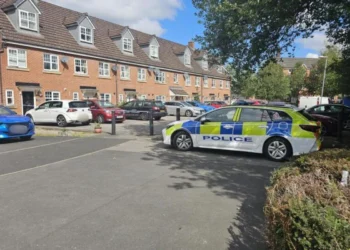 Targeted Attack in Bury Sparks Murder Investigation as Community Awaits Justice
 Merseyside Police Helicopter Crew Cleared After Low-Altitude Pursuit of Suspect
 Tanni Grey-Thompson Faces Abuse Over Opposition to Assisted Dying Bill
 Civil Service Pay: Union Urges Ministers to End ‘Barking Mad’ Limits