Published: 13 April 2026. The English Chronicle Desk. The English Chronicle Online.
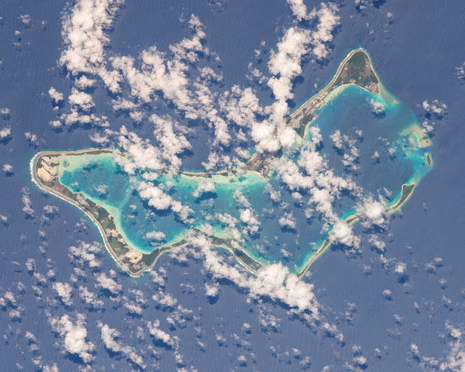
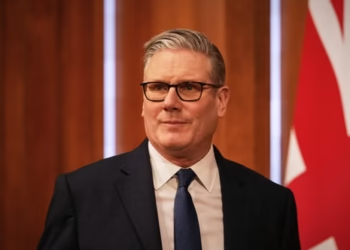
The sun sets slowly over the turquoise waters surrounding the remote and beautiful Chagos Archipelago. A profound sense of historical tension now hangs heavily over these small Indian Ocean islands. Recent diplomatic developments have plunged the future of this strategic territory into a state of uncertainty. Prime Minister Keir Starmer has officially shelved the long-awaited legislation to hand the islands back. This sudden pause in the handover process follows significant pressure from the newly elected American administration. The Mauritian government has reacted with a blend of deep disappointment and renewed nationalistic fervour. High-ranking officials in Port Louis now vow to pursue every legal avenue for full decolonisation. They argue that the return of the islands remains a fundamental matter of international human justice.
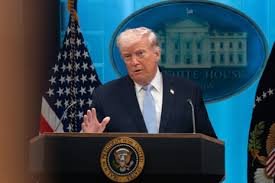
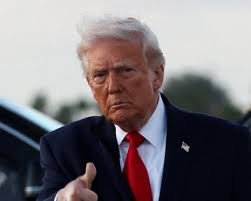
The decision to stall the transfer marks a dramatic turn in modern British foreign policy efforts. For months, the Labour government worked diligently to finalise a historic agreement with Mauritian leaders. This deal aimed to resolve decades of legal disputes regarding the British Indian Ocean Territory. It sought to grant Mauritius sovereignty while protecting the vital US-UK airbase on Diego Garcia. However, the political landscape changed abruptly when Donald Trump returned to the powerful White House office. The American president expressed strong disapproval of the proposed transfer during recent high-level bilateral talks. He reportedly told the British Prime Minister that ceding the territory was a massive strategic mistake. These comments have effectively frozen a deal that seemed nearly certain only a few weeks ago.

UK government officials admitted on Friday that parliamentary time has now completely run out for legislation. The current session ends very soon and there is no support left for the current bill. Without formal approval from the United States, the British government cannot proceed with the planned handover. This requirement stems from a long-standing treaty signed by both nations back in late 1966. The failure to exchange formal letters has left the sovereignty of the islands in total limbo. Consequently, the Chagos bill will likely be absent from the upcoming King’s Speech in early May. This omission signals a significant retreat for Starmer’s administration on the global diplomatic stage today. It also highlights the growing complexities of maintaining the special relationship with a volatile Washington administration.
Dhananjay Ramful, the Mauritian foreign minister, spoke passionately at a recent Indian Ocean conference held locally. He stated that his nation would spare no effort to complete the essential decolonisation process soon. Ramful believes that Mauritius has a clear and undeniable right to rule over the archipelago. He described the current situation as an unfortunate relic of a bygone colonial era in history. The foreign minister suggested that international law is firmly on the side of the Mauritian people. His comments were first reported by the Sunday Telegraph and have resonated across the southern hemisphere. Mauritius intends to use both diplomatic pressure and international courts to achieve its primary national goals. The government remains committed to regaining control over every single island within the vast archipelago.
The history of the Chagos Islands is marked by a legacy of forced human displacement. Britain has controlled the territory since the nineteenth century after taking it from the French Empire. In 1965, the UK separated the islands from Mauritius just before granting that nation independence. This move allowed for the creation of the massive military facility located on Diego Garcia. Thousands of native islanders were forcibly removed from their homes to make way for the base. They were sent to Mauritius and the Seychelles, where many lived in deep, enduring poverty. In 2019, the International Court of Justice ruled that this separation was entirely unlawful and wrong. The court stated that the decolonisation of Mauritius was never lawfully completed by the British crown.
The stalled plan involved Britain ceding sovereignty while leasing back the airbase for ninety-nine years. This arrangement was expected to cost the UK approximately thirty-five billion pounds over its entire duration. The deal was originally negotiated and supported by the previous American president, the veteran Joe Biden. Under Biden, the US State Department viewed the agreement as a way to ensure security. It provided a stable legal framework for the continued operation of the Diego Garcia military base. However, the return of Donald Trump has introduced a much more transactional view of territory. He views the islands as essential property that must remain under direct Western military control always. This shift has forced the British government to reconsider its moral and legal international obligations.
Simon McDonald, a former high-ranking diplomat, shared his insights on the BBC Radio 4 programme. He noted that the British government had no realistic choice but to halt the deal now. When the American president is openly hostile, the UK must rethink its immediate strategic foreign policy. McDonald suggested that the entire treaty would now remain in a deep freeze for some time. This freeze reflects the current strain on relations between London and the new American executive branch. Prime Minister Starmer faces a difficult balancing act between international law and his most important ally. The Chagos issue has become a symbol of the friction between these two powerful Western nations. It reveals how quickly global agreements can unravel when leadership changes in the United States.
Mauritius attorney general Gavin Glover expressed little surprise at the recent collapse of the handover plan. He noted that the outcome was a direct result of strained relations between Trump and Starmer. Glover acknowledged that Mauritius is heavily dependent on the quality of Anglo-American relations for its success. He believes that the US and Britain must reach a new agreement before progress occurs. Despite the setback, Mauritius is planning to meet with British officials on the twenty-second of April. This meeting will likely focus on finding a path forward that satisfies all involved parties. Glover remains hopeful that a legal solution can still be reached through patient and careful dialogue. He insists that the quest for sovereignty is a marathon rather than a short sprint.
Health Secretary Wes Streeting has attempted to downplay the idea that the deal is completely dead. He told reporters on Sunday that there has simply been a shift in Washington’s current position. Streeting remains clear that the objective is to secure the islands for the very long term. He believes that many people within the US administration still support the original British goals. The UK government continues to view the deal as the best way to protect Diego Garcia. Streeting emphasised that the long-term operational security of the base remains the highest national priority. However, he admitted that the UK would only proceed if it had full American support. This admission underscores the reality that London cannot act alone on this sensitive global matter.
The future of the displaced Chagos people remains the most poignant part of this ongoing story. For decades, they have fought for the right to return to their ancestral island homes. The proposed deal offered a glimmer of hope that they might finally see their land again. With the legislation shelved, that hope has once again been deferred for an unknown period. Many islanders feel like pawns in a much larger game of global chess and power. They continue to call for justice and the recognition of their basic human rights today. Their voices are often drowned out by the talk of military strategy and international treaties. Yet, their struggle remains at the heart of the legal case against the United Kingdom.

As the diplomatic world watches, the Chagos Islands remain a point of intense and heated contention. The clash between colonial history and modern strategic needs shows no signs of an easy resolution. Mauritius will continue to push for its rights on the world stage with great vigour. The UK must navigate the choppy waters of an unpredictable and changing American foreign policy landscape. Meanwhile, the residents of the islands wait for a day when they can return home. The story of the Chagos Archipelago is far from over in this complex modern age. It serves as a reminder of how the past continues to shape our global present. Every decision made in London or Washington carries a weight that reaches across the wide oceans.
The coming months will be critical for the future of the British Indian Ocean Territory’s status. Diplomatic observers will closely watch the meeting scheduled for late April between the two involved nations. Any progress will require a significant change in the current political climate within the United States. If no agreement is reached, the UK may face further legal challenges in international courts. The pressure to decolonise is growing as more nations support the Mauritian cause for sovereignty. Britain finds itself in a difficult position as it tries to uphold the international rules-based order. The Chagos Islands represent a test of the UK’s commitment to modern post-colonial justice. Only time will tell if a fair and lasting solution can finally be achieved.
Related News:
 George Clooney and Amal Clooney Receive French Citizenship
 Capitol Attack Anniversary Sparks Deep Political Divide
 Saudi Officials Report Zubaidi Flee Before Yemen Peace Talks
 UK Targets in New York Bomb Threat Hoax: Man Jailed
 Gambia Supreme Court Hears Case to Overturn FGM Ban
 Trump targets Iran trade with 25% tariff warning
 Rudd successor: Defence chief and former ministers considered
 US Senate rejects resolution limiting Trump military powers
 Venezuela regime claims release of political prisoners signals new era
 Gulf states warn Trump Iran strikes risk wider Middle East war
 Machado Trump medal gesture reshapes Venezuela power struggle
 Greenland defence seen as shared Nato duty amid troop arrivals
 Geopolitical football: Iran, Trump and the World Cup clash
 Canada-China trade gains momentum in new strategic partnership
 Trump Receives Machado’s Nobel Medal in White House Meeting
 Syria President Declares Victory as Ceasefire Reached with SDF
 US Considers Asylum for British Jews Amid Rising Antisemitism
 Trump slams UK ‘stupidity’ over Chagos Islands, eyes Greenland takeover
 More Than 100 Islamic State Inmates Escape Amid Syrian Clashes
 Trump Tightens Grip on EU and UK Energy Supply
 Shinzo Abe’s killer receives life sentence in Japan
 China General Under Investigation Amid Leadership Purge
 Philippines ferry disaster leaves 15 dead, dozens missing
 Crisis Looms as Liberals Debate Sussan Ley Future
 Cambridge Faces Scrutiny Over Arms Investment Transparency
 Files Link Andrew to Epstein Dinner After Prison Release
 Epstein UAE Emails Shake British Royal Andrew’s Legacy
 Minnesota Nurse Saves Refugees, Witnesses Tragedy Decades Later
 Christchurch gunman seeks to vacate guilty plea
 Liberal Fallout: Taylor Challenge Casts Shadow Over Sussan Ley’s Leadership
 Infantino Faces Russia Threat and Trump Concerns at Uefa Congress
 Concerns rise for Canberra boy amid Iran detention fears
 Ukraine, Russia Meet in Geneva Ahead of War Anniversary
 Caribbean Leaders Urge Dialogue Amid US Oil Embargo on Cuba
 Anthony Albanese Must Uphold Rights for All Australians
 DHS Probe Into Border Official Sparks National Debate
 Ukraine Sends Drone Experts to Defend US Bases in Jordan
 New Zealand Covid Response Praised Despite Lingering Scars
 Abramovich Chelsea Sale Cash Faces Jersey Probe
 Yvette Cooper: UK Must Follow Principles, Not US Pressure
 US Strike on IRIS Dena Strains Strategic Indian Security Ties
 Slovenia Election: A Nation at a Crossroads
 Jury Rules Meta and YouTube Liable for Addictive Design
 Saudi Arabia Urging US to Keep Up Iran Attacks
 Trump Softens Cuba Oil Stance as Russian Tanker Nears
 Health & Social Affairs | International Development
 The Woman Guarding Earth From the Threat of Asteroids
 IMF Predicts Global Economic Crisis Due to Gulf Unrest
 Spain Shuts Airspace to US Military Over Iran Conflict
 California Defies Trump With Strict New AI Standards
 Germany Grapples With AI Abuse Following TV Star Scandal
 Exiled Tycoon Warns of New Russian Attacks on UK Soil
 Labor Under Fire Over Stalled University Fee Reform
 LA 2028: Millions of Affordable Olympic Tickets Announced
 Trump Slams Europe as Transatlantic Tensions Boil Over
 Inside the Deceptive Machine: A Former Producer Speaks Out
 Italy Faces Third Successive World Cup Absence After Loss
 Turkey End Kosovo Dreams to Secure World Cup Return
 Starmer Urges Ambitious EU Ties Amid Middle East Conflict
 Spain Faces Backlash Over Xenophobic Chants in Egypt Draw
 A Global Voice For Justice: Stephen Lewis Dies At Age 88
 Trump Issues Stark Warning After Strike On Iran’s Largest Bridge
 Macron Urges Stability as Trump Jolts Nato and Iran
 Hope and Fear as Iranians Flee Across the Turkish Border
 Trump Mocks Starmer and UK Carriers in White House Speech
 Tragic End to Outback Search as Floods Claim a Life
 Michigan Battleground: Middle East Crisis Stirs US Senate Race
 Ben Roberts-Smith Arrested Over Alleged War Crimes
 Reform UK Pledges To Halt Visas Over Reparations Demands
 ABC Ends Diversity Memberships to Protect Independence
 Albanese Flies to Singapore to Bolster Fuel Security
 US and Iran Agree to Two-Week Provisional Ceasefire
 Starmer visits Gulf as US and Iran agree ceasefire
 Gaza Child Arrives in UK for Life-Changing Care
 Israel Defies Ceasefire as Lebanon Operations Persist
 Own an Entire Australian Town for the Price of a UK Flat
 Pakistan Brokers Historic Peace Deal Amid Rising Tensions
 Netanyahu Vows Continued Lebanon Strikes Amid Peace Talks
 Australian War Memorial Updates Ben Roberts-Smith Display
 UK Holds Firm on Strait of Hormuz Amid Trump Pressure