Published: 13 April 2026. The English Chronicle Desk. The English Chronicle Online.
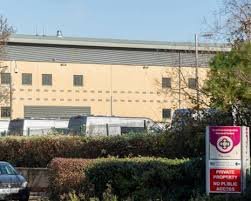
The British government faces fresh scrutiny today following a startling report by the chief prisons inspector. This document reveals that asylum seekers were transported in waist and leg restraints during recent removals. These individuals were being sent to France under the controversial “one in, one out” policy scheme. Many of those removed had arrived in the United Kingdom by crossing the dangerous English Channel. The inspection report by Charlie Taylor focused on a specific flight occurring during late January. While that particular flight saw no force, it highlighted a much more aggressive previous operation. On a flight five days prior, specialist national resources were deployed to end a sit-down protest. Four separate incidents involving the use of force were recorded during that tense January removal. Three detainees were placed into waist restraint belts to ensure their compliance with the deportation orders. One person had their belt removed shortly after the plane took off from the runway. However, two other individuals remained in their restraints for the entire duration of the flight. Records reviewed by the inspection team indicated these men demonstrated what officials called continuing resistance. Leg restraints were also utilized on these two detainees during the boarding process at the airport. One detainee was carried onto the aircraft while still bound by these heavy physical restraints. These measures have sparked significant alarm among human rights advocates and various legal charity groups.

The “one in, one out” scheme remains a deeply divisive element of modern British immigration policy. Under this agreement, small boat arrivals are sent back to France in exchange for legal migrants. Thirty-two people were removed on the January flight that the inspection team monitored very closely. Many of these individuals have experienced horrific persecution, including instances of torture and human trafficking. The report noted that detainees on later flights were visibly fearful of facing similar physical force. Inspectors observed that escort staff generally remained professional and respectful during the later monitored operation. Charlie Taylor stated that past uses of restraints were justified based on specific assessed safety risks. Nevertheless, the report raised serious concerns regarding the lack of interpreters for the detained people. Many asylum seekers also struggled to gain any meaningful access to solicitors while held in detention. There is a profound sense of anxiety regarding the future of these individuals in France. Many fear they will end up homeless or be deported again to even more dangerous countries. These concerns highlight the complex humanitarian issues surrounding the current methods of border control enforcement. The physical and psychological impact of such removals is now a central point of debate.
Emma Ginn, director of Medical Justice, expressed extreme concern regarding these new and troubling findings. Her charity provides vital support to people held within the United Kingdom immigration removal centres. Independent clinicians have found that many detainees show clear clinical evidence of past physical torture. For these survivors, the use of force acts as a terrifying re-enactment of past mistreatment. Being bound in waist and leg restraints can trigger severe trauma for those already suffering. The government maintains that these measures are necessary to maintain order during high-risk removal operations. Critics argue that such practices are inhumane and fail to consider the vulnerability of refugees. The Home Office continues to defend its strategy as a way to deter illegal crossings. They claim the exchange program provides a safer and more orderly route for legitimate asylum seekers. Yet the images of bound individuals being carried onto planes haunt the current political discourse. This report adds significant pressure on the Home Secretary to review existing escorting and restraint protocols. There are calls for more transparency regarding the deployment of specialist national resources in centers. Legal experts suggest that the lack of legal representation may violate basic human rights standards.
The logistics of the “one in, one out” deal involve complex coordination with French authorities. While the government aims for efficiency, the human cost of these operations is becoming clearer. The inspection report serves as a rare window into the reality of forced removals today. It describes a system where physical compliance is enforced through the use of mechanical restraints. For those watching from the outside, the ethics of such actions remain a major concern. The English Chronicle has reached out to the Home Office for an official media comment. They reiterated that all use of force is subject to strict guidelines and rigorous oversight. However, the psychological scars left on the detainees may last much longer than the flight. The debate over how the UK treats its most vulnerable arrivals shows no signs of ending. As more flights are scheduled, the spotlight on the use of force will only intensify. Advocates are demanding an immediate end to the use of waist belts on torture victims. They believe the current system fails to identify those most at risk of further harm. The government insists that every case is assessed individually before any removal flight takes place. This tension between border security and human compassion continues to define the national political landscape.
The report also touched upon the conditions within the detention centers prior to the flights. It found that the atmosphere was often thick with desperation and a lack of information. Detainees often do not understand the legal processes that are determining their immediate and long-term futures. Without proper interpretation services, many are left in a state of total and terrifying confusion. This lack of communication can often lead to the very resistance that officials then restrain. If a person does not understand why they are being moved, they may naturally protest. The sit-down protest on January 15th was a direct result of this systemic communication failure. When specialist teams arrived to break the protest, the situation escalated into the use force. This cycle of misunderstanding and physical intervention is a major worry for the chief inspector. He emphasized the need for better access to legal advice for every single person detained. Without a solicitor, an asylum seeker has very little hope of challenging a removal order. The speed at which these removals are carried out often leaves no room for appeals. This has led to accusations that the government is prioritising speed over the rule of law. The “one in, one out” scheme was designed to be a rapid response to crossings.

In France, the situation for those returned is often just as precarious and difficult as before. The report found that many fear being left on the streets without any financial support. There is also the constant threat of being removed from France to their home countries. This creates a cycle of displacement that many find impossible to escape or navigate alone. The psychological burden of this uncertainty is immense for people who have already lost everything. Medical Justice warns that the UK is failing in its duty of care toward them. They argue that the government must recognize the inherent dignity of every human being involved. Using leg restraints on someone being carried onto a plane is seen as particularly degrading. It creates an image that is hard to reconcile with British values of fairness. As the public processes this report, the demand for a more humane approach grows louder. The English Chronicle will continue to follow this developing story as more details emerge. For now, the focus remains on the two men who spent hours in restraints. Their experience stands as a stark reminder of the realities of the current immigration system. The balance between firm borders and human rights remains a very difficult path to walk. Future inspections will likely continue to highlight these same critical issues within the Home Office.
As the day ends, the implications of Charlie Taylor’s findings resonate through the halls of Westminster. Politicians from across the spectrum are being asked to respond to the inspector’s detailed report. Some defend the Home Office, citing the need for strong measures against illegal immigration routes. Others call for an immediate suspension of the use of restraints on all asylum seekers. The debate is not just about policy but about the moral character of the nation. How a country treats those seeking its protection is often seen as a true test. The use of waist and leg restraints on potentially traumatized individuals is a heavy burden. It raises questions about the training provided to the escort staff who perform removals. While the report noted their professionalism, the tools they are required to use remain controversial. The “one in, one out” scheme will likely face legal challenges in the coming months. Lawyers are looking at the lack of access to solicitors as a primary grievance. If the system is found to be procedurally unfair, the whole scheme could stall. This would be a significant blow to the government’s current strategy for border management. For now, the flights continue, and the restraints remain in the lockers of the planes. The stories of those on board are often lost in the noise of political debate. This report ensures that, for a moment, their voices and their physical experiences are heard. The English Chronicle remains committed to bringing these important human rights stories to the forefront. Understanding the reality of these flights is essential for an informed and honest public discussion.
Related News:
 Protest Rights Under Threat Across England and Wales
 Three Palestine Action hunger strike protesters end protest after contract reversal
 ‘One in, one out’ scheme failing torture survivors, charity warns
 Calls Grow for King Charles to Apologise for Crown’s Role in Slavery
 Labour Attacks Reform Candidate Over Tommy Robinson Backing
 UK Activist Leaders Convicted Over Protest Violations
 ICE Detains Soldier’s Bride Days After Louisiana Wedding
 Gaza Child Arrives in UK for Life-Changing Care
 Prominent Voices Challenge Palestine Action Ban
 Asylum deal sparks fears over Syria deportations
 UK may ban protests amid rising antisemitism fears
 Lawyer Representing Hamas Claims UK Police Targeted Him
 Human Rights Barrister Wins Appeal Over Contempt Charge
 Farage Faces Backlash Over Support for Preacher
 The Hidden Cost of Separation for Refugee Families
 Victim says non-custodial rape sentence ‘rock in my face’
 Controversial London Property Show Sparks Legal Fury
 UK Charity Funds Illegal Hebron Settlement Expansion
 Kylian Mbappé Slams Paraguayan Senator Over Racist Attack
 Asylum Scheme Faces Ethical Backlash
 Asylum Seekers Struggle as Hotel Closures Cause Chaos
 Reeves Faces Setback as Labour May Miss Homes Target
 Kate Winslet to Narrate Film Highlighting King’s Environmental Mission
 Trump’s UK Ambassador Urges North Sea Drilling to Strengthen US Ties
 UK Bans Fake Numbers: Scammers Lose Their Trick
 Millionaires group urge Reeves to introduce wealth tax to ‘lift kids out of poverty’
 Reeves rejects £1bn plea for NHS redundancy payouts
 PM Condemns Leaks, Vows Loyalty to Ministers and Stability
 Inside the Helpline Protecting Missing Children in the UK
 PlayStation PS5 Deals Hit Lowest Prices Ahead of Black Friday
 Five-Year-Old Dies After Rare Tonsil Surgery Complication
 Starmer Says Labour’s Economic Plan Needs Years to Deliver
 Starmer Faces Parliamentary Battles Over UK-EU ‘Reset’ Plan
 Met Police Vetting Failures Let Serial Rapists Remain
 Fatal Bolton Taxi Crash Claims Three Teens and Driver
 ScottishPower Tops List of Worst UK Energy Suppliers
 Judi Dench Champions Fight to Save London’s Green Spaces
 Crowborough Camp Welcomes First Asylum Seekers
 BBC Funding Crisis: Tim Davie Warns of Jeopardy Ahead
 Artificial intelligence will cost jobs, admits Liz Kendall
 Older Women Vanish from BBC Screens, Review Confirms Bias
 Streeting moves on doctor pay to end strike dispute
 Send spending gap leaves deprived areas behind
 Hidden Crisis: Domestic Abuse Suicide Toll in UK
 UK Unemployment Rate Climbs to 5.2% Peak
 BBC World Cup Presenting Duties Shared Among Trio
 Wales Approves Assisted Dying Bill Consent
 CPS Updates Guidance on Honour-Based and Dowry Abuse
 Asylum Seekers to Work After Year-Long Wait
 Inquiry into HMRC child benefit errors launched by NAO
 Farage Faces Backlash Over Crypto Cameo Endorsements
 Rising Costs Force Families to Rethink Days Out
 Sarah Mullally: The Solid Choice for Canterbury
 Scott Mills Sacked by BBC Over Personal Conduct Claims
 Palantir Boss Defends NHS Deal Amid Government Break Clause
 Police Chiefs Under Fire for Failing to Address Racism
 Canadian Mother and Daughter Released From ICE Detention
 Relationship with Trump may be beyond repair, Starmer warned
 Unions Raise Concerns Over Doctors’ Pay Dispute
 UK Government Poised to Revive Stalled Hillsborough Law
 Kyiv and Odesa Mourn After Deadly Wave of Russian Strikes
 New AI Tool To Target Obesity Risk And Transform NHS Care
 Greens Face Internal Row Over Antisemitism Claims
 Met Officers Probed Over Al Fayed Abuse Allegations
 Reform UK Faces Crisis as Newly Elected Councillors Resign
 Starmer Strikes Back as 100 MPs Sign Support Pledge
 UK Firms Freeze Spending as Iran Conflict Bites
 Reeves to Fast-Track Clean Energy Amid Iran Crisis
 The Battle for Wembley Sparking Unprecedented Legal Warfare
 Secret Role of UK Security Services in Troubles Amnesty Law
 Tube Strike Brings Capital to a Standstill Over Shift Disputes
 Teaching Machines Right From Wrong in the Digital Age
 The Hidden Crisis Eroding Trust in British Communities
 Stolen Mobiles Could Soon Become Useless Bricks
 Clean Air Initiatives Spark Major Fall in London Hospital Admissions
 UK Care Crisis: Row Explodes Over New Visa Settlement Rules
 Sainsbury’s Boss Optimistic As Grocery Inflation Eases
 US Airman Avoids British Court in Indecent Exposure Case
 Ann Widdecombe, Formidable Political Figure, Dies at 78
 UK Schools Struggle as Classrooms Top 40C