Published: 12 June 2026. The English Chronicle Desk. The English Chronicle Online.
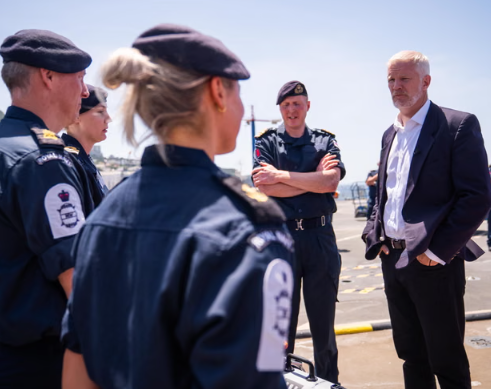
The British government is facing a profound crisis within its leadership ranks this week. Al Carns has delivered a blistering assessment of national security strategy following his dramatic resignation. His sudden departure has exposed deep fractures at the heart of the current administration. The former armed forces minister has openly accused top officials of neglecting the military. He claims the state is failing to provide adequate financial support for modern troops. Furthermore, Carns alleges that available resources are being squandered on entirely the wrong weapons.
His exit occurred on Thursday evening during a period of intense political turmoil. It followed just hours after the resignation of Defence Secretary John Healey, his direct superior. Both men stepped down after a protracted dispute regarding the Defence Investment Plan. This crucial strategy document outlines how the military will be funded moving forward. On Friday morning, Carns clarified his decision to leave his prominent ministerial position. He stated the investment package was simply not backed by enough Treasury funding. The former minister also argued that the government is investing in obsolete technology.
In his view, current procurement strategies focus too heavily on fighting the last war. He heavily hinted at future ambition during a series of intense broadcast interviews. Carns suggested he might run for the Labour leadership if a contest opens. He spoke candidly to the audience of the high-profile BBC Today programme. The former minister explained his strong disagreement with the final funding settlement for defence. He felt unable to support an investment plan that lacked vision and foresight. Carns believes the nation must urgently pivot toward modern methods of global warfare.
The retired official pointed specifically to older legacy capabilities within the armed forces. Many of these outdated programmes were originally ordered by the previous Conservative government. Carns insists that ministers must now make incredibly difficult and courageous decisions. They need to discard ancient systems and embrace innovative technologies seen in Ukraine. Drone warfare and digital battlefield management have completely changed the face of modern conflict. The UK cannot afford to remain anchored to industrial era platforms and strategy. This warning highlights a growing gap between traditional military procurement and modern combat.
The political fallout continued as Carns appeared on LBC with presenter Nick Ferrari. When asked if he would enter a leadership race, he used sports analogies. The former minister noted he was skilled at rugby and football in life. He concluded with a smile that he is always ready to play. This playful comment has caused significant concern among loyal allies of Keir Starmer. It suggests that internal opposition to the Prime Minister is growing rapidly online. The twin resignations have thoroughly disrupted an already difficult week for Downing Street.
The Prime Minister had previously relied on the absolute loyalty of John Healey. The former defence secretary had spent months fighting the Treasury for adequate funding. This internal battle over the delayed defence plan has destabilised the entire cabinet. The Ministry of Defence had requested eighteen billion pounds over a four-year period. However, the Treasury was only willing to guarantee thirteen point five billion pounds. Of that total package, only ten billion pounds represented genuine new money. This left a massive multi-billion-pound shortfall that defence chiefs found completely unacceptable.
Healey expressed his deep frustration very clearly in his formal resignation letter. He claimed the Prime Minister was unable to secure the necessary national resources. He also stated the Treasury was completely unwilling to commit vital defensive funds. This failure comes at a precarious time of rapidly rising global threats. Healey’s sharp parting shot has directly punctured Starmer’s key political narrative. The Prime Minister regularly argues that he provides strong leadership during geopolitical turmoil. That central argument now looks increasingly fragile to voters and international allies alike.
The political pressure on Starmer could intensify dramatically over the coming days. Greater challenges await if Andy Burnham wins the upcoming Makerfield byelection next week. A victory for Burnham would provide a clear alternative leader for disgruntled MPs. Carns attempted to soften his critique slightly during his media appearances on Friday. He stated that he still respects the Prime Minister as a person. He described Starmer as a good, honest, and integral man trying his best. However, he painted a grim picture of a weak, divided administration.
According to Carns, ministers are constantly fighting each other for basic departmental funding. This infighting damages the core unifying principle of any functional British government. That primary duty is the absolute protection and security of the democratic nation. Without a secure homeland, all other social and economic goals become entirely irrelevant. The public publicised squabbling over cash suggests a worrying lack of strategic central direction. This perspective has resonated strongly with commentators across the traditional political spectrum. It raises urgent questions about how Britain intends to project power globally.
The government has pushed back against these severe accusations through other senior ministers. Business Secretary Peter Kyle explicitly defended Starmer during an appearance on Sky News. Kyle argued that the administration must balance military spending against economic growth. He warned that reckless spending on defence would severely damage the wider economy. In his view, a failing economy would create a dangerous zero-sum game. The country cannot build strong defences without a stable financial foundation supporting it. Kyle insisted the final plan would be published before the Nato summit.
The Business Secretary dismissed the demands of his former colleagues as reckless behavior. He stated that funding the full military request right now represents fool’s gold. The Treasury must maintain strict discipline to ensure long-term stability for all citizens. This economic argument highlights the difficult trade-offs facing modern Western governments today. Leaders must choose between funding public services, cutting debt, or rearming their militaries. The debate in London reflects wider conversations happening across European capitals this year. Finding the right balance remains an elusive goal for most democratic politicians.
As the Nato summit approaches, foreign allies will watch the UK closely. Britain has historically prided itself on being a leading military power in Europe. This public crisis threatens to undermine that reputation at a critical historical juncture. The Labour party must now work quickly to contain the political damage. Starmer needs to appoint a new defence team capable of restoring confidence. Whether this intervention can heal the rift within the party remains highly uncertain. For now, the focus rests on a defence plan that critics call obsolete.
Related News:
 Reeves Faces Setback as Labour May Miss Homes Target
 Kate Winslet to Narrate Film Highlighting King’s Environmental Mission
 Trump’s UK Ambassador Urges North Sea Drilling to Strengthen US Ties
 UK Bans Fake Numbers: Scammers Lose Their Trick
 M&S Profits More Than Halve After Cyber-Attack
 Patients to Test Health at Home to Ease NHS Winter Pressure
 Millionaires group urge Reeves to introduce wealth tax to ‘lift kids out of poverty’
 Reeves rejects £1bn plea for NHS redundancy payouts
 Northern Lights may illuminate UK skies this week
 PM Condemns Leaks, Vows Loyalty to Ministers and Stability
 Major Rent Reform Ends No-Fault Evictions in England
 Stroke Patient Mistaken for Drunk, Care Delayed
 Inside the Helpline Protecting Missing Children in the UK
 Boots Showstopper Beauty Bundle Outshines Many Advent Calendars This Holiday Season
 PlayStation PS5 Deals Hit Lowest Prices Ahead of Black Friday
 Five-Year-Old Dies After Rare Tonsil Surgery Complication
 Starmer Says Labour’s Economic Plan Needs Years to Deliver
 UK unemployment rises to four-year high of 5.1% before budget
 Wiltshire Police Use Lasso to Catch Rampaging Village Goat
 Coasting Drinks: The Trend Redefining Alcohol Enjoyment This New Year
 Rising Hate Crimes Threaten Safety on UK Public Transport
 Starmer Faces Parliamentary Battles Over UK-EU ‘Reset’ Plan
 Met Police Vetting Failures Let Serial Rapists Remain
 Google Employee Claims Redundancy After Harassment Report
 Fatal Bolton Taxi Crash Claims Three Teens and Driver
 ScottishPower Tops List of Worst UK Energy Suppliers
 Judi Dench Champions Fight to Save London’s Green Spaces
 Crowborough Camp Welcomes First Asylum Seekers
 BBC Funding Crisis: Tim Davie Warns of Jeopardy Ahead
 Artificial intelligence will cost jobs, admits Liz Kendall
 Older Women Vanish from BBC Screens, Review Confirms Bias
 Streeting moves on doctor pay to end strike dispute
 Send spending gap leaves deprived areas behind
 Hidden Crisis: Domestic Abuse Suicide Toll in UK
 UK Unemployment Rate Climbs to 5.2% Peak
 BBC World Cup Presenting Duties Shared Among Trio
 Wales Approves Assisted Dying Bill Consent
 CPS Updates Guidance on Honour-Based and Dowry Abuse
 Asylum Seekers to Work After Year-Long Wait
 Inquiry into HMRC child benefit errors launched by NAO
 Rising Costs Force Families to Rethink Days Out
 Scott Mills Sacked by BBC Over Personal Conduct Claims
 Palantir Boss Defends NHS Deal Amid Government Break Clause
 Relationship with Trump may be beyond repair, Starmer warned
 UK Government Poised to Revive Stalled Hillsborough Law
 UK Staycations Rise as Travel Fears Grow
 Home Office Faces Legal Risks Over Asylum Hotel Living
 Official Admits Debate Over Mandelson Vetting Records
 Crisis in NHS Surgery Scheduling Hits Patients Hard
 Welsh Labour Faces Potential Historic Election Defeat
 Blue Badge Abuse: The Rising Tide of Public Hostility
 UK Faces Future Where Deaths Outnumber Births Yearly
 Scott Parker Leaves Burnley After Premier League Drop
 Silent Tracks: Rail Line Without Passengers
 RFU Backs Borthwick Despite England’s Poor Six Nations
 Major test for Labour as polls open in Great Britain
 Keir Starmer Struggles to Secure His Grip on Downing Street
 Fear and Betrayal: The Chilling Case of Kouri Richins
 Farage Faces Standards Probe Over Cash Property Purchase
 Closing the Gap: UK Pensions Commission Demands Action
 Sun and Jams: Britain Braces for a Sizzling Bank Holiday
Russian Electronic Attack Targets UK Defence Chief Jet
Sun and Jams: Britain Braces for a Sizzling Bank Holiday
Russian Electronic Attack Targets UK Defence Chief Jet
 UK Shoppers Face Prolonged Price Rises At Tills
 Tube Strike Brings Capital to a Standstill Over Shift Disputes
 Labour Denies Benefit Tax Hike Amid Mandelson Leak
 Makerfield Voters Demand Real Change as Election Looms
 US Condemns ‘Two-Tier’ UK Policing After Student Murder
 Millions in British Charity Funds Linked to Illegal Settlements
 Ryanair Faces Probe Over Mandatory Family Seating Fees
 Britain’s Crowning Butterfly Takes the Nation by Storm
 United Kingdom Politics Worse Now Than Before Brexit, Warns MP
 Russian Tanker Captain Remanded in UK Court After Channel Seizure
 Shocking Zoo Incident Sparks Attempted Murder Probe
 The Hybrid School Revolution Defying the Social Media Ban
 UK Care Crisis: Row Explodes Over New Visa Settlement Rules
 Sainsbury’s Boss Optimistic As Grocery Inflation Eases
 NHS Urges Investigation For Irregular Periods
 US Airman Avoids British Court in Indecent Exposure Case
 Ann Widdecombe, Formidable Political Figure, Dies at 78
 UK Schools Struggle as Classrooms Top 40C