Published: 22 October 2025. The English Chronicle Desk. The English Chronicle Online.
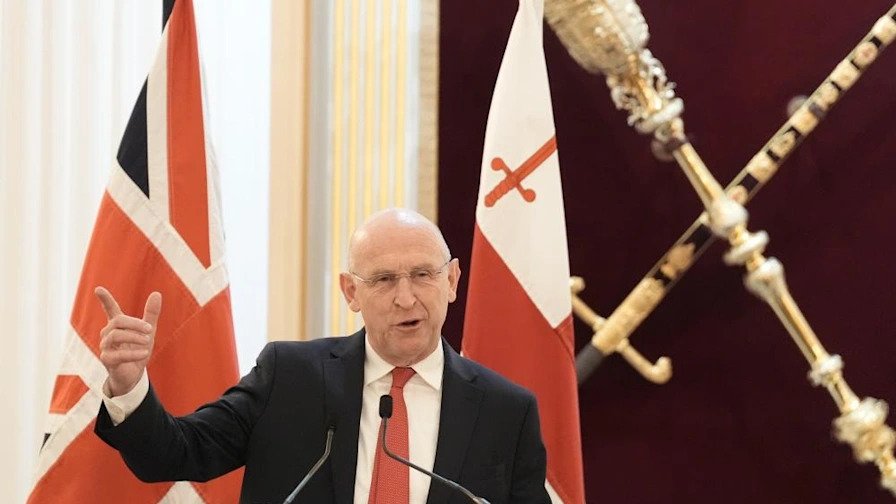
The United Kingdom has deployed a small number of troops to Israel to assist in monitoring the ceasefire in Gaza, responding to a request from the United States. Defence Secretary John Healey confirmed the deployment on Monday evening, describing Britain’s contribution as an “anchor role” in ongoing efforts to maintain peace in the region. This announcement came just ten days after Foreign Secretary Yvette Cooper stated that the UK had “no plans” to send soldiers to Gaza, highlighting the rapid shift in Britain’s response to the escalating situation.
The contingent sent includes specialist planning officers and a senior commander, who will serve as a deputy in the American-led Civil Military Coordination Centre (CMCC) in Israel. The CMCC, a joint civil-military hub, is coordinating efforts to ensure that the fragile ceasefire in Gaza is upheld. Countries including Qatar, Egypt, Turkey, and the United Arab Emirates are also contributing personnel, reflecting the international nature of this monitoring initiative.

Healey emphasised that while Britain will provide specialist expertise, it will not lead the overall operation. “We can contribute to monitoring the ceasefire, but this is likely to be led by others,” he said. “We’ve also, in response to the American request, deployed a first-rate, two-star officer into the civilian and military command as a deputy commander. Britain will play an anchor role and provide critical skills and experience where we can.”
According to reports in The Times, the British contingent is not expected to enter Gaza itself. The deployment is distinct from a planned international stabilisation force that would have enhanced security powers inside Gaza if a UN Security Council resolution supported by the US and European partners is passed. This stabilisation force is envisioned as a robust mechanism to maintain order within the territory, ensuring the ceasefire is not undermined by renewed hostilities.
Gaza’s media office has reported multiple ceasefire violations by Israel, citing at least 80 breaches since the agreement took effect and noting the deaths of at least 80 Palestinian civilians. The emir of Qatar, Sheikh Tamim bin Hamad Al Thani, publicly condemned the “continued violation” of the truce on Tuesday, underlining the ongoing humanitarian concerns.
The recent escalation began last Sunday when Israel carried out airstrikes in Gaza that killed 26 Palestinians. The strikes followed the deaths of two Israeli soldiers in an attack that the military blamed on Hamas. However, Hamas denied responsibility, stating that the organisation had no communication with fighters in the area since March, when communications were cut off. Following the incident, the Israeli military confirmed that it had resumed enforcing the ceasefire, and both Israel and Hamas reaffirmed their commitment to the truce.
In a move aimed at reinforcing international confidence in the agreement, US Vice-President JD Vance visited Israel on Tuesday, describing the ceasefire as “durable” and expressing optimism that it is exceeding expectations. His visit signals strong American backing for both the truce and the ongoing multinational efforts to stabilise the region.
A spokesperson for the UK Ministry of Defence explained that the British officers are fully embedded within the US-led CMCC, including a two-star deputy commander to oversee operations. This ensures that Britain is fully integrated into the planning and coordination of post-conflict stability measures in Gaza. “The UK continues to work closely with international partners to support the Gaza ceasefire and determine how we can contribute most effectively to the peace process,” the spokesperson said.
The UK’s involvement is viewed as a measured approach, focusing on advisory and coordination roles rather than direct engagement on the ground. The deployment reflects a balance between contributing to international peacekeeping efforts and avoiding escalation in a volatile conflict zone. By providing high-level planning and strategic expertise, British forces aim to support the operational needs of the CMCC while maintaining safety for personnel.
Experts note that the international monitoring of ceasefires is crucial in conflict regions like Gaza, where past agreements have often broken down quickly. By embedding military planners and deputies within a coordinated command structure, the UK and its allies can ensure more effective oversight and faster responses to violations, thereby reducing the risk of renewed violence.

While the UK deployment is limited in scope, it is part of a broader diplomatic effort to consolidate the fragile ceasefire and protect civilians in the region. The presence of multiple international actors—including regional powers like Qatar, Egypt, and the UAE—signals a concerted attempt to prevent further escalation and create conditions for longer-term stability.
The situation remains tense. Humanitarian organisations continue to warn of the urgent need for aid access in Gaza, where infrastructure damage and shortages of food, water, and medical supplies are ongoing challenges. International efforts to monitor the ceasefire are seen as a critical first step towards enabling relief operations and rebuilding essential services in affected areas.
Healey highlighted the UK’s commitment to contributing wherever it can without taking the lead, stressing that this deployment is aimed at strengthening multilateral cooperation. “We will play our part by providing specialist skills and experience, ensuring that international partners have the support needed to maintain the truce,” he said.
As international attention focuses on Gaza, the UK’s modest but strategically significant deployment reflects the country’s approach to balancing diplomatic responsibility with operational prudence. While the situation on the ground remains volatile, the UK’s integration into the US-led coordination centre represents a tangible effort to prevent further loss of life and uphold the fragile ceasefire.
Related News:
 British Couple Detained by Taliban Faces Grave Health Risks as Family Appeals for Release
 UK Must Act with Courage and Clarity on Israel-Palestine Conflict, Says Foreign Affairs Committee Report
 Starmer and Trump to Meet in Scotland Amid Growing Gaza Ceasefire Pressure
 MPs Call on UK Government to Delay Biometric Visa Checks for Gaza Students Amid Humanitarian Crisis
 Trump Pushes for Peace: Plans Surprise Meeting with Putin and Zelensky to End Ukraine War
 Radioactive Leak at UK’s Nuclear Warhead Base Sparks Outcry Over Safety and Secrecy
 Mutual Inconvenience: Why Alaska Was Chosen for the Trump-Putin Summit on Ukraine
 “I Don’t Expect to Live a Normal Life”: How a Leeds Teenager Became the Target of a Chinese Bounty
 Ministers Accused of Defamation Over Palestine Action Ban and Mass Arrests
 Manchester City Announce Their Return in Style with Haaland Double and Debut Goals at Wolves
 Terence Stamp, ’60s British Film Legend and Star of Superman, Dies at 87
 Where Is Prince William and Kate Middleton’s New House? Inside the Historic Lodge Set to Become Their ‘Forever Home’
 FIFA Eyes Biennial Club World Cup from 2029, Plans Possible Expansion
 EuroMillions Record-Breaking £210m Jackpot Won by Lucky Lottery Ticket Holder
 Is the UK Ready to Put Boots on the Ground in Ukraine? Assessing Military Capacity and Challenges
 Shein UK Faces Allegations of Shifting Majority of Profits to Singapore to Reduce UK Tax
 British Couple Among 16 Killed in Lisbon Funicular Tragedy
 British Couple Among Victims in Lisbon Funicular Tragedy
 Germany and Northern Ireland Set for Crucial World Cup Qualifier Clash in Cologne
 Protests Expected as Israeli Arms Firms Join Global Defence Trade Fair in London
 Madeleine McCann Case: German Woman at Centre of Hit-and-Run Theory Speaks Out
 Serbia Humiliated 0-5 by England in World Cup Qualifier
 UK Home Office to Launch French Beach Signage to Warn Asylum Seekers of Risks
 UK Immigration Figures: Separating Facts from Perceptions
 Far-Right Rally in London Draws Record Crowds Amid Clashes with Police
 First Group of Children from Gaza Arrive in UK for Life-Saving NHS Treatment
 Thousands Gather in London to Protest Donald Trump’s Second UK State Visit
 Man City 2-0 Napoli: Haaland Reaches 50 Champions League Goals After Red Card Turns Tide
 Trump Urges UK to “Call Out the Military” to Secure Borders Amid State Visit
 British AI Startup Outshines Human Forecasters in Global Prediction Contest
 Tributes Pour In as Former Liverpool Women Manager Matt Beard Dies Aged 47
 Liverpool Vs outhampton Set for Carabao Cup Clash at Anfield
Trump’s UN Speech Criticises London and UK Policies, Draws Far-Right Attention
Liverpool Vs outhampton Set for Carabao Cup Clash at Anfield
Trump’s UN Speech Criticises London and UK Policies, Draws Far-Right Attention
 UK Fighter Jet Purchase Could Breach Nuclear Treaty, Warns CND
 Britain Could Already Be at War with Russia, Former MI5 Chief Warns
 A Third of EU Citizens in UK Report Discrimination by Public Bodies Post-Brexit
 Jailed Georgian Opposition Leaders Warn UK of Iranian Links to Ruling Party
 Manchester Synagogue Attack: A Community Shaken on Yom Kippur
 Russia repeatedly targets UK military satellites, warns Space Command chief
 Pro-Palestine March to Proceed in London Despite Calls to Cancel After Manchester Attack
 UK Universities Warn Students Ahead of 7 October Pro-Palestine Protests
Starmer Considers Stricter Measures on Pro-Palestinian Protest Chants
UK Universities Warn Students Ahead of 7 October Pro-Palestine Protests
Starmer Considers Stricter Measures on Pro-Palestinian Protest Chants
 Public Trust in SNP Hits Historic Low Amid NHS Concerns
 Cooper Unveils £4m Cyber Plan Against Russian Hackers
 Ferguson Fires Scotland to Dramatic Comeback Win Over Greece
 England Thrash Wales as Rogers, Watkins and Saka Shine Bright
 Tony Blair Met Jeffrey Epstein at Downing Street in 2002
 Tuchel Criticises ‘Silent Wembley’ After England Win
 Clarke’s Anger Overshadows Scotland’s Historic Win
 MPs Urge UK to Let Gaza Scholars Bring Their Children
 Johnson Suggests Mandelson Linked to China Spy Controversy
 Kane’s Double Seals England’s World Cup Qualification
 Witness statements reveal the CPS China spy row collapse in the UK
 Large scale Chinese spying in UK sparks political storm
 Nigel Farage Calls Vladimir Putin ‘A Very Bad Dude’
 China warns UK over delayed London mega embassy decision
 Rachel Reeves signals welfare reform ahead of key budget
 Barnes Inspires Newcastle to Champions League Triumph Over Benfica
City shine with PlayStation-style football to overwhelm Villarreal
Barnes Inspires Newcastle to Champions League Triumph Over Benfica
City shine with PlayStation-style football to overwhelm Villarreal
 Kosovo agrees to host Britain’s refused asylum seekers
 Plaid Cymru Triumphs in Caerphilly, Ending Labour Century-Long Hold
 UK Gamer Recruited by Wagner Group Found Guilty of Arson
 Fabio Wardley stuns Joseph Parker to earn Usyk title shot
 Rachel Reeves to lead UK trade push in Saudi Arabia amid rights debate
 British Woman in Iran ‘Losing Hope’ Amid Ongoing Detention
 Johnson Approved China’s London ‘Super-Embassy’ in 2018
 BBC Journalist Held and Interrogated in Vietnam
 The diet that can significantly ease symptoms of IBS
 Trump Speaks on Prince Andrew’s Royal Scandal Fallout
 Top Christmas Books Reads: Classics to Cozy Romcoms
 UPS Cargo Plane Crash in Kentucky Kills Seven
 Just Stop Oil Protesters Convicted Amid Climate Defence Row
 Tension and Turmoil at Aston Villa v Maccabi Match
 British Grandmother to Return Home After Death Sentence in Bali
 Lando Norris Dominates Brazil GP to Strengthen F1 Title Bid
 BBC director-general and news chief resign amid bias row
 Ronaldo Confirms Final World Cup and Plans Retirement
 New review urges UK to repatriate Shamima Begum, others from Syria
 Rama Rebukes Mahmood for Targeting Albanian Families
 Russian Vessel Used Lasers on RAF Pilots, UK Claims