Published: 29 October 2025. The English Chronicle Desk. The English Chronicle Online.
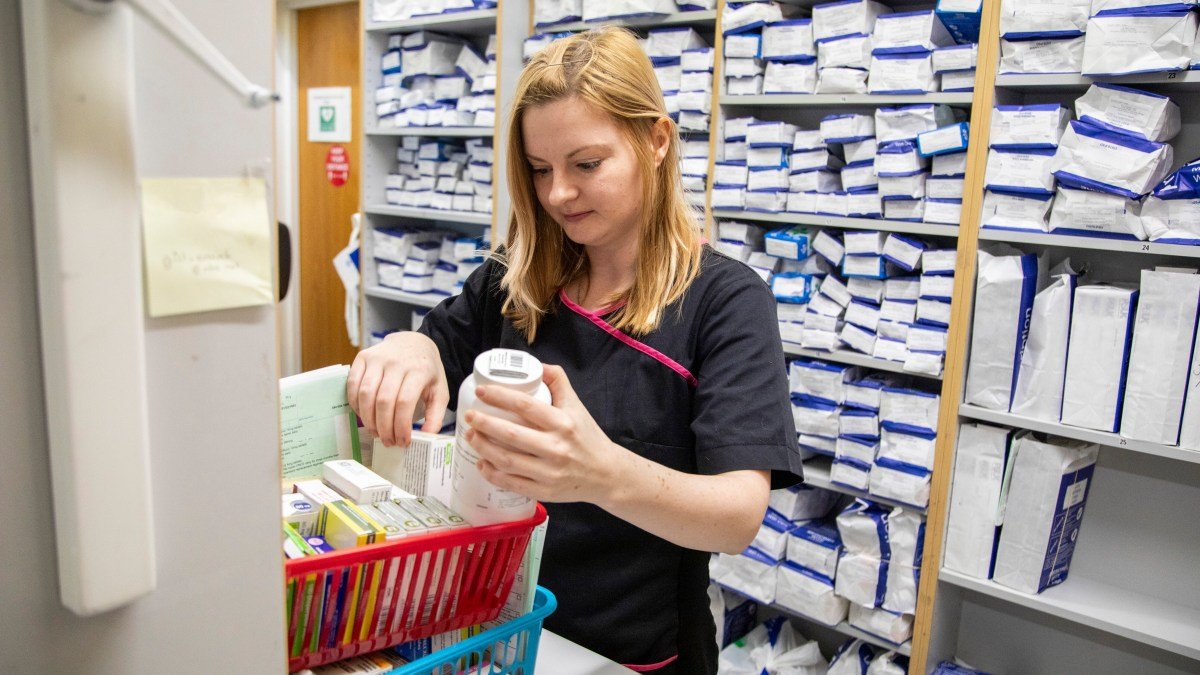
The NHS has rolled out free access to the morning-after pill across almost 10,000 pharmacies in England, a major move aimed at ending the longstanding “postcode lottery” in emergency contraception availability. This expansion allows women to obtain the pill without visiting a GP or sexual health clinic, a change hailed by health professionals as one of the most significant shifts in reproductive healthcare in decades.
Previously, access to emergency contraception varied widely across the country, with some pharmacies charging as much as £30. The cost and difficulty of obtaining appointments often left women with limited or delayed options, potentially increasing the risk of unintended pregnancies. The new nationwide pharmacy provision is intended to make emergency contraception fast, discreet, and free for all who need it.
Dr Sue Mann, the NHS national clinical director for women’s health, described the initiative as “one of the biggest changes to sexual health services since the 1960s” and “a gamechanger in making reproductive healthcare more easily accessible for women.” She emphasised that the measure removes unnecessary barriers and allows women to make timely decisions about their reproductive health.

“Instead of searching for women’s services or explaining their needs, from today women can just pop into their local pharmacy and get the oral emergency contraceptive pill free of charge without needing to make an appointment,” Dr Mann said. “With four in five people living within a 20-minute walk from a pharmacy, this service is another example of how the NHS is already delivering on our 10-year health plan commitment to shift care into the heart of communities.”
Henry Gregg, chief executive of the National Pharmacy Association, which represents around 6,000 independent pharmacies across the UK, welcomed the expansion, saying it addressed longstanding inequalities in access. “We’ve long called for the national commissioning of emergency contraception so this is good news for patients and pharmacies alike that this is launching today,” he said.
Gregg highlighted that previously, free emergency contraception was only available in certain areas through local schemes. “For too long, access to free emergency contraception has been a postcode lottery for patients, with local arrangements only existing in some parts of the country. It’s really important that pharmacies, who are under significant pressure and closing in record numbers, are sustainably funded so they can continue to provide services to patients such as these,” he added.
The move also coincides with a wider initiative to increase the role of community pharmacists in patient care. The NHS recently announced that people newly prescribed antidepressants will be able to seek advice and support from their local pharmacist regarding medication management and healthy lifestyle changes, reinforcing the shift of healthcare into local, easily accessible settings.
Stephen Kinnock, minister for care, said the policy represents a major step forward in removing barriers to reproductive healthcare. “Pharmacies play a central role in communities, trusted by local people and easy to access. That’s why it’s vital there are a wide range of services and medications available,” he said.
Health experts emphasise that timely access to emergency contraception is crucial. The effectiveness of the pill declines the longer it is taken after unprotected sex, with some options being most effective within 24 hours. Making the pill freely available across the country ensures that women can access it as quickly as possible, reducing the risk of unintended pregnancy.
The expansion comes amid rising concern about inequalities in reproductive health services. Studies have shown that access to emergency contraception is often lower in more deprived areas, where women may face financial or logistical barriers to care. By providing the pill free of charge in pharmacies nationwide, the NHS aims to ensure that reproductive health support is equitable and universal.
Pharmacies are expected to play a central role in the rollout. Staff will provide consultations to ensure women receive appropriate advice, guidance on correct use, and information about follow-up care, such as STI testing or longer-term contraception options. This approach emphasises patient safety and professional oversight while ensuring easy access.
The measure also reflects a broader trend in NHS policy to decentralise certain healthcare services, shifting care away from hospitals and GP practices and into community settings. Community pharmacists are increasingly involved in vaccination programmes, blood pressure monitoring, smoking cessation support, and chronic disease management. Expanding access to emergency contraception is the latest step in this ongoing strategy.
While the initiative has been widely welcomed, experts note that ongoing funding and staffing are crucial for success. Many pharmacies are facing unprecedented pressures, with closures and workforce shortages threatening the sustainability of essential services. Henry Gregg stressed that continued government support and investment are essential to ensure pharmacies can deliver these services safely and effectively.
Dr Mann highlighted that this change is part of the NHS’s broader 10-year plan to improve access, reduce inequalities, and shift care closer to patients’ homes. “By making emergency contraception free and widely available, we are not only improving reproductive health outcomes but also empowering women to make informed choices about their bodies and futures,” she said.

The policy also aligns with public health goals to reduce unintended pregnancies and improve sexual health outcomes nationwide. By removing cost barriers and expanding access to trained pharmacists, the NHS expects a measurable impact on the uptake of emergency contraception and related services.
Community organisations have also welcomed the move. Several sexual health charities praised the decision, noting that making the pill free and easily accessible reduces stigma, encourages responsible healthcare-seeking behaviour, and strengthens public health messaging around reproductive health.
Critics argue that ongoing education is needed to ensure women know about the availability of the pill and how to access it. Dr Mann and other experts emphasised that alongside wider access, information campaigns are being planned to raise awareness of the service and encourage women to seek care promptly when needed.
The NHS has reiterated that the rollout is designed to complement existing services, not replace them. Women will continue to have the option of visiting sexual health clinics or their GP for further advice, including longer-term contraception, STI screening, or counseling on reproductive choices.
In conclusion, the NHS’s decision to make the morning-after pill freely available in pharmacies across England represents a major step forward for reproductive healthcare, addressing longstanding inequalities, improving access, and reinforcing the critical role of community pharmacists in patient care. By removing cost barriers and simplifying access, the NHS is ensuring that women across England can exercise timely and informed control over their reproductive health.
Related News:
 Women Challenge Meta Over Targeted Ads After Miscarriage
 Man Trapped in Quicksand Rescued in Dramatic Coastal Rescue
 Hospice Cuts Raise Alarm Across England Amid Funding Crisis
 Shouting Works Best to Deter Gulls, UK Study Finds
 Five-Year-Old Dies After Rare Tonsil Surgery Complication
 More Patients Now Contacting GPs Online, Data Shows
 Tragic End to Racing Event as Powerboat Driver Dies in Collision near Lowestoft
 The Ketamine Crisis in the UK is a Silent Epidemic Leaving Users with Lifelong Pain
 Verbal Abuse in Childhood Linked to Greater Risk of Poor Mental Health in Adulthood, New Study Reveals
 Woman Warned She Might Need Leg Amputation to Survive After Liquid Brazilian Butt Lift
 Alarming rise in abusive teen relationships in the UK sparks urgent warnings
 Breakthrough Clinical Trial Lets 12-Year-Old Boy with Rare Skin Disorder Play Football
 Over 65? Gardening Instincts Can Help You Spot Financial Fraud
 Inquest Finds Agency Worker Failings Led to Unlawful Death of Vulnerable 14-Year-Old
 Close Friend of Princes William and Harry Faces Delicate Godparent Decision
 Shocking Rise in Children’s Exposure to Violent Online Pornography Raises Alarm
 Martha’s Rule Now Fully Implemented Across All Acute Hospitals in England
 Why E-Bikes and E-Scooters Are Making Streets a ‘Nightmare’ for Blind People
 Council Proposes Limits on Ice Cream Van Music and Parking in South Cambridgeshire
 Norfolk Hospital Ranked Worst in England as NHS League Tables Return
 Ofsted Pushes Ahead with Controversial New Inspection Regime Despite Widespread Opposition
 More Than Half of UK Births Now Involve Medical Intervention
 NHS ‘Toxic Culture’ Risks Harm to Mothers and Babies, Health Leader Warns
 First Group of Children from Gaza Arrive in UK for Life-Saving NHS Treatment
 One in Three GPs in England Do Not Work in NHS, Raising Concerns Over Access to Care
 UK Doctors Guilty of Sexual Misconduct Continue Practising Amid Weak Sanctions, Research Finds
 Private Psychology Costs Surge in UK as Practitioners Turn Away Clients Amid Record Demand
 “Social Housing Crisis in England: Tenant Complaints Soar Amid Dangerous Living Conditions”
NHS Urged to Revamp Prostate Cancer Treatment for Black Men Amid Rising Death Toll
“Social Housing Crisis in England: Tenant Complaints Soar Amid Dangerous Living Conditions”
NHS Urged to Revamp Prostate Cancer Treatment for Black Men Amid Rising Death Toll
 Heavy Drinkers Lead Growth in Non-Alcoholic and Low-Alcohol Market
 One Lap, 400 Miles, One Week: GP Sets Sights on Cornwall Perimeter Record Run
 Starmer Unveils Plan for NHS “Online Hospital” to Tackle Waiting Lists
 Tragic Death Strikes Half-Marathon in Stoke-on-Trent: Runner Dies Shortly After Crossing Finish Line
 Medical Cannabis Offers New Hope for British Women Struggling with Chronic Pain
 One in four UK residents fear a loved one drinks excessively as addiction concerns rise
 Majority of UK Men Would Opt for Prostate Cancer Screening, Survey Finds
One in Three UK Workers Call in Sick After Work Drinks as Cultural Pressures Persist, Survey Finds
Majority of UK Men Would Opt for Prostate Cancer Screening, Survey Finds
One in Three UK Workers Call in Sick After Work Drinks as Cultural Pressures Persist, Survey Finds
 NHS Facilities Staff Vote to Strike Over Pay Discrimination
 Ambulance Worker Fired After Flinging Amputee from Wheelchair and Offering Bribe
 Mum’s Final Wish: Donating Her Body to Science
 UK Woman Becomes Longest Survivor of Heart-Lung Transplant
 Phillipson Warns Parents Over Poor Quality Online Advice
£18 Prostate Cancer Test Could Save Thousands of Lives
Phillipson Warns Parents Over Poor Quality Online Advice
£18 Prostate Cancer Test Could Save Thousands of Lives
 Pregnant Women in England Face Rising Risk of Severe Birth Injury
 One in 12 Secondary Pupils Sent to Isolation Weekly
 M&S and Morrisons Lead Christmas Supermarket Taste Test
 Lotto result jackpot draw halted due to technical glitch
 Mother dies after black market weight loss injection
 UK Health Leaders Push for Urgent Tobacco & Vape Bill
 Prince Andrew May Leave Royal Lodge for Frogmore Cottage
 Army Barracks to House Migrants as Hotels Phase Out
 Experts Warn on Home Birth Risks, Call for Skilled Midwives
 Experts Urge Legal Right to Timely Cancer Care
 NHS Takes Over Nuffield Hospital in ‘Windfall’ for London Care
 North Sea oil workers must lose weight or face job loss
 Crisis charity to become landlord amid UK housing emergency
No link found between paracetamol in pregnancy and autism
Crisis charity to become landlord amid UK housing emergency
No link found between paracetamol in pregnancy and autism
 Seven Conditions That Automatically Qualify You for a Free Bus Pass
 UK Disability Pay Gap Means Millions Work for Free From Today
 Leading doctors issue warning amid ‘bad’ flu season
 Son Reveals UK Couple in Iran Resort to Hunger Strike for Help
 Two in Three Women in UK Armed Forces Report Harassment
 UK Asylum Reforms: Temporary Refugee Status and Faster Deportations
 Five Young People Killed in Tragic Dundalk Road Crash
 Mother Watches in Horror as Teen Daughter Dies on Tracks
 ‘Traumatic Wait’: Northern Ireland Women Face Breast Cancer Delays
 Commuters warned as yellow snow and ice alert hits Northern Ireland
 Court to Hear Challenge to Wimbledon Expansion Plan
 Woman Meets Boy Whose Life She Saved with Kidney
 TikTok Star Jessie Yendle Mocked by KFC
 UK Energy Bills to Rise Slightly in January
 Coffins Now Too Large to Cremate Amid Rising Obesity Crisis
 Vicki Fears Losing Motability Car
 Planned Palestinian Flag Raising at Belfast City Hall Faces Delay Amid Legal Concerns
 Sudanese Family Vows to Stay After Racist Graffiti
 Fibromyalgia Patients Struggle as NHS Fails to Provide Care
 Machynlleth High Street Left Without Christmas Lights
 Second homes curbs quashed in Gwynedd legal ruling
 Search underway for British man overboard off Tenerife
 “Enough is Enough”: Local MP Vows to Fight Rainham Quarry Plans