Published: 03 December 2025
The English Chronicle Desk
The English Chronicle Online
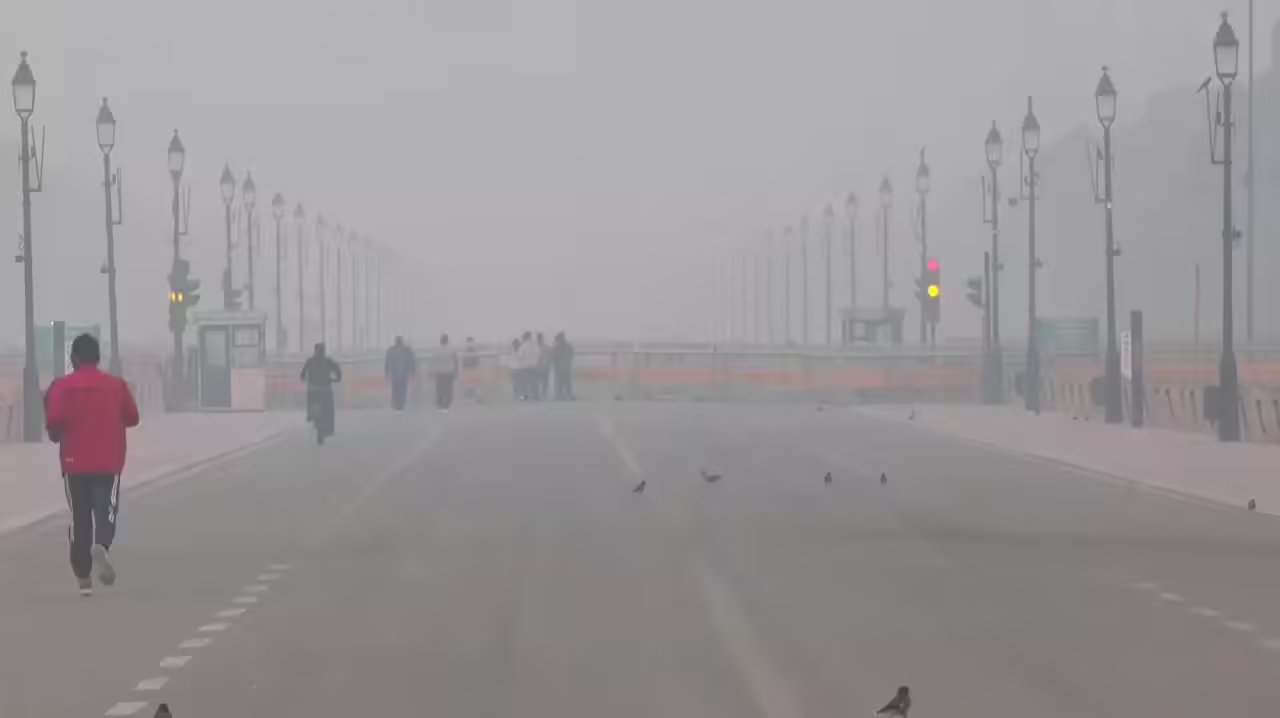
Delhi is once again grappling with a familiar and devastating winter crisis as toxic air blankets the Indian capital, driving a staggering rise in acute respiratory illnesses across the city. More than 200,000 cases of respiratory problems were recorded in six major state-run hospitals between 2022 and 2024, according to new federal government data presented in parliament. Over the same period, more than 30,000 patients suffering from breathing difficulties were admitted for hospital care, illustrating the severity of the public health emergency.
The figures, though alarming, reflect a long-standing pattern. Delhi’s winters are routinely marked by acrid, smog-filled air that often ranks among the most polluted in the world. Each year, weather patterns, industrial activity, and human behaviour converge to create a toxic atmospheric cocktail that endangers millions of residents. Although pollution is a year-round issue in the National Capital Region, its grip tightens sharply between October and January, when calm wind conditions and temperature inversions trap pollutants close to the ground.

This winter has been no exception. For several consecutive weeks, Delhi’s Air Quality Index (AQI) has remained alarmingly high—more than 20 times above the World Health Organization’s recommended safe limit for particulate matter. These pollutants include PM2.5, an especially dangerous microscopic particle capable of penetrating deep into the lungs and bloodstream. On Wednesday morning, government-backed monitoring through the Safar app recorded the city’s average AQI at around 380—classified as “very poor” and bordering on “severe.”
The casual numbers behind these readings translate into real consequences for residents. Hospitals across the capital have reported an influx of patients, including children and elderly individuals who are particularly vulnerable to the impact of polluted air. Doctors describe a wave of respiratory distress cases involving exacerbated asthma symptoms, bronchitis, and severe breathlessness.
According to government data, Delhi’s six major hospitals recorded 67,054 acute respiratory cases in 2022, 69,293 in 2023, and 68,411 in 2024. The government noted that analysis indicates a clear association between pollution levels and increased emergency room visits. However, officials cautioned that the observational nature of the study prevents them from definitively establishing causality. Even so, the correlation is difficult to ignore in a city where pollution spikes are reliably accompanied by a rush of patients gasping for clean air.

The reasons for Delhi’s persistent air-quality crisis remain complex and deeply intertwined. Industrial emissions continue to play a significant role, particularly those from power plants, manufacturing units, and brick kilns scattered across the region. The capital’s dense traffic contributes enormous volumes of exhaust, especially during peak hours. Meanwhile, winter brings meteorological conditions that help trap pollutants: lower temperatures and slow-moving winds limit the natural dispersion of harmful particles.
Another seasonal factor repeatedly blamed for Delhi’s suffocating air is crop stubble burning in neighbouring states such as Punjab and Haryana. As farmers clear their fields for the next sowing season, smoke travels hundreds of kilometres and accumulates in the capital’s atmosphere. Though authorities have introduced numerous measures over the years—ranging from fines to mechanised alternatives—the practice persists due to cost pressures, logistical barriers, and slow policy implementation.
The health crisis gripping Delhi has prompted renewed concern from the judiciary. This week, the Delhi High Court is set to hear a petition demanding urgent action to control hazardous pollution. Over recent years, India’s Supreme Court has repeatedly criticised authorities for inadequate management, urging both state and federal bodies to adopt more effective strategies. Despite these interventions, structural challenges and overlapping jurisdictions have often hindered meaningful progress.

Residents, meanwhile, continue to suffer the consequences. Reporters from the BBC recently documented how paediatric wards across Delhi and nearby cities are seeing a surge in children struggling to breathe. Many doctors warn that young lungs are bearing the brunt of prolonged exposure to dirty air, raising concerns about long-term impacts on development, immunity, and overall health.
In homes and workplaces, people often resort to air purifiers and masks in a desperate attempt to shield themselves. But such measures offer limited protection and remain inaccessible to many of the city’s poorer residents, who make up a large portion of those seeking treatment in public hospitals.
Delhi’s ongoing air crisis reflects a longer-term struggle between rapid urbanisation, industrial demand, agricultural practices, and environmental protection. Despite numerous plans, task forces, and emergency responses announced over the years, the capital remains trapped in an annual cycle of winter pollution. Experts argue that real progress will require coordinated, sustained initiatives—not only enforcing stricter emissions standards and cleaner technologies but also addressing the socio-economic challenges that fuel practices like crop burning.
As Delhi enters yet another winter of smog, its residents and health workers brace themselves for what has become an all-too-familiar battle. The rising number of respiratory cases recorded over the last three years is a stark reminder that the city’s fight for clean air remains far from over. Without significant intervention, the threat to public health—especially for vulnerable populations—will only continue to grow.
Related News:
 Delhi’s Toxic Air Crisis Leaves Children Sick and Vulnerable
 Delhi Tightens Curbs as Citizens Protest Over Toxic Air
 UK Faces Arctic Blast as Polar Vortex Disruption Brings Heavy Snow
 Sri Lanka Floods Leave 56 Dead, Dozens Missing
 Families wait in agony for missing after Hong Kong tower blaze
 Southeast Asia floods claim 241 lives, rescue efforts continue
 UK Weather: Rain Expected Above Average This Autumn, but Drought Likely to Persist
 Mother dies after black market weight loss injection
 Young Woman Missed 13 Times by GPs Before Bowel Cancer Diagnosis
 Hospice Cuts Raise Alarm Across England Amid Funding Crisis
 UK Water Firms Ordered to Act Over ‘Forever Chemicals’ Threat
 Experts Warn on Home Birth Risks, Call for Skilled Midwives
 Prince William Plants Trees with Brazil’s Nature Heroes
 Experts Urge Legal Right to Timely Cancer Care
 Nicola Sturgeon Urges SNP to Oppose New Oil Fields
 NHS Takes Over Nuffield Hospital in ‘Windfall’ for London Care
 Jailed UK climate protesters face extremist-style restrictions
 North Sea oil workers must lose weight or face job loss
 Crisis charity to become landlord amid UK housing emergency
 No link found between paracetamol in pregnancy and autism
 NHS frontline staff forced to cover gaps as managers remain scarce
 Seven Conditions That Automatically Qualify You for a Free Bus Pass
 Understanding Missing Children: Facts vs. Myths
 UK Disability Pay Gap Means Millions Work for Free From Today
 Shouting Works Best to Deter Gulls, UK Study Finds
 Reeves rejects £1bn plea for NHS redundancy payouts
 NHS trust fined after woman takes life in mental health unit
 Leading doctors issue warning amid ‘bad’ flu season
 New Research Explains Severe Diabetes in Children
 South Korea’s College Exam Tests Perseverance of Blind Students
 New weather warning issued with risk of flooding
 Working-Class Men with Prostate Cancer Left Behind by NHS
 Senator John Fetterman Hospitalized After Fall from Heart Flare-Up, Keeps Sense of Humor
 Cold Snap Brings Snow Risk as Flood Recovery Continues
 New Campaign Trains Vets to Spot Farmers’ Health Risks
 107-Year-Old Veteran Credits Whiskey for Longevity
 Snow and Ice Warnings Affect Scotland and Northern England
 Thousands at Risk in Gaza Amid Winter Flooding
 Stop Phone Habits From Sabotaging Your Relationships
 Witnesses Recall Tragedy as Couple Die in Flood
 ‘Traumatic Wait’: Northern Ireland Women Face Breast Cancer Delays
 Commuters warned as yellow snow and ice alert hits Northern Ireland
 Arctic Blast Hits UK as Snow and Ice Warnings Trigger Travel Disruption
 West Councils Falling Behind on Climate Goals
 Africa Demands Climate Justice Linked to Colonial Past
 Healthy Habits in Your 30s That Boost Life in Your 70s
 Snow and Ice Cause Travel Chaos in North Yorkshire
 Woman Meets Boy Whose Life She Saved with Kidney
 Covid Doctor’s Emotional Farewell Letter to Family
 Turkey to Host COP31 After Breakthrough Deal with Australia
 UK Energy Bills to Rise Slightly in January
 Coffins Now Too Large to Cremate Amid Rising Obesity Crisis
 David Cameron Reveals Prostate Cancer Diagnosis, Advocates Screening
 Vicki Fears Losing Motability Car
 Australia Launches Major Environmental Law Reforms
 Five-Year-Old Dies After Rare Tonsil Surgery Complication
 Fibromyalgia Patients Struggle as NHS Fails to Provide Care
 Fury After Hong Kong’s Deadliest Fire in Decades
 Rare shark attack kills woman, injures man at remote NSW beach
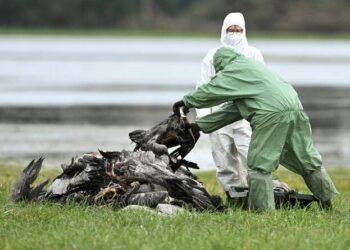 Europe, North America face early wave of bird flu
 Tokyo court rules Japan’s same-sex marriage ban constitutional
 Hong Kong Orders Probe Into Deadly 151-Death Fire
 More Patients Now Contacting GPs Online, Data Shows
 The Ketamine Crisis in the UK is a Silent Epidemic Leaving Users with Lifelong Pain
 One in Three GPs in England Do Not Work in NHS, Raising Concerns Over Access to Care
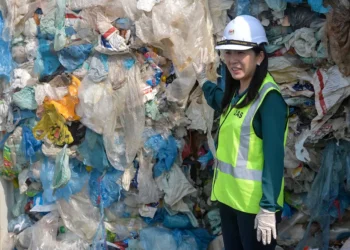 Scottish Teenager’s Petition on Single-Use Plastics Gains Parliamentary Support
 M&S and Morrisons Lead Christmas Supermarket Taste Test
 Peterborough Mosques Tighten Security After Attack
 Army Officers Orders to Cut Ties with Men-Only Clubs
 Kent village told to remove flags before Christmas lights go up
 Patients to Test Health at Home to Ease NHS Winter Pressure
 From Lego to Pokémon: How Adults Are Driving UK Toy Market Growth
 Northern Lights may illuminate UK skies this week
 PM Condemns Leaks, Vows Loyalty to Ministers and Stability
 Stroke Patient Mistaken for Drunk, Care Delayed
 What Now for the Queen’s Childhood Playhouse After Andrew’s Eviction?
 Director Michael Caton-Jones Reflects on Career and Beginnings
 Inside the Helpline Protecting Missing Children in the UK
 ICC to Rule on Duterte’s Provisional Release
 Rusty Bond-Era Aston Martin Restored to £1m Glory