Published: 21 December 2025. The English Chronicle Desk. The English Chronicle Online.
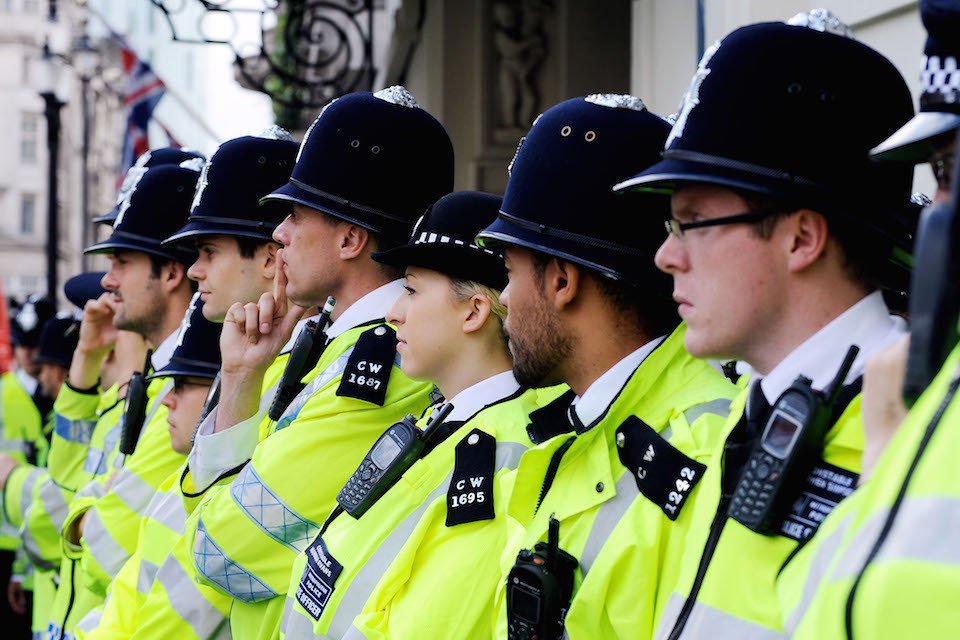
Legal experts have raised concerns that the Metropolitan Police have been applying powers they no longer legally possess in managing pro-Palestine protests across London. The controversy centres on the continued use of “cumulative disruption” as a justification for imposing restrictions, a provision that was quashed by the Court of Appeal in May 2025. Despite this ruling, recent actions by the Met suggest officers are still considering the aggregate impact of past demonstrations when regulating new protests, drawing criticism from human rights lawyers and campaign groups alike.
Evidence obtained by the Guardian and Liberty Investigates indicates that at least two protests have faced restrictions based on this now-invalid cumulative impact provision. The Home Office and the Met have defended their approach, asserting that officers retain discretion to account for the cumulative effect of protests, even though legal experts argue that this is no longer supported by legislation.

Raj Chada, a partner at Hodge, Jones & Allen and a prominent criminal lawyer specialising in human rights and protest law, emphasised that the approach has no legal grounding. “There is no reference to cumulative disruption in the original legislation. The regulations that introduced this concept were quashed in May 2025, so I fail to see how this can still be the approach taken by police. There is no legal basis for this whatsoever,” he said.
The Network for Police Monitoring (Netpol) described the revelations as indicative of an “alarming point” in the ongoing crackdown on protest, suggesting that the Met appears to disregard the legal limits of its authority. Kevin Blowe, campaigns coordinator at Netpol, commented, “The problem is zero police accountability and transparency in the use of their powers to restrict or limit protests.”
In October 2025, the Home Secretary announced plans to reintroduce the power to consider cumulative impact through the Crime and Policing Bill, currently progressing through Parliament. Critics argue that such proposals risk further limiting the public’s right to peaceful assembly and may be used to suppress dissenting voices under the guise of public order.
Nick Glynn, a retired senior officer with more than 30 years of experience at Leicestershire Police, warned against expanding protest powers. “The police have too many protest powers already and they definitely don’t need any more. If they are provided with them they not only use them [but] as in this case, they stretch them. They go beyond what was intended,” he said. Glynn added that the right to protest is fundamental to democracy and that excessive restrictions undermine the democratic process.
The regulations that previously allowed the Met to restrict protests based on cumulative disruption were formally quashed on 2 May 2025 after a legal challenge brought by Liberty, a human rights advocacy group. Under these regulations, police could curtail protests if their combined impact over time caused “serious disruption to the life of the community.”
Despite the court ruling, documents obtained under Freedom of Information laws reveal that the Met police continued to act as if the cumulative disruption powers were still valid. For instance, on 7 May 2025, five days after the regulations were quashed, the Met banned a Jewish pro-Palestine group, the International Jewish Anti-Zionist Network (IJAN), from holding its weekly protest in Swiss Cottage, citing the alleged cumulative effect on the local Jewish community. Lawyers representing the group claim the ban has been renewed each week since then.
In November, the Met required the Palestine Coalition to alter its march route on three days’ notice, citing the supposed cumulative disruption to businesses during the Black Friday retail weekend, even though the route had not been used for more than a year, according to organisers. Ben Jamal, director of the Palestine Solidarity Campaign, said that these repeated restrictions caused “immense disruption” and were a “demobiliser” for protesters, creating confusion over starting points and leading to confrontations with officers who accused participants of breaching protest conditions.
A deputy assistant commissioner, Alison Heydari, reportedly told organisers that decisions on altering protest conditions were “purely around the cumulative effect of your protests,” referencing past events to justify current restrictions. She allegedly remarked, “You’ve used this route in November 2024, and you’ve used it a few times before then as well. So there is an impact,” illustrating the continued reliance on now-defunct legal provisions.
The Met defended its actions, stating that senior officers must consider the broader context in which protests occur. “The outcome of the judicial review does not prevent senior officers from considering the cumulative impact of protest on the life of communities. To determine the extent of disruption that may result from a particular protest, it is of course important to consider the circumstances in which that protest is to be held, including any existing disruption an affected community is already experiencing,” a Met spokesperson said. The statement added that officers act lawfully while balancing the right to protest against the potential for serious disorder or disruption.

The Home Office similarly maintained that the discretion to consider cumulative disruption is implied within the Public Order Act 1986, with forthcoming amendments in the Crime and Policing Bill expected to make this “explicit.” Legal and civil liberties groups, however, remain sceptical, warning that such powers risk being misused to stifle legitimate protest and dissent.
The ongoing debate highlights the tension between maintaining public order and safeguarding democratic freedoms. Civil liberties campaigners argue that overreach in regulating protests not only curtails free expression but also undermines public confidence in the police as impartial enforcers of the law. As the UK navigates increasingly polarised social and political landscapes, the legal limits of protest policing remain under close scrutiny, with potential implications for both policy and public trust.
Related News:
 Tories Push to Dilute Labour’s Workers’ Rights Bill
 It’s time to come clean on the China spy case
 Five More Prisoners Freed by Mistake in Essex Week
 Nearly 48,000 Zombie Knives Removed from UK Streets in a Year
 Rachel Reeves Admits Renting Home Without Required Licence
 Afghan man charged with murder after west London knife attack
 Experts Question HMRC Over Possible Child Benefit Privacy Breach
 Man Charged Over Cambridgeshire Train Stabbing
 Pregnant UK Teen to Be Freed from Georgian Jail
 Phillipson urges careful review of gender recognition guidance
 French Taxi Driver Cleared in David Lammy Theft Case After Fare Dispute
 Just Stop Oil Protesters Convicted Amid Climate Defence Row
 Lammy ‘misinformed’ over Wandsworth prisoner releases
 Met Police Culture Makes Racial Harm ‘Inevitable’
 Newcastle United Lifts Ban on Fan Over Gender-Critical Views
 British Grandmother to Return Home After Death Sentence in Bali
 Remaining rebel Labour MPs have whip restored
 King Charles to Lead Nation in Remembrance Sunday Service
 Tim Davie resigns as BBC director general amid bias claims
 Bar Council urges legal aid for all domestic abuse family cases
 Government urges schools to ban phones to curb classroom disruption
 Judges to Decide Fate of Chief Constable Guilty of Contempt
 Palace to reinstate hyphen in Andrew’s surname
 NHS trust fined after woman takes life in mental health unit
 Pop Stars Call on UK Government to Cap Resale Prices for Fans
 Reeves Rejects £1bn NHS Payout Plea from Streeting
 BBC Apologises to Trump but Rejects $1bn Compensation Claim
 Major Rent Reform Ends No-Fault Evictions in England
 Peers Flood Assisted Dying Bill with 942 Amendments
 ‘Fake Admiral’ Sparks Outrage at Remembrance Event
 Your Party Turmoil Deepens Over Withheld Donations
 UK Unveils Fast-Track Deportation and Asylum Overhaul
 Couple Win Damages Over Arrest Linked to WhatsApp Chat
 UK Asylum Overhaul Sparks Debate Over Human Rights and Deportations
 UK Asylum Reforms: Temporary Refugee Status and Faster Deportations
 Mahmood Defends Tough Overhaul of UK Asylum System
 Paralegal Fired After Exposé on Illegal Worker Scam
 Dan Wootton Rejects Catfishing Allegation in Court
 Mahmood Announces Temporary Refugee Status Plan
 UK Government to Ban Reselling Tickets Above Face Value
 Scottish Ministers Express Alarm Over UK Asylum Reforms
 Westminster Advances Legacy Bill Amid Criticism
 Minister Defends Tough New Asylum Reform Plan
 UK Net Migration Falls Sharply After ONS Revisions
 Court to Hear Challenge to Wimbledon Expansion Plan
 Serial Rapist and Former Cop Found Guilty Again
 Gardener Guilty of Brutal Attack on Teacher Partner
 Peers Get Extra Time to Debate Assisted Dying Bill
 Man Arrested Over Manchester Synagogue Terror Attack
 Second homes curbs quashed in Gwynedd legal ruling
 Virgin Media Fined £23.8m Over Telecare Safety Failures
 Twelve Prisoners Released in Error, Two Still Missing
 Starmer’s communications chief to outline media strategy overhaul
 Targeted Attack in Bury Sparks Murder Investigation as Community Awaits Justice
 Merseyside Police Helicopter Crew Cleared After Low-Altitude Pursuit of Suspect
 Tanni Grey-Thompson Faces Abuse Over Opposition to Assisted Dying Bill
 No Evidence Found to Substantiate Alleged Rape in Oxfordshire Churchyard, Police Confirm
 Peterborough Mosques Tighten Security After Attack
 Reeves Faces Setback as Labour May Miss Homes Target
 Kate Winslet to Narrate Film Highlighting King’s Environmental Mission
 Trump’s UK Ambassador Urges North Sea Drilling to Strengthen US Ties
 UK Bans Fake Numbers: Scammers Lose Their Trick
 M&S Profits More Than Halve After Cyber-Attack
 Kent village told to remove flags before Christmas lights go up
 Patients to Test Health at Home to Ease NHS Winter Pressure
 Palace May Restore Hyphen to Andrew Mountbatten-Windsor’s Name
 Millionaires group urge Reeves to introduce wealth tax to ‘lift kids out of poverty’
 Reeves rejects £1bn plea for NHS redundancy payouts
 Northern Lights may illuminate UK skies this week
 PM Condemns Leaks, Vows Loyalty to Ministers and Stability
 Stroke Patient Mistaken for Drunk, Care Delayed
 Man Denies Stealing Bronze Age Gold from Museum
 Inside the Helpline Protecting Missing Children in the UK
 Boots Showstopper Beauty Bundle Outshines Many Advent Calendars This Holiday Season
 PlayStation PS5 Deals Hit Lowest Prices Ahead of Black Friday
 Runaway Driver Caught by DNA Evidence
 Five-Year-Old Dies After Rare Tonsil Surgery Complication
 ICC to Rule on Duterte’s Provisional Release
 Starmer Says Labour’s Economic Plan Needs Years to Deliver
 UK unemployment rises to four-year high of 5.1% before budget