Published: 16 January 2026. The English Chronicle Desk. The English Chronicle Online.
The focus on preserving Bondi memorial flowers has brought together volunteers and artists in extraordinary ways. In Sydney, a team has undertaken the delicate task of transforming the 3 tonnes of flowers left at Bondi Pavilion after the tragic terror attack into a permanent tribute. The process involves drying, pressing, and cataloguing each flower to create a lasting memorial at the Sydney Jewish Museum for the fifteen victims. Volunteers began this meticulous work on Christmas Eve, navigating intense heat and humidity inside the 400-square-metre warehouse where the flowers are stored.
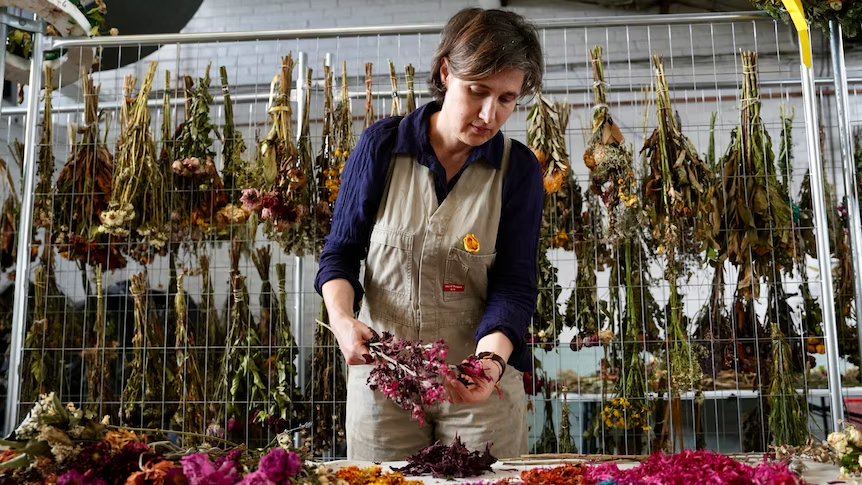
The warehouse quickly became a sensory challenge. At peak temperatures exceeding thirty degrees Celsius, the scent of thousands of drying blooms was overpowering. Volunteers wore masks and worked in shifts to cope with the thick air. Shannon Biederman, senior curator at the museum, coordinated the operation, employing fans, dehumidifiers, and construction fences to hang-dry flowers. She also borrowed bricks to press them flat, ensuring each bloom retained its natural colour and shape. “It’s been exhausting, it’s been hard, but it has been worth it,” Biederman explained, reflecting on the emotional and physical demands of the work.

Each flower is carefully identified, labelled, and stored. Species such as zigzag wattles, bougainvilleas, gumnuts, and Singapore orchids are catalogued and colour-coded, ensuring that none of the tributes are lost or overlooked. Volunteers say that the meticulous care offers solace to the families and communities affected, as their messages of gratitude arrive daily. “People are just so grateful that these tributes will be remembered,” Biederman said, noting the significance of preserving the community’s collective mourning and respect.
Initially, only a dozen volunteers participated, but now up to fifty come daily, some travelling hours to contribute. Tasks vary from pressing flowers to boxing and labelling them, creating a finely tuned workflow that balances efficiency with care. Alana, a volunteer who wished to be identified only by her first name, described her motivation: “I wanted to do something meaningful and useful. There is nothing more beautiful than keeping the flowers and turning them into something that ensures their memory lives on.”
The artwork, created by artist Sanadze, will eventually be displayed when the Sydney Jewish Museum reopens in early 2027. While the final composition remains undefined, Sanadze has emphasized community involvement at every stage of creation. The preserved flowers are not only intended to honor the victims but also to foster unity across Australia. “It means a lot that these flowers are preserved for posterity and serve as an expression of togetherness among Australians,” Biederman said.
The preservation process also carries a vision for regeneration. Seeds collected during drying will be replanted, symbolizing hope and continuity. Sanadze expressed her belief in the power of nature to heal: “There is nothing like a garden to give us hope for the future.” This project transforms grief into a shared, living memorial, linking remembrance with life and renewal.
The meticulous preservation and cataloguing of the Bondi memorial flowers demonstrate a rare blend of artistic skill, scientific care, and human empathy. Each bloom, whether a delicate orchid or a native wattle, now carries with it the story of resilience and remembrance. Beyond the museum walls, the project has strengthened community bonds, reminding Australians of the enduring power of collective compassion in the face of tragedy.

The initiative highlights how art can serve as both tribute and therapy. Volunteers report feelings of purpose, while families see tangible recognition of their loved ones. The artworks will permanently safeguard these ephemeral floral tributes, ensuring they continue to inspire reflection and solidarity for generations. Through this blend of preservation and artistry, the tragedy at Bondi is transformed into a testament of human care and memory.
As the final boxes of flowers are prepared for Sanadze’s installation, the project underscores the collaborative spirit of volunteers, curators, and the wider community. Their efforts have ensured that the Bondi memorial flowers are not just a fleeting display but a permanent celebration of life and unity. When the museum opens, the preserved flowers will stand as a symbol of hope, renewal, and enduring remembrance, connecting the past tragedy with the promise of future generations.
Related News:
 Victoria Police Ends Warrantless Search Powers, Consolidating Peace
 Liberal Turmoil Threatens Victorian Election Hopes
 Adelaide Festival Sparks Widespread Controversy Among Writers
 Racist Attack on Imam Sparks Melbourne Police Action
 PM pushes urgent hate speech and gun laws after Bondi terror attack
 Hanson and Joyce Use Rinehart Jet to Tour Flooded Queensland
 Craig Silvey faces charges over child exploitation material in Australia
 Labor’s Hate Speech and Gun Laws Face Federal Roadblocks
 UK Banks Granted Reprieve as BoE Delays Basel III Capital Rules Until 2028
 England Grapples with Unprecedented Bluetongue Virus Outbreak: Entire Nation Declared Infected Zone
 Singapore Corruption Scandal: Details Emerge on Iswaran’s Luxury Flight and Ties to Tycoon Ong Beng Seng
 Corfu Beyond the Crowds: Discovering Serenity in Southern Villages and Hidden Taverns
 Peter Andre Praises Son Junior’s ‘Quiet Season’ Amid Ongoing Family Dispute
 Massive 641-Mile Storm Set to Batter UK with 15 Hours of Rain and Strong Winds
 Jeremy Clarkson’s Pub: A Sunday Lunch Like No Other
 Scottish Government Mandates Single-Sex Toilets and Changing Facilities in Schools
 Reeves Faces Setback as Labour May Miss Homes Target
 Kate Winslet to Narrate Film Highlighting King’s Environmental Mission
 Army Officers Orders to Cut Ties with Men-Only Clubs
 Trump’s UK Ambassador Urges North Sea Drilling to Strengthen US Ties
 Ryanair Chief UK Economy ‘Doomed’ Under Labour
 UK Bans Fake Numbers: Scammers Lose Their Trick
 M&S Profits More Than Halve After Cyber-Attack
 Vibe coding’ named Collins dictionary’s word of the year
 Patients to Test Health at Home to Ease NHS Winter Pressure
BBC to Apologise Over Edited Trump Speech Amid Backlash
Patients to Test Health at Home to Ease NHS Winter Pressure
BBC to Apologise Over Edited Trump Speech Amid Backlash
 Britain deploys RAF specialists to assist Belgium with drone threats
 Millionaires group urge Reeves to introduce wealth tax to ‘lift kids out of poverty’
 From Lego to Pokémon: How Adults Are Driving UK Toy Market Growth
 Reeves rejects £1bn plea for NHS redundancy payouts
 Northern Lights may illuminate UK skies this week
 PM Condemns Leaks, Vows Loyalty to Ministers and Stability
 Phillipson Accused of Appeasing Unions by Diluting EBacc
 Major Rent Reform Ends No-Fault Evictions in England
 Saka Solidifies Role as Tuchel’s Key England Lieutenant
 Greene Pushes Epstein Files Amid Trump Fallout
 December Run-Off in Chile as Election Produces No Winner
 Zelenskyy Signs Fighter Jet Deal Amid Russian Drone Attacks
 Stroke Patient Mistaken for Drunk, Care Delayed
 Sundar Pichai Cautions on AI Hype and Market Risks
 What Now for the Queen’s Childhood Playhouse After Andrew’s Eviction?
 Shadow Fleet at Sea: Europe’s Battle Against Illicit Oil Shipping
 Tiny Curacao Makes History as Smallest Nation to Reach World Cup
 Snow and Ice Cause Travel Chaos in North Yorkshire
 Man Denies Stealing Bronze Age Gold from Museum
 Director Michael Caton-Jones Reflects on Career and Beginnings
 Inside the Helpline Protecting Missing Children in the UK
 Boots Showstopper Beauty Bundle Outshines Many Advent Calendars This Holiday Season
 PlayStation PS5 Deals Hit Lowest Prices Ahead of Black Friday
 Runaway Driver Caught by DNA Evidence
 US Suspends Afghan Immigration After White House Shooting
 Georgians Defy Government Crackdown After Year of Protests
 Five-Year-Old Dies After Rare Tonsil Surgery Complication
 ICC to Rule on Duterte’s Provisional Release
 Starmer Says Labour’s Economic Plan Needs Years to Deliver
 Rusty Bond-Era Aston Martin Restored to £1m Glory
 ‘Extinct’ Antelope Returns to Sahara, Bringing Hope
 IndiGo Cancels Hundreds of Flights Amid Pilot Shortages
 UK unemployment rises to four-year high of 5.1% before budget
 Young Britons Face Heaviest Burden from Ageing Population, Lords Warn
 Wiltshire Police Use Lasso to Catch Rampaging Village Goat
 Australia Face Big Changes as Cummins and Lyon Ruled Out of Ashes
 U‑Turn on Farmers’ Inheritance Tax Sparks Political Firestorm
 Tories and Labour face scrutiny over Abd el-Fattah support
 Khaleda Zia Death in Bangladesh: First Female PM Dies at 80
 Facebook Slow to Remove Bondi Attack Praise, Anti-Hate Group Claims
 Children to Receive Home Vaccines as England Acts
 Childhood Hypertension Sparks Urgent UK Testing Calls
 GMB Union Faces Turmoil Amid Female Leaders’ Claims
 Raducanu Battles Injury as Britain Exit United Cup
 MoJ Prison Leasing Scandal Triggers £100m Public Cost
 Saudi Officials Report Zubaidi Flee Before Yemen Peace Talks
 Cambridge College Faces Backlash Over Private School Recruitment
 Manchester United Fan Group Targets Jim Ratcliffe Over Club Chaos
 Celebrity Campaign Highlights SMA Screening Failures
 Bereaved Fathers Gain New Paternity Leave Rights in UK
 Minnesota Sues Trump Administration Over ICE Surge
 US Clears Nvidia AI Chip Sales to China in Policy Shift
 US Senate rejects resolution limiting Trump military powers
 Gulf states warn Trump Iran strikes risk wider Middle East war