Published: 23 January 2026. The English Chronicle Desk. The English Chronicle Online
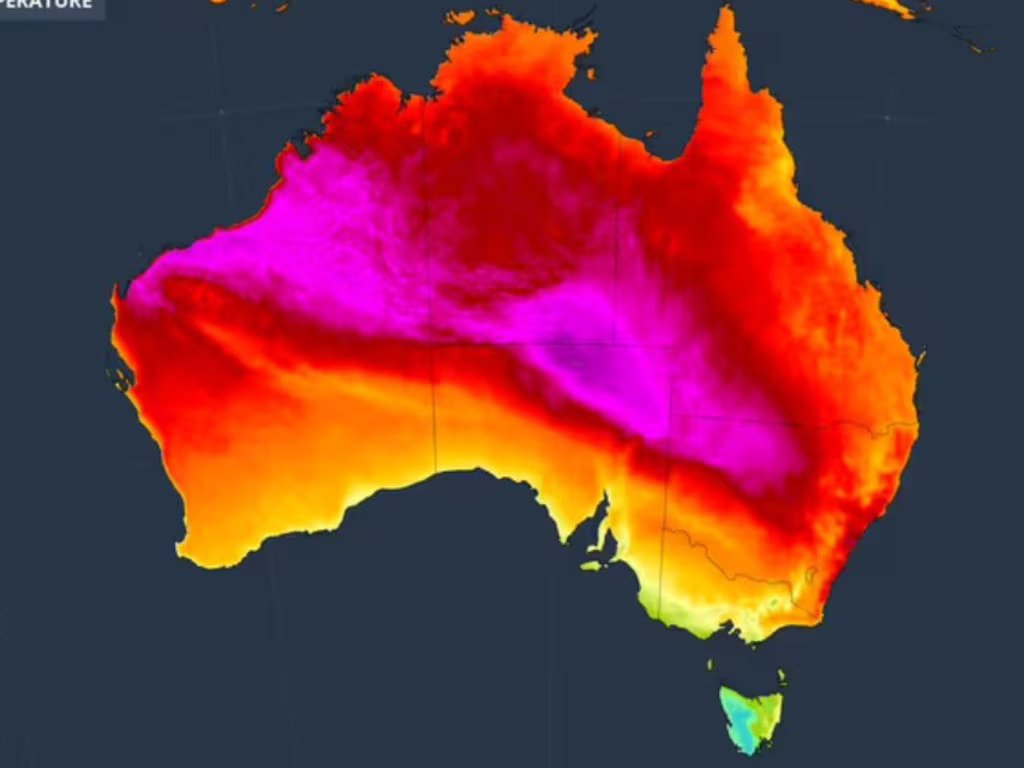
South-east Australia is bracing for an extreme and potentially historic heatwave that forecasters warn could shatter long-standing temperature records and push bushfire danger to catastrophic levels across multiple states. Meteorologists say a powerful and persistent dome of heat is set to settle over large parts of the country from the weekend, creating conditions that will test communities, emergency services and infrastructure already strained by recent fires.
According to the Bureau of Meteorology, the heatwave will begin intensifying from Saturday, spreading across South Australia, Victoria, New South Wales and southern Queensland. In some inland regions, temperatures above 40C are expected to persist for more than five consecutive days, a duration that significantly increases health risks, environmental stress and the likelihood of fast-moving and uncontrollable fires.
Senior meteorologist Jonathan How described the coming days as “challenging for everyone,” urging Australians to take heat and fire warnings seriously. He said the prolonged nature of the event, rather than just the peak temperatures, was a major concern. When heat lingers for days, nights fail to cool down, compounding the strain on vulnerable people, livestock and ecosystems.

Fire authorities across the southern states are on high alert. High to extreme fire danger ratings have already been issued for wide areas, with catastrophic fire danger forecast for South Australia’s Yorke Peninsula and eastern Eyre Peninsula on Saturday. These are the most severe fire conditions possible, where any fire that starts is likely to spread rapidly and be impossible to control.
Victoria has declared a statewide total fire ban for Saturday, reflecting fears that even a small ignition could escalate into a major emergency. In South Australia, total fire bans have been declared for all districts except metropolitan Adelaide, underscoring the seriousness of the conditions facing regional communities.
The threat comes at a time when fires are still burning in parts of Victoria following an intense heatwave earlier in January. Climate analysts have said that earlier event was made at least five times more likely by global heating, a stark reminder of how climate change is amplifying Australia’s traditional bushfire risks.
While meteorologists note that winds during this heatwave are not expected to be as destructive as during some previous fire disasters, the combination of extreme heat, dry vegetation and existing fires in the landscape remains deeply concerning. Jonathan How said the absence of meaningful rainfall over the coming days means there will be little natural relief from the escalating danger.
Emergency services leaders have issued strong warnings to communities to prepare and, where advised, to leave early. The Country Fire Authority’s chief officer, Jason Heffernan, said hot and dry conditions meant new fires could ignite and spread with alarming speed.
“With fires already in the landscape, communities hurting and healing, and emergency services still on the fireground, we’re asking people to follow the strict conditions associated with the total fire bans,” Heffernan said. He emphasised that these bans are designed to save lives, not inconvenience people, and that ignoring them could have devastating consequences.
As of Friday afternoon, several bushfire warnings were already active across Victoria. Residents in areas including Crawford Crossing, Hodgson Crossing, McNamara Crossing, Nariel Creek, Nariel Valley, Stacey’s Bridge and Willow Crossing were advised to leave immediately due to the threat posed by nearby fires. Authorities warned that conditions could deteriorate rapidly as temperatures rise further over the weekend.
In South Australia, chief officer of the Country Fire Service Brett Loughlin said Saturday was shaping up to be among the most significant fire weather days the state has experienced in recent years. He warned that temperatures could climb into the high 40s in some areas, pushing conditions into dangerous and potentially record-breaking territory.
The heat is already being felt. On Friday morning, the outback town of Oodnadatta recorded 34.7C by 10am, an early indicator of how quickly temperatures are climbing. Adelaide is forecast to reach 42C on Saturday, coinciding with one of the most demanding stages of the Tour Down Under cycling race at Willunga Hill. Organisers and health officials are closely monitoring conditions to ensure the safety of riders, staff and spectators.
Victoria is expected to bear some of the most extreme temperatures in the coming days. Forecasters say parts of the Mallee region could see temperatures approaching 49C by Tuesday, challenging the state’s all-time record of 48.8C set at Hopetoun in February 2009 during the Black Saturday heatwave. In Mildura, temperatures are forecast to climb steadily from 43C on Saturday to as high as 47C by Tuesday.
Melbourne, currently hosting the Australian Open tennis tournament, is also set to swelter. Temperatures in the city are forecast to reach 40C on Saturday, followed by a secondary peak of around 41C on Tuesday. Tournament organisers have heat policies in place, but the extreme conditions raise concerns for players, fans and staff alike.
New South Wales is expected to experience two major bursts of heat, one on Sunday and another in the middle of next week. The Riverina, central west and northern parts of the state are forecast to be hardest hit. In the far north-west, Bourke is expected to reach 48C on Wednesday, edging close to the state’s all-time temperature record of 50.1C, set at Wilcannia in January 1939.
Southern Queensland will not be spared. The small town of Thargomindah, in the state’s south-west, could reach 48C on Wednesday and remain dangerously hot at around 47C on Thursday. Such temperatures pose serious risks not only to people but also to power supply, transport infrastructure and agriculture.
Elsewhere in the country, Western Australia continues to grapple with its own extreme weather. While parts of the state remain under heat and fire warnings, meteorologists are also tracking a tropical low located about 515 kilometres north-west of Broome. The system is expected to intensify into a category two cyclone, to be named Luana, before crossing the Kimberley coast on Saturday afternoon. Authorities are preparing for heavy rain, damaging winds and potential flooding in affected areas.
The broader climatic backdrop to this heatwave is sobering. Australia experienced its fourth-warmest year on record in 2025, with national average temperatures sitting 1.23C above the long-term mean, according to the Bureau of Meteorology. Scientists say this warming trend is consistent with global climate change driven by greenhouse gas emissions.

The climate crisis has increased both the frequency and severity of extreme heat events, turning what were once rare occurrences into more regular and intense threats. Heatwaves are now Australia’s deadliest natural hazard, causing more fatalities than bushfires, floods or cyclones when their health impacts are fully accounted for.
Long-range forecasts offer little immediate comfort. The Bureau of Meteorology’s latest outlook indicates hotter-than-average days and nights are likely to persist across much of the country until at least April. Sea surface temperatures are also expected to remain warmer than average globally and around Australia, a factor that can influence weather patterns and exacerbate extreme conditions.
Authorities are urging people to take simple but critical steps to protect themselves and others in the days ahead. Staying hydrated, avoiding strenuous outdoor activity during peak heat, checking on elderly neighbours and having a clear bushfire survival plan are all essential measures as the heatwave unfolds.
As south-east Australia braces for what could be a record-breaking and dangerous stretch of weather, the message from meteorologists and emergency services is clear: this is a serious event, and preparation, awareness and caution will be vital to minimising its human and environmental toll.
Related News:
 ‘Extinct’ Antelope Returns to Sahara, Bringing Hope
 Norfolk Coastal Graves at Risk as Erosion Deepens Family Anguish
 Eden Project Founder Celebrates 25 Years of Nature’s Hope
 Winter plant bloom signals climate breakdown in UK
 UK Homes May Skip Batteries in New Green Rules
 Avocado Crisis: The Hidden Violence Behind Exports
 Smaller farms funding prioritised in England nature plans
 Dog Food Emissions: 1% of UK Greenhouse Gas Revealed
 Victoria Police Ends Warrantless Search Powers, Consolidating Peace
 Dutch Nationwide Fireworks Ban Expected to Transform New Year Traditions
 Liberal Turmoil Threatens Victorian Election Hopes
 Adelaide Festival Sparks Widespread Controversy Among Writers
 Racist Attack on Imam Sparks Melbourne Police Action
 PM pushes urgent hate speech and gun laws after Bondi terror attack
 Storm Goretti leaves Cornwall homes without power
 Wildlife Targets at Risk in England and Northern Ireland
 Hanson and Joyce Use Rinehart Jet to Tour Flooded Queensland
 Craig Silvey faces charges over child exploitation material in Australia
 Dubai Chocolate Craze Inspires South Korea’s Latest Dessert Obsession
 Traces of Glyphosate Found in UK Playground Tests
 Labor’s Hate Speech and Gun Laws Face Federal Roadblocks
 BP’s Influence Sparks Controversy in UK STEM Education
 Bondi memorial flowers preserved in lasting tribute artwork
 Polycrisis Anxiety Leaves Many Feeling Trapped in the Present
 Japan Prepares for Kashiwazaki Restart After Fukushima Legacy
 Sydney shark attack leaves boy critically injured in harbour waters
 Kent Residents Continue Facing Water Supply Disruptions
 Sydney Shark Attack Surge Shocks Australia Beaches
 Water firms may avoid fines under UK water reform plan
 Melbourne Antisemitic Attack Targets Young Boys
 NSW Shark Attacks Surge, Authorities Urge Swimmers to Stay Out
 Antarctic Penguins Shift Breeding Season Amid Climate Change
 No Gas Boiler Ban as UK Warm Homes Plan Backs Heat Pumps
 Judi Dench Champions Fight to Save London’s Green Spaces
 Nationals Crisis Meeting Threatens Coalition Stability
 Half the World’s Largest Cities Face Rising Water Stress
 Sussan Ley leadership milestone shakes Liberal future
 Deadly NSW Shooting Leaves Three Dead, Gunman Escapes
 Silence and Unity Mark Bondi Terror Attack Memorial
 The Sound of Mayhem’: Terror and Loss at Mount Maunganui
 Andrew Hastie Emerges as Leadership Rival to Ley
 UK Banks Granted Reprieve as BoE Delays Basel III Capital Rules Until 2028
 Singapore Corruption Scandal: Details Emerge on Iswaran’s Luxury Flight and Ties to Tycoon Ong Beng Seng
 Corfu Beyond the Crowds: Discovering Serenity in Southern Villages and Hidden Taverns
 Peter Andre Praises Son Junior’s ‘Quiet Season’ Amid Ongoing Family Dispute
 Massive 641-Mile Storm Set to Batter UK with 15 Hours of Rain and Strong Winds
 Jeremy Clarkson’s Pub: A Sunday Lunch Like No Other
 Scottish Government Mandates Single-Sex Toilets and Changing Facilities in Schools
 Reeves Faces Setback as Labour May Miss Homes Target
 Kate Winslet to Narrate Film Highlighting King’s Environmental Mission
 Trump’s UK Ambassador Urges North Sea Drilling to Strengthen US Ties
 UK Bans Fake Numbers: Scammers Lose Their Trick
 Vibe coding’ named Collins dictionary’s word of the year
BBC to Apologise Over Edited Trump Speech Amid Backlash
Vibe coding’ named Collins dictionary’s word of the year
BBC to Apologise Over Edited Trump Speech Amid Backlash
 Millionaires group urge Reeves to introduce wealth tax to ‘lift kids out of poverty’
 Reeves rejects £1bn plea for NHS redundancy payouts
 PM Condemns Leaks, Vows Loyalty to Ministers and Stability
 Phillipson Accused of Appeasing Unions by Diluting EBacc
 Saka Solidifies Role as Tuchel’s Key England Lieutenant
 Greene Pushes Epstein Files Amid Trump Fallout
 Zelenskyy Signs Fighter Jet Deal Amid Russian Drone Attacks
 Sundar Pichai Cautions on AI Hype and Market Risks
 Shadow Fleet at Sea: Europe’s Battle Against Illicit Oil Shipping
 Snow and Ice Cause Travel Chaos in North Yorkshire
 Director Michael Caton-Jones Reflects on Career and Beginnings
 Inside the Helpline Protecting Missing Children in the UK
 PlayStation PS5 Deals Hit Lowest Prices Ahead of Black Friday
 US Suspends Afghan Immigration After White House Shooting
 Five-Year-Old Dies After Rare Tonsil Surgery Complication
 Starmer Says Labour’s Economic Plan Needs Years to Deliver
 IndiGo Cancels Hundreds of Flights Amid Pilot Shortages
 Conservatives Pledge to Scrap 2030 Petrol and Diesel Car Ban
 Young Britons Face Heaviest Burden from Ageing Population, Lords Warn
 U‑Turn on Farmers’ Inheritance Tax Sparks Political Firestorm
 Khaleda Zia Death in Bangladesh: First Female PM Dies at 80
 Children to Receive Home Vaccines as England Acts
 GMB Union Faces Turmoil Amid Female Leaders’ Claims
 MoJ Prison Leasing Scandal Triggers £100m Public Cost
 Cambridge College Faces Backlash Over Private School Recruitment
 UK Weather: End of Cold Spell in Sight as Temperatures Rise