Published: 24 January 2026. The English Chronicle Desk. The English Chronicle Online
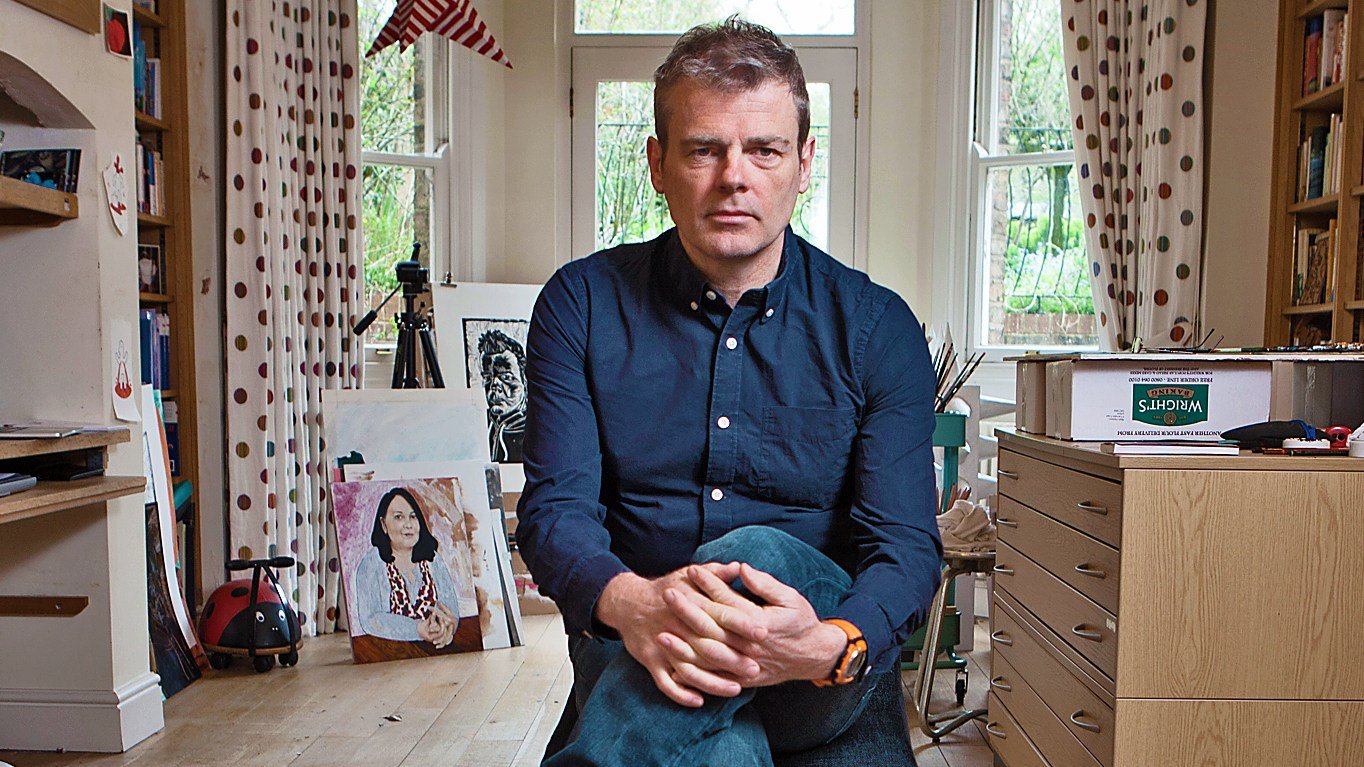
Mark Haddon’s childhood memories arrive not as warm recollections but as washed-out photographs that stir an uneasy longing rather than comfort. Looking back on England in the 1960s and 70s, he recalls a world of Morris Minors, deckchairs and suburban gardens that appears benign from a distance, yet felt emotionally barren from the inside. It is not nostalgia that draws him back, he suggests, but the strange intensity with which children experience the world when adult affection is absent and retreat into imagination becomes a form of survival.
As a bookish boy growing up on the outskirts of Northampton, Haddon lived largely inside his own head. His family home, an architect-designed house with Scandinavian touches, offered material comfort but little emotional warmth. His father was distant and volatile, his mother anxious, fearful and often disapproving. Conversation, in any meaningful sense, was absent. Adults spoke, but they did not talk; nothing vital was shared. In that silence, Haddon learned early that inner life was private and untranslatable, something that could not be safely offered to others.
Objects, he reflects, provided the stability that people did not. Grass became jungles, bedspreads transformed into mountain ranges beneath model aircraft, and encyclopaedias and star charts offered reliable systems in contrast to unpredictable adults. These were not whimsical games but coping mechanisms, ways to construct order and meaning in a household where love was never articulated and rarely shown.

His sister Fiona bore the brunt of this emotional neglect even more acutely. Haddon recalls a childhood marked by fear, including recurring nightmares in which their father chased her with a knife. The dream followed her well into adulthood, fading only when his father’s Alzheimer’s disease robbed him of authority and menace. Their mother, overwhelmed and withdrawn, offered little protection. Discipline crossed into cruelty, and affection was conspicuous by its absence.
Haddon paints a complex and often unsettling portrait of his mother. In photographs from before her marriage she appears confident, radiant, at ease with herself in a way he never witnessed growing up. Somewhere, he suspects, that light went out. She was capable of humour and sociability, but these moments felt performative rather than nurturing. Fear governed her worldview: fear of difference, of illness, of social judgment. Cleanliness, propriety and fitting in mattered more than kindness. She read no books, listened to no music, and showed no interest in her son’s inner life or creative ambitions.
When Haddon’s literary success arrived with The Curious Incident of the Dog in the Night-Time, it did little to bridge the emotional gap. His mother read the novel once and dismissed it with faint praise, criticising the swearing and remarking that it seemed realistic only because she had to endure a long car journey with her husband. She preferred that her son find a “proper job” and struggled to understand writing as a legitimate vocation. Her disapproval was quiet but persistent, another reminder that love, in this family, was conditional at best.
His father, by contrast, was physically formidable and emotionally explosive. An accomplished sportsman and successful architect, he embodied a different kind of absence: present in body, intimidating in temperament, but incapable of tenderness. Haddon recalls a short fuse and an atmosphere of latent threat that made home feel unsafe. Even as dementia eroded his father’s memory late in life, flashes of aggression and pride remained, underscoring how deeply these traits were ingrained.
The imbalance between the siblings was stark. Haddon, older and male, received preferential treatment that he now recognises with discomfort. His parents embraced the idea of him as a “freakishly clever” child, a label that excused them from the responsibility of understanding him emotionally. Fiona, less academic and more openly vulnerable, was treated as an encumbrance. When she was hospitalised with meningitis as an adult, their parents failed to visit, citing social and recreational commitments. Milestones in her life passed without acknowledgement. The final words their mother spoke to her were not loving or conciliatory, but accusatory and dismissive.

Haddon’s reflections on adulthood are no less candid. Visiting his parents in their final years was an exercise in endurance rather than reconciliation. His mother’s neediness and self-pity repelled him, a reaction that filled him with shame even as he recognised its roots in a childhood devoid of physical affection. There were no remembered hugs, no spoken declarations of love, no emotional language on which to build intimacy later in life.
When both parents died, Haddon felt relief. For Fiona, their deaths closed the door on any hope of apology or recognition. This, he suggests, is a grief rarely acknowledged: the loss of parents who never loved you, or whom you never loved in return. Society assumes mourning follows affection, yet the absence of love can leave wounds that death does not heal.
Haddon questions the moral injunction against speaking ill of the dead. Who does it serve, he asks, and at what cost? Telling the truth about one’s parents, even when it is uncomfortable or unflattering, becomes an act not of cruelty but of honesty. His mother cared deeply about appearances and social standing, but never seemed to consider whether she had been kind, or whether she had loved her children well. These are the questions that linger after death, unanswered but unavoidable.
In revisiting his childhood with unsparing clarity, Haddon is not seeking revenge or absolution. Instead, he offers a meditation on emotional neglect, memory and the long shadow cast by unloving parents. His story is unsettling precisely because it resists redemption. There is no neat resolution, only understanding, and the recognition that survival sometimes depends not on love received, but on worlds built quietly and alone.
Related News:
 British Woman in Iran ‘Losing Hope’ Amid Ongoing Detention
 BBC Journalist Held and Interrogated in Vietnam
 UK University Suspends Human Rights Research Following Pressure from China
 Top Christmas Books Reads: Classics to Cozy Romcoms
 World Whisky Tour: 9 Global Gems
 Just Stop Oil Protesters Convicted Amid Climate Defence Row
 Tension and Turmoil at Aston Villa v Maccabi Match
 BBC to Apologise Over Edited Trump Speech Amid Backlash
 Lando Norris Dominates Brazil GP to Strengthen F1 Title Bid
 Britain deploys RAF specialists to assist Belgium with drone threats
 Palace May Restore Hyphen to Andrew Mountbatten-Windsor’s Name
 US Senate Passes Funding Bill to End Historic Shutdown
 Suicide Bombing at Islamabad Court Kills 12, Injures Dozens
 Ukraine-Russia war latest: Putin’s troops exploit bad weather to force Kyiv withdrawal from multiple towns
 Algeria Pardons French-Algerian Novelist Sansal After Year in Jail
 Hitler’s DNA Confirms He Truly Had Only One Testicle
 US Justice Department Files Lawsuit Against California Over Partisan Voting Maps
 Oklahoma Governor Grants Last-Minute Clemency to Death Row Inmate
 Israel Confirms Returned Hostage as Meny Godard
 Greene Pushes Epstein Files Amid Trump Fallout
 Trump Deploys DHS to Charlotte in Major Arrest Operation
 December Run-Off in Chile as Election Produces No Winner
 Zelenskyy Signs Fighter Jet Deal Amid Russian Drone Attacks
 Orban Says Ukraine Has ‘No Chance’ as EU Support Continues
 Irish Hero Parrott Says Goal Brought First Tears in Years
 Canada Passes Carney’s First Budget in Tight Parliamentary Vote
 Israeli Strike Kills 13 Near Palestinian Camp in Lebanon
 Zelensky Meets US Envoy in Turkey to Push Ukraine Peace Talks
 Shadow Fleet at Sea: Europe’s Battle Against Illicit Oil Shipping
 Tiny Curacao Makes History as Smallest Nation to Reach World Cup
 Haiti Qualifies for World Cup Despite Coach Never Visiting Country
 Deadly Russian Strikes Hit Western Ukraine, 20 Killed in Ternopil
 Rama Rebukes Mahmood for Targeting Albanian Families
 Pentagon Officials in Ukraine to Discuss War End
 Ukraine Peace Plan: Zelensky Ready for Dialogue
 Vietnam Battles Deadly Floods as Rains Continue
 Venezuela Threatens Nobel Winner Machado with Fugitive Status
 At Least Three Dead in Bangladesh Earthquake
 Barcelona Returns to Camp Nou vs Athletic Bilbao
 Royal Navy Shadows Russian Warships Entering the Channel
 Israel Confirms Hamas Returned Dror Or’s Body
 Trump Envoy to Discuss Ukraine Peace at Kremlin
 US Suspends Afghan Immigration After White House Shooting
 Two National Guard Soldiers Critically Injured Near White House
 Georgians Defy Government Crackdown After Year of Protests
 Southern Lebanon reels as Israeli strikes shatter communities
 Mbappe Scores 4 as Real Madrid Edge Olympiakos
 Man City Lose, Champions League Risk
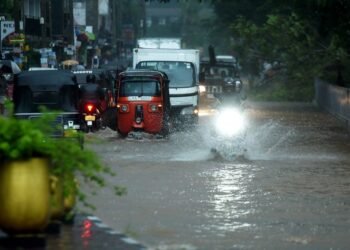 Sri Lanka Floods Leave 56 Dead, Dozens Missing
 India’s Labour Law Overhaul Sparks Fierce Debate
 Tokyo court rules Japan’s same-sex marriage ban constitutional
 ‘Extinct’ Antelope Returns to Sahara, Bringing Hope
 EU plans $105bn Ukraine aid using frozen Russian assets
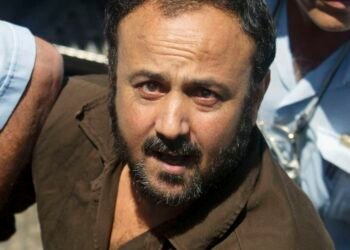 Global campaign launched to free Palestinian leader Barghouti
 American Mother Extradited From UK to U.S. on Murder Charges
 Khaleda Zia, Bangladesh’s First Female Prime Minister, Dies at 80
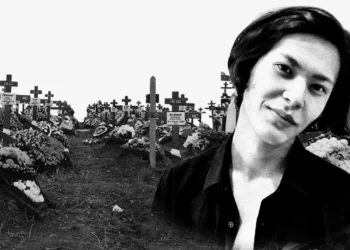 Russia losses Ukraine war peace talks intensify amid rising deaths
 Facebook Slow to Remove Bondi Attack Praise, Anti-Hate Group Claims
 Australian Cruise Ship Freed After Reef Grounding in Papua New Guinea
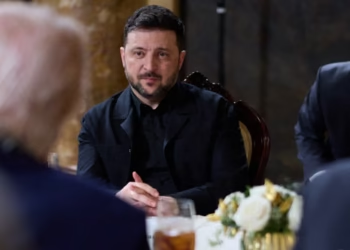 Zelenskyy Accuses Russia of Sabotaging Peace Talks
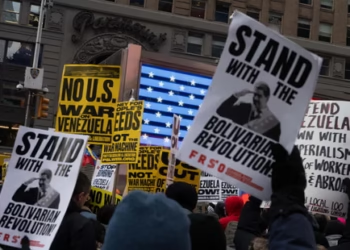 US Cities Erupt in Protests Against Trump’s Venezuela Military Action
 Albanese Opens Door to Bondi Royal Commission Amid Rising Pressure
 Trump Escalates Minnesota Immigration Surge Amid Rising Tensions
 Venezuela Oil Shift to US Could Disrupt China Supplies
 Iran Protesters Defy Crackdown as Violent Clashes Intensify
 US Clears Nvidia AI Chip Sales to China in Policy Shift
 Trump Threatens Strong Action If Iran Executes Protesters
 Gulf states warn Trump Iran strikes risk wider Middle East war
 Machado Trump medal gesture reshapes Venezuela power struggle
 Greenland defence seen as shared Nato duty amid troop arrivals
 Trump Receives Machado’s Nobel Medal in White House Meeting
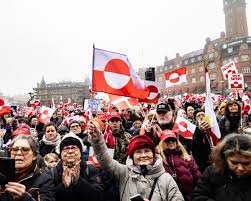 EU weighs response amid Greenland tariff crisis with Trump
 Syria President Declares Victory as Ceasefire Reached with SDF
 US Considers Asylum for British Jews Amid Rising Antisemitism
 Sydney Shark Attack Surge Shocks Australia Beaches
 ICE street raids expose a chilling future for public freedoms
 Thousands Flee Cambodia Scam Centres Amid Global Pressure
 Trump Aide Sparks Fury as Greenland Dispute Intensifies
 EU Says US Ties Have Suffered ‘Big Blow’ After Greenland Crisis
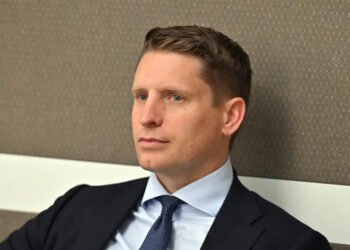 Andrew Hastie Emerges as Leadership Rival to Ley