Published: 29 January 2026. The English Chronicle Desk. The English Chronicle Online.
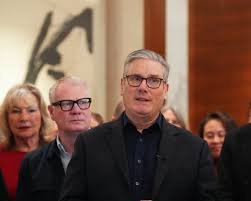
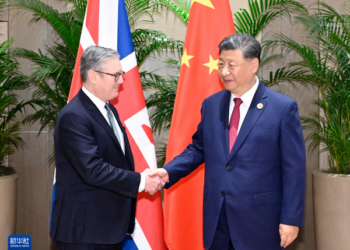
UK-China relations have taken centre stage as Prime Minister Keir Starmer met Xi Jinping Thursday. Starmer emphasized that UK-China cooperation would enhance trade stability amid global economic uncertainty. The prime minister insisted this visit sought to bring long-term clarity and predictability to UK-China relations after inconsistent policies under previous governments.
The meeting, held at Beijing’s Great Hall of the People, lasted approximately forty minutes and included business and cultural discussions. Starmer, the first UK leader in eight years to visit China, told reporters he aimed to solidify UK-China ties while maintaining careful attention to security concerns.
UK-China trade has grown steadily, with China representing one of Britain’s largest global trading partners. Exports of goods and services to China reached £45 billion last year, highlighting UK-China economic interdependence. While not among China’s top ten trading partners, the UK remains strategically important as Beijing seeks to expand influence among allied Western nations.

During the talks, Starmer was clear-eyed about the challenges posed by China, emphasizing that cooperation would include protective measures against espionage. He also planned to address human rights issues, notably the detention of Hong Kong pro-democracy activist Jimmy Lai, showing that relations balance economic interests with ethical considerations.
Critics within the Conservative Party have warned that engagement with China could undermine security, citing past accusations of cyber-attacks and political interference. Nonetheless, Downing Street confirmed that all discussions are framed with strict safeguards. The UK will not be forced to choose exclusively between China and the United States, even amid escalating global trade tensions.
Starmer’s engagement with Xi also included cultural diplomacy. The prime minister presented Xi with a Manchester United football, symbolizing goodwill, as the Chinese leader recently celebrated a football victory over Arsenal, which Starmer supports. Observers suggest such gestures could strengthen trust, potentially aiding negotiations on broader geopolitical issues.
Key topics discussed during the visit involved serious organised crime, including illicit synthetic opioid trafficking responsible for over 750 UK deaths. Both sides also explored collaboration on tackling illegal exports of small boat engines, the majority sourced from China, which play a role in migrants’ cross-channel journeys. The agreements aim to enhance intelligence sharing and ensure cooperation in law enforcement.
While commercial engagement was central, Starmer ensured that collaboration would not compromise national security. Decisions on China supplying turbines for UK windfarms remain under review, reflecting careful balancing between economic opportunity and safeguarding critical infrastructure.
Downing Street sources highlighted that discussions included sensitive matters such as the Chagos Islands sovereignty transfer to Mauritius, which some US policymakers had criticised. Starmer dismissed concerns, confirming the agreement is secure and will proceed, illustrating that relations operate independently of external pressure.
Political commentators note that Starmer’s visit aligns the UK more closely with countries pursuing pragmatic economic diplomacy, including France and Germany, whose leaders have frequently visited Beijing. By positioning the UK strategically in global trade, Starmer aims to combine diplomacy, commerce, and ethical oversight in UK-China relations.
Experts argue that UK-China engagement will define Britain’s economic trajectory over the next decade, with Starmer focusing on stability and predictability. UK-China economic relations are expected to feature prominently in ongoing talks on energy, technology, and trade security, while continuing to monitor human rights concerns carefully.

Starmer’s approach seeks to reassure both domestic audiences and international partners that cooperation with China is managed transparently, responsibly, and strategically. The emphasis on shared trade and mutual security objectives demonstrates that relations are increasingly sophisticated, navigating complex geopolitical realities with pragmatism and foresight.
By the end of the visit, officials indicated several memorandums of understanding could be formalized, particularly on trade, law enforcement, and technology collaboration. Relations now appear poised to enter a more stable phase, balancing opportunity with caution, and reflecting the broader international context in which the UK seeks reliable partnerships.
As Starmer departed Beijing, he expressed optimism that UK-China cooperation would grow while ensuring security and ethical standards are maintained. Observers suggest this historic visit may define UK-China relations for years, blending diplomacy, economics, and mutual understanding in a rapidly evolving global landscape.
Related News:
 Tories Push to Dilute Labour’s Workers’ Rights Bill
 Wales May Introduce Four-Day Work Week After Elections
 Trump’s UK Ambassador Urges North Sea Drilling to Strengthen US Ties
 Rachel Reeves Set to Break Labour Pledge and Raise Income Tax
 Thinktanks Urge Rachel Reeves to Reform UK Tax System
 Company linked to Michelle Mone owes £39m in tax
MPs Press Rachel Reeves to Hike Gambling Taxes
Company linked to Michelle Mone owes £39m in tax
MPs Press Rachel Reeves to Hike Gambling Taxes
 Cuts to home insulation funding threaten UK climate goals
 Millionaires group urge Reeves to introduce wealth tax to ‘lift kids out of poverty’
 Canada Passes Carney’s First Budget in Tight Parliamentary Vote
 PM Highlights UK Business at G20 in South Africa
 English Mayors Set to Introduce Tourist Taxes
 India’s Labour Law Overhaul Sparks Fierce Debate
 Carney’s Alberta Pipeline Deal Sparks Immediate Pushback
 Starmer Says Labour’s Economic Plan Needs Years to Deliver
BBC bosses ‘right to stick by their guns’ against Trump, says minister
Starmer Says Labour’s Economic Plan Needs Years to Deliver
BBC bosses ‘right to stick by their guns’ against Trump, says minister
 Closer EU Trade Ties ‘Strategic Necessity’ for UK Firms
 Shock US Raid: Maduro Pleads Not Guilty in Manhattan Court
 Trump Plans Venezuela Meeting, Warns of Cartel Land Strikes
 Austrian Airlines Halts Tehran Flights Amid Political Unrest
 Starmer links foreign trips to tackling cost of living crisis
 Mandelson apologises over Epstein ties after public scrutiny
 Rudd successor: Defence chief and former ministers considered
 Mark Carney Walks Diplomatic Tightrope on China Visit
 Government Unveils Northern Powerhouse Rail Plans
 US Senate rejects resolution limiting Trump military powers
 Trump Calls Greenland Critical for US Security After Denmark Talks
 Trump: Iran Killing Has Stopped, Strike Threats Pulled Back
 Machado Trump medal gesture reshapes Venezuela power struggle
 China Dependence Threatens UK Energy Supply Chains and Jobs
 Canada-China trade gains momentum in new strategic partnership
 Trump Receives Machado’s Nobel Medal in White House Meeting
 Iran unrest slows under brutal crackdown and global tensions
 Trump Allies Pursue $200m European Gas Pipeline Deal
 US Considers Asylum for British Jews Amid Rising Antisemitism
 Starmer Challenges US Over Controversial Greenland Deal
 MPs warn AI financial risks threaten UK stability
 MPs warn AI financial risks threaten UK stability
 Spoof “Make America Go Away” Caps Rally Denmark Over Greenland
 Trump slams UK ‘stupidity’ over Chagos Islands, eyes Greenland takeover
 UK Presses On With Chagos Handover Despite Trump Criticism
 Kim Jong-un Fires Vice-Premier Over Factory Failures
 Shinzo Abe’s killer receives life sentence in Japan
 Trump Fed bid heads to Supreme Court
 Starmer Resists Matching Trump Amid Greenland Tensions
 Starmer Plans UK-China Visit Amid Business and Diplomatic Goals
 Netanyahu Accepts Trump’s ‘Board of Peace’ Invitation
 South Korean Ex-PM Jailed 23 Years Over Martial Law Role
 UK Government Borrowing Drops to £11.6bn in December
 Russia Strikes Kyiv and Kharkiv as Peace Talks Enter Day Two
 Canada Rules Out Free Trade Deal With China Amid US Tensions
 Turnbull urges Albanese to confront Trump’s global ‘bully’ politics
 India-EU Free Trade Deal Marks Historic Economic Shift
 Snow Threatens Japan Election Turnout Amid Extreme Cold
 Labour Must Revive High Streets to Avoid Election Collapse
 Kemi Badenoch Unveils ‘Golden Rule’ to Halve Spending Cuts for Deficit Reduction at Tory Conference
 Reeves Faces Setback as Labour May Miss Homes Target
 Army Officers Orders to Cut Ties with Men-Only Clubs
 Ryanair Chief UK Economy ‘Doomed’ Under Labour
M&S Profits More Than Halve After Cyber-Attack
BBC to Apologise Over Edited Trump Speech Amid Backlash
Ryanair Chief UK Economy ‘Doomed’ Under Labour
M&S Profits More Than Halve After Cyber-Attack
BBC to Apologise Over Edited Trump Speech Amid Backlash
 Britain deploys RAF specialists to assist Belgium with drone threats
 From Lego to Pokémon: How Adults Are Driving UK Toy Market Growth
 Reeves rejects £1bn plea for NHS redundancy payouts
 PM Condemns Leaks, Vows Loyalty to Ministers and Stability
 Major Rent Reform Ends No-Fault Evictions in England
 Greene Pushes Epstein Files Amid Trump Fallout
 December Run-Off in Chile as Election Produces No Winner
 Shadow Fleet at Sea: Europe’s Battle Against Illicit Oil Shipping
 Georgians Defy Government Crackdown After Year of Protests
 ICC to Rule on Duterte’s Provisional Release
 Khaleda Zia Death in Bangladesh: First Female PM Dies at 80
 Saudi Officials Report Zubaidi Flee Before Yemen Peace Talks
 Gulf states warn Trump Iran strikes risk wider Middle East war
 UK Ministers Drop Foreign Student Targets for Global Education Push
 No Gas Boiler Ban as UK Warm Homes Plan Backs Heat Pumps
 Sussan Ley leadership milestone shakes Liberal future
 EU Says US Ties Have Suffered ‘Big Blow’ After Greenland Crisis
 Police response times face strict new national limits
 US Dollar Hits Four-Year Low Amid Market Turmoil